HEEHRA Rebates 2026: How to Get Federal Money for Heat Pumps, Water Heaters & More
- What HEEHRA Rebates Cover and Why They Matter in 2026
- Eligibility Basics: Income, Home Type, and Where the Program Is Live
- How to Apply without Getting Stuck: Verification, Contractor Steps, and Payout Types
- What Equipment Can Qualify: Heat Pumps, Heat Pump Water Heaters, and Electrical Upgrades
- Avoiding Delays and Scams: Common Mistakes That Can Cost You the Rebate
- Frequently Asked Questions
- Upgrade with Confidence and Add Backup Power for a More Resilient Home
HEEHRA rebates in 2026 continue to be one of the most impactful federal incentives for homeowners looking to electrify their homes and cut long-term energy costs. Designed to reduce upfront installation expenses for efficient appliances and systems, the program helps make upgrades like heat pumps and heat pump water heaters significantly more affordable, especially for households that have been priced out of clean energy improvements in the past.
What HEEHRA Rebates Cover and Why They Matter in 2026
The Home Electrification and Appliance Rebates program (HEEHRA) is focused on helping households transition away from fossil-fuel-based appliances toward high-efficiency electric alternatives. In 2026, its importance is even more visible as utility rates continue to rise and states push aggressive decarbonization targets.
HEEHRA rebates primarily reduce the cost of electrification upgrades at the point of purchase, meaning eligible households may see discounts applied directly through contractors or participating distributors rather than waiting for tax-season reimbursement.
Eligibility Basics: Income, Home Type, and Where the Program Is Live
Eligibility for HEEHRA rebates in 2026 depends primarily on income level, household type, and whether your state or utility has fully launched the program.
Income thresholds are central to qualification. The highest rebate amounts are typically reserved for low and moderate income households, with different tiers determining how much of an installation cost can be covered. In many cases, income is measured as a percentage of Area Median Income (AMI), which varies by location.
Home type also matters. Single-family homes, multifamily buildings, and even certain manufactured homes may qualify, but rebate structures can differ depending on ownership and occupancy. Renters may also benefit in some jurisdictions if landlords participate in the program.
To better understand how incentives may apply across your upgrade plan, reviewing an energy efficient home improvement credit guide can help you align rebates, tax credits, and installation timing. And if your focus is reducing utility expenses, pairing electrification with guidance to cut hot water costs through efficient systems like heat pumps can significantly improve long-term savings.
How to Apply without Getting Stuck: Verification, Contractor Steps, and Payout Types
Applying for HEEHRA rebates is not typically a direct homeowner-only process. Instead, it’s usually routed through approved contractors or program administrators who handle eligibility verification and rebate application steps.
Income verification is often the first hurdle. This may involve submitting tax returns, pay stubs, or participation documentation for other assistance programs. Some states streamline this process by automatically qualifying households based on existing records.
Once eligibility is confirmed, a participating contractor typically designs the upgrade plan and ensures the selected equipment qualifies under the program.
Rebates may be applied in different ways. In many cases, homeowners receive an instant discount at the point of sale, which reduces upfront cost immediately. In other cases, the rebate is reimbursed after installation is complete and verified.
What Equipment Can Qualify: Heat Pumps, Heat Pump Water Heaters, and Electrical Upgrades
HEEHRA rebates focus heavily on high-efficiency electrification technologies that replace older gas or electric resistance systems.
Cold-climate heat pumps and central air-source heat pumps are among the most common eligible upgrades. These systems provide both heating and cooling, which makes them a cornerstone of modern energy-efficient home design.
Heat pump water heaters are another major category, as they offer substantial efficiency improvements over traditional electric or gas water heating systems.
Electrical panel upgrades and wiring improvements may also qualify when they are necessary to support new electrified equipment. This is especially relevant for older homes that were not originally designed for high-load electrical appliances.
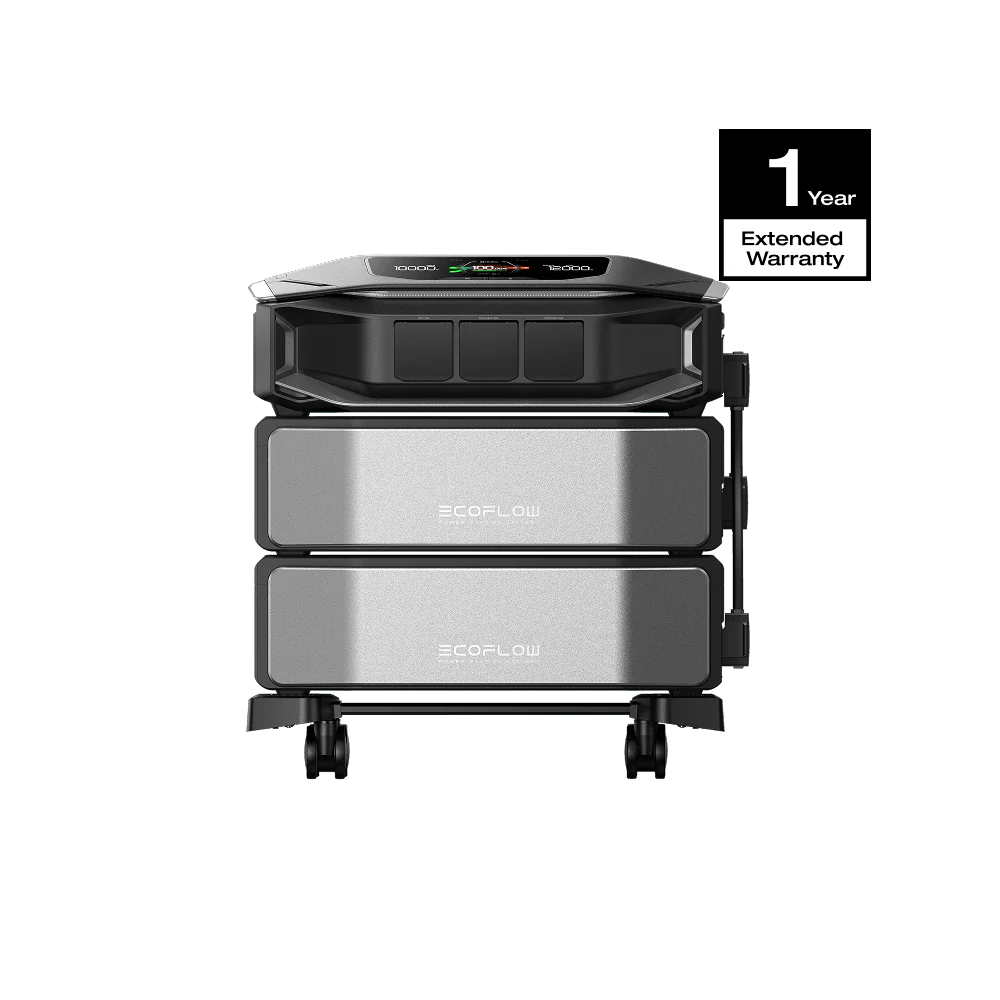
That increased electrical load is worth planning around. When your home is running a heat pump, a heat pump water heater, and an upgraded panel simultaneously, a grid outage can disrupt all of it at once.
The EcoFlow DELTA Pro Ultra X is designed for exactly this kind of whole-home demand, giving you the capacity to keep upgraded systems running through an outage without starting from scratch on your energy investment.
Avoiding Delays and Scams: Common Mistakes That Can Cost You the Rebate
One of the most common issues with HEEHRA rebates is starting installation before confirming eligibility and approval. In many cases, doing so can permanently disqualify the project from receiving incentives.
Another frequent mistake is working with contractors who are not registered or approved under the program. Because rebates often flow through certified installers, choosing an unapproved provider can create delays or lead to outright denial.
Incomplete income documentation is another major source of setbacks. Missing paperwork or inconsistent records can slow verification and push projects out of rebate funding windows.
Frequently Asked Questions
Are HEEHRA Rebates Available Nationwide or Only in Certain States?
HEEHRA rebates are administered at the state and territory level, meaning availability depends on where you live. Some states have fully launched programs, while others are still rolling out contractor networks and application systems.
What Documents Do I Need for Income Verification and Rebate Approval?
Most programs require standard income documentation such as recent tax returns, pay stubs, or proof of participation in qualifying assistance programs. Some states may also use automated eligibility verification to reduce paperwork.
Can I Combine HEEHRA Rebates with Other Incentives Like Tax Credits or Utility Rebates?
In many cases, yes. HEEHRA rebates can often be stacked with federal tax incentives and local utility rebates, significantly reducing overall project costs. Homeowners should confirm stacking rules in their state before starting a project.
How Long Does It Take to Receive the Rebate as an Instant Discount or Reimbursement?
Timing varies. Instant discounts are applied at purchase, while reimbursement-based rebates can take several weeks to a few months depending on state processing times and contractor submission schedules.
Upgrade with Confidence and Add Backup Power for a More Resilient Home
HEEHRA rebates in 2026 make it possible to electrify your home, reduce your energy bills, and modernize essential systems like heating and hot water. When combined with broader efficiency planning, these upgrades can also improve resilience during outages and extreme weather events.
When you’re ready to move from planning to action, exploring integrated energy and whole home backup power solutions can help you build a home that’s not only efficient, but also resilient in any season.
For press requests or interview opportunities, reach out to our media team
media.na@ecoflow.com