Flood Season Preparedness: Protecting Power and Essentials
- What Makes Flood Season So Disruptive to Power?
- When Should You Shut Off Power Before a Flood?
- What Are the Biggest Risks of Losing Power During a Flood?
- What Should Be in a Flood-Ready Power Kit?
- Why Is Battery Backup Safer Than a Gas Generator During Flooding?
- How Can You Protect Your Power Equipment From Flood Damage?
- Frequently Asked Questions
- Reliable Backup Power Keeps Homes Safer and Better Prepared for Flood Season
Flood season can bring sudden power outages, damaged electrical systems, and dangerous conditions that disrupt daily life for days or even weeks. Preparing before floodwaters arrive helps protect your family, preserve essential devices, and reduce costly damage.
Understanding when to shut off electricity, how to safeguard power equipment, and which backup options are safest can make a significant difference.
What Makes Flood Season So Disruptive to Power?
Flooding creates one of the most challenging environments for electrical infrastructure. Heavy rainfall, overflowing rivers, storm surge, and saturated soil can damage utility equipment, knock down power lines, and flood underground electrical systems. Even localized flooding may interrupt service if substations or transformers become compromised.
Water and electricity are an especially dangerous combination. Floodwater often contains debris, contaminants, and hidden hazards that increase the risk of electrical shorts and equipment failure.
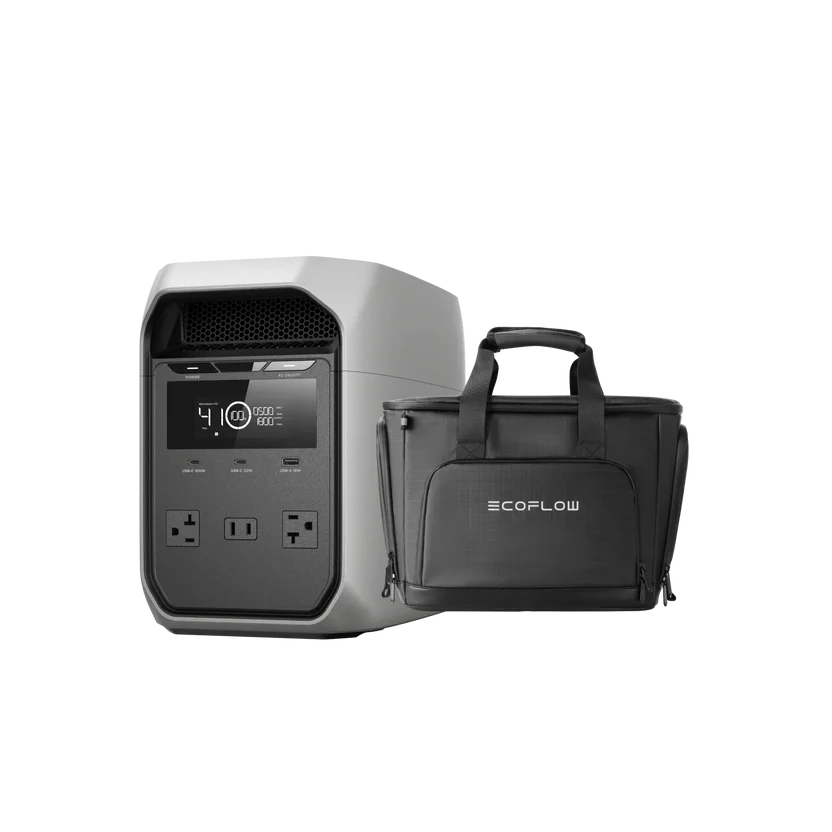
Homes located in areas with recurring flood risks should understand the differences between FEMA designations, including flood zone A vs AE, since these classifications affect flood risk assessments, insurance requirements, and preparedness planning. Having a reliable backup power option, such as the EcoFlow DELTA 3 Classic (1024Wh), on hand before flood season arrives helps keep essential devices running if utility power is interrupted.

When Should You Shut Off Power Before a Flood?
If flooding is expected to reach your home, turning off electricity before water enters the building can reduce the risk of electrical fires and electrocution.
However, this should only be done if the main electrical panel is safely accessible without standing in water or entering hazardous conditions.
Never attempt to reach a breaker box if floodwater has already entered the area. Instead, contact your utility provider or emergency services for guidance. Planning ahead for a flood allows you to know where your main disconnect is located and ensures everyone in the household understands how to safely shut off power if necessary.
What Are the Biggest Risks of Losing Power During a Flood?
Power outages during a flood can disrupt nearly every aspect of daily life. This makes it essential to understand which systems are most vulnerable and plan accordingly.
Refrigerators and freezers stop maintaining safe temperatures, which increases the risk of food spoilage.
Medical devices that rely on electricity, such as CPAP machines or oxygen concentrators, may stop working without backup power.
Phones, computers, and internet equipment can lose power.
Sump pumps may fail. It allows water to accumulate and increase the risk of property damage.
Heating and cooling systems can shut down, which creates unsafe indoor temperatures during extreme weather.
Home security systems, automatic garage door openers, and other connected devices may become inoperable during an outage.
Understanding how to prepare for a flood includes identifying the devices your household depends on most and ensuring you have a safe, reliable way to keep them powered during an emergency.
What Should Be in a Flood-Ready Power Kit?
A flood-ready power kit helps you stay connected, informed, and prepared when the electrical grid goes down. Consider including the following essentials:
Fully charged power banks for keeping phones and other small devices operational.
Flashlights and rechargeable lanterns for safe, reliable lighting without relying on candles.
Extra charging cables, wall adapters, and spare batteries for your essential electronics.
A portable power station, like the EcoFlow DELTA 3 Classic (1024Wh), to provide clean, quiet power for phones, laptops, CPAP machines, small appliances, and other critical devices.
Why Is Battery Backup Safer Than a Gas Generator During Flooding?
Battery-powered backup systems eliminate several safety concerns associated with gasoline generators during flood emergencies. Since they produce no carbon monoxide, they can be used indoors where generators never should be operated.
Flood conditions also make storing fuel more difficult and increase the risks associated with transporting gasoline through damaged neighborhoods.
For many homeowners, a whole home backup power solution that incorporates battery storage provides automatic, quiet, and low-maintenance operation while avoiding fuel-related concerns during severe weather.
How Can You Protect Your Power Equipment From Flood Damage?
Whenever possible, take these steps to protect your power equipment from flood damage:
Elevate backup batteries, electrical panels, chargers, and other sensitive equipment above expected flood levels.
Keep devices off basement floors and away from areas prone to water intrusion.
Store charging cables, batteries, and backup devices in waterproof containers when not in use.
If flooding is imminent, disconnect portable equipment from wall outlets and move it to a higher level of the home.
After flooding, never reconnect electrical equipment that has been submerged until a qualified professional has inspected and cleared it as safe.
Frequently Asked Questions
Is It Safe to Use a Generator During a Flood?
Gas generators should never be operated indoors, in garages, or in enclosed spaces because they produce carbon monoxide, which can be deadly. Floodwaters also create additional electrical hazards, so generators should only be used in dry, well-ventilated outdoor locations.
Should You Unplug Appliances Before a Flood?
If it is safe to do so before flooding begins, unplugging nonessential appliances can help protect them from electrical damage caused by power surges or water exposure. Never unplug appliances while standing in water or after flooding has already reached electrical outlets.
What Is the First Thing to Do When Flooding Starts?
Prioritize personal safety by following evacuation orders and moving to higher ground if necessary. If conditions remain safe, secure important documents, charge communication devices, and disconnect electricity.
Reliable Backup Power Keeps Homes Safer and Better Prepared for Flood Season
Flood season can disrupt power with little warning. This makes advance preparation one of the most effective ways to protect your household. Knowing when to disconnect electricity, safeguarding essential equipment, and choosing reliable backup power can reduce risks and help your family stay connected.
If you're planning to strengthen your emergency preparedness, explore the EcoFlow DELTA 3 Classic Portable Power Station (1024Wh) to keep essential devices running safely during storms and unexpected power outages.
For press requests or interview opportunities, reach out to our media team
media.na@ecoflow.com