Induction Retrofits: Do You Need a Panel Upgrade?
Induction cooking is proven to be faster, safer, and more energy-efficient than gas or traditional electric. Still, homeowners often hesitate because they assume it requires an electrical panel upgrade. However, the simple truth is that many homes can install an induction range without requiring major electrical work, while others can utilize workarounds.
This article breaks down how to assess your current panel capacity, when an upgrade might be required, and alternatives like load management or home batteries that can help you make the switch without a major upgrade.
Why Induction Cooking Is Worth Considering
Induction cooking is much safer, with no open flames (gas) or hot coils (electric), and no toxic indoor emissions like carbon monoxide and nitrous oxides produced by gas.
Induction cooking is also much faster than electric since it doesn’t need time to heat the coils first. Since it heats only the pot, it’s also incredibly efficient. In fact, it’s up to three times more efficient than gas. Gas stoves waste a lot of heat, warming the entire kitchen, which costs even more in hot climates where you need to use more air conditioning to offset cooking heat. Want to make your cooking even more efficient? Use solar panels and home batteries to run your new induction stove.
Another benefit is the precision with which you can adjust the temperature, ranging from the lowest simmer to the quickest boil, which is often challenging to fine-tune on both gas and electric stoves. This helps prevent burning, improving your meals while making pots and pans easier to clean. However, it’s important to understand that induction stoves require magnetic cookware, such as cast iron or certain types of stainless steel.
Understanding Your Current Panel Capacity
Before deciding you need an upgrade, first determine the capacity of your current electrical panel, also known as a breaker box. The maximum amps are usually listed on the inside door of the breaker box.
Modern homes typically have 200-amp panels, which are more than enough to run most homes. Older homes may only have a 100-amp breaker box, which does limit your electrical output. However, with efficient energy management, even homes with 100-amp panels can still add an induction range. Furthermore, older homes can quickly increase capacity by running power-hungry appliances on a home generator, reducing the demand on your household's electrical system.
When You May Not Need a Panel Upgrade
About half of our homes already have sufficient unused capacity, so we don’t need upgrades. For instance, if you have a 200-amp breaker box and are replacing an electric range with an induction model, it probably already has a dedicated 240V plug, and no changes are necessary.
However, if you have the same panel but are replacing a gas stove, you may need a new breaker and will likely need to run a new wire from your breaker box to the new stove, since the existing wire probably isn’t strong enough.
If you only have a 100-amp panel and are already at maximum capacity, you could always consider renewable energy to supplement your power or as a complete off-grid solution. Either way, solar panels are incredibly efficient. You can use them with home batteries to run various appliances, reducing strain on your home’s electrical system.
When You Do Need a Panel Upgrade
You may need an upgrade if you live in an older home with a 100-amp panel and your current stove lacks a dedicated 240V breaker. Large homes with 200-amp breaker boxes may also need upgrades if they’re already at maximum capacity with no spare breakers.
Whether you need an electrical upgrade or not, consider investing in a whole-home backup power solution. If you’re upgrading, have it wired into your panel for the ultimate in convenience. If you aren’t ready to upgrade yet, you can always opt for a dedicated battery system that is powerful enough to run your induction stove.

Alternatives to a Full Panel Upgrade
Even if you have high power needs or a 100-amp panel, there are still ways to avoid the need for an upgrade. For one, you can switch to more energy-efficient appliances or tidy up your electrical use by eliminating unnecessary high-power appliances. You can also strategically plan your high-power appliance use, like not running the stove and dryer at the same time.
Another good option is using smart load management and AI-driven systems, such as smart panels like the EcoFlow Smart Home Panel 3, that can automatically control and optimize your electricity use. The EcoFlow panel also makes it super easy to integrate batteries into your current system.
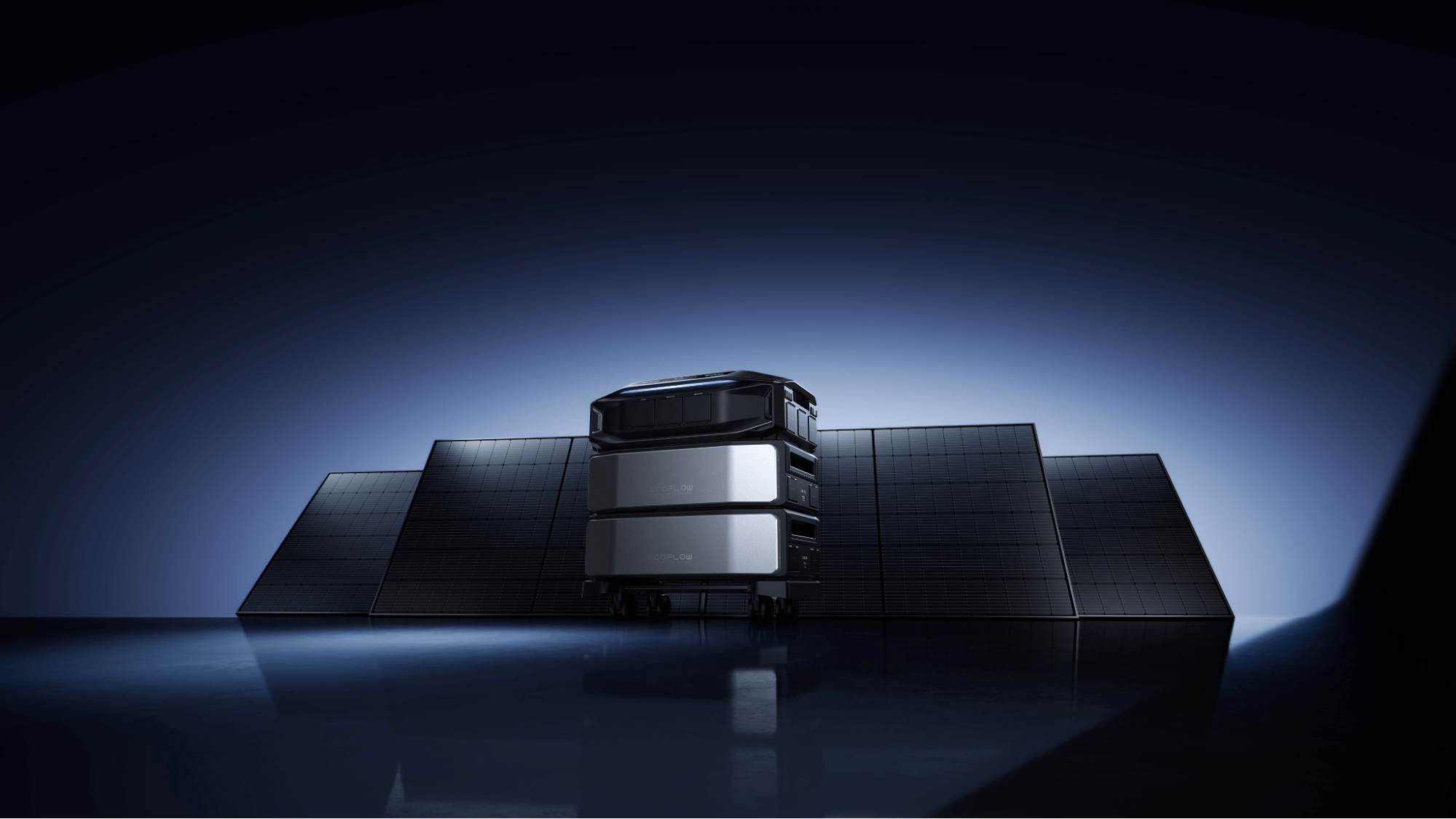
Alternatively, you can use home battery systems like the EcoFlow DELTA Pro Ultra X, which comes with a free EcoFlow App. Use the app to optimize power consumption by setting priorities and scheduling high-power appliances for off-peak hours when demand is lower, helping you get the most out of every watt that enters your home.
Frequently Asked Questions
Will Switching to Induction Always Require a Panel Upgrade?
Not at all. In fact, about half of homes already have more electrical capacity than they currently need. Other homes may avoid an upgrade by carefully planning circuits and strategically managing power with energy-efficient appliances, home batteries, and more.
What Size Panel Is Recommended for Modern Electrification?
For modern electrification, 200-amp panels are generally recommended to ensure they offer enough power for EV chargers, electric stoves, heat pumps, and more. However, large homes with high power needs may need 400 amps.
Homeowners Can Install Induction Stoves Without Full Panel Upgrades
Switching to induction doesn’t automatically mean upgrading your electrical panel. Many homes already have sufficient capacity, and others can avoid upgrades through smart load management or supplemental power solutions. Understanding your panel, usage habits, and appliance needs is the key to making the right decision. If you’re modernizing your kitchen or electrifying your home, solutions like EcoFlow Smart Home Panel 3, home batteries, and solar integration offer flexibility, resilience, and long-term energy savings.
For press requests or interview opportunities, reach out to our media team
media.na@ecoflow.com