Wire Gauge Amp Chart: NEC 2023 Ampacity Table for Copper & Aluminum
- What Is Wire Ampacity, and Why Does It Matter?
- What Factors Affect a Wire's Ampacity Rating?
- NEC 2023 Ampacity Chart for Copper and Aluminum Wire
- How Do You Choose the Right Wire Gauge for Your Amperage?
- What Is the Difference Between Wire Ampacity and Breaker Size?
- When Do You Need to Derate Wire Ampacity?
- Frequently Asked Questions
- Correct Wire Sizing Keeps Home Backup Power Systems Safe and Reliable
Picking the wrong wire gauge for a circuit can mean overheating, voltage drop, or a code violation waiting to be caught on inspection. The National Electrical Code sets ampacity limits for copper and aluminum conductors so that wiring stays safe under real-world loads.
This guide breaks down the NEC 2023 ampacity tables, explains what changes a wire's rated capacity, and helps you match gauge to amperage with confidence.
What Is Wire Ampacity, and Why Does It Matter?
Ampacity is the maximum current a conductor can carry continuously without exceeding its insulation's temperature rating. Every wire has a ceiling set by its size, material, and insulation type, and NEC Table 310.16 lists those ceilings for both copper and aluminum. Cross that ceiling and the conductor overheats, the insulation breaks down, and the risk of an arc fault or fire climbs.
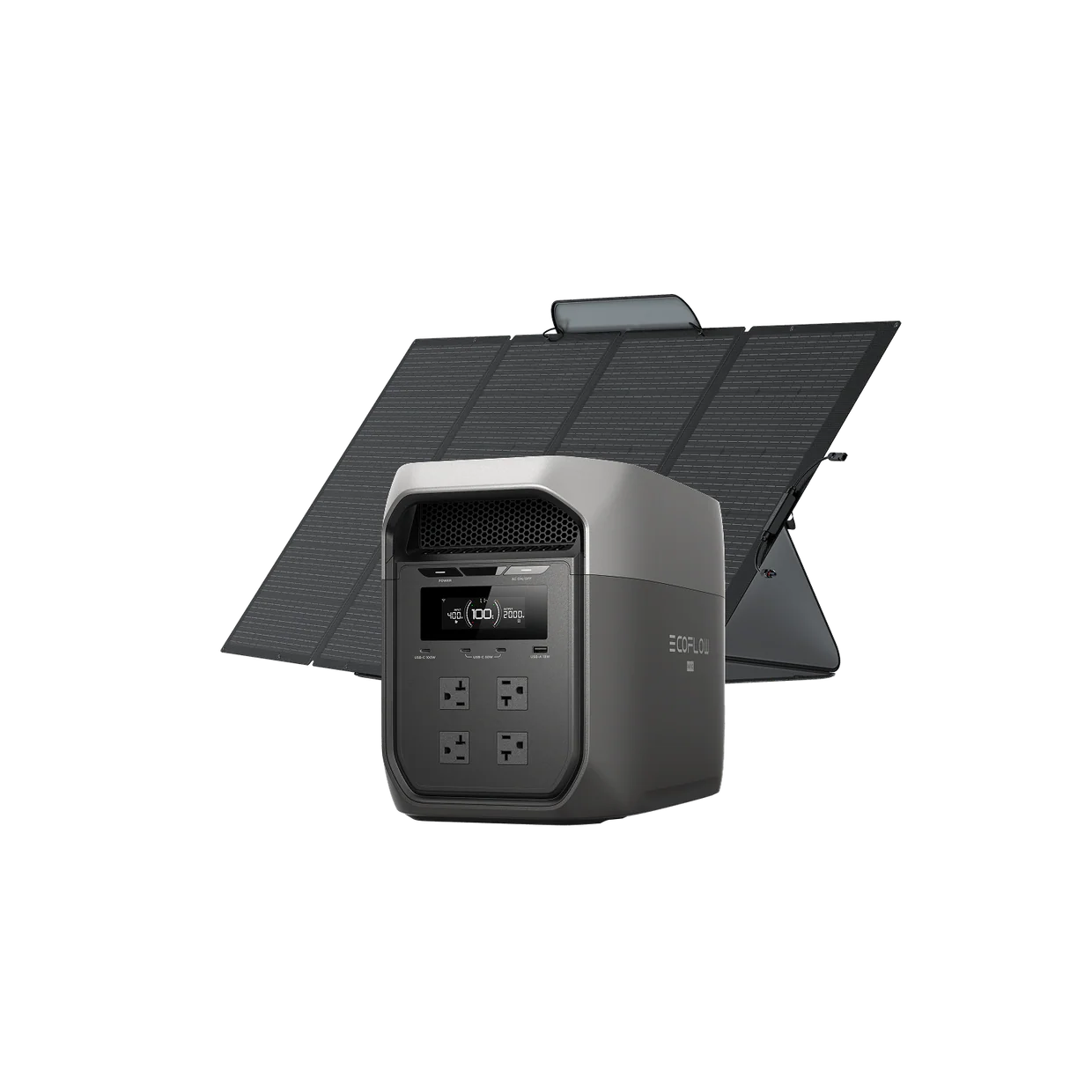
Most household branch circuits run on a 15-amp vs. 20-amp circuit, and mismatched ampacity on those runs is one of the errors inspectors flag most often. The same principle applies off-grid. Pairing the EcoFlow DELTA 3 Max + 400W Solar Panel or any other portable power station with correctly sized conductors protects the equipment and the connections feeding it, whether you're running it through a transfer switch or straight to an appliance.
What Factors Affect a Wire's Ampacity Rating?
Several variables set the ampacity number for a given wire:
Conductor material. Copper carries more current than aluminum at the same gauge, so aluminum typically steps up one or two sizes to match.
Wire gauge. Ampacity rises as the AWG number drops, so 10 AWG carries less current than 6 AWG.
Insulation rating. Insulation is rated 60°C, 75°C, or 90°C. Higher ratings support higher ampacity, but terminals often cap the usable rating lower.
Ambient temperature. A hot attic, a spot near a furnace, or a sun-exposed rooftop needs a correction factor, since the base chart assumes a 86°F (30°C) baseline.
Conductor count. Bundling several conductors in one conduit traps heat, so the NEC requires an adjustment past three current-carrying conductors.
NEC 2023 Ampacity Chart for Copper and Aluminum Wire
The values below come from NEC Table 310.16, based on no more than three current-carrying conductors in a raceway at 86°F (30°C) ambient. Match the column to the lowest temperature rating in your circuit, whether that's the wire's insulation or the terminals at your breaker and panel.
Copper Wire Ampacity Chart
WG / kcmil | 60°C | 75°C | 90°C |
14 | 15A | 20A | 25A |
12 | 20A | 25A | 30A |
10 | 30A | 35A | 40A |
8 | 40A | 50A | 55A |
6 | 55A | 65A | 75A |
4 | 70A | 85A | 95A |
3 | 85A | 100A | 110A |
2 | 95A | 115A | 130A |
1 | 110A | 130A | 145A |
1/0 | 125A | 150A | 170A |
2/0 | 145A | 175A | 195A |
3/0 | 165A | 200A | 225A |
4/0 | 195A | 230A | 260A |
Aluminum Wire Ampacity Chart
AWG / kcmil | 60°C | 75°C | 90°C |
12 | 15A | 20A | 25A |
10 | 25A | 30A | 35A |
8 | 30A | 40A | 45A |
6 | 40A | 50A | 55A |
4 | 55A | 65A | 75A |
2 | 75A | 90A | 100A |
1 | 85A | 100A | 115A |
1/0 | 100A | 120A | 135A |
2/0 | 115A | 135A | 150A |
3/0 | 130A | 155A | 175A |
4/0 | 150A | 180A | 205A |
Aluminum isn't listed below 12 AWG here because many jurisdictions restrict small-gauge aluminum on 15A and 20A branch circuits due to historical connection failures at smaller terminals.
How Do You Choose the Right Wire Gauge for Your Amperage?
Start with the amperage the circuit needs to carry, then work backward to a wire size using the chart above. Longer runs need a second check, since past roughly 100 feet (30 m), voltage drop can matter as much as ampacity.
An ampacity and voltage drop resource can confirm the gauge still holds up over distance. From there, match the gauge to a breaker sized within its ampacity, never above it.
What Is the Difference Between Wire Ampacity and Breaker Size?
A breaker's job is to protect the wire, not the load plugged into it. NEC 240.4(D) caps small conductors at set overcurrent limits regardless of calculated ampacity, so 14 AWG copper tops out at 15A and 12 AWG at 20A even though the chart shows higher numbers at 75°C and 90°C.
That's why a 30-amp breaker wire size pairing starts from the conductor's rated ampacity, then rounds down to the nearest standard breaker size, never up.
When Do You Need to Derate Wire Ampacity?
Derating comes into play whenever conditions push past the NEC's baseline assumptions. Conductors in an attic, next to a furnace, or across a sun-exposed rooftop need the ambient correction factors in NEC Table 310.15(B)(1), since anything above 86°F (30°C) reduces usable ampacity.
Bundling four or more current-carrying conductors in one conduit triggers a similar reduction under 310.15(C)(1), and continuous loads still call for sizing at 125% of the running current on top of any derating.
These factors stack, so a hot garage run sharing a raceway with several other circuits can need a gauge two or three sizes larger than the base chart alone suggests.
Frequently Asked Questions
What Gauge Wire Do You Need for a 30 Amp Circuit?
A 30-amp circuit typically calls for 10 AWG copper wire, rated for 30A at the 60°C column and higher at 75°C and 90°C. Aluminum needs to step up to 8 AWG for the same rating. Always confirm the terminal temperature rating before finalizing gauge, since that determines which ampacity column applies.
Is Aluminum Wire as Safe as Copper Wire?
Aluminum wire is safe when installed correctly, sized properly, and paired with connectors rated for aluminum. It carries less current than copper at the same gauge and expands more with temperature changes, which is why many jurisdictions restrict it on small branch circuits. Larger feeders and service entrances commonly use it without issue.
Can You Use a Higher-Ampacity Wire Than Required?
Yes you can. Installing a wire rated for more current than the circuit needs is allowed and often recommended for long runs, future load increases, or voltage drop concerns. The breaker still protects the circuit at its own rated amperage, so oversizing the wire simply adds a safety margin.
Correct Wire Sizing Keeps Home Backup Power Systems Safe and Reliable
Matching wire gauge to amperage isn't a one-time lookup; it's a habit that protects everything downstream of the panel, from a kitchen outlet to a home battery setup.
Whether you're wiring a new circuit or connecting a whole-home backup power system, the same NEC rules apply: match the gauge to the load, check the terminal ratings, and derate when conditions call for it.
Get that right once, and the wiring behind your walls stays out of the way instead of becoming the next problem to solve.
For press requests or interview opportunities, reach out to our media team
media.na@ecoflow.com