What Do Tornado Sirens Mean? A Family Guide to Backup Alerts and Power Outage Prep
- What Does the Tornado Siren Mean During Severe Weather?
- Why Is Relying Solely on Outdoor Alerts Dangerous?
- Family Storm Readiness Quick Checklist
- Build a Reliable Backup Alert System for Your Family
- Prepare Your Home for Tornado-Induced Power Outages
- Identify the Safest Shelter Areas Inside Your Home
- Survive the Immediate Aftermath of a Severe Storm
- Build Your Backup Alert And Power Plan Before The Next Storm
- FAQs
- Safety Disclaimer
When severe storms hit, many families wonder, what does the tornado siren mean? It signifies imminent danger outdoors. However, a single tornado siren is never enough to protect your family indoors. Nighttime storms and sudden power outages require multiple backup systems. By utilizing smartphone alerts, a dedicated weather radio NOAA receiver, and reliable home backup power, you ensure your family receives critical warnings and stays safe even when the local grid fails.
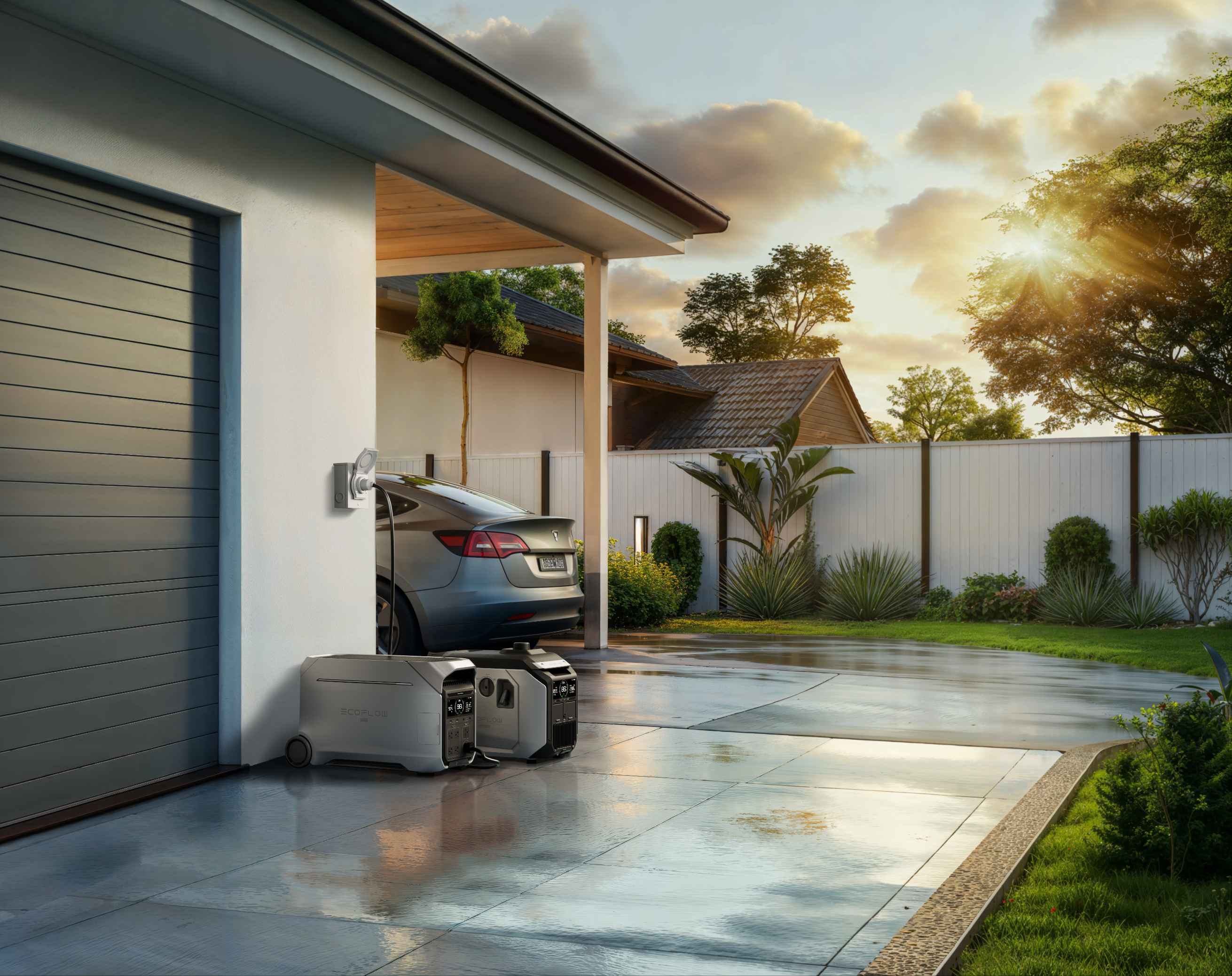
What Does the Tornado Siren Mean During Severe Weather?
Understanding the exact purpose of community alert systems prevents dangerous confusion when severe storms approach your neighborhood. You must know exactly how to react the moment the alarm sounds.
The True Purpose of Outdoor Warning Systems
People often ask during emergencies, what does the tornado siren mean exactly? According to guidance from the National Weather Service, outdoor warning sirens are primarily intended to alert people who are outdoors that dangerous weather may be approaching. A siren may be activated when a tornado has been observed or when radar indicates a tornado threat in the warning area. Because activation policies vary by jurisdiction, residents should follow instructions from their local emergency management agency.
Recognizing Testing Cycles Versus Real Emergencies
Most municipalities test their warning systems regularly, typically on the first Wednesday or Saturday of the month during clear weather. Learning your local testing schedule is vital so you do not ignore a real alert when severe weather actually threatens your area. If the alarm sounds on a cloudy, stormy day, you must treat it as a live emergency and execute your safety plan immediately.
Why Is Relying Solely on Outdoor Alerts Dangerous?
Depending on a single source of outdoor information puts your family at high risk. You must account for modern home construction, weather noise, and the time of day.
The National Weather Service notes that outdoor warning sirens are not designed to reliably alert people who are indoors, asleep, or using headphones. For this reason, emergency managers recommend maintaining multiple alert methods inside the home. Nighttime tornadoes are historically deadlier precisely because people rely entirely on these outdoor systems instead of maintaining indoor alarms. When you are asleep, you need an alert system sitting directly on your nightstand to wake you up before the storm strikes your property.
Heavy rain, strong winds, and large hail create a massive amount of environmental noise. Combine this with modern double-pane windows and thick insulation, and your home will easily block the sound of a distant alarm. Furthermore, if you are watching loud television, listening to music, or running a noisy appliance like a vacuum cleaner, you will likely miss the warning entirely until it is too late.
Family Storm Readiness Quick Checklist
Before Severe Weather Arrives
Verify local alert settings on all phones.
Test your NOAA Weather Radio.
Charge phones, power banks, and emergency batteries.
Review your household shelter location.
Confirm emergency contacts.
When A Tornado Warning Is Issued
Move immediately to your designated shelter.
Bring phones and backup communication devices.
Monitor NOAA Weather Radio or WEA alerts.
Avoid windows and exterior walls.
Stay sheltered until official updates indicate the threat has passed.
During A Power Outage
Preserve refrigerator and freezer cooling.
Use LED lighting instead of candles.
Keep communication devices charged.
Monitor official emergency updates.
Build a Reliable Backup Alert System for Your Family
Redundancy saves lives. Establishing multiple layers of emergency notifications guarantees you receive critical updates regardless of your location or the time of day.
NOAA Weather Radio receivers that support Specific Area Message Encoding (SAME) allow users to program alerts for selected counties. According to NOAA Weather Radio technical guidance, SAME helps reduce unnecessary alerts while still delivering warnings relevant to the programmed area. This targets the alerts, preventing the alarm from waking you up for a storm happening fifty miles away, thereby significantly reducing unnecessary alarm fatigue.
Wireless Emergency Alerts (WEA), administered through FEMA and participating wireless carriers, are geo-targeted notifications designed to reach affected areas. Alert behavior may vary slightly by device model and operating system, so users should verify emergency alert settings before severe weather season. Keep your phone charged and placed next to your bed every night during peak storm seasons to ensure you receive these instant government broadcasts.
Prepare Your Home for Tornado-Induced Power Outages
Severe storms frequently and instantly destroy electrical grids. You must secure independent power to keep your communication devices active and your family safe while sheltering.
Securing Backup Power for Essential Devices
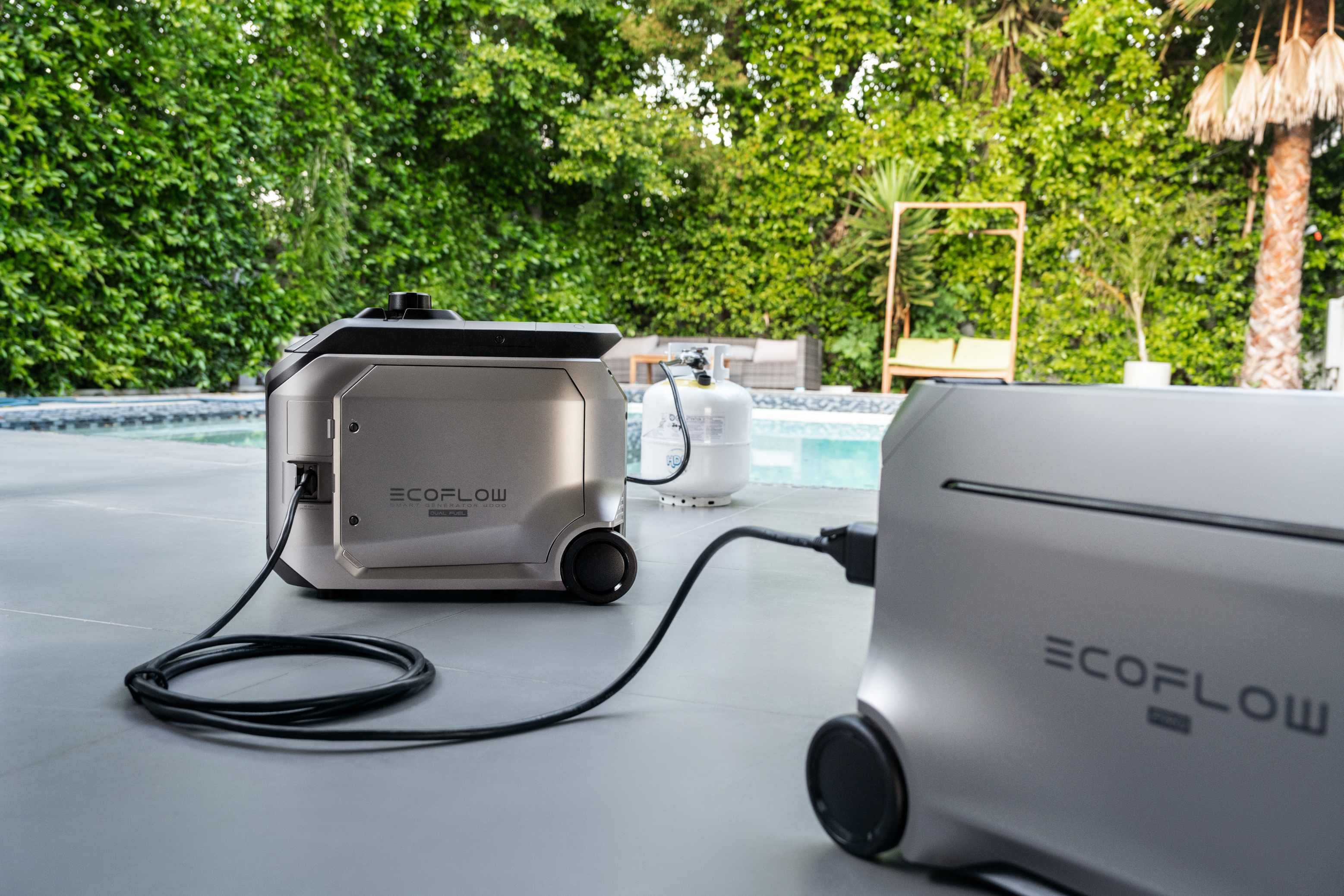
For households evaluating backup power options, the EcoFlow DELTA Pro 3 + 400W Portable Solar Panel is one example of a high-capacity portable power solution. According to manufacturer specifications, it supports up to 4000W output and expandable capacity configurations ranging from approximately 4–48kWh, which may help ensure your family has reliable indoor electricity when the grid fails.
Safe Indoor Lighting Solutions
Never use traditional wax candles during a severe storm due to extreme fire risks from gas leaks or falling debris. Instead, stock up on battery-powered LED lanterns, heavy-duty flashlights, and hands-free headlamps. Keep these light sources permanently stored in your designated shelter room alongside your extra batteries so you are not stumbling through the dark when the power abruptly cuts out.
Protecting Medical Equipment
If someone in your home relies on a CPAP machine, oxygen concentrator, or refrigerated medication, a sudden power outage becomes a medical emergency. A properly sized backup power system may help support medical equipment during outages. However, runtime depends on device wattage, battery capacity, charging status, and outage duration. Users should confirm requirements with their healthcare provider and equipment manufacturer.
Identify the Safest Shelter Areas Inside Your Home
Knowing exactly where to go the moment you receive an alert eliminates panic. Pre-planning your physical location drastically increases your structural safety.
Utilizing Basements and Storm Cellars
Underground spaces consistently offer the absolute highest level of protection against flying debris and catastrophic structural collapse. Keep your basement clear of heavy clutter and store your emergency supply kits here permanently. Ensure everyone in the household knows exactly how to navigate the stairs quickly in complete darkness.
Choosing an Interior First-Floor Room
If your home lacks a basement, immediately move to a small, windowless interior room on the lowest floor. Bathrooms, interior closets, or central hallways provide the most structural integrity because they have shorter roof spans and extra wall framing. Get into the bathtub if possible, and cover yourselves completely with thick mattresses, heavy blankets, or even bicycle helmets to protect against blunt force trauma.
The Immediate Danger of Mobile Homes
Mobile homes are incredibly dangerous during severe wind events, regardless of tie-downs. If you live in a mobile home or trailer, you must plan to evacuate to a sturdy, permanent building or a community storm shelter well before the severe weather arrives. Never attempt to ride out a tornado warning inside a mobile home under any circumstances.
Survive the Immediate Aftermath of a Severe Storm
The physical danger does not end when the wind stops. Navigating your home and neighborhood safely after a tornado passes requires strict caution and patience.
Monitoring the All-Clear Signal
Do not leave your shelter area just because the deafening noise stops. Wait for official confirmation from your weather radio NOAA broadcast or mobile phone alerts. Many people prematurely ask, what does the tornado siren mean after the storm passes? Typically, sirens do not sound an "all-clear" signal; they only sound for active, incoming danger. Always rely on your indoor radio to confirm the severe weather threat has entirely left your county.
Avoiding Hazards in the Debris
Assume all downed power lines are completely active and highly lethal. Do not touch them or step in water near them. Wear thick-soled work boots to prevent severe puncture wounds from exposed nails, splintered wood, and shattered glass scattered across the floor. If you smell natural gas or hear a hissing sound, evacuate the premises immediately on foot and call local emergency utility authorities from a safe distance.
Build Your Backup Alert And Power Plan Before The Next Storm
A single tornado siren cannot guarantee your indoor safety. True preparedness requires redundant mobile alerts, dedicated indoor radios, and a solid backup plan for the inevitable grid failures. Stay prepared with the EcoFlow DELTA Pro 3 + 400W Portable Solar Panel. Its plug-and-play design charges to 80% in 50 minutes, helping provide renewable charging capability when sunlight conditions permit.
FAQs
Q1: What does a 3 minute siren mean?
A continuous, steady siren lasting for roughly three minutes generally indicates a tornado warning or a severe weather emergency, meaning a tornado has been spotted or radar-indicated. It is an immediate command for anyone outdoors to take shelter inside a sturdy building right away.
Q2: What are three signs a tornado is coming?
Visual and auditory indicators of an approaching tornado include a dark, often greenish-colored sky, the sudden dropping of large hail, and a loud, continuous roar that sounds remarkably similar to an approaching freight train.
Q3: What channel should my NOAA Weather Radio be on?
The National Weather Service broadcasts on seven different VHF frequencies ranging from 162.400 MHz to 162.550 MHz. You must tune your specific receiver to the exact frequency of the local transmitter that provides coverage for your specific county.
Q4: Which weather radio does NOAA recommend?
While the agency does not endorse specific commercial brands, they strongly recommend purchasing receivers that carry the "Public Alert" logo. They also highly suggest models equipped with SAME (Specific Area Message Encoding) technology to receive localized, county-specific alerts.
Q5: What kills you first in a tornado?
Flying and falling debris is the number one cause of death and severe trauma during a tornado. High-speed winds turn everyday objects like glass, wood splinters, and appliances into lethal projectiles, which is why sheltering in windowless interior rooms is strictly advised.
Safety Disclaimer
This article provides general family preparedness information and is not a substitute for instructions from the National Weather Service, FEMA, local emergency management agencies, law enforcement, medical professionals, utility providers, or licensed electricians. During any severe weather event, always follow official warnings and evacuation instructions first.
If anyone in your household depends on medical equipment such as a CPAP machine, oxygen concentrator, refrigerated medication, or mobility device, consult your healthcare provider and equipment supplier before storm season to determine appropriate backup power requirements.
For press requests or interview opportunities, reach out to our media team
media.na@ecoflow.com