The Safest Rooms in Your House During a Tornado
When a tornado warning sounds, every second counts. The safest spots in most homes are underground basements and small, windowless interior rooms on the lowest floor. Bathrooms, closets, and interior hallways all offer meaningful protection. Knowing how to stay safe during a tornado can be the difference between walking away unharmed and facing a serious injury.
Why the Location Inside Your Home Matters So Much
A tornado does not tear a house apart all at once. Wind pressure builds against exterior walls first, then peels the roof away, and finally collapses the remaining structure inward. Where you stand during this sequence determines your level of exposure.
Exterior Walls Take the First Hit
Exterior walls face the full force of wind-driven debris. Windows shatter. Garage doors buckle. Rooms along the perimeter of a house are the first to lose structural integrity, which means they offer the least protection during peak winds.
Interior Walls Create Layers of Defense
Every wall between you and the outside acts as a barrier. Interior rooms sit behind multiple layers of framing, drywall, and insulation. These layers absorb and deflect flying debris before it reaches you. The more walls surrounding your position, the better your odds.
Lower Floors Reduce Collapse Risk
Upper stories are more exposed to direct wind forces and are more likely to separate from the structure entirely. The lowest level of your home, especially a basement, keeps you beneath the heaviest structural components rather than above them.
Ranking the Safe Places to Be During a Tornado
Basements
A basement is the single best place to be. You are surrounded by earth on most sides, which blocks wind and debris almost entirely. If your basement has a small interior room, such as a utility closet, that adds another layer of defense. Stay away from basement windows and exterior walls, and avoid standing beneath heavy appliances on the floor above.
Interior Closets
A small closet near the center of your home can be surprisingly effective. The tight space means you are surrounded by structural framing on all sides. Closets under staircases are particularly strong because the stairway framing adds extra reinforcement.
Bathrooms
Bathrooms often rank among the best options for a tornado safe room in homes without basements. Plumbing pipes within the walls add rigidity to the surrounding structure. A cast-iron bathtub can also serve as a secondary shield. Lie inside the tub and cover yourself with a mattress or thick blankets for additional debris protection.
Interior Hallways
Hallways that run through the center of a home provide reasonable shelter. They tend to be narrow, which means the walls are closer together and better at resisting lateral forces. However, hallways with doors at each end can funnel wind through the space, so close all doors if possible.
Common Tornado Shelter Myths That Put People at Risk
Bad advice spreads quickly during severe weather. Some of the most popular "tips" are among the most dangerous.
The Highway Overpass Myth
Many people believe that crouching under a highway overpass offers protection. The opposite is true. An overpass acts like a wind tunnel, accelerating airflow and debris through the narrow gap. You are also elevated above ground level, which increases your exposure. If a tornado approaches while you are driving, pull over, keep your seatbelt on, duck below the windows, and cover your head.
Opening Windows to "Equalize Pressure"
This idea has been repeated for decades, and it is wrong. A tornado will create its own openings in your home regardless of whether your windows are open. The time you spend opening windows is time wasted. Head to your shelter area immediately instead.
Mobile Homes With Tie-Downs Are Safe Enough
Tie-downs improve stability in moderate wind, but they do not make a mobile home safe in a tornado. The lightweight frame and thin walls offer very little resistance to high-speed debris. If you live in a manufactured home, identify a nearby permanent structure or community storm shelter before tornado season starts.
How to Prepare Your Shelter Area Before the Storm
Knowing where to go is only half the plan. A well-prepared shelter area makes the wait safer and more manageable.
Stock Essential Supplies
Keep a small emergency kit in or near your chosen room. Include a flashlight, a battery-powered weather radio, sturdy shoes, a first-aid kit, and bottled water. A bike helmet or hard hat can protect your head from falling debris.
Prepare for Power Loss
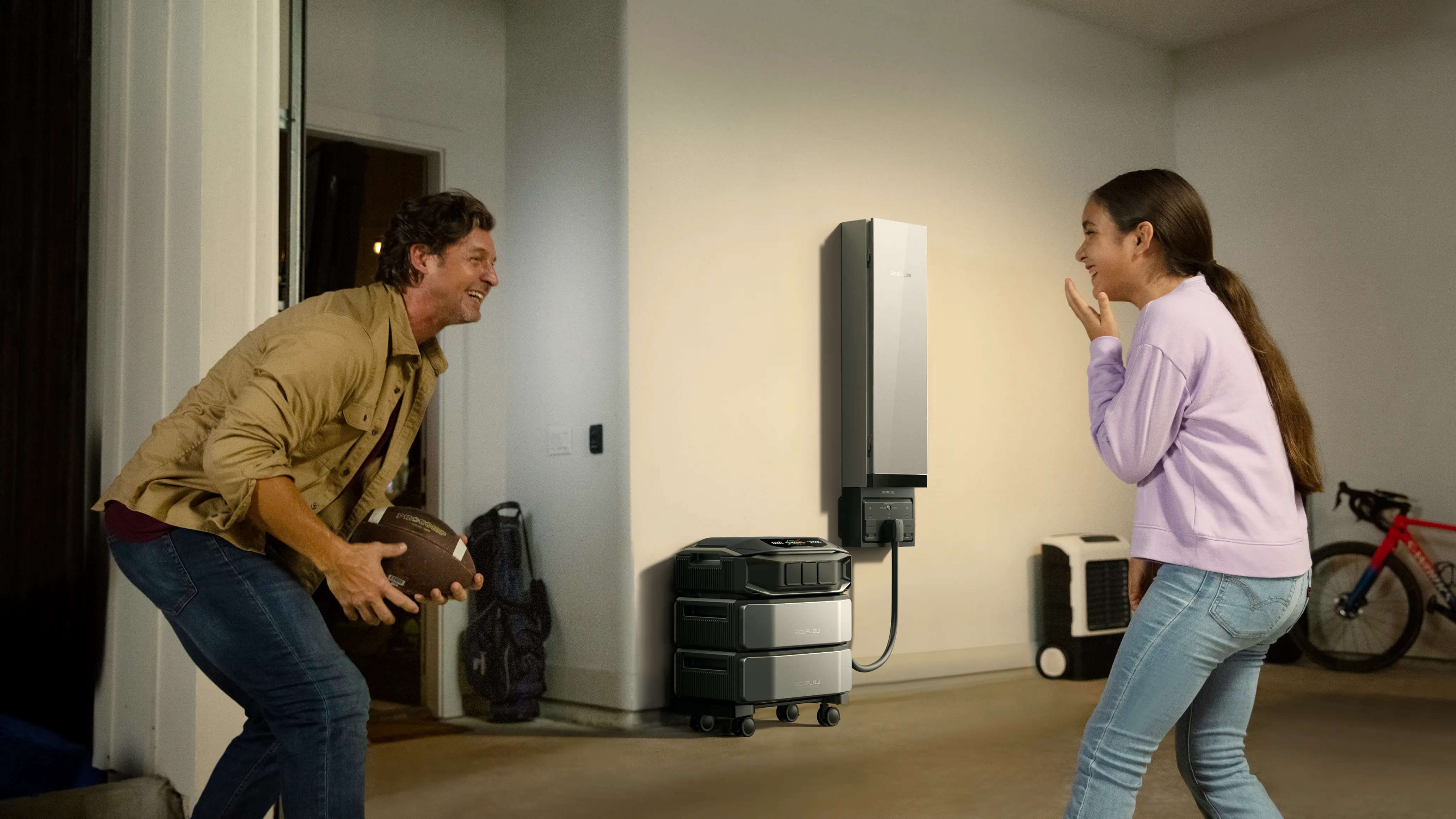
Power outages are common after a tornado passes through. A portable power station stored near your shelter area can keep phones charged and lights on while you wait for the all-clear signal. A high-capacity option like the EcoFlow DELTA Pro Ultra X can power essential devices for extended periods, which is especially useful if the outage lasts hours or longer. Reliable communication during and after a storm is critical, especially if you need to call for help or receive emergency updates. Charge your portable unit regularly so it is ready when you need it.
Reinforce the Space
If you have time and resources before tornado season, consider adding plywood reinforcement to your shelter closet or bathroom. A purpose-built safe room with steel or concrete walls offers the highest level of in-home protection. FEMA provides construction plans for residential safe rooms that can withstand EF5-level winds.
Know Your Shelter and Act Before the Sirens Sound
Every household member should know exactly which room to go to when a tornado warning is issued. Walk through your plan at least once a year. Keep your emergency kit stocked and your portable power charged. The few minutes you spend preparing now can protect your family when it matters most. Take a look at your home layout today and identify the strongest interior room on the lowest floor.
Frequently Asked Questions
Q1: Is a bathroom or closet safer during a tornado?
Both offer strong protection, and either one can work well. Closets tend to have more structural framing around them, while bathrooms benefit from reinforced plumbing walls and the option of lying in a bathtub. Choose whichever room is more interior, has no windows, and sits on the lowest floor of your home.
Q2: Can you survive a tornado in a house without a basement?
Yes, many people do. An interior closet, bathroom, or hallway on the ground floor provides meaningful protection. The key is to put as many walls as possible between you and the outside. Cover yourself with a mattress, heavy blankets, or cushions to guard against debris.
Q3: Why is hiding under a highway overpass dangerous during a tornado?
It increases your risk significantly. Overpasses funnel wind into a narrower space, which accelerates debris to higher speeds. You are also positioned above ground level with little to hold onto.
Q4: Should you open windows before a tornado hits your house?
No, this does not help. The old theory about equalizing air pressure has been proven false. A tornado will breach your home on its own terms. Spend that time moving to your shelter area instead of adjusting windows.
Q5: How much does it cost to build a tornado safe room at home?
A basic residential safe room typically costs between $3,000 and $9,000, depending on size, materials, and whether it is built into new construction or retrofitted into an existing home. FEMA sometimes offers grants through the Hazard Mitigation Grant Program that can offset part of the expense.
Disclaimer: This article is for general informational purposes only and should not be considered a substitute for professional emergency planning or structural engineering advice. Tornado conditions vary widely, and no shelter option can guarantee absolute safety. For the most current and authoritative guidance, please refer to the following official resources:
Always follow instructions from local emergency management authorities during severe weather events.
For press requests or interview opportunities, reach out to our media team
media.na@ecoflow.com