Tornado Season by Region in 2026: When Is Your Area Most at Risk?
- What Does Tornado Season Mean for Your Local Tornado Risk?
- When Does Tornado Risk Peak in the Great Plains?
- Why Is Tornado Season Earlier and More Complex in the Southeast?
- How Does Tornado Risk Vary in the Northeast and West?
- How Can You Prepare Before Your Local Tornado Season Begins?
- Prepare for Tornado Season With Reliable Backup Power
- FAQs
Tornado season is not the same across the United States. In some regions, risk rises in early spring; in others, the peak comes later in summer. For 2026 planning, the key is to know when your area is most likely to face severe storms, then prepare shelter space, emergency supplies, communication tools, and backup power before local tornado risk increases.
What Does Tornado Season Mean for Your Local Tornado Risk?
Tornado season refers to the months when local weather conditions most often support rotating thunderstorms. It is a peak-risk window, not a fixed safety calendar. A tornado can happen outside the typical season, but seasonal timing still helps households know when preparation deserves extra attention.
Tornado risk usually rises when warm, humid air near the ground meets stronger winds higher in the atmosphere. Cold fronts, dry lines, storm systems, and unstable air can add the lift needed for severe thunderstorms. When those ingredients line up, the risk of tornado activity can change quickly.
For planning purposes, think of tornado season as your preparation deadline. If your region’s peak begins in March, your family plan should be ready in February. If your area peaks in June or July, late spring is a smart time to check alerts, batteries, shelter space, and power needs.
When Does Tornado Risk Peak in the Great Plains?
The Great Plains has one of the clearest tornado season patterns in the country. Spring warmth, Gulf moisture, dry air from the west, and strong upper-level winds often overlap across this region, creating conditions that can support powerful severe storms.
Southern and Central Plains Timing
In the Southern Plains, including Texas, Oklahoma, and Kansas, the highest concern usually falls from April through June. May into early June is often the core window. Nebraska and parts of the Central Plains tend to stay active from May into July as the seasonal storm zone shifts north.
| Region | Common Peak Window | Best Time to Prepare |
| Texas | April to June | February to March |
| Oklahoma | April to June | February to March |
| Kansas | April to June | February to March |
| Nebraska | May to July | March to April |
| Dakotas | June to August | April to May |
What Great Plains Households Should Do
Tornado risk can climb quickly on active spring days. A calm morning can turn into a dangerous evening if the atmosphere becomes unstable. Families in this region should keep shelter space clear during peak months, especially closets, interior bathrooms, or basement areas.
Practical preparation should include sturdy shoes near the shelter area, helmets for children, flashlights, charged phones, and a weather radio with backup batteries. If you have pets, keep carriers or leashes easy to grab. If you live in a mobile home, identify a nearby sturdy building before severe weather develops. Mobile homes offer poor protection during tornado warnings.
Great Plains preparation should happen before peak season begins. Once warnings appear, the safest plan is the one your household has already practiced.
Why Is Tornado Season Earlier and More Complex in the Southeast?
The Southeast has a different storm calendar from the Plains. Tornado risk can arrive earlier in the year, and some states also face a second period of concern in the fall. Heavy rain, trees, rolling terrain, and nighttime storms can make tornadoes harder to see and harder to react to.
Spring and Fall Risk Windows
Alabama, Georgia, Arkansas, South Carolina, and Tennessee commonly see their strongest tornado season from March through May. Mississippi and Louisiana often see spring activity, with another active window around November. Florida’s peak tends to run later, commonly from May through July.
This pattern creates a preparation challenge. Many families connect tornado season with late spring, but parts of the Southeast need readiness well before April. Seasonal tornado risk can return again when fall storm systems bring warm, humid air back into the region.
Why Nighttime Preparation Matters
The Southeast has a serious nighttime alert problem. A tornado after midnight gives families less visual warning, and outdoor sirens may be hard to hear indoors. Phone alerts, a weather radio, and a clear shelter routine are especially important.
Keep critical items where you sleep or along the route to shelter: shoes, glasses, medicine, flashlights, phone chargers, and car keys. Parents should practice moving children to the shelter location without searching for supplies in the dark.
Storm recovery can also be difficult in the Southeast. Falling trees and damaged power lines may block roads or cut electricity even when a tornado path misses your home. That makes backup lighting, communication, and power planning part of the same safety conversation.
How Does Tornado Risk Vary in the Northeast and West?
The Northeast and West usually see fewer tornadoes than the Plains or Southeast, yet a lower frequency can create a planning gap. Many residents feel less familiar with tornado warnings, safe rooms, and storm recovery steps. The result can be slower action when severe weather turns dangerous.
Northeast Timing
Across much of the Northeast, tornado season tends to peak in summer. Common peak windows include:
| State / Area | Common Tornado Season Peak |
| New York | June through August |
| New Jersey | June through August |
| Connecticut | June through August |
| Massachusetts | June through August |
| Vermont | June through August |
| New Hampshire | June through August |
| Maine | June through August |
| Pennsylvania and nearby areas | May through July |
The risk of tornado activity in the Northeast is usually tied to strong summer thunderstorms, humid air, and cold fronts. Dense tree cover and overhead utility lines can turn even a brief storm into a power outage. For many households, the most likely disruption may be wind damage, fallen branches, and loss of electricity.
Western Timing
The West varies widely by state. Common peak windows include:
| State / Area | Common Tornado Season Peak |
| California | January through April |
| Oregon | April through June |
| Washington | April through June |
| Colorado | May, June, and August |
| Arizona | July through September |
| New Mexico | July through September |
Because the West is so varied, state-level timing matters. A California family should prepare before winter storm season ramps up. A New Mexico household should pay close attention during summer thunderstorm months. A Colorado homeowner should stay ready from late spring into late summer.
How Can You Prepare Before Your Local Tornado Season Begins?
Once you know your region’s peak tornado months, prepare several weeks ahead. Clear your shelter space, test alert devices, restock your emergency kit, and check how your household will handle a power outage.

Choose and Practice Your Shelter Plan
Pick a small interior room on the lowest level of a sturdy building. A basement is ideal. If your home has no basement, use an interior bathroom, closet, or hallway away from windows. Avoid large open rooms, garages, and areas near exterior walls.
Every person in the home should know the shelter route. Children, older adults, and guests may need extra help. Practice the route once during daylight and once after dark so the plan feels familiar.
Build a Practical Emergency Kit
A useful kit should cover the basics without becoming complicated. Focus on items that help during warnings, outages, and cleanup.
Water and shelf-stable food
First aid supplies and prescriptions
Flashlights and spare batteries
Battery-powered weather radio
Phone chargers and power banks
Copies of important documents
Pet food, leashes, and carriers
Work gloves and sturdy shoes
Also think about household-specific needs. Refrigerated medication, medical devices, baby supplies, mobility equipment, and remote work equipment may require extra planning. This is where tornado risk becomes personal. The same storm can create very different problems from one home to the next.
Review Alerts Before Peak Season
Make sure emergency alerts are turned on for every phone in the household. Keep one alert method that works without cell service, such as a battery-powered or hand-crank radio. Nighttime alerts deserve special attention in the Southeast and any region where storms can move through after dark.
Add Backup Power to Your Storm Plan
Power outages are one of the most common problems after severe storms. Phones, lights, radios, routers, refrigerators, fans, and medical devices may all become harder to use when local lines are damaged. For households in areas with higher tornado risk, backup power should be part of the same plan as shelter space and emergency supplies.
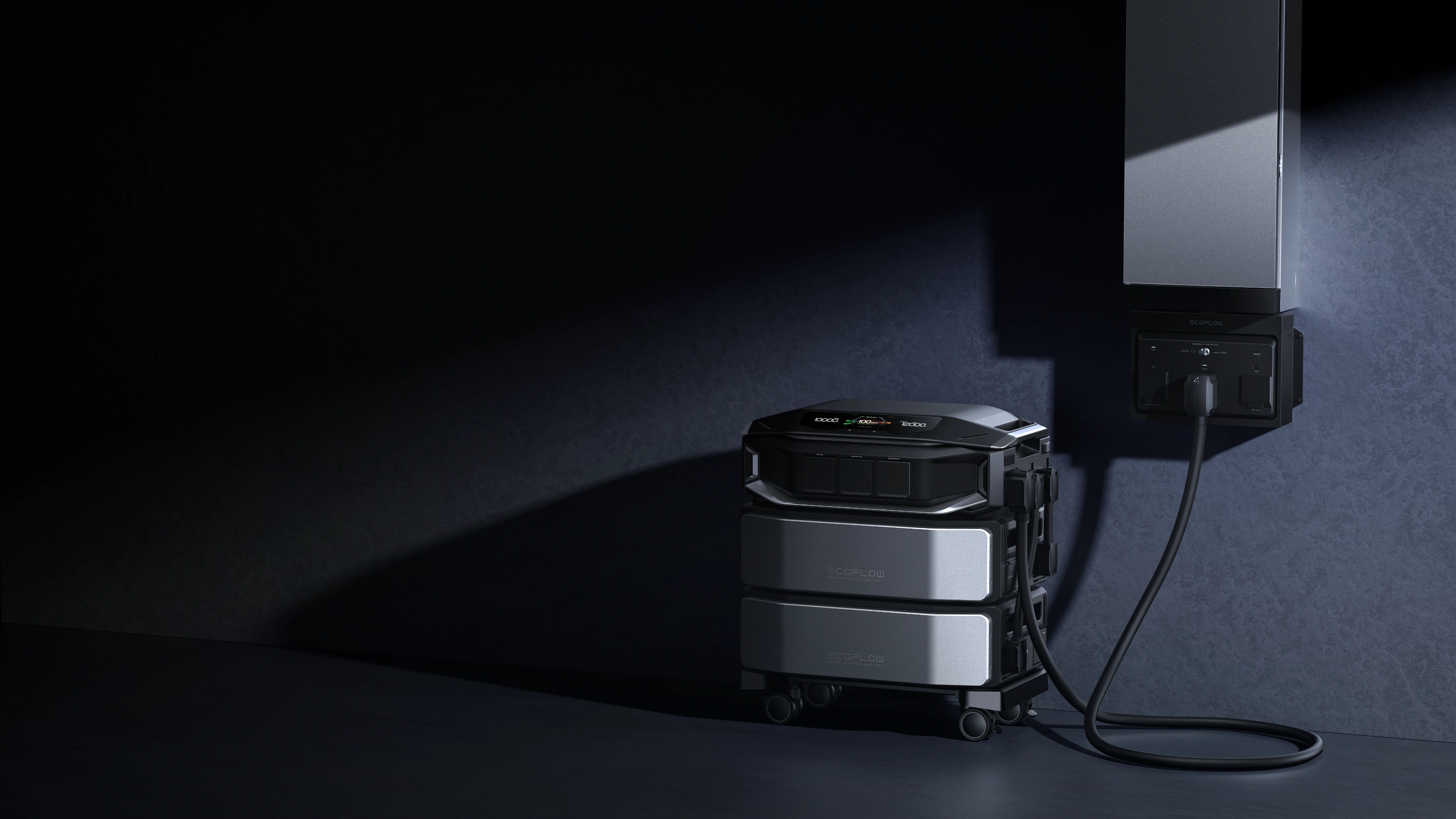
A whole-home backup option such as the EcoFlow DELTA Pro Ultra X can help families prepare for longer storm-related outages. Its expandable design supports 12–36kW output and 12–180kWh capacity, depending on the setup, making it suitable for homes that need to power essentials beyond small electronics. With about 20ms auto-switchover, it is built to respond quickly when grid power is interrupted.
Prepare for Tornado Season With Reliable Backup Power
Tornado season planning should include the hours after the warning ends. Power outages can interrupt lighting, phone charging, internet access, refrigeration, fans, medical devices, and basic communication. A portable power station or home backup system can keep essential devices running when the grid is down. EcoFlow DELTA Pro Ultra X fits naturally into a severe-weather plan by helping families protect communication, safety, and comfort before their regional tornado risk reaches its peak.
FAQs
Q1. How Long Does a Tornado Usually Last?
Most tornadoes last only a few minutes, but some can stay on the ground much longer. Duration is difficult to judge from a distance, so never wait to see if the storm will pass. If a warning is issued for your area, move to shelter immediately and stay there until the warning expires or local alerts say it is safe.
Q2. Can a Tornado Form Without a Visible Funnel?
Yes. A tornado can be present even if you cannot clearly see a funnel cloud. Rain, darkness, trees, buildings, and low cloud cover can hide rotation. Flying debris, a sudden roar, or rapidly changing wind may be the first signs. Treat official warnings seriously, especially at night or during heavy rain.
Q3. Does Home Insurance Cover Tornado Damage?
Usually, yes. Standard homeowners insurance often covers wind damage from tornadoes, including roof damage, structural damage, and some personal property losses. Coverage details vary by policy, deductible, and state. Review your policy before tornado season, take photos of major belongings, and keep digital copies of insurance documents in a secure cloud account.
Q4. What Should You Do If You Are in a Car During a Tornado Warning?
Get to a sturdy building as quickly as conditions allow. A car is not a safe shelter during a tornado. If no building is nearby, avoid bridges and overpasses, keep your seat belt on if driving away from danger is possible, or get low in a ditch only as a last resort while protecting your head from debris.
Q5. How Can You Protect Important Documents Before Tornado Season?
Store key documents in both physical and digital forms. Use a waterproof, fire-resistant container for IDs, insurance papers, medical records, deeds, and emergency contacts. Scan copies to a secure cloud folder so they remain accessible after damage or evacuation. Keep a small printed contact list in your emergency kit in case phones lose power.
Disclaimer: This article is for informational purposes only and does not constitute professional weather, emergency management, insurance, or safety advice. Tornado conditions can change quickly by location, storm system, and time of day. Always follow official local alerts, shelter instructions, evacuation guidance, and emergency updates during severe weather. For official safety and preparedness information, please refer to the National Weather Service Mesocyclone Glossary, Severe Weather 101: Tornado Basics, National Weather Service Tornado Safety, Tornado Safety Rules, Ready.gov Tornadoes, and Ready.gov Build a Kit.
For press requests or interview opportunities, reach out to our media team
media.na@ecoflow.com