When Is Tornado Season in the U.S.? Emergency Power and Safety Preparation Guide
For millions of Americans living in areas of volatile weather, severe storms are an annual reality. Understanding when and where tornadoes can strike is an important first step in protecting your family and securing your property. This guide breaks down everything you need to know about tornado season, electrical grid vulnerabilities, and smart planning to keep your home powered up and functional when major storms come.
What Is Tornado Season and Why It Happens
To build an effective defense plan, we must first understand the meteorological mechanics and different regional weather behaviors that cause severe storms in the United States.
Definition of Tornado Season in the U.S.
According to NOAA’s National Severe Storms Laboratory (NSSL), tornadoes can occur at any time of year, although activity tends to peak during specific periods depending on regional weather patterns. Tornado season refers to the period of the year when atmospheric conditions are most favorable for tornado formation. During these months, tornado activity becomes more frequent and widespread, requiring heightened awareness and preparedness from residents in high-risk regions.
Weather Conditions That Trigger Tornado Formation
Tornadoes are born from violent atmospheric collisions. The primary catalyst is the clash between warm, moisture-laden air moving north from the Gulf of Mexico and cold, dry polar air sweeping south from Canada. When these large, contrasting air masses meet, they create severe atmospheric instability. The warm and cool air masses create strong vertical wind shear that causes changes in wind speed and direction at different altitudes. The air masses begin to spin horizontally and eventually start tilting vertically to form a supercell thunderstorm and, ultimately, a tornado.
Regional Differences (Tornado Alley vs. Dixie Alley)
Geography plays a massive role in how tornado risks are determined across the country. Understanding the specific patterns of tornado season by region allows homeowners to tailor their emergency readiness plans effectively.
| Region | States Included | Key Characteristics | Main Risks |
|---|---|---|---|
| Tornado Alley | Texas, Oklahoma, Kansas, Nebraska and parts of the Central Great Plains | Flat, open terrain allows supercell thunderstorms to develop and be observed more easily | Large and potentially violent tornadoes that are often easier to spot visually |
| Dixie Alley | Mississippi, Alabama, Tennessee, Arkansas, Louisiana, and parts of Georgia | More forests, rolling terrain, and higher population density; storms are frequently obscured by rain | Fast-moving, rain-wrapped tornadoes that are difficult to see and often occur at night |
When Is Tornado Season in the United States?
Timing of events is critical in disaster preparedness. Tornado activity in the U.S. changes throughout the year, but certain periods carry much higher risk.
Peak Season: March to June
Across much of the United States, tornado activity typically peaks between March and June. This is when warm, moisture-rich air from the Gulf of Mexico clashes with lingering cold fronts from the north. This atmospheric “collision zone” creates ideal conditions for severe thunderstorms and tornado formation across the central and southern states.
May typically records the highest number of tornadoes nationwide. However, the period from April to June is often associated with the most powerful and destructive tornadoes. This is when you’re most likely to see long-track and multi-vortex tornadoes that can cause widespread damage in a short time. During such high-impact events, some households prepare backup power options such as portable solar generators to help maintain essential electricity during outages.
Secondary Peak: Late Summer to Fall
A second, less consistent tornado peak occurs from August through November. These storms are generally less intense than in spring, but this period still brings significant risk in many regions.
In these months you’ll see the return of stronger cold fronts that interact with lingering summer heat and humidity. In addition, hurricanes and tropical storms forming in the Atlantic and Gulf of Mexico can trigger tornadoes both along the coast and hundreds of miles inland, sometimes with little warning.
Winter Tornado Risk in the South
Tornadoes can still occur in winter, especially in the Deep South, where warm Gulf moist air meets cold Arctic air. These storms are often fast-moving and may strike overnight, which makes them especially dangerous.
Climate Influence on Tornado Timing
According to NOAA and recent studies, climate variability may influence tornado activity and seasonal timing, but long-term trends remain uncertain. Some research suggests possible shifts in regional patterns and timing of severe storms, though findings are still being studied.
How Tornadoes Impact Homes, Safety, and Infrastructure
Tornadoes cause damage far outside their immediate path. In many cases, they can leave many communities without power, communication, and essential services for extended periods.
Structural Damage and Home Risks
Wind speeds in violent tornadoes (typically rated EF4–EF5 on the Enhanced Fujita Scale, which is based on damage assessments) can exceed 200 mph. Roofs can be torn off due to sudden pressure changes and windows may shatter from flying debris. Lightweight structures such as garages and porches are often destroyed. Areas outside the direct path may still be affected by flying debris and falling trees, which can cause additional property damage and safety risks.
Power Grid Failures and Widespread Outages
Tornadoes are highly destructive to electrical infrastructure. Transmission towers can be bent or collapsed, utility poles can break, and substations can be heavily damaged by debris.
As a result, a single tornado can cut off power to hundreds of thousands of homes. In these situations, having access to a portable power station can help maintain essential electricity for critical devices during the initial outage period.
Communication Breakdown During Storms
When the power grid fails, communication systems are often affected as well. Cell towers run on electricity from the grid. Most have some backup batteries, but these may only last several hours depending on system and conditions. Internet and landline services can also be disrupted when physical infrastructure is damaged. This can leave communities temporarily isolated during the storm and most critical recovery period.
Why Outages Last Longer Than Expected
Unlike more typical weather storms, tornado recovery often requires extensive repairs and, in heavily damaged areas, partial or full rebuilding of infrastructure. Utility crews typically need to clear large areas of debris, rebuild or repair roads for access, and replace damaged poles and transformers. When there is large-scale destruction, power restoration in heavily affected areas can take days or even weeks. This is especially true in rural or suburban areas where access and infrastructure density can slow down recovery efforts.
Tornado Safety Preparation Checklist for Families
When you first get a tornado warning, you may only have minutes, or even seconds, to act. A well-rehearsed checklist can make the difference between panic or a controlled response.
Early Warning Systems and Alerts
You cannot rely on hearing outdoor sirens to alert you. These are mainly designed for people outside. Instead, use a NOAA Weather Radio with a loud, battery-powered alarm. Enable your phone for Wireless Emergency Alerts (WEA), and install trusted local news apps with tornado warning notifications for your county.
Safe Shelter Areas in Your Home
Identify a safe place to go in your home in advance. The best option is a basement or an underground storm shelter if you have one. If unavailable, choose a small, windowless interior room on the lowest floor, such as a bathroom, closet, or hallway. Try to have as many walls as possible between you and the outside.
Emergency Kits and Supplies
FEMA recommends preparing an emergency kit equipped to sustain your household for at least three days, including one gallon of water per person per day and non-perishable food. This kit should also feature a first-aid kit, essential medications, flashlights with extra batteries, battery bank, work gloves, a whistle, sturdy shoes, and copies of important documents stored in waterproof bags.
Pre-Storm Home Preparation
When a tornado watch is issued, you must act quickly. Secure outdoor items like furniture, trampolines, and trash cans that can become dangerous flying debris. Make sure your garage door is fully closed and reinforced. Every person in the home should have an assignment. To properly prepare your home for tornado threats, trim weak tree branches near your property, clear gutters to reduce flood risk, and make sure your windows can fully close.
Emergency Power Solutions for Tornado Season
When the storm has passed, there can be a long and arduous road to recovery. Your immediate quality of life depends entirely on how well you’ve prepared and whether you have power or not.
Why Backup Power Is Critical During Outages
After the devastating effects of a tornado, electricity is no longer just a modern convenience but an absolute necessity. Without power, your refrigerator warms up, spoiling hundreds of dollars of food within hours. For households that rely on using medical equipment, a prolonged outage can be a critical emergency. Furthermore, if you can maintain power, you keep your communication lines open, your security systems active, and your family safe and comfortable.
Portable Power Stations vs. Gas Generators
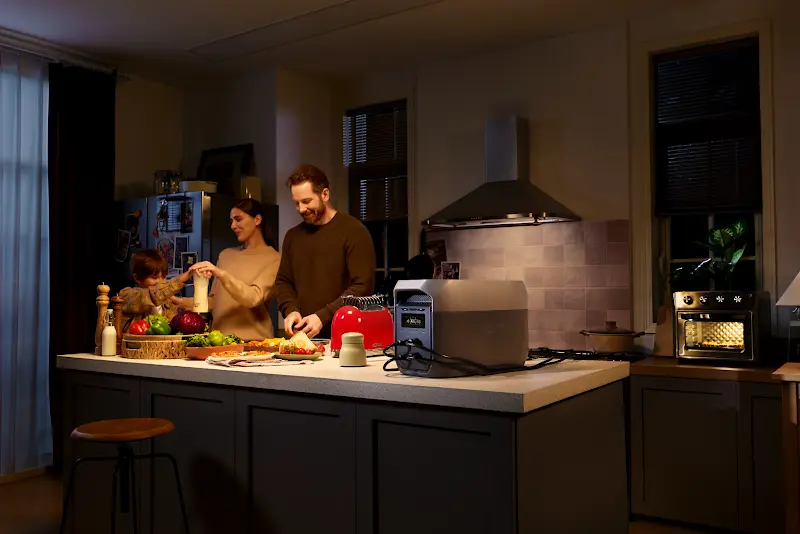
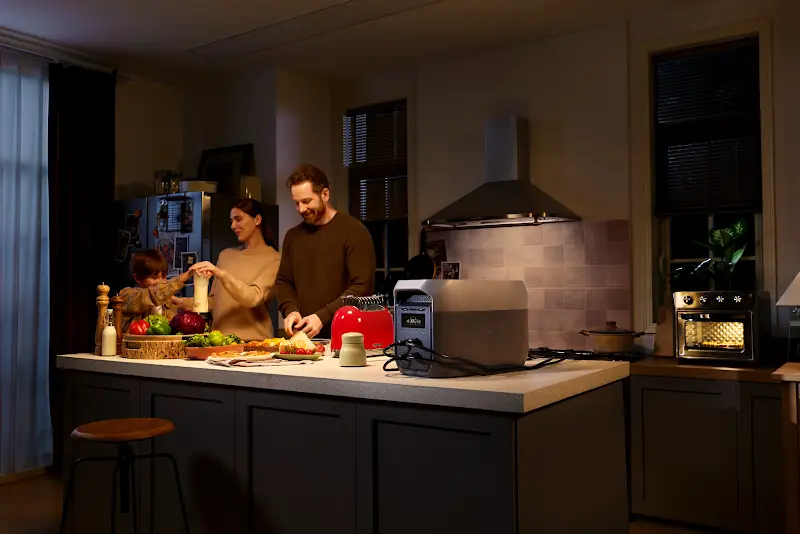
Gas generators have long been the traditional choice for homeowners, but they have severe limitations during a natural disaster. They require a steady supply of gasoline. Gasoline may be hard to find when local gas stations lack electricity. Also, they produce deadly carbon monoxide so they must not be operated indoors and need protection during heavy rain. Modern portable power stations, by contrast, use advanced battery technology, emit zero fumes and run in complete silence. These backup systems can be used right inside your living room or shelter area.
Whole-Home Emergency Backup
After a severe storm, a tornado will often leave behind widespread, long-term grid failure. This is especially critical in Dixie Alley, where a high percentage of tornadoes strike after dark, and often shrouded by heavy rain and hilly terrain. When a violent storm cuts the power in the middle of the night, the sudden darkness and loss of communication can cause immediate panic.
Flashlights and extension cords are insufficient to sustain a home during extended multi-day outages. You need an immediate, high-capacity power source that can operate safely right inside your home or shelter during the storm.
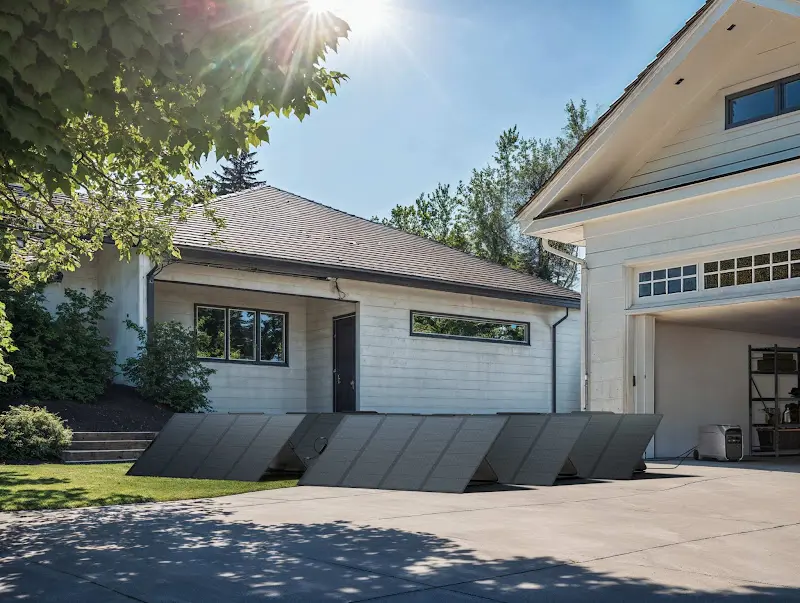
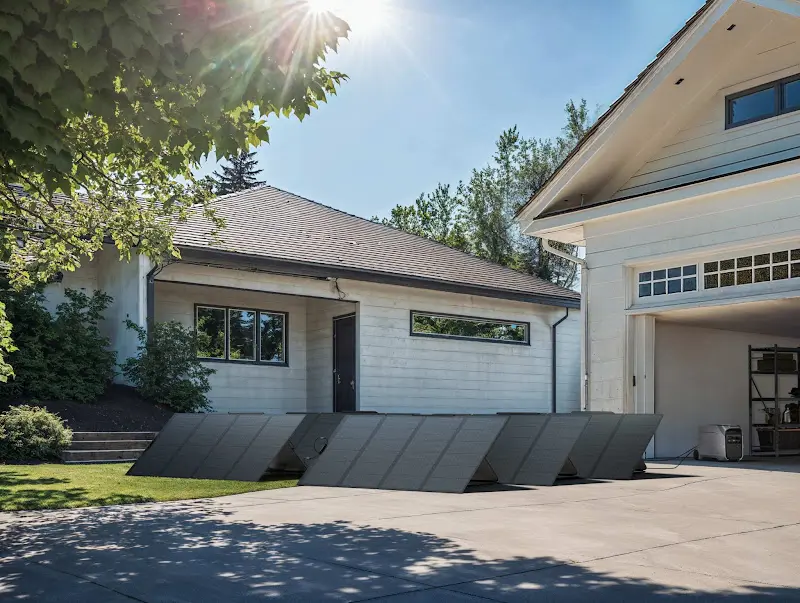
The EcoFlow DELTA Pro 3 + 400W Portable Solar Panel provides a high-capacity backup solution for whole-home outage scenarios. The system helps reduce reliance on fossil fuels when local gas stations are unavailable after a storm. During extended blackouts, this setup can support whole-house essential infrastructure, including refrigerators, HVAC systems, and multiple high-wattage appliances operating simultaneously, depending on specific needs.
Essential Devices Backup
For many American households, practical tornado preparations don’t necessarily require a complex, fully integrated off-grid backup setup. Instead, households can focus on a system that will power immediate priority devices. These include keeping communication channels running, maintaining basic lighting at night, and powering small appliances for basic family comfort.
The EcoFlow DELTA 3 Max (2048Wh) + 400W Solar Panel provides a more portable, essential-device-focused energy solution. If a power outage occurs in the middle of the night, homeowners may prefer not to go outdoors during severe weather conditions. Instead, they can safely stay indoors and use the DELTA 3 Max. This system is designed for lightweight emergency power needs, such as emergency lighting, smartphones, Wi-Fi routers, and selected low-power medical devices depending on load requirements. Once the storm passes, the solar panel can be set up to recharge the battery during the day. This provides clean, quiet backup power without the toxic fumes or maintenance of a traditional generator.
Conclusion
Tornado season is an unavoidable reality for millions of Americans. While we cannot control the path of a devastating storm or prevent grid failure, how we safeguard our homes is entirely within our hands. Prepare yourself by understanding regional storm patterns, and establishing a practical family safety plan. Reliable backup power can also play an important role in tornado preparedness. Solutions such as the EcoFlow DELTA series can help households maintain access to essential electricity during extended outages. When you do this, you can confidently protect your loved ones and maintain control over your home’s power, comfort, and security through any weather.
FAQ
When Is Tornado Season in My State?
Tornado season generally peaks from March to May in the Southern states, and from May to July in the Central Plains and Midwestern regions. However, storms can occur in any month, and coastal states often experience a secondary surge during late summer and autumn due to tropical storm and hurricane activity spinning off inland tornadoes.
Can Tornadoes Happen at Night?
Yes, tornadoes can absolutely happen at night, and overnight tornadoes are generally considered more dangerous because reduced visibility and people being asleep may delay protective actions. Because you cannot visually track a nighttime tornado, it is highly recommended to have an audible, battery-powered NOAA Weather Radio or smartphone alert active in your bedroom to wake you up immediately if a warning is issued.
How Long Do Power Outages Usually Last After Tornadoes?
Power outages caused by tornadoes typically last anywhere from a few days to several consecutive weeks. Because these violent storms flatten localized substations and snap utility lines, grid restoration requires a complete physical rebuild of the local infrastructure rather than minor wiring patches or simple fuse resets.
Is a Generator or Battery Backup Better for Tornado Preparedness?
A battery backup system offers several advantages for tornado preparedness, including safe indoor operation, quiet performance, and reduced dependence on fuel availability after storms. Unlike gas generators that require outdoor placement and may depend on fuel availability after severe weather events, portable solar power stations can be recharged using solar panels installed on your property.
What Is the Safest Room in a House During a Tornado?
The safest room in a house during a tornado is a subterranean basement or a professionally engineered, reinforced storm safe room. If your home lacks a basement, the safest alternative is a small, windowless interior room on the lowest floor—such as a central bathroom, closet, or hallway—to put as many structural walls as possible between you and the high-speed outdoor winds.
For press requests or interview opportunities, reach out to our media team
media.na@ecoflow.com