Tornado Watch Vs. Warning: What’s the Difference and What to Do
If you live in the Midwest’s Tornado Alley or the Southeast’s Dixie Alley, the sound of a weather alert is part of life. But when the sky turns that unsettling shade of green, and storms begin to build, understanding the difference between a Tornado Watch and a Tornado Warning becomes critical. One signals the need to prepare, while the other demands immediate action. This guide clearly explains how these alerts differ, what each one means for your household, and the practical steps you should take to stay safe when severe weather threatens.
Understanding Tornado Alerts
Before getting into the details, it helps to know how the National Weather Service (NWS) communicates risk. Their terminology is deliberate and tiered. These alerts aren’t casual advisories; they’re designed to tell you exactly how serious the situation is and how quickly you need to respond.
What Is a Tornado Watch?
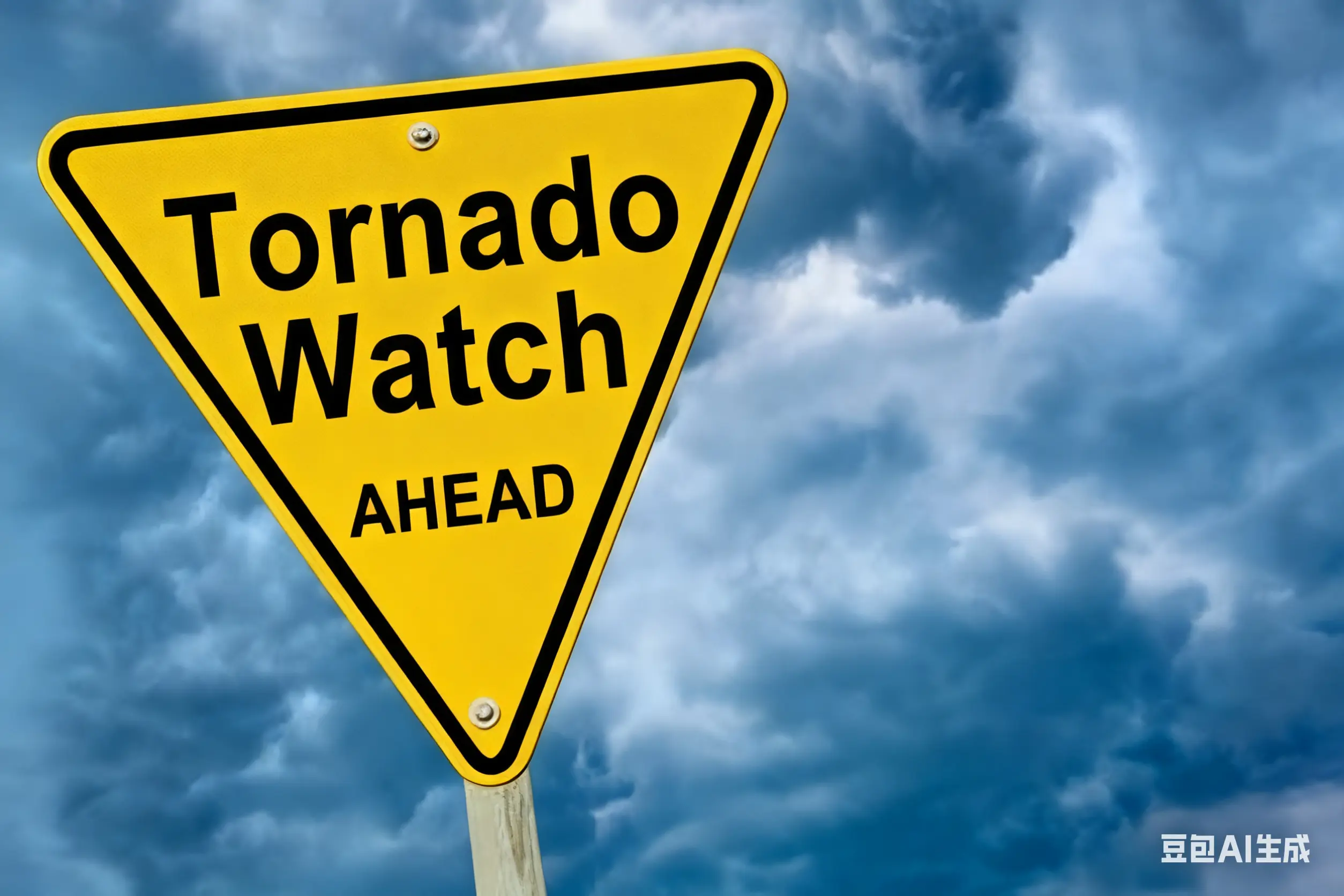
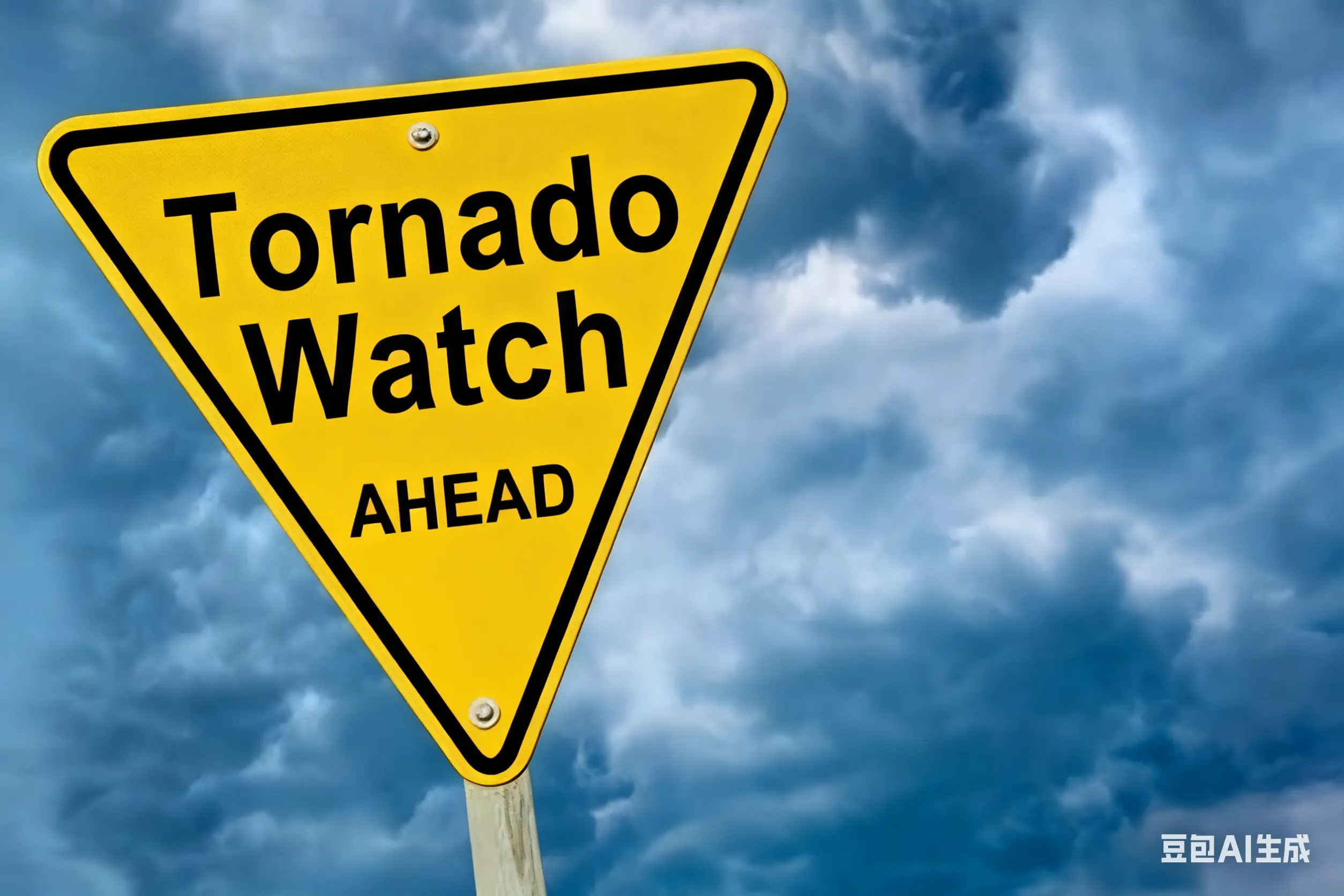
A Tornado Watch means conditions are right for tornadoes to form. It usually covers a wide area, sometimes spanning multiple counties or even states, and can remain in effect for several hours. Nothing may be happening yet, but the atmosphere is primed. Think of it as the setup phase: the ingredients are ready, and you should be paying attention.
What Is a Tornado Warning?
A Tornado Warning is a major escalation. It means a tornado has been spotted or detected by radar and poses an immediate threat to people and property. When a warning is issued, the danger is real and unfolding. This is the moment to stop monitoring and start acting, take shelter right away.
Key Differences Between a Tornado Watch and a Warning
Understanding the distinction between a Watch and a Warning helps you stay calm, prioritize correctly, and act at the right moment. While they sound similar, they signal very different levels of risk.
| Alert Type | What It Means | What To Do |
|---|---|---|
| Tornado Watch | Conditions are favorable | Stay alert & prepare |
| Tornado Warning | Tornado detected | Take shelter immediately |
Timing and Urgency
A watch gives you lead time, often 4 to 8 hours, to review your safety plan and stay weather aware. A warning means the threat is immediate, typically with only 15 to 45 minutes (or less) before impact. Action should be instant.
Risk Level and Preparedness
A Tornado Watch signals the possibility. Think of it as a yellow light, stay alert, monitor updates, and be ready to act. A Tornado Warning signals the occurrence. This is a red light. Move to your safe location immediately and take cover.
Geographic Coverage
Watches cover large areas, sometimes spanning multiple states, to alert the public that conditions are right. Warnings are much more precise, using radar-based polygons that show the exact path of danger.
How Alerts Are Communicated
Both alerts are shared through local media and NOAA Weather Radio, but outdoor warning sirens are usually activated only during a Tornado Warning. Smartphone Wireless Emergency Alerts (WEA) also trigger loud, unavoidable notifications when a warning is issued.
How to Respond to a Tornado Watch
When a Tornado Watch is issued, it’s time to move from normal routines into readiness mode. This is your advance notice to prepare, not to panic. Use this window to make sure your home and family are ready in case conditions worsen or power goes out.
Stay informed and get ready
Follow updates from reliable sources such as local TV stations or weather apps like The Weather Channel. At the same time, check your emergency kit and confirm you have enough water, non-perishable food, medications, and basic first aid supplies.
Severe storms in the U.S. frequently knock out power with little warning. During a watch, it’s smart to make sure backup power is ready. The EcoFlow DELTA 3 Ultra Series Portable Power Station includes a Storm Guard mode that tracks National Weather Service alerts and automatically tops up the battery using fast charging before the storm arrives. With enough capacity to keep a refrigerator, medical equipment, and your Wi-Fi router running, it helps your household stay functional and connected if the grid goes down. A Tornado Watch is your opportunity to prepare calmly. Taking these steps early puts you in a much safer position if a warning is issued later.
Plan Safe Locations & Secure Property
Pick a safe room now
Decide in advance where everyone will go if conditions worsen. A basement or storm cellar is best. If those aren’t available, choose a small interior room or closet on the lowest floor, away from windows.
Secure anything outside
Patio furniture, trash cans, grills, and trampolines can become dangerous in strong winds. Move them into the garage or anchor them so they can’t be lifted or thrown.
Check in with others
Send a quick text to family members or roommates so everyone knows a watch is in effect and understands the plan if it turns into a warning.
How to Respond to a Tornado Warning
When a Tornado Warning is issued, there’s no time left to prepare. You need to act immediately. First, check if you’re at risk by understanding the specific alerts issued for your area.
Immediate Shelter & Personal Safety
Get to the shelter right away
Stop what you’re doing and move to your pre-selected safe place. This should be a basement, storm cellar, or a small interior room on the lowest floor. If you’re in a mobile home, leave immediately and go to a solid nearby building or designated shelter.
Protect yourself
Get as low as possible if you can, lie flat, and cover your head and neck with your arms. Use anything sturdy for extra protection; thick blankets, a mattress, or even a bicycle helmet can help protect you from flying debris, which causes most tornado injuries.
Stay away from windows
Strong winds can shatter glass instantly. Keep clear of windows, doors, and exterior walls until the danger has passed.


In a basement or small storm shelter, having a compact backup power source can make a real difference. A unit like the EcoFlow RIVER 3 Plus Portable Power Station is easy to grab on the way to your safe room and small enough to sit beside you, quietly keeping phones charged, lights on, and medical devices such as CPAP machines running if the power goes out. Even during a prolonged outage, it helps you stay connected and aware of what’s happening outside.
Common Myths and Misconceptions
Tornado myths have a way of sticking around in the U.S., especially in regions where severe weather is part of everyday life. Unfortunately, believing the wrong thing during a fast-moving storm can cost you valuable time. Here are a few misconceptions that still cause trouble during tornado season.
1. Myth: “All Tornadoes Come with Warnings.”
In reality, not every tornado arrives with advance notice. While the National Weather Service uses advanced radar to track rotation, some tornadoes, especially fast-forming ones, can touch down with little or no warning. If conditions suddenly worsen or debris is moving nearby, don’t wait for a siren to tell you what your eyes and instincts already know.
2. Myth: “A Tornado Watch isn’t a big deal.”
It’s common for people to brush off a Tornado Watch and carry on with their day, but that’s a risky mistake. A Watch is your early heads up that conditions are lining up for severe weather. This is the moment to check your plan, park vehicles under cover, charge your phone, and make sure everyone knows where to go if things escalate. Storms can intensify quickly, and waiting until a Warning is issued often leaves you scrambling when every second counts.
3. Myth: “Tornadoes only happen in Tornado Alley.”
While Tornado Alley, traditionally Oklahoma, Kansas, and Texas, gets most of the attention, tornado risk is no longer confined to the central Plains. The Southeast’s “Dixie Alley” has seen more frequent and intense storms in recent years, and damaging tornadoes have also impacted the Midwest, Northeast, and coastal regions. In fact, tornadoes have been documented in all 50 states. No matter where you live in the U.S., having a severe weather plan in place is essential, not optional.
4. Myth: “You’ll be able to see a tornado coming.”
Many tornadoes are hidden by rain, darkness, or heavy cloud cover. In parts of the Midwest and South, rain-wrapped tornadoes are common and nearly invisible until they’re dangerously close. At night, the only warning may be a deep, continuous roar or sudden power flashes. When that happens, looking outside is the last thing you should do.
FAQ
1. How Do Tornadoes Form?
Tornadoes form when powerful atmospheric forces collide. In the United States, this most often happens when warm, humid air flowing north from the Gulf of Mexico runs into colder, drier air dropping south from Canada or the Rocky Mountains. This clash creates instability and strong wind shear, meaning winds change speed and direction as you go higher in the atmosphere. That shear causes the air to start rolling horizontally. When a strong thunderstorm updraft lifts and tilts that rotation upright, a supercell can develop, and under the right conditions, a tornado can form beneath it.
2. When Is Tornado Season?
Tornadoes can technically happen any time of year, but the main season in the U.S. runs from March through June, when temperature contrasts are strongest. There’s also a well-known secondary season in late fall, especially November, across the southern states. Timing varies by region: the Gulf Coast often sees activity as early as February or March, while states in the Northern Plains and Upper Midwest tend to peak later, usually in June or July.
3. What Are Two Signs That a Tornado Is Coming?
Beyond official alerts, there are natural warning signs many longtime residents recognize. One is a dark, greenish tint to the sky, caused by sunlight filtering through heavy rain and hail inside a powerful storm. Another is the sound, often described as a “freight train.” Unlike thunder, it’s a steady roar or high-pitched howl that grows louder. If the air suddenly goes calm and that sound follows, shelter should be taken immediately.
4. What's the Warning Time for a Tornado?
According to NOAA, the average tornado warning lead time is about 13 to 15 minutes. While that’s a big improvement from decades ago, it’s still a very small window. Some fast-developing storms, especially in the Southeast, may offer only a few minutes of notice. That’s why having shoes, flashlights, a power bank, and other basic supplies already in your safe area matters. Once a warning is issued, there’s rarely time to gather anything.
5. Why Is It Calm Before a Tornado?
The calm before a tornado isn’t a myth; it’s a real atmospheric effect. As a tornadic storm approaches, the supercell pulls air inward like a giant vacuum. This inflow can briefly cancel out surface winds, creating an unsettling stillness. Barometric pressure may drop, the air can feel heavy, and the silence often ends abruptly when violent winds arrive. That sudden calm is a serious red flag, not a moment of relief.
For press requests or interview opportunities, reach out to our media team
media.na@ecoflow.com