How a Smart Electrical Panel Integrates Renewables and Storage for Total Home Control
- What is a Smart Electrical Panel?
- How Do Smart Home Control Panels Integrate Renewable Energy?
- How Smart Panels Optimize Solar Power Usage
- How Smart Panels for Home Switch Between Solar, Storage, and Grid Power
- How Smart Electrical Panel for Home Systems Enhance Energy Autonomy
- How Smart Home Panel Systems Help Reduce Your Carbon Footprint
- Boost Your Home's Energy Efficiency Today
- FAQ
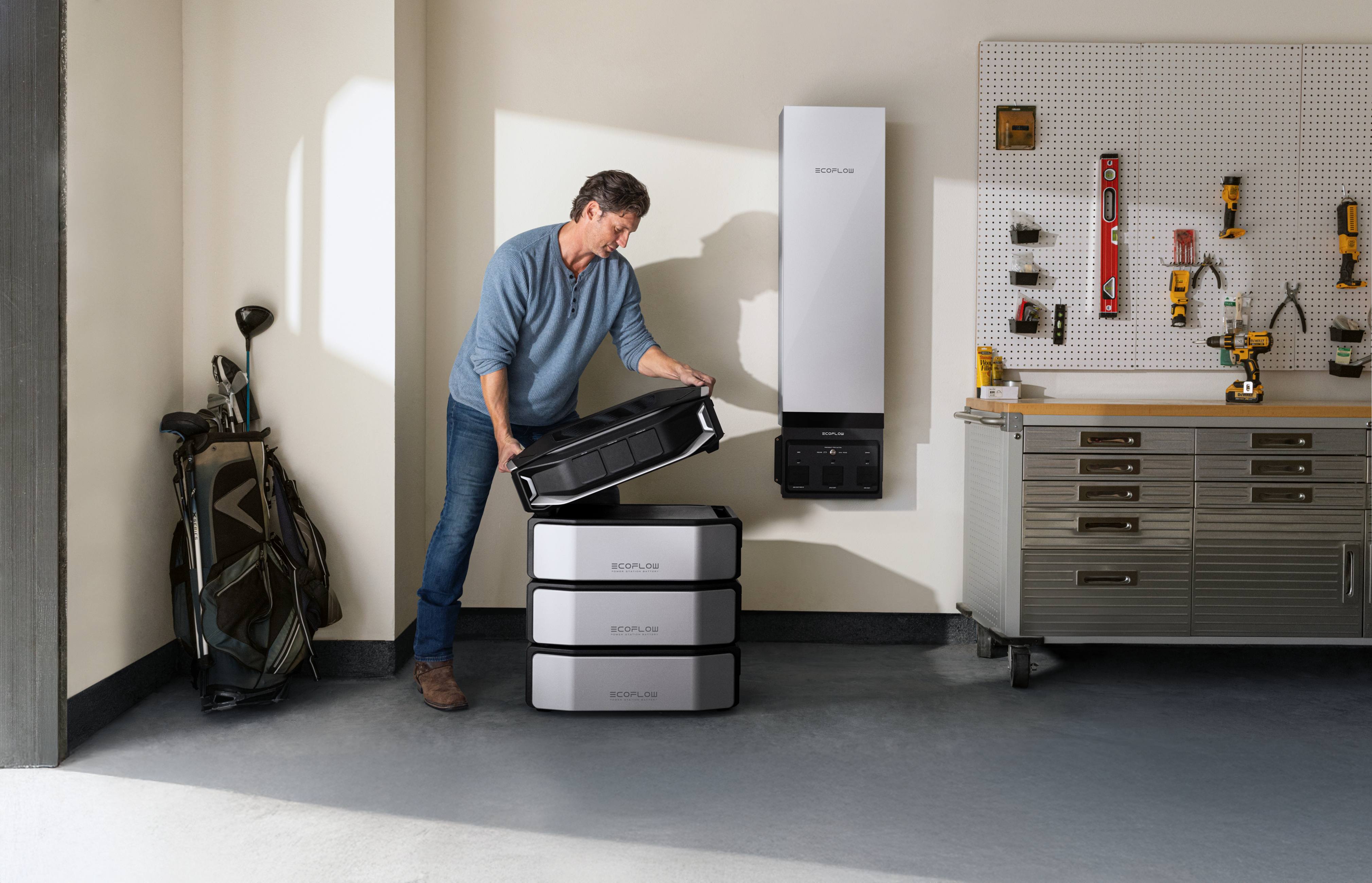
A smart electrical panel acts as the central nervous system of a modern, energy-efficient home, seamlessly bridging the gap between renewable energy sources, battery storage, and the traditional utility grid. Unlike standard breakers that simply distribute electricity, these intelligent systems actively manage energy flow based on real-time data. They prioritize using clean solar power as it is generated, divert excess energy to home batteries for later use, and automatically switch to stored power during peak-rate hours or outages. This integration ensures that your home always runs on the most cost-effective and reliable power source available, maximizing the value of your renewable investments while securing your energy independence.
What is a Smart Electrical Panel?
Home energy infrastructure has long needed an upgrade. For decades, the standard grey metal breaker box found in basements and garages has remained virtually unchanged. Its primary function is passive safety: cutting power if a circuit overloads. While functional, it leaves homeowners blind to their actual energy usage. A smart electrical panel modernizes this infrastructure by replacing traditional mechanical breakers with digital, internet-connected technology.
This upgrade transforms your home's electrical system from a static infrastructure into a dynamic management tool. Through a user-friendly app, you gain real-time visibility into every watt of electricity flowing through your home. You can see exactly which circuits are consuming the most power and identify "vampire loads"—standby power drawn by appliances even when not in active use. This level of granular control is the foundational step required to integrate complex renewable energy systems. Without a smart interface, your solar panels and batteries operate in isolation; with a smart electrical panel, they finally have a conductor.
How Do Smart Home Control Panels Integrate Renewable Energy?
Once you have this digital conductor installed, the next step is getting the "orchestra" to play together. Integrating renewable resources like solar or wind into a residential grid is a complex balancing act because the sun does not always shine when you need to run the dishwasher. A smart home control panel solves this intermittency problem.
Real-Time Energy Routing: The panel maintains constant communication with your solar inverter. As soon as your panels generate power, the smart system directs that electricity to immediate home loads—such as your HVAC system or refrigerator.
Intelligent Surplus Management: In a standard setup, excess solar power is often sent back to the grid. A smart home control panel detects when generation exceeds consumption and automatically diverts that surplus to charge your home battery or electric vehicle, ensuring you capture 100% of the energy you produce.
Grid Assistance: If your home's demand spikes beyond what your solar panels can provide, the smart panel instantly draws the precise difference needed from the grid or battery.
How Smart Panels Optimize Solar Power Usage
Simply connecting these systems is one thing; optimizing them to save money is another. One of the biggest frustrations for solar owners is the mismatch between peak production (midday) and peak consumption (evening). A smart panel for home use corrects this imbalance by enforcing a "self-consumption first" strategy.
The table below outlines how a smart system changes the economics of solar ownership:
| Feature | Traditional Electrical Panel | Smart Electrical Panel |
| Energy Prioritization | Passive; uses solar only if demand exists instantly. | Active; schedules heavy loads (like EV charging) when solar production is high. |
| Excess Power Handling | Automatically exports surplus to the grid. | Directs surplus to storage systems first, keeping value within the home. |
| Visibility | Zero visibility; wait for the monthly bill. | Live monitoring shows exactly how much of your home is solar-powered. |
| Grid Reliance | High; dependent on the grid when the sun sets. | Low; optimizes stored energy to minimize grid purchases. |
How Smart Panels for Home Switch Between Solar, Storage, and Grid Power
Saving money is crucial, but what happens when the grid fails? The true capability of a smart panel for home installation lies in its ability to switch power sources instantaneously to protect your family.
The Mechanics of Automatic Switching
Smart panels utilize advanced solid-state technology or motorized breakers to manage input sources. When the panel detects a grid failure or a scheduled price spike, it disconnects the grid main and engages the battery feed. This transfer happens in milliseconds—with virtually no interruption to your home's power supply.
Why Powerful Storage is Essential
To fully leverage these switching capabilities, the smart panel needs a reliable partner. It can signal a switch, but it needs a battery with the muscle to back it up.
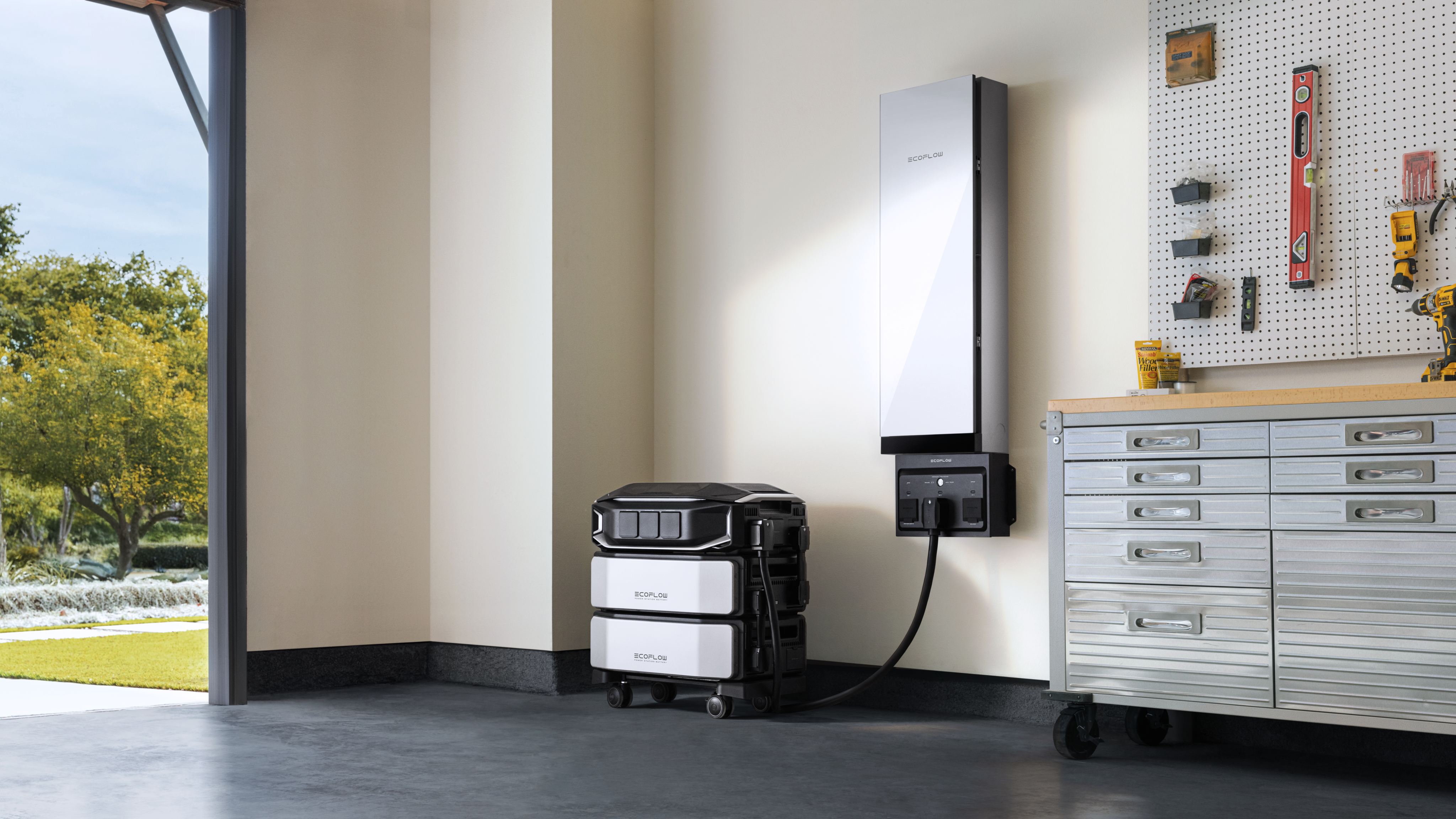
This is where the EcoFlow DELTA Pro Ultra X becomes the essential component. It provides the heavy-lifting power necessary to run central air conditioners, electric dryers, and other high-demand appliances that smaller batteries often fail to support. With a massive base output of 12kW (scalable to 36kW), it ensures your life continues uninterrupted during an outage. By pairing this robust storage with a smart panel, you gain the freedom to store cheap solar energy during the day and deploy it when grid rates skyrocket, ensuring both security and savings.
How Smart Electrical Panel for Home Systems Enhance Energy Autonomy
With the hardware (Smart Panel + DELTA Pro Ultra X) in place, the result is a new level of freedom. A smart electrical panel for home usage empowers you to reduce dependence on the utility company significantly.
Strategic Circuit Load Shedding: In an emergency, a smart panel allows you to pre-configure "Essential" and "Non-Essential" circuits. When the grid goes down, the panel automatically cuts power to the pool pump while keeping the fridge and medical devices running. This intelligent shedding extends your battery backup time significantly.
Beating Time-of-Use Rates: Many utilities charge higher rates during peak evening hours. A smart panel can automatically switch your home to battery power during this expensive window, then reconnect to the grid overnight when rates are lowest to recharge.
Testing Your Independence: A smart system allows you to simulate off-grid scenarios with a simple tap on your app, giving you the confidence that your system is ready for the next big storm.
How Smart Home Panel Systems Help Reduce Your Carbon Footprint
Ultimately, this journey toward energy independence also leaves a positive mark on the world. The environmental impact of installing a smart home panel is profound.
Maximizing Every Photon
When you use a smart panel to consume energy on-site—either immediately or via battery storage—you are utilizing 100% renewable energy with minimal transmission loss. This "generation at the source" model is the most efficient way to power a building.
Reducing Reliance on "Peaker" Plants
The dirtiest energy on the grid comes from fossil-fuel "peaker plants" that fire up only when demand is high. By using a smart home panel (like the EcoFlow Smart Home Panel 3) to shift your energy usage away from these peak times, you directly reduce the need for these polluting plants. Your home becomes part of the solution, stabilizing the local grid and reducing the carbon intensity of your community.
Boost Your Home's Energy Efficiency Today
Integrating a smart electrical panel with renewable energy sources is one of the most effective upgrades for modernizing your home's power system. It transforms passive energy consumption into active, intelligent management. With advanced solutions like EcoFlow, you gain the security of reliable backup power, the financial benefit of optimized usage, and the satisfaction of living sustainably. Take the next step toward energy freedom and secure your home against the unpredictable.
FAQ
Q1: Is a smart electrical panel compatible with older homes?
Yes, smart electrical panels can be used in most older homes because they are made to replace or work with current wiring. But because older homes may have old wiring or lower amperage service (like 100 amps), you may need to upgrade to fully use current features. A qualified electrician can look at how things are set up now and tell you if your home is ready to switch to a smart system without any problems.
Q2: Are smart electrical panels worth the investment for homeowners?
Most homeowners find the value goes far beyond just the hardware. Being able to see real-time energy use helps find wasted energy, which could lower monthly bills. The "peace of mind" value is also very important. Automatic backup switching during storms and protection against rising energy rates offer safety that regular panels can't match.
Q3: Can I install a smart panel with existing solar panels?
Yes. One of the best things you can add to a current solar system is a smart panel. It connects your solar panels to your home's electricity grid and lets you see how your energy is being used, which is information that most inverters miss. It makes it easier to add battery storage like the DELTA Pro Ultra X after the fact, turning a simple solar setup that is connected to the power grid into a strong, self-sufficient energy system.
Q4: Does a smart panel provide power during a grid outage?
Not on its own—the panel is not a power source; it is only a way to control and distribute power. During a blackout, the smart panel needs to be hooked up to a backup power source, like a home battery or generator. It is the job of the panel to immediately notice the power loss and switch your home's circuits to use the backup source of power.
Q5: What is the difference between a smart meter and smart panel?
These are two different tools. A smart meter is owned by the utility company and is put on the outside of your house only to track how much electricity you use so they can bill you. You usually can't change it. You own a smart electrical panel, which takes the place of your indoor breaker box and gives you direct control over each circuit and power source.
For press requests or interview opportunities, reach out to our media team
media.na@ecoflow.com