California PSPS 2026: How to Prepare for Utility-Initiated Power Shutoffs This Wildfire Season
- What Is a Public Safety Power Shutoff (PSPS) and Why It Matters
- How Do PSPS Events Impact Communities and Critical Services?
- How to Prepare for PSPS: Practical Steps for Homes, Schools, and Facilities
- Why Modern Backup and Energy Management Matters
- Frequently Asked Questions
- Stay Safe, Keep Operations Running, Strengthen Community Resilience
Wildfires are an increasing risk in California. And with them come planned power outages known as Public Safety Power Shutoffs, or PSPS.
As frustrating as these shutoffs can be, they are necessary to protect power infrastructure. Here’s how you can best prepare and build your energy resilience to get through the wildfire season.
What Is a Public Safety Power Shutoff (PSPS) and Why It Matters
PSPS stands for Public Safety Power Shutoff. It's a preventative measure California utilities use during periods of elevated wildfire risk. To protect the infrastructure, they shut down portions of the grid that are under threat from wildfires and bring them back online once the threat has passed.
The big difference between a PSPS and a traditional outage caused by a storm or a wildfire is that a PSPS is intentional. You’ll be notified by utilities before it happens so you can prepare.
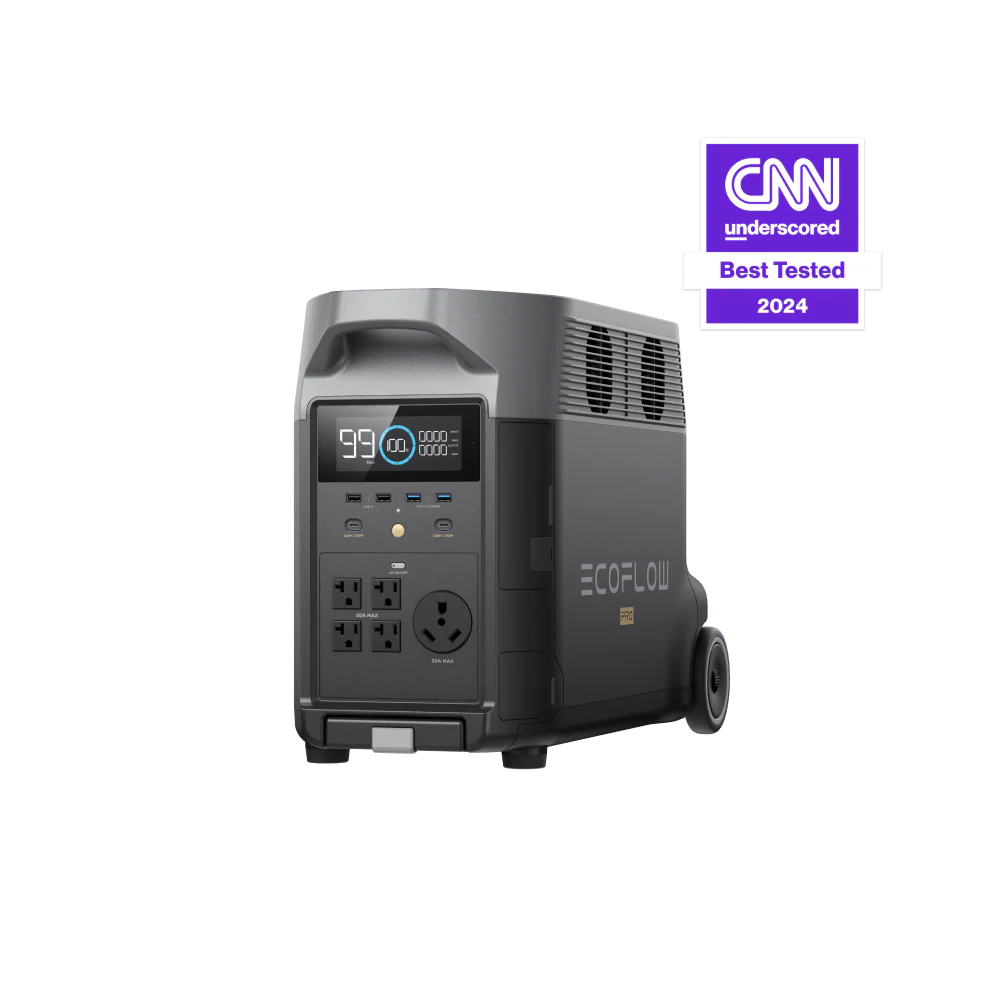
Ultimately, it's preparation that makes the difference between a nuisance and a catastrophe. When you're facing a planned power shutdown, an EcoFlow DELTA Pro Portable Power Station can provide backup power for communications equipment, medical devices, lighting, and other essential electronics.
How Do PSPS Events Impact Communities and Critical Services?
The effects of a PSPS go far beyond just turning out the lights. When the utility shuts down portions of the grid, entire communities can lose access to:
Home heating and cooling systems
Internet and communications equipment
Refrigeration
Medical devices
Water pumping systems
Electric vehicle charging
Traffic signals
It's hard to overstate how much of our daily routine relies on available electricity. That means even a short outage can disrupt your life. And for businesses, schools, healthcare providers, and other public facilities, the consequences can be even more serious.
People who live in high-risk wildfire zones can experience multiple PSPS events over the summer. For example, wildfires and blackouts in Edison are a regular occurrence. That makes resilience planning an important priority for both public and private organizations, as well as individual families.
How to Prepare for PSPS: Practical Steps for Homes, Schools, and Facilities
Because a PSPS is a planned outage, you can set yourself up to get through it as comfortably as possible. Here's what you should do:
Sign Up for Utility Alerts
Most utilities will provide notification through text messages, email alerts, mobile apps, or automated phone calls. Sign up for alerts so that you always know what's happening.
Charge Devices and Batteries
Before the shutoff begins, you can charge:
Phones
Tablets
Laptops
Power banks
Medical equipment
Protect Temperature Sensitive Supplies
Businesses, especially healthcare facilities, should identify critical refrigeration needs. For example, you may need to store certain items at cold temperatures even when the power is off. This is when a backup battery system or whole home generator becomes essential.
Maintain Emergency Supplies
At a minimum, make sure you have:
Drinking water
Shelf stable food
Flashlights
Batteries
First-aid supplies
Portable radios
Having a wildfire emergency power plan is never a bad idea, and it is becoming part of living in California.
Remember, power restoration doesn’t always happen immediately after weather conditions improve. You should be ready to last a little longer than the power company advises, just in case.
Why Modern Backup and Energy Management Matters
Wildfires, and with them PSPS events, are becoming more common. While temporary preparedness measures can help get you through the occasional crisis, a long-term resilience strategy is the best way to keep you safe in any situation.
Modern backup power solutions can reduce your dependence on the grid and increase your energy resilience, and that's never a bad thing.
The advantages are:
Portable Backup Power
A portable battery system can provide immediate power for essential devices during shutoffs. Something like the EcoFlow DELTA Pro Portable Power Station can support communications equipment, medical devices, laptops, and other critical electronics during a planned outage.
These batteries don't require external fuel, run almost silently, and work safely indoors. Plus, a portable system can go with you anywhere. It doesn't have to be saved for outages and emergencies. It can also go on camping trips and to outdoor events to keep you powered up and comfortable wherever you are.
Whole Home Preparedness
If you want broader protection, a whole home generator strategy can provide backup power and even let you generate your own electricity through solar panels.
This approach can be a lifesaver during multi-day shutoffs. The right whole-home backup system can maintain your refrigeration, climate control, and communications for days at a time, or even longer if you have enough renewable energy generation capacity.
Scalable Energy Storage
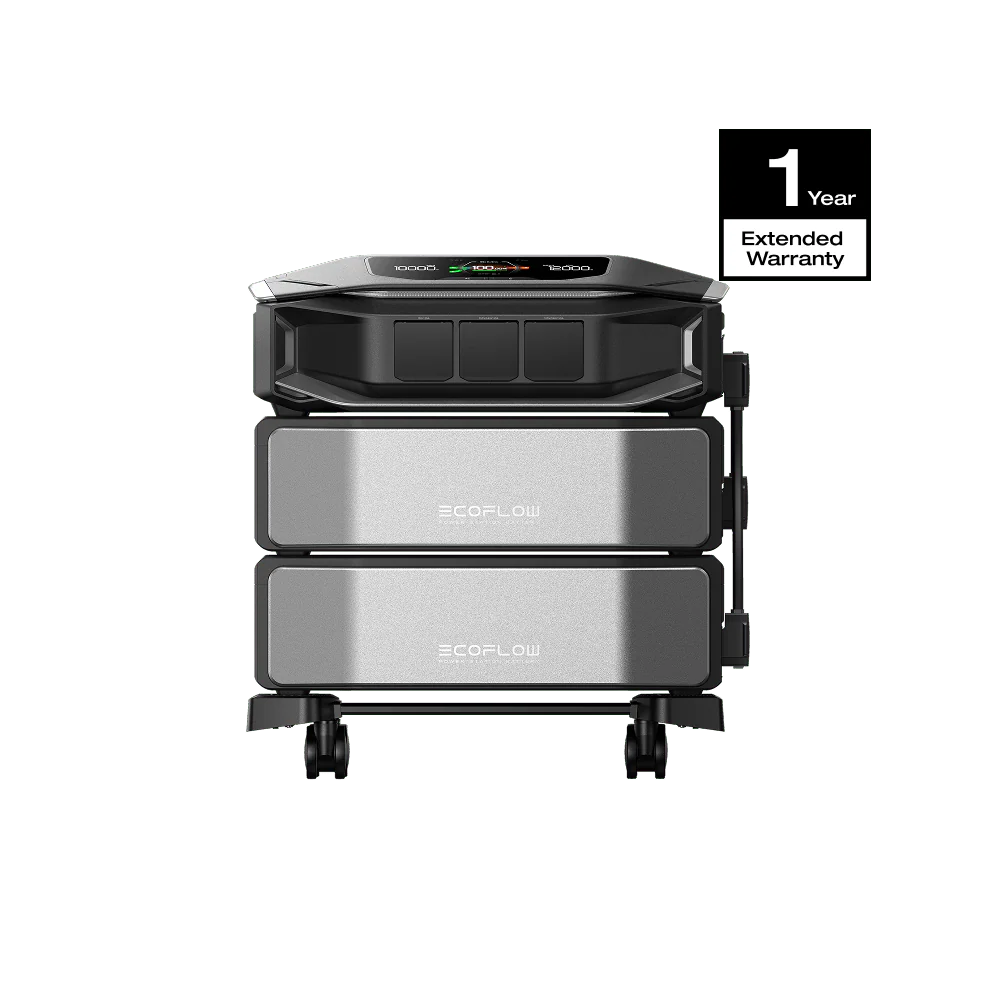
When choosing a backup power solution, it's wise to pick something scalable so that your system can grow with you. The EcoFlow DELTA Pro Ultra X supports a wide range of household loads and connects directly to solar panels, automatically managing energy use to keep your battery charged and ready. With enough capacity to power your home for days, it's a strong foundation for a long-term resilience strategy.
Frequently Asked Questions
What Should I Include in a PSPS Emergency Kit?
Ideally, a PSPS emergency kit should include water, nonperishable food, flashlights, batteries, first-aid supplies, backup charging devices, medications, copies of your important documents, and a battery-powered radio. If you have medical equipment, you should also consider additional backup resources to support that.
How Much Notice Will Utilities Typically Give Before a Shutoff?
Utilities will usually provide advance notice when the weather conditions indicate a possible PSPS event. Notifications can begin several days before shut-off. However, wildfires are inherently unpredictable, so you might not always get as much warning as you would like.
Can My Solar Panels Keep My Home Powered During a PSPS?
Usually, grid-connected solar systems automatically shut down during outages. This is to keep utility workers safe while they restore the power. If you want to run off solar power during a PSPS, you need compatible battery storage.
Stay Safe, Keep Operations Running, Strengthen Community Resilience
Public Safety Power Shutoffs are an important part of California's wildfire preparedness. But as necessary as they are, the shutdowns can cause problems for households, schools, and businesses. Being prepared is key to getting through a PSPS in comfort.
Whether you need a portable power station for short-term needs or a whole home generator for longer-term energy resilience, EcoFlow has a solution.
For press requests or interview opportunities, reach out to our media team
media.na@ecoflow.com