How to Prepare for a Winter Storm: Complete Safety & Emergency Guide
Prepare for a winter storm by planning. Get ready for cold weather, heavy snow, icy roads, and power cuts. Create an emergency kit before the storm. Include water, canned food, medicines, flashlights, and batteries. You also need blankets and first-aid supplies. Charge phones and backup power stations before the storm. Have warm clothing accessible, shield exposed pipes, and bring dogs in. Keep an eye on weather advisories and don't travel in bad weather. If you must drive, take an emergency kit and tell someone your route. When you leave home after the storm, watch for downed power lines, carbon monoxide risks, and hazardous ice.
What to Do Before a Winter Storm Arrives
The best time to prepare for a winter storm is before a warning is issued. CDC guidelines recommend making a plan and gathering supplies. You should also prepare your home and car.
Check forecasts and alerts: Watch local weather forecasts. Check for storm watches, warnings, and emergency updates
Create a household emergency plan: Decide how family members will communicate. Pick a place to meet if phone services fail
Refill prescriptions and supplies: Get your medications early. Stock up on extra food, water, and household supplies.
Charge emergency devices: Charge your phones and power banks. Make sure radios, flashlights, and power stations are ready.
Bring pets indoors: Move your pets inside before the weather becomes dangerous.
Fuel vehicles and heating sources: Fill up your vehicle's gas tank. Check your heating equipment to ensure it works safely.
Adjust travel plans: Avoid driving when severe winter weather arrives.
Check on family members or neighbors: Make plans to assist older adults or anyone who may need additional support.
Best Portable Power Stations for Winter Storm Preparation
Winter storms can disrupt power for lights, refrigeration, the internet, and communications. It is a generator of electricity based on batteries. The real runtime depends on the wattage of the device, the time it runs, and how much battery is available.
EcoFlow DELTA 3 Plus — Best for Essential Winter Backup Power
The EcoFlow DELTA 3 Plus is great for winter backup. It can charge phones, power lights, keep routers on, and support other compatible devices during short outages. EcoFlow offers the DELTA 3 Plus with a 1024Wh capacity. It features an 1800W AC output and a 3600W surge output. You can also expand its capacity to 5kWh with compatible batteries.
EcoFlow DELTA Pro Portable Power Station — Best for Extended Home Backup
For longer outages and higher household loads, the EcoFlow DELTA Pro Portable Power Station provides substantially more stored energy. EcoFlow lists a starting capacity of 3.6kWh, expandable up to 25kWh, with 3600W AC output on a single unit.
Build a Winter Storm Emergency Kit
Stock up on enough goods to stay home safely for many days. It also highlights the importance of medications, pets, and household-specific needs in FEMA-style disaster planning.
Category | What to Prepare |
Food & Water | Non-perishable food and adequate drinking water |
Lighting | Flashlights, lanterns, spare batteries |
Communication | Battery/hand-crank radio, phone chargers |
Medical | First-aid kit, prescriptions, essential medical supplies |
Warmth | Blankets, sleeping bags, warm layered clothing |
Safety | Fire extinguishers, smoke and CO detectors |
Personal Needs | Hygiene products, baby supplies, pet supplies |
Documents | IDs, insurance details, and important contacts |
The CDC also recommends getting ready for power outages. Buy emergency lighting, backup power sources, weather radios, and batteries. You should also stock up on warm clothing and blankets. Finally, make sure you have got battery-operated carbon monoxide detectors.
Prepare Your Home for a Winter Storm
Get your home ready for a winter storm. This means you should protect its structure and key systems before bad weather hits. Insulate water lines, walls, and attic spaces as needed. Also, use caulk or weatherstripping around doors and windows to cut down on drafts. For more tips on getting your home ready for winter, check out how to winterize your home for safety. Then, look at your roof for leaks or branches that might cause damage.
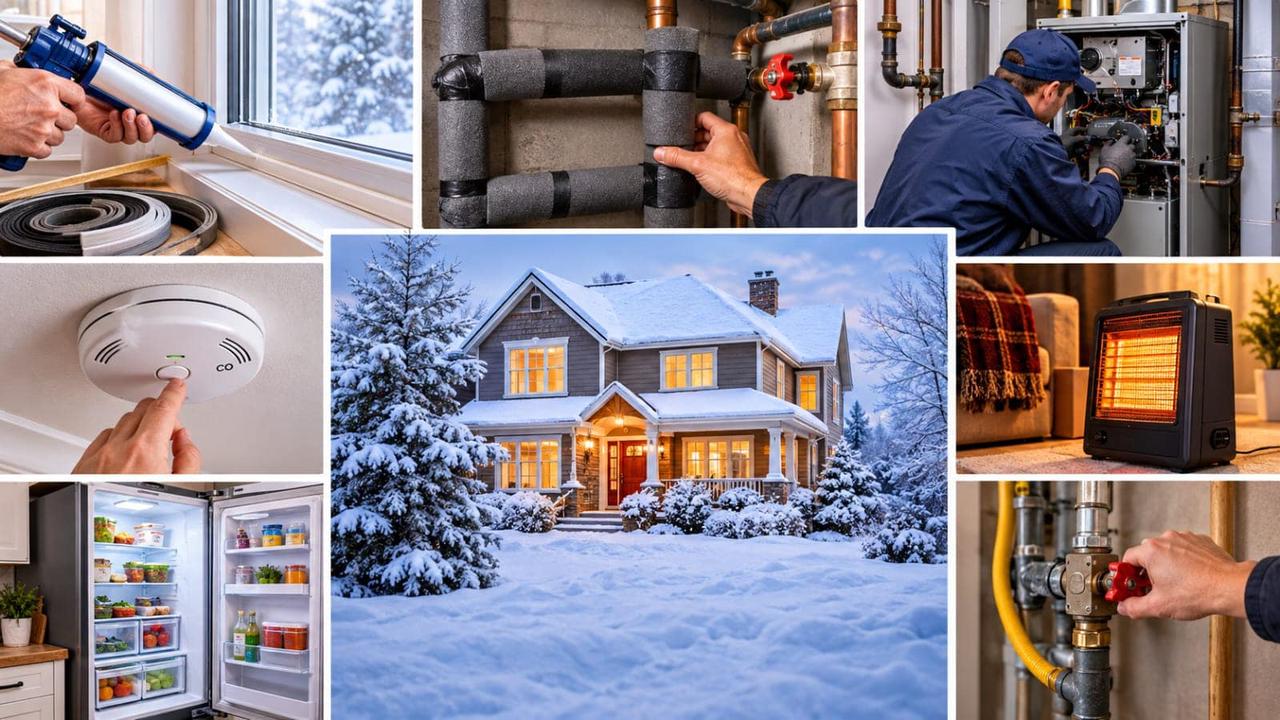

Protect pipes from freezing and service your heating system before winter. If you use a fireplace or wood stove, have the chimney inspected. You should also regularly test smoke alarms and carbon monoxide detectors. You can find more tips in pre-winter home energy efficiency guide. Also, make sure to choose a safe backup heating method before an outage.
Prepare Your Car for Winter Storm Conditions
Preparing your car before a winter storm helps you handle unexpected delays. It also gets you ready for icy roads and roadside issues. Check your vehicle's major systems before the storm hits. Keep the gas tank full. Pack emergency items to stay warm and visible. These items will help you communicate and stay safe if you get stranded. Do not travel unless absolutely required during hazardous winter weather.
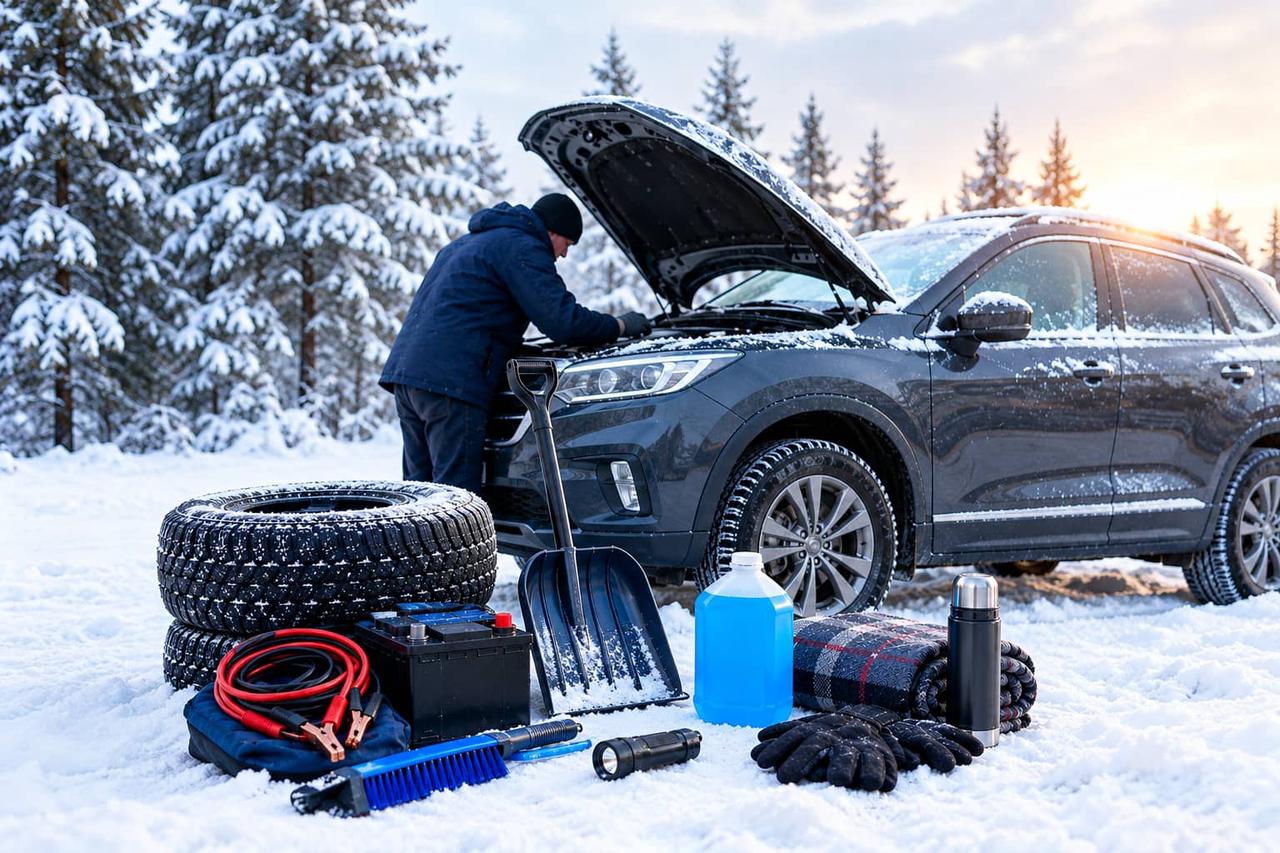
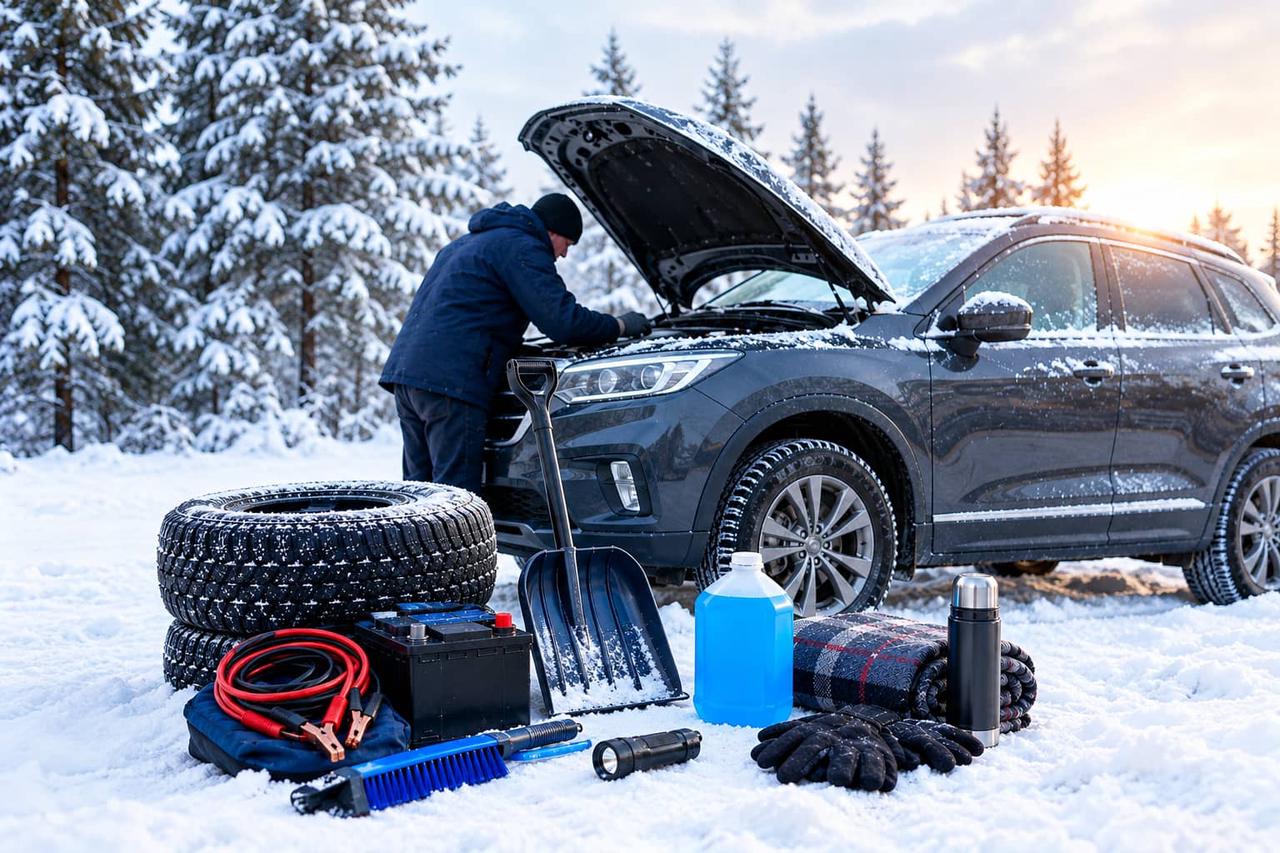
Check the vehicle: Inspect the battery, tires, and brakes before the storm. Also, check the wipers and fluid levels.
Keep enough fuel: Fill up the fuel tank. This ensures you have enough fuel if your travel faces delays.
Carry jumper cables: Keep jumper cables in your car. They will help if your battery loses power.
Pack winter tools: Carry an ice scraper and shovel for clearing snow and ice around the vehicle.
Bring warm supplies: Pack blankets, extra warm clothing, and other cold-weather essentials.
Carry food and water: Keep drinking water and non-perishable food available in case you are stranded.
Prepare for slippery conditions: Add traction material or use appropriate tire equipment for snow and ice.
Keep emergency essentials: Store a flashlight, first-aid kit, and phone charger in the vehicle.
What to Do During a Winter Storm
During a winter storm, stay indoors whenever possible and focus on maintaining warmth, preventing carbon monoxide exposure, and protecting your home from freezing temperatures. Keep doors and windows closed, use safe heating practices, and monitor weather and emergency alerts for changing conditions.
Maintain indoor warmth: Close doors to unused rooms, cover drafty windows, and dress in warm layers to conserve heat. If the power goes out, use only safe, approved heating methods and never use an oven, stove, grill, or outdoor heater to warm your home.
Prevent carbon monoxide poisoning: Never operate a generator, charcoal grill, gas-powered equipment, or other fuel-burning device inside your home, garage, or other enclosed space. Keep carbon monoxide detectors working and place generators at least 20 feet from the house, following the manufacturer's instructions.
Protect against frozen pipes: Keep indoor temperatures consistent and open cabinet doors beneath sinks to allow warmer air to reach plumbing. If temperatures are extremely low, let faucets drip slightly if recommended for your plumbing system, and know where your main water shutoff is located in case a pipe freezes or bursts.
Safety Note: Never use combustion generators, barbecues, or camp stoves indoors. Do not use fuel-burning devices in garages or near windows and doors. These devices generate hazardous carbon monoxide. The gas can quickly build up in enclosed spaces.
What to Do After a Winter Storm
After the storm passes, focus on staying alert to remaining hazards. Take time to check your home and essential supplies. Continue monitoring official warnings and avoiding roads that remain unsafe or untreated. Inspect your home for storm damage, check pipes, and clear snow carefully. Do not overexert yourself. After a power outage, assess your refrigerated and frozen food. Finally, restock any emergency supplies you used during the storm.
Continue monitoring official warnings
Avoid unsafe or untreated roads
Check the home for storm damage
Clear snow carefully without overexertion
Check pipes and utilities
Assess refrigerated and frozen food after an outage
Restock emergency supplies used during the storm
Food safety: CDC advises discarding refrigerated perishable food after four hours without power or another safe cold source.
Conclusion
Preparations for a winter storm include making your home more winter-resistant, planning for emergencies, stocking emergency supplies, preparing your vehicle, organizing communications, and planning for backup power before severe weather occurs. The EcoFlow DELTA 3 Plus can support essential and moderate electricity needs, while the EcoFlow DELTA Pro Portable Power Station is designed for larger loads and extended home backup. Estimate your devices' wattage and runtime, then choose the EcoFlow portable power station that matches your winter-storm backup needs.
FAQs
What are 10 safety tips for winter weather?
Stay indoors when possible and monitor official weather warnings throughout the storm. Avoid unnecessary travel and dress in several warm layers if you need to go outside. Keep emergency supplies, backup power, food, and water available, and watch for signs of frostbite and hypothermia. Never use generators, grills, or other fuel-burning equipment indoors.
What are the 5 P's of emergency preparedness?
The 5 P's of Emergency Preparedness include People, Pets, Prescriptions, Papers, and Personal Needs. These categories assist households in planning for the requirements of family members, pets, necessary drugs, crucial papers, and personal essentials. If you have these materials prepared ahead of time, it can help you to react in an emergency.
What are the four P's of winter safety?
The four P's commonly refer to People, Pets, Pipes, and Plants. Protect people and pets from prolonged cold exposure, insulate or protect pipes from freezing, and bring vulnerable plants indoors or protect them from freezing temperatures. These steps can help reduce common winter-related risks around the home.
How to prepare your home for winter?
Prepare your home by insulating exposed water lines, walls, and attic spaces where appropriate, and sealing drafts around doors and windows. Inspect the roof, heating system, chimney, and flue before severe weather arrives. Test smoke and carbon monoxide detectors, protect pipes from freezing, and identify a safe backup heating method.
What should a house be like in winter?
A winter-ready home should be properly insulated, protected from drafts, and equipped with a reliable heating system. Pipes should be protected from freezing, while the roof, chimney, and essential utilities should be inspected before severe weather. Keep emergency supplies, backup power, and safe heating options available in case of an outage.
For press requests or interview opportunities, reach out to our media team
media.na@ecoflow.com