Rising Energy Costs Drive Solar and Storage Adoption
- Why Electricity Costs Keep Rising in the United States
- How Rising Energy Prices Affect Household Budgets
- What Solar and Battery Storage Systems Actually Do
- How Solar Plus Storage Lowers Energy Bills
- Why Battery Storage Improves Home Energy Reliability
- The Role of Policy and Net Metering in Solar Adoption
- Why More Homeowners Are Choosing Solar Plus Storage Today
- Is Solar and Storage Right for Your Home?
- Frequently Asked Questions
- Taking Control of Rising Energy Costs at Home
As energy prices continue to climb, homeowners and businesses are feeling the pinch more than ever. The rising cost of electricity is an inconvenience that’s driving a significant shift in how people power their lives.
Solar panels and energy storage systems, once considered niche or luxury solutions, are now rapidly becoming practical tools for reducing bills, gaining energy independence, and protecting against future price hikes.
Why Electricity Costs Keep Rising in the United States
Electricity prices in the U.S. have been steadily increasing. It’s driven by a mix of market, infrastructure, and environmental factors. Rising fossil fuel costs directly affect the cost of generating electricity. At the same time, much of the country’s energy infrastructure is aging and requires costly maintenance and upgrades, often passed on to consumers. We also cannot forget the impact AI data centers have on rising electricity costs.
Also, extreme weather events, from heatwaves to hurricanes, are putting additional strain on the grid, forcing utilities to invest in emergency preparedness and resilient systems.
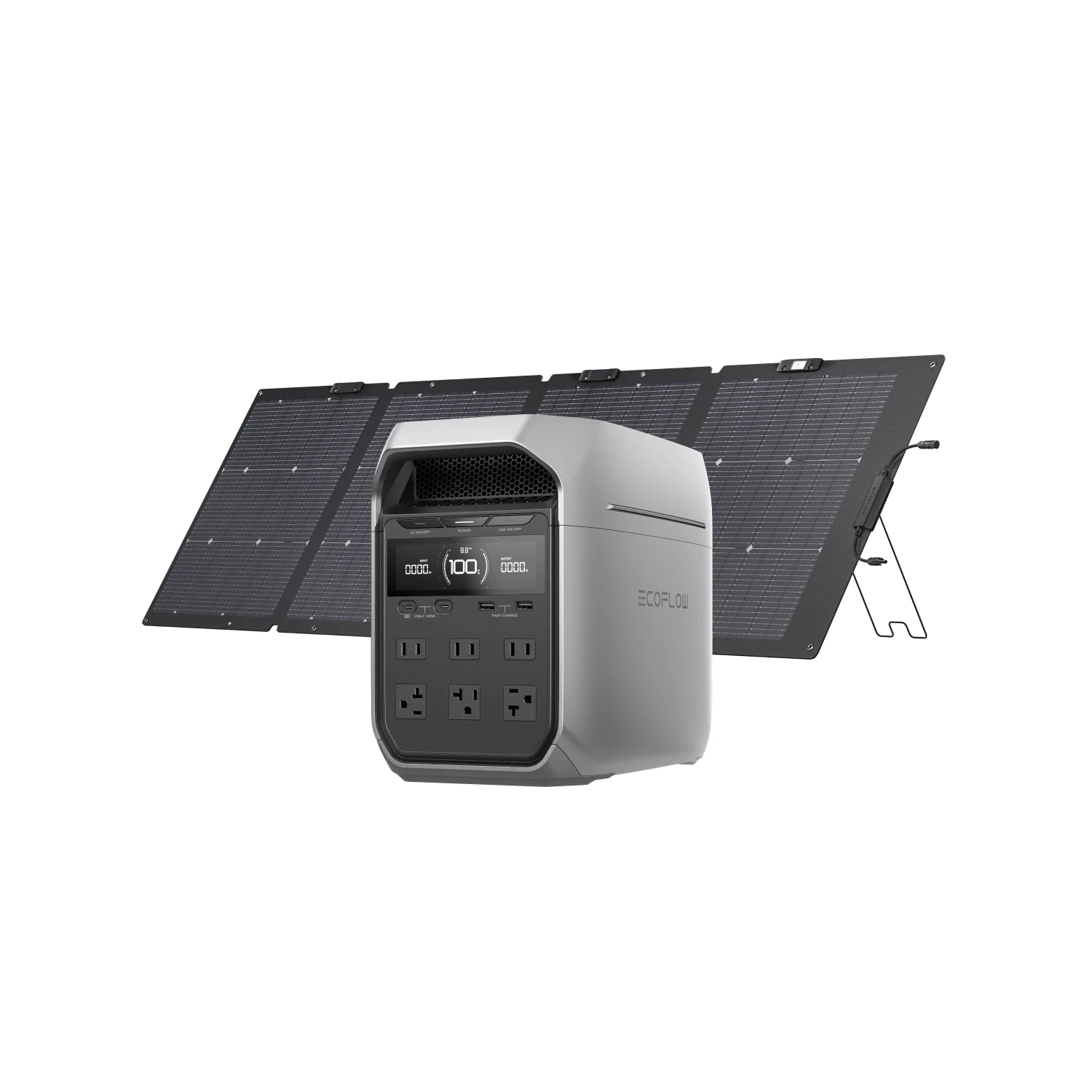
These combined pressures are the reason why electricity bills are higher and highlight why more households and businesses are turning to solar panels and energy storage, and EcoFlow’s solar generators as a way to control costs.
How Rising Energy Prices Affect Household Budgets
Rising energy prices hit household budgets in a very tangible way. This often forces families to rethink their spending priorities. Higher electricity and heating bills take up a larger share of monthly expenses, leaving less room for groceries, transportation, or savings. For households with limited income, even modest increases can create financial strain.
The impact goes beyond monthly bills. As energy costs rise, the overall cost of goods and services can increase because businesses pass along higher operating expenses to consumers.
This growing pressure is driving many homeowners to explore alternatives like solar panels, whole-home generators, and energy storage systems. By generating and storing their own energy, households can reduce reliance on the grid.
What Solar and Battery Storage Systems Actually Do
Solar panels capture sunlight and convert it into electricity, reducing the amount of power households and businesses need from the grid. This not only lowers monthly energy bills but also helps reduce reliance on fossil fuels. Battery storage systems store excess electricity generated by solar panels for later use, for instance, at night, on cloudy days, or during a power outage.
By combining solar and storage, users gain greater control over their energy, can better manage costs, and protect themselves against rising electricity prices. Essentially, these systems turn sunlight into a flexible, reliable energy source that works on your schedule. So, it’s no wonder that more and more people are looking into the cost of solar panels for a house.
How Solar Plus Storage Lowers Energy Bills
Solar panels generate electricity during the day and power your home, and reduce reliance on the grid. Excess energy is stored in batteries for use at night or during peak hours, helping cut monthly costs.
Understanding appliance energy use can maximize savings; it can be incredibly helpful to see which devices use the most power.
By combining solar and storage, households can lower bills and gain more control over their energy.
Why Battery Storage Improves Home Energy Reliability
Battery storage enhances a home’s energy reliability by storing excess electricity for later use. This means that even when the sun isn’t shining or during a power outage, households can continue to run essential appliances like refrigerators, lights, and heating or cooling systems.
In addition, batteries help manage energy demand during peak hours and reduce the risk of grid overloads and blackouts.
The Role of Policy and Net Metering in Solar Adoption
Government policies and incentives play a key role in making solar adoption more affordable. Programs like tax credits, rebates, and net metering allow homeowners to earn credits for excess energy they send back to the grid, lowering overall electricity costs. These policies make solar systems more financially attractive and accelerate the shift toward renewable energy.
Why More Homeowners Are Choosing Solar Plus Storage Today
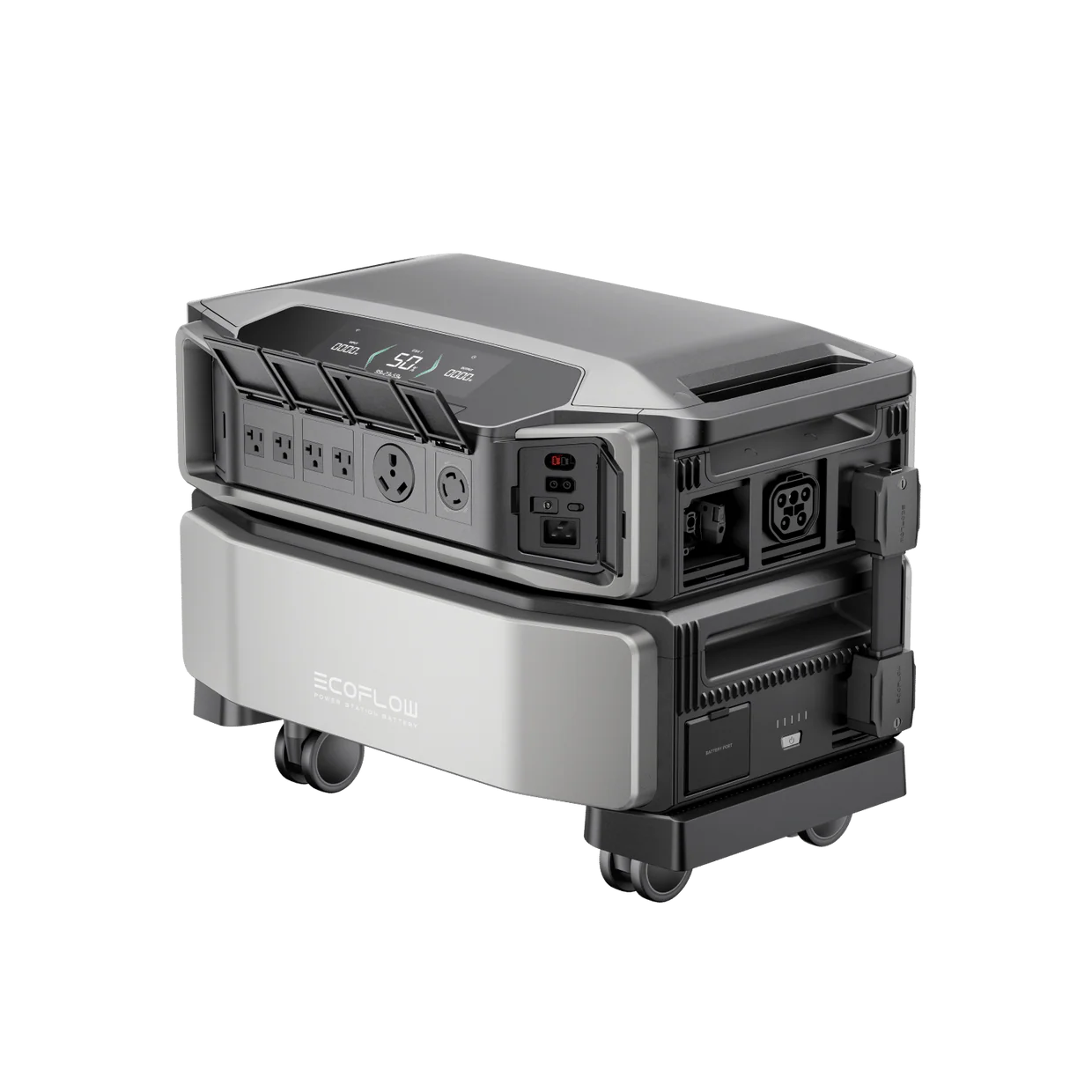
Rising energy bills, frequent outages, and a desire for energy independence are driving homeowners to combine solar panels with battery storage. This setup provides reliable power anytime, and it cuts costs. With incentives, improved technology, and growing awareness of long-term savings, solar plus storage is becoming the go-to choice for modern households. The EcoFlow DELTA Pro Ultra is an excellent choice, designed to give you peace of mind and control over your energy. It offers expandable battery capacity (up to 90kWh), can power 99% of home appliances, and features a space-saving modular design to minimize its footprint.
Is Solar and Storage Right for Your Home?
Solar plus battery storage is ideal for homes with high energy use, frequent outages, or a desire to cut grid reliance. It can even complement or replace a whole-home backup generator, providing reliable power when you need it most.
Frequently Asked Questions
Is Solar Energy Growing in the US?
Yes. Solar energy is rapidly growing in the U.S., driven by rising electricity costs, falling solar panel prices, and supportive policies like tax credits and net metering. Both residential and utility-scale solar installations are expanding, thus making solar one of the fastest-growing sources of electricity in the country.
Does Solar Energy Have a Storage Problem?
Solar energy itself doesn’t create a storage problem, but because the sun only shines for part of the day, storing energy for use at night or during cloudy periods is necessary. Battery storage systems solve this issue by holding excess solar energy for later use.
What Is the Biggest Downside to Solar Electricity?
The biggest downside to solar electricity is its intermittency: solar panels only generate power when the sun is shining. This means households often need battery storage or a backup system to ensure reliable electricity at night or during cloudy days. Upfront costs and space requirements can also be challenges.
Taking Control of Rising Energy Costs at Home
Rising electricity prices are prompting more homeowners to turn to solar panels and battery storage for savings, reliability, and energy independence. By generating and storing your own power, you can reduce bills, protect against outages, and take control of your household energy use.
Explore solar generators like the EcoFlow DELTA Pro 3 Solar Generator (PV400W) to start harnessing clean, reliable energy and shield your home from rising energy costs today.
For press requests or interview opportunities, reach out to our media team
media.na@ecoflow.com