Electricity Prices Are Rising in 2026: Why, and What You Can Do
- What Are Electricity Rates in 2026 Likely to Look Like?
- Why Are Electricity Rates Rising in 2026?
- Are Electricity Prices Going Up Nationwide?
- Regional Variations in Electricity Prices
- How Can You Manage Rising Electricity Costs in 2026?
- Take Control of Your Energy Costs in 2026
- Frequently Asked Questions
- Disclaimer
Your electric bill is going up. A government agency says that the price of energy for homes will rise by 4.2% in 2026. People have already paid 36% more over the last five years. Rising natural gas costs and energy-hungry data centers are driving prices up. But there are smart things you can do that will lower your bills right away.

What Are Electricity Rates in 2026 Likely to Look Like?
Residential electricity prices across the US are rising by 4.2% in 2026. This continues a troubling trend—since 2020, rates have climbed 36%, making electricity one of the fastest-growing household expenses.
Wholesale power markets tell the same story. Electricity providers will pay $51 per MWh in 2026, up from $47 in 2025 and $38 in 2024. These wholesale costs flow directly to your monthly bill.
Low-income families face the heaviest burden, already spending more than 15% of their income on energy. A 4.2% rate increase forces difficult choices—pay the electric bill or cover other essentials. For millions of households, these aren't just statistics—they represent real financial pressure that demands practical solutions.
Why Are Electricity Rates Rising in 2026?
Two main reasons drive your rising energy costs: natural gas prices are increasing, and data centers are using so much power that the grid can't keep up.
Data Centers Use a Lot of Power
Demand for power is surging in some parts of the country. Electricity sales will go up 2.6% across the country in 2026, but they will go up 9.2% in Texas and places close by—three times the rate for the whole country.
Data centers and cryptocurrency mining operations drive this huge rise. Because these facilities operate 24/7, they need a lot of power. In 2026, Texas alone will need 66% of the extra energy that the whole country will need. It takes years to build power plants, so we can't keep up with this quick rise in demand. When there is more demand than supply, prices go through the roof.
Natural Gas Costs More
Most power plants in the US use natural gas. When gas prices go up, so does your power bill. Natural gas prices have been rising steadily. The EIA forecasts it will cost $4 per million BTU in 2026. There is a supply squeeze because the U.S. companies are exporting more gas abroad while keeping production the same.
Gas-fired plants set market prices in most places. How much power companies pay is directly linked to the price of the fuel they use. Even more pressure is being put on Texas because in 2026, market prices will go up by 45% at one big hub. The grid is under even more stress when it's hot outside. Prices go up even more when a lot of air conditioners are running at the same time and supply can't meet demand.
Grid Can't Keep Up
It takes a long time and costs a lot of money to build new power plants and power lines. There are more people who want electricity than companies can provide. Essentially, the grid can't keep up with the surge in consumption. It's worst during rush hours, like when everyone turns up their AC at the same time on a hot summer afternoon.
Texas demonstrates this challenge clearly. For resources that are hard to get, the state's market-based approach lets prices go through the roof. Trading prices can go up by 10 or 20 times what they usually are when it's really hot. Customers pay for these costs through higher rates or extra fees. This is a problem in some parts of the country, and it's worst in places where demand is rising quickly.
Are Electricity Prices Going Up Nationwide?
How much more you'll pay in 2026 depends on where you live. The steepest rises are in Texas, Oklahoma, Louisiana, and Arkansas, which are all in the West South Central region. Data centers and cryptocurrency mining are expanding rapidly in these states. It costs more in California and other western states, but not for the same reason—rates go up because of wildfires, grid improvements, and renewable energy projects. Rising prices are less common in the Northeast because demand is more stable there and there are more diverse power sources.
National averages don't reflect local variations. When your rate goes up, these important factors come into play:
What kind of power your utility company uses (coal, natural gas, renewables, etc.)
Whether your state has deregulated energy markets
What improvements are needed and how much they will cost
Which rate plan you have (flat rate or time-of-use)
Whether local industrial and commercial demand is increasing
Look at the rate plan for your utility. If you know how your prices work, you can get ready for price hikes in 2026 and look for ways to lower your bill.
Regional Variations in Electricity Prices
Region | Rate Increase | Main Drivers |
West South Central (TX, OK, LA, AR) | Up to 10%+ | Data centers, cryptocurrency mining (9.2% demand growth) |
West (including CA) | 2–3% | Grid improvements, wildfire prevention, renewable energy projects |
Northeast | 1–2% | Stable demand, diversified power sources |
National Average | 4.20% | Rising natural gas costs, increasing overall demand (2.6% growth) |
Where you live can also change your costs. Coastal states spend a lot of money to make sure storms don't damage their power lines. In mountain states with hydropower, changes in gas prices don't matter as much. Local factors are more important than national trends.
How Can You Manage Rising Electricity Costs in 2026?
Use these tried-and-true tips to lower your bills right away.
Shift Your Power Usage
Time-of-use rates mean you pay more when demand is high and less when it's low. Most providers now offer these plans. During the week, it costs more to use power in the afternoon. At night and on weekends, it costs less. You can save money by:
Doing laundry after 9 PM instead of after dinner
Charging phones and other devices at night when rates are very low
Running the dishwasher on weekends when power is less expensive
Raising your thermostat a few degrees during expensive afternoon hours
Cooling your home early in the morning before peak hours and temperatures rise
You can save 15 to 20 percent on your bill without giving up convenience by making these changes. Most utilities offer online tools that tell you how much you use every hour. Check yours to see where your pricey peaks are. Moving your pool pump to late evening alone can save significant money.
Add Home Battery Storage
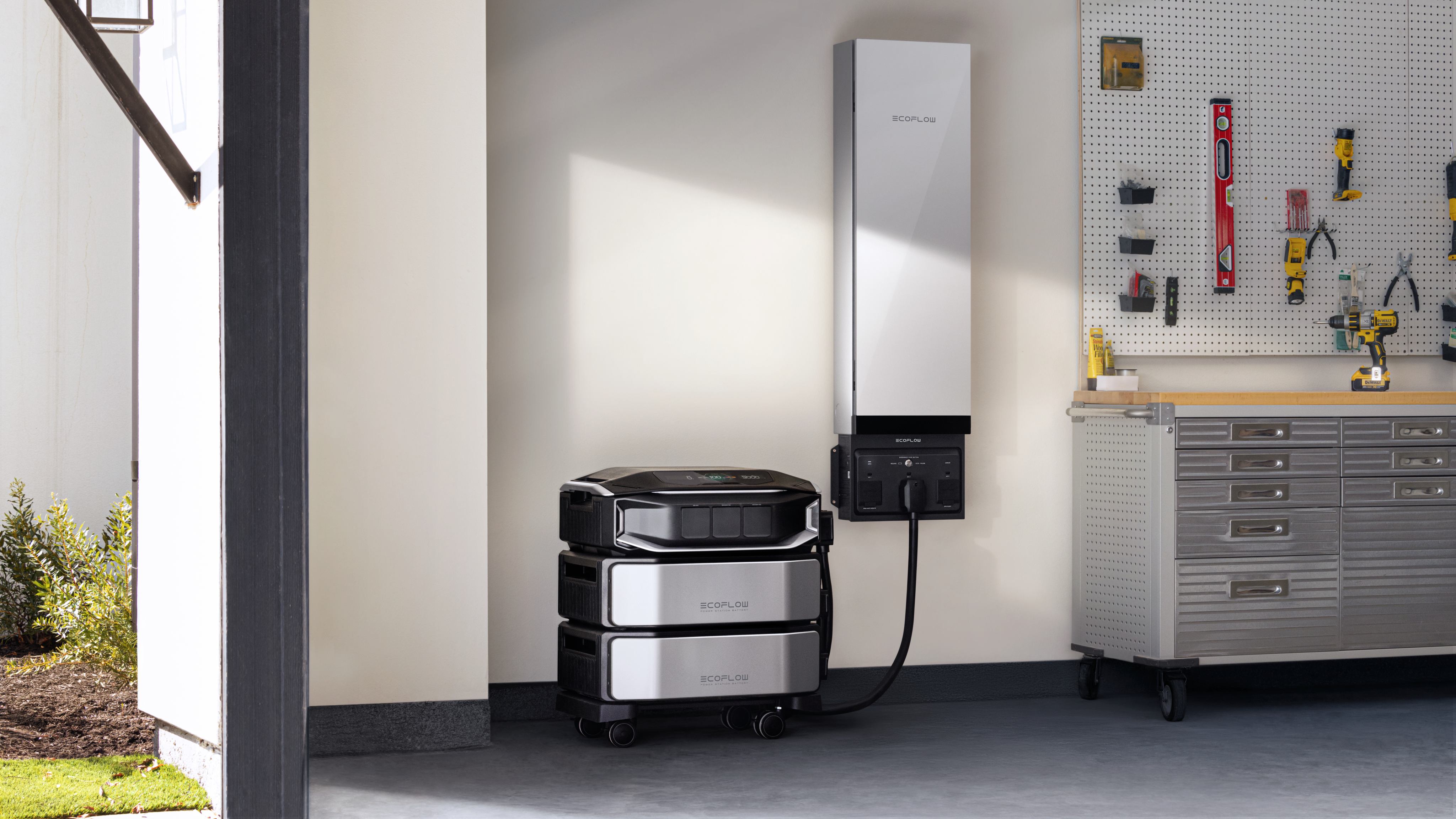
When you add battery storage, everything changes. When the price of electricity goes up, you use the cheap power you saved. The Delta Pro Ultra X learns your habits and the rates in your area, then optimizes everything automatically with advanced algorithms running 24,000 calculations per second.
Here's how it works: The battery charges at night when costs are lowest. Your home doesn't use expensive grid power when rates spike in the afternoon because it has stored battery power. You avoid the most expensive prices every day. Installing solar panels will help you save even more. The Delta Pro Ultra X supports up to 10kW of solar input, and the panels make power while the battery stores extra so it can be used at night.
The system's smart screen monitors everything in your home. With Smart Home Panel 3, you can track up to 32 individual circuits and see which appliances use the most energy. The AI assistant tracks your usage, checks the weather with 94% solar forecasting accuracy, and analyzes your rate plans to suggest changes for even lower bills.
Many families in high-cost areas can save money daily and get their investment back in around 3 years. After that, savings continue for decades. The payback is faster if you already have solar panels or if you often lose power and need backup. Professional installation is typically completed within 7 days of delivery.
Monitor and Track Your Usage
Smart energy monitors tell you where your electricity is going. The garage fridge might waste $200 a year. Your water heater could account for up to 20% of your energy use. Even when not in use, TVs, cable boxes, and chargers in sleep mode cost an extra $100 to $200 a year.
That expensive garage fridge could be unplugged. Turn down your water heater to save $50 annually. Connect pool pumps and EV chargers to smart switches so they run automatically during cheap off-peak hours. These targeted changes can save families hundreds of dollars a year.
Smart tracking can also reveal usage patterns you didn't know about. Your HVAC system might turn on unnecessarily due to incorrect settings. Shifting device charging to nighttime hours can reduce costs. Small changes to multiple appliances add up quickly.
Take Control of Your Energy Costs in 2026
The cost of power is going up in 2026, but there are ways to lower your bills. Prices are rising because data centers demand more energy, natural gas costs more, and the grid can't keep up. This stress won't go away immediately, but real solutions exist now. Shift your power usage to off-peak hours, invest in smart battery storage that optimizes savings automatically, and monitor your usage to find and fix waste. When rates go up, you can still pay less if you plan ahead and use proven technology. EcoFlow gives you the tools to control your energy costs and prepare for future price increases.
Frequently Asked Questions
Q1: Will Rates Keep Going Up After 2026?
Rates are likely to stay high for a while longer. Natural gas prices affect energy prices a lot, and experts believe gas prices will stay high as U.S. exports continue increasing. Data centers aren't slowing down because AI takes massive computing power. Utilities have to spend heavily on grid changes and climate damage repairs. Rates will likely go up 2–4% yearly until 2030, depending on where you live.
Q2: How Much More Will I Pay?
Your cost increase depends on where you live and how you use power. Even though the national average is 4.2%, there are big differences between regions. People in the Northeast may pay 2% more, while people in Texas might pay 10% more. Your utility's power sources matter—companies relying heavily on natural gas will raise rates more. Check your utility's website for their rate forecasts and multiply your current monthly bill by that percentage.
Q3: Will Solar Panels Protect Me From Rate Increases?
You won't have to worry about rising rates for 25–30 years after getting solar panels. You don't buy power from the utility anymore—you make fixed monthly payments instead. Solar costs stay constant when electricity prices go up, so your savings grow every year. Adding battery storage like the Delta Pro Ultra X, which supports up to 10kW of solar input, lets you use solar power at night instead of expensive grid power. Solar protects you from rate increases regardless of your state's policies.
Q4: How Do Time-of-Use Rates Work?
When you use power at different times, you pay different amounts. When most people turn on their AC in the afternoon during the week, prices are highest—the power company might charge $0.40 per kWh. At night and on weekends when demand drops, prices fall to $0.15 or less. You'll save money every time you run the dishwasher at 11 PM instead of 6 PM. Battery systems handle this automatically by charging when power is cheap.
Q5: Should I Invest in Batteries Now?
Battery investment makes sense for many households, especially in high-cost areas. People in California or Hawaii who pay a lot for electricity might get their money back in around 3 years. People in Texas save money and get backup power during frequent outages. The 30% federal tax credit makes the investment more attractive. Annual savings vary significantly based on system size and local rates—families can save $2,000–$6,500+ yearly depending on their setup. In high-rate states like California with a 10kW solar system and time-of-use rates, annual savings can exceed $6,500. Since battery prices keep dropping while grid rates keep rising, the value proposition keeps getting stronger.
Disclaimer
The information provided in this article is for general informational and educational purposes only. While we strive for accuracy, electricity rates, policies, and market conditions are subject to change and may vary significantly by location, utility provider, and individual circumstances.
Please note:
Rate projections are based on Energy Information Administration (EIA) forecasts and industry reports available as of the publication date. Actual rates in your area may differ.
Savings estimates are approximate and will vary based on your specific usage patterns, local utility rates, home characteristics, and the energy solutions you implement.
Financial advice: This article does not constitute financial, investment, or professional advice. Consult with qualified professionals before making significant energy-related investments.
Product performance: Battery storage and solar panel performance depends on many factors including installation quality, local climate, utility policies, and maintenance.
Regional variations: Energy markets and regulations differ widely across the United States. Always check with your local utility provider for specific rate information and available programs.
Tax credits and incentives: Federal, state, and local incentives mentioned are subject to change. Verify current eligibility and requirements with tax professionals or relevant authorities.
For the most accurate and up-to-date information about electricity rates and energy programs in your area, please contact your utility provider directly or visit their official website.
Last updated: January 2026
For press requests or interview opportunities, reach out to our media team
media.na@ecoflow.com