Last Chance: Your Ultimate Hurricane Emergency Kit with Prime Day Backup Power Deals
- Why Is Hurricane Preparedness So Critical for U.S. Households?
- What Should Be Included in a Complete Hurricane Emergency Kit?
- Why Is Backup Power the Most Critical Part of a Hurricane Emergency Kit?
- What Are the Best Prime Day Backup Power Deals for Hurricane Season?
- How Should You Manage Your Hurricane Emergency Power Plan?
- Conclusion
- FAQ
When hurricane season arrives, preparation can make the difference between a manageable outage and a major disruption. For American homeowners, especially those along the Gulf Coast and Eastern Seaboard, a storm warning initiates a stressful countdown. Grocery shelves go bare, gas stations turn into parking lots, and suddenly everyone’s looking for the same supplies. That’s why having a kit ready before the panic starts makes all the difference.
In this guide, we’ll walk through what actually goes into a solid emergency kit and how to take advantage of Prime Day’s final hours to grab a modern backup power solution.
Why Is Hurricane Preparedness So Critical for U.S. Households?
Living in hurricane-prone zones requires a proactive mindset, as severe weather patterns continue to challenge the resilience of local infrastructure year after year. For many households, incorporating a solar generator into their emergency preparedness plan can help improve readiness against seasonal grid disruptions.
Increasing Hurricane Intensity During Season
Meteorological trends show that modern Atlantic hurricane seasons are producing storms that rapidly intensify over warm ocean waters. Stronger hurricanes and rapid intensification events have become a growing concern, leaving communities with less time to prepare. This rapid intensification gives homeowners less time to prepare before dangerous conditions arrive, making year-round hurricane readiness an essential part of modern storm safety.
Coastal and Inland Risk Expansion Trends
Hurricane damage is no longer confined strictly to the beachfront properties of Florida, Texas, or Louisiana. Heavy rainfall, catastrophic inland flooding, and severe wind damage now reach hundreds of miles from the coast, catching unprepared inland communities by surprise. Whether you live on the shore or miles inland in the Carolinas, the risk of severe storm impact is expanding.
How Hurricane Season Disrupts Power Grids
The aging American electrical grid is particularly vulnerable to the high winds and torrential rains brought by hurricanes and tropical storms. Substation flooding, downed transmission lines, and snapped utility poles can instantly plunge entire counties into darkness. Because infrastructure damage is often widespread, utility companies can’t even start repairs until the weather clears, which means you could be in the dark for a while.
Why Preparation Must Happen Before Warnings
The moment when a hurricane warning is officially issued by the National Weather Service, everyone hits the hardware store at once. Plywood, batteries, flashlights, they’re gone within hours. Waiting for an official warning means competing for whatever’s left on the shelf. Getting your supplies together ahead of time is one of the best ways to make sure you have what you need.
What Should Be Included in a Complete Hurricane Emergency Kit?
A decent, resilient emergency kit is more than a flashlight and a couple of cans of soup. A simple hurricane preparedness checklist helps you gather the supplies you actually need to sustain your family for several days when regional utilities fail.
Hurricane Season Food and Water Supplies
FEMA recommends storing at least one gallon of water per person (and pet) per day for a minimum of three to seven days. For food, focus on non-perishable, high-calorie items that require no cooking or refrigeration. Canned meats, peanut butter, protein bars, and dried fruit. And don’t forget a manual can opener, it sounds obvious until you’re staring at a sealed can with no power.
First Aid and Prescription Essentials Checklist
Medical supply chains can be disrupted for weeks following a major storm. A basic first aid kit with bandages, antiseptics, burn ointments, and splints is a start. More importantly, secure at least a two-week supply of all critical prescription medications well before a storm hits, alongside over-the-counter essentials like pain relievers and stomach remedies.
Emergency Lighting and Communication Tools
When the lights go out, maintaining communication and visibility is paramount. Avoid candles due to fire risks. Instead, LED lanterns, heavy-duty headlamps, and tactical flashlights are safer and last longer. An NOAA weather radio is also worth having, ideally one that runs on batteries or a hand crank. When cell towers go down, that radio might be your only link to what’s happening. Then you can stay tuned with real-time broadcast updates from emergency officials when cellular networks fail.
Backup Power Essentials for Emergencies
In the digital age, a lack of electricity is more than just an inconvenience—it cuts off your access to information, medical tools, and climate control. A modern emergency kit should include reliable backup power options. These devices play a central role in emergency preparedness, helping you manage electricity during a hurricane and keep essential communication channels active throughout extended blackouts.
Why Is Backup Power the Most Critical Part of a Hurricane Emergency Kit?
Food and water keep you alive. Backup power keeps you connected to the outside world and maintains basic household sanitation and safety.
Typical Hurricane Season Outage Duration
In places like Florida, Texas, and Louisiana, outages from hurricanes typically last anywhere from 1 to 3 days for minor storms, and can stretch into weeks for major landfalls. During this extended window, you can’t count on the grid coming back quickly. This makes an independent home power solution absolutely essential.
Food Spoilage Risks During Blackouts
According to USDA food safety guidelines, a refrigerator will keep food cold for about 4 hours without power, and a full freezer can maintain safe temperatures for approximately 48 hours if unopened. After that, you’re looking at hundreds of dollars in spoiled groceries, creating health hazards and financial loss. A backup power source can keep your appliances running and prevent that waste.
Medical Device Dependency During Emergencies
For some people, it’s even more serious. If you rely on a CPAP machine, an oxygen concentrator, or temperature-sensitive medications like insulin, a power outage is a life-threatening emergency. Having a reliable, stable source of electricity helps ensure these medical dependencies are not interrupted, offering greater peace of mind when emergency services cannot respond.
Why Gas Generators Fail When You Need Them Most
Traditional gas generators have long been a popular backup option, but hurricanes can expose some practical limitations. They must be operated outdoors because of carbon monoxide risks, require ongoing maintenance, and depend on fuel availability at a time when storm damage may disrupt local services.
What Are the Best Prime Day Backup Power Deals for Hurricane Season?
With Amazon Prime Day wrapping up, timing is everything. Investing in premium battery technology right now allows you to secure top-tier storm protection at the lowest prices of the year.
Why Prime Day Is the Best Time to Buy Hurricane Backup Systems
During the 2026 Prime Day event, EcoFlow backup power systems are seeing some of the deepest discounts of the year, especially on bundled solar generator kits designed for hurricane preparedness. These offers are limited-time opportunities to secure reliable home power at significantly reduced pricing before peak storm season demand increases.
| Product | Prime Day Savings | Best For | Why It Matters |
|---|---|---|---|
| EcoFlow DELTA 3 Max | Up to $749 OFF | Essential backup for 1–3 day outages | Now at one of the lowest entry prices of the year for reliable home emergency power |
| EcoFlow DELTA Pro | Up to $2,300 OFF | Whole-home + heavy appliance backup | Rare deep discount on a high-capacity system, typically used for full household resilience |
| Bundle Solar Kits | Highest total savings tier | Complete emergency setup (solar + power station) | Best overall value — lower cost per watt + faster sell-out risk during Prime Day |
Limited-Time Pricing Insight
These Prime Day deals reflect the latest promotional pricing available on EcoFlow’s official Prime Day page during the event period. With the sale ending soon, this is a limited opportunity to secure backup power solutions at special promotional prices. Discounts, availability, and product details may change after the event ends, so check the official website for the latest offers before purchasing.
EcoFlow DELTA 3 Max for Essential Home Backup
During hurricane-related outages, which can last several days, households urgently need a backup power solution that can be quickly deployed to keep basic daily operations running smoothly.
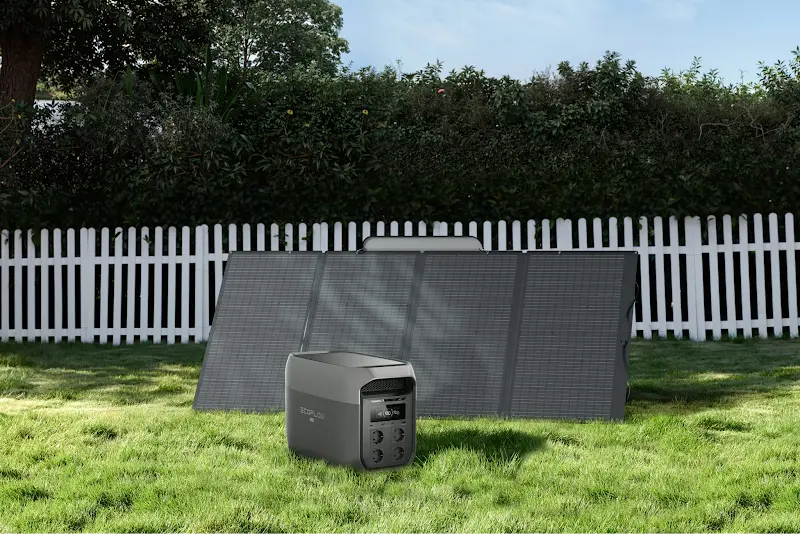
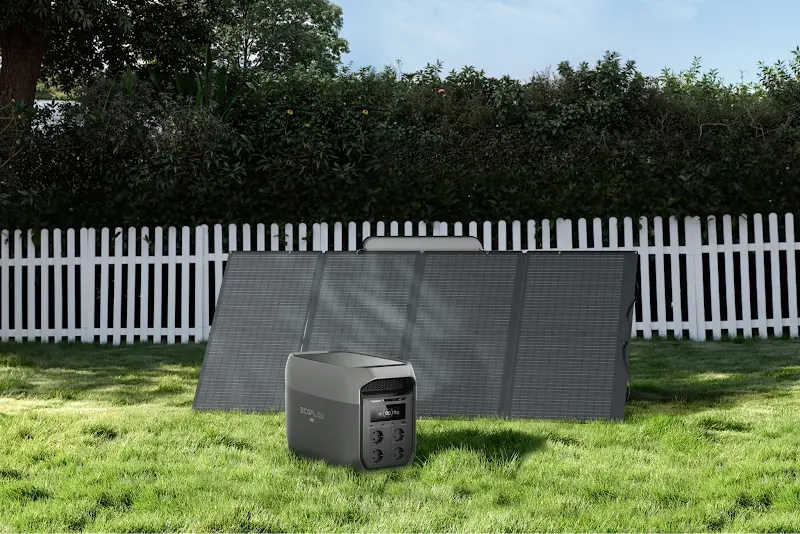
The EcoFlow DELTA 3 Max (2048Wh) + 400W Solar Panel delivers continuous power to essential appliances like refrigerators, Wi-Fi routers, lighting, and smartphones. During the day, it can be recharged efficiently via solar energy, significantly extending its overall runtime. For families looking to maintain standard living continuity through hurricane outages, this system provides a balance between portability and robust power endurance.
EcoFlow DELTA Pro for High-Power Home Backup
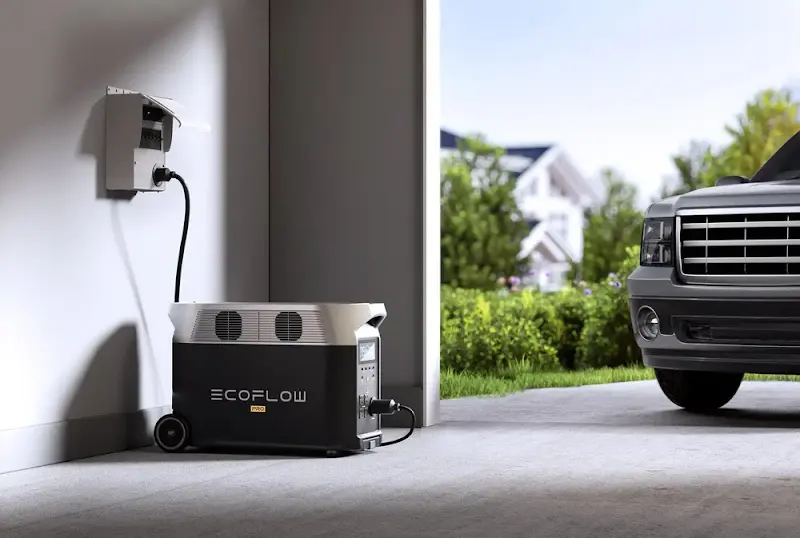
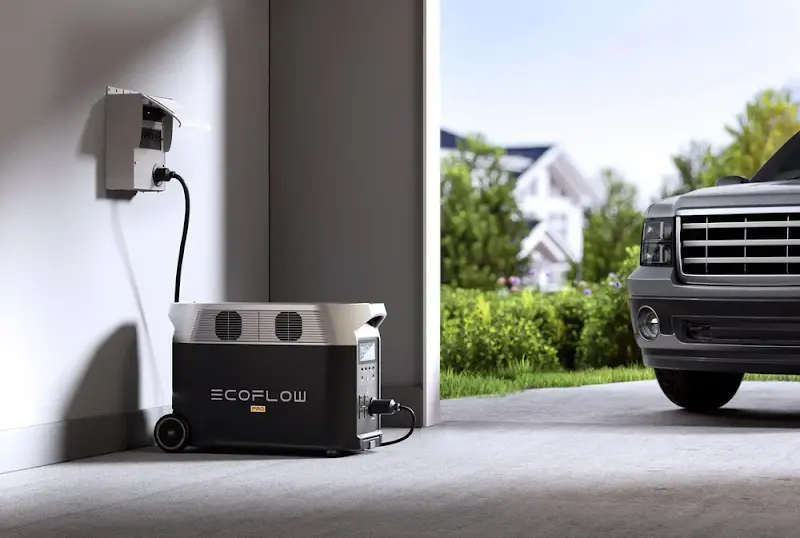
For medium to large American households, hurricane-induced power outages do more than just cut off lights and communications — they can disrupt heavy-duty necessities like refrigerators, well pumps, medical equipment, and other high-power appliances. The EcoFlow DELTA Pro + 2 x 220W Portable Solar Panel is designed as an expandable whole-home backup power system.
Compared to standard portable power banks, it offers higher output capacity and expandability, allowing it to reliably support critical home circuits and high-load appliances. Supported by solar input, it can continuously regenerate power during prolonged, multi-day blackouts. During Prime Day, these larger systems offer an opportunity to upgrade your emergency backup setup at a lower cost, offering an affordable opportunity to upgrade your home’s emergency resilience.
EcoFlow DELTA 3 Max vs. EcoFlow DELTA Pro Comparison
To help you choose the best system for your property’s specific needs, here is a direct comparison of these two high-performing backup solutions:
| Feature / Spec | EcoFlow DELTA 3 Max | EcoFlow DELTA Pro |
|---|---|---|
| Best Suited For | 1-3 Day Essential Power & Portability | Extended, High-Load Whole-Home Backup |
| AC Output Capacity | Substantial (Runs major appliances) | Massive (Runs well pumps, heavy loads) |
| Expandability | None | Highly Expandable (Up to 25kWh within the DELTA Pro ecosystem using Smart Extra Batteries) |
| Solar Bundle Option | 400W Solar Panel | Dual 220W Solar Panels |
| Indoor Safety | 100% Safe (Zero Emissions) | 100% Safe (Zero Emissions) |
How Should You Manage Your Hurricane Emergency Power Plan?
Having the gear is one thing. Knowing how to strategically manage your power resources during a crisis is what ensures long-term survival.
Charging and Testing Your Backup Battery Before Storms
As soon as a tropical storm or hurricane enters your regional forecast, plug your portable power station into a wall outlet to top it up to 100%. Run a quick diagnostic test by plugging in your target appliances to verify that cords, outputs, and screens are functioning perfectly before the bad weather knocks out your main grid supply.
Prioritizing Essential Appliances During Outages
When operating on battery backup, power discipline is crucial. Prioritize life-sustaining medical equipment first, followed by your primary refrigerator to prevent food spoilage, and then your communication hubs (Wi-Fi router and phones). Avoid running non-essential, high-draw luxury items like clothes dryers or dishwashers, which will drain your reserve needlessly.
Safe Solar and System Recovery After Hurricanes
Once the storm passes and the sun comes out, get your solar panels deployed. Find an unshaded spot, face them toward the sun, and let them start replenishing your power station. Ensure the panels face the sun directly, and keep the main battery station itself in a shaded, well-ventilated spot away from any lingering outdoor moisture or debris left by the hurricane. A little attention here goes a long way toward keeping your power running through the recovery period.
Conclusion
Hurricane preparedness is an investment in safety, comfort, and security for your loved ones. As seasonal storms grow more volatile, relying on an unstable power grid is no longer a viable option. Pairing traditional emergency supplies with a modern, clean, indoor-safe battery system like the EcoFlow DELTA series gives you a way to stay powered and informed through the worst of the weather.
Don’t wait until a storm is already on the forecast before preparing your home. With Prime Day backup power deals ending soon, now is the time to secure a reliable emergency power solution before the next hurricane puts your preparedness to the test.
FAQ
What Are the Best Prime Day Deals in 2026 for Hurricane Preparedness?
The top deals this year feature deep discounts on solar generator bundles, specifically the EcoFlow DELTA 3 Max and EcoFlow DELTA Pro, which offer the best balance of reliable power and savings.
How Long Is Power Usually Out After a Hurricane?
Power outages typically last anywhere from 1 to 3 days for minor tropical storms, but can extend to multiple weeks if severe Category 4 or 5 hurricanes devastate local grid infrastructure.
How Do I Determine What Size Power Station I Need?
Calculate your power station size by estimating the total energy consumption (in watt-hours) of all essential appliances you plan to run, while also considering each device’s running wattage and surge power requirements. To ensure real-world performance, account for inverter efficiency losses when sizing your battery capacity.
How Big of a Portable Power Station Do I Need to Run a Refrigerator?
To run a refrigerator, you typically need a portable power station with sufficient surge capacity (usually 600–2000W depending on the model) to handle compressor startup, along with enough battery capacity (Wh) to support the refrigerator’s cycling power consumption over time.
Are Portable Power Stations Safe Indoors?
Yes, battery-powered portable power stations are 100% safe for indoor use because they generate absolutely zero harmful carbon monoxide emissions, smoke, or loud mechanical noise.
What Appliances Should Be Unplugged During a Power Outage?
You should immediately unplug sensitive electronics like televisions, desktop computers, and microwaves to shield them from catastrophic voltage surges when the primary power grid cycles back online.
For press requests or interview opportunities, reach out to our media team
media.na@ecoflow.com