What Are the Sources of Clean Energy? Complete Guide to Renewable Power in the U.S. (2026)
- What Is Clean Energy and Why It Matters in 2026
- Solar Energy: The Fastest-Growing Clean Power Source in the U.S.
- Wind Energy: Powering the U.S. Grid at Scale
- Hydropower: The Most Established Renewable Energy Source
- Geothermal Energy: Steady Power from the Earth’s Core
- Biomass and Bioenergy: Turning Waste Into Electricity
- Nuclear Energy: A Low-Carbon but Controversial Clean Power Source
- How These Clean Energy Sources Work Together in the U.S. Grid
- The Future of Clean Energy in the United States
- Conclusion
- FAQs
Between those massive electricity bills and the grid flat-out failing during summer heatwaves, clean energy has moved past the "someday" phase. It’s how we’re surviving 2026. Whether you're in California trying to dodge "peak hour" pricing or in Maine prepping for hurricane season and the unpredictable spring gales that could kill your fridge for a week, you need to know how this stuff actually works. Staying ahead of the curve involves more than simply being "green"; the real win is ensuring your lights stay on when the utility company lets you down.
What Is Clean Energy and Why It Matters in 2026
By now, “clean energy” is essentially a standard industry term. We are looking at power generation without the detrimental environmental impacts, specifically, the elimination of greenhouse gases and urban particulate matter. The 20th century reliance on coal and gas is rapidly giving way to more sustainable alternatives. Integrating a personal solar generator has become a practical way for homeowners to facilitate this transition while securing their own infrastructure.
Clean Energy vs. Renewable Energy: Key Differences
While these terms are often used interchangeably, the distinction is significant for strategic energy planning. Clean means it doesn’t spit out carbon. Determining the best clean, renewable energy source often depends on whether you prioritize constant output or environmental impact. Nuclear energy is a good example of a low carbon energy source. It produces very low operational emissions, but it is not considered renewable due to the finite nature of uranium fuel. In 2026, the goal is hitting that perfect state where your power source is both.
How Clean Energy Reduces Carbon Emissions and Air Pollution
Replacing coal with wind or solar serves as more than a global climate initiative; the impact is local and immediate. By reducing the concentration of pollutants in specific neighborhoods, we are seeing a significant decline in “smog alerts” across major metropolitan areas. The real win is a measurable improvement in respiratory health and air quality for the next generation.
From "Selling Power" to "Power Sovereignty"
We are witnessing a fundamental shift toward Energy Sovereignty. Following the reduction of net-metering credits, there is a diminishing incentive for homeowners to export power back to the traditional grid. Instead, high capacity battery systems have transitioned from luxury assets to essential infrastructure for defending against market volatility and rate hikes.
Solar Energy: The Fastest-Growing Clean Power Source in the U.S.
Walk down any suburban street in the Sun Belt, and solar deployment has expanded significantly in suburban areas: solar is becoming the dominant residential energy source. It’s accessible, it’s scalable, and honestly, it’s just the most logical move for the modern American homeowner. But even in 2026, the way we use it is shifting away from just “saving the planet” and toward actual financial survival.
How Solar Panels Convert Sunlight Into Electricity
The process is a matter of advanced physics rather than novelty. Photovoltaic (PV) cells utilize photons to initiate an electron flow, creating a direct current. Modern improvements in cell efficiency mean that current solar panels can power high load residential systems with a significantly smaller physical footprint than previous generations.
Residential vs. Utility-Scale Solar Systems
You’ve got the massive solar “farms” that feed the national grid, and then you’ve got residential solar that puts the power directly in your hands. More Americans are choosing the residential route lately. It gives you a buffer against whatever rate hikes the local utility company decides to drop next month.
Benefits and Limitations of Solar Power in Different U.S. Regions
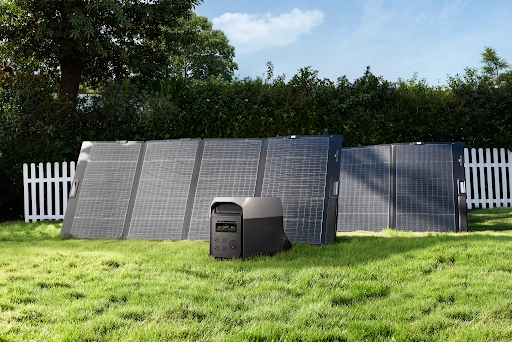
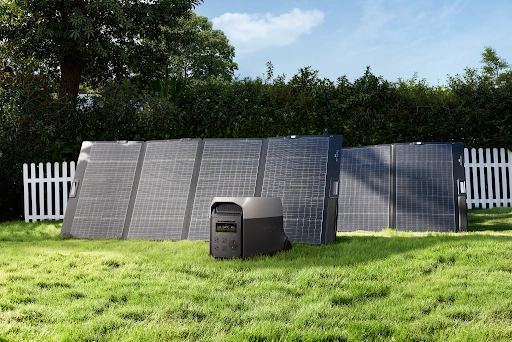
Your experience with solar depends heavily on regional geography. In Arizona or Southern California, you have excess generation capacity for most of the year. However, in the Pacific Northwest or the Northeast, where spring showers and unpredictable thunderstorms are common, the reality is different. Generating power is only half the battle; ensuring that power is available during a grid strain or cloud cover requires a more strategic approach. This is where smart storage changes the whole conversation. For people who live the RV life or just need a rock-solid backup for the house, a setup like the EcoFlow DELTA 3 Ultra (3072Wh) + 2 × 220W Solar Panel is a total lifesaver. It bridges the gap. You catch every bit of available sun during the day and store it in a high-capacity station. Whether you’re camping out in the Rockies or sitting through a blackout during a severe spring thunderstorm or preparing for the upcoming hurricane season, this “Solar + Storage” loop means you actually have reliable power 24/7.
Wind Energy: Powering the U.S. Grid at Scale
In 2026, wind is proving to be one of the most cost-effective methods for integrating clean electrons into the national grid without the logistical complexities of other large scale projects. While solar dominates the residential sector, wind provides a necessary, consistent output during periods when sunlight is scarce. Understanding the balance of wind power vs. solar energy is essential for maintaining grid stability, as the two sources often peak at different times of the day and year.
Onshore Wind Farms Across the Midwest and Texas
Texas is still a powerhouse, but the “wind map” of the U.S. is shifting. New Mexico is currently home to the massive SunZia project, the largest wind farm in the Western Hemisphere, which is a major development for the West. Meanwhile, states like Iowa, Illinois, and Minnesota are hitting record high connections. You see these massive turbines everywhere now, turning a steady heartland breeze into enough juice to power millions of homes.
Offshore Wind Expansion on the East Coast
The next big frontier is actually out at sea. Despite some high profile political drama and construction pauses in early 2026, major East Coast projects like Vineyard Wind (Massachusetts) and Coastal Virginia Offshore Wind are finally crossing the finish line. We’re tapping into those stronger, more consistent ocean winds to feed hungry coastal cities that just don’t have the land for thousands of turbines.
Efficiency, Costs, and Environmental Considerations
Wind is incredibly efficient, but it is not perfect. You’ve still got the “Not In My Backyard” (NIMBY) crowd and valid concerns about local wildlife. However, the tech has actually caught up. Modern 2026 designs are significantly quieter, and many farms now use AI-driven cameras (like IdentiFlight) that can spot an eagle from miles away and automatically slow down the blades until the coast is clear. It’s an evolving tech that’s focused on being a better neighbor.
Hydropower: The Most Established Renewable Energy Source
Long before solar panels were a common sight on suburban roofs, we were already tapping into our rivers. Think of hydropower as the “old reliable” of the American renewable world. While sun and wind get most of the headlines lately, hydro has been quietly doing the heavy lifting in the background for over a century.
How Dams Generate Electricity from Flowing Water
The principle is straightforward: flowing water spins a turbine, which spins a generator. Simple. The big advantage here is that it’s a constant, steady source of power. It doesn’t care if the sun is down or if the air is still dead. As long as the river is moving, the lights stay on.
Major Hydropower Regions in the United States
If you want to see the heart of U.S. hydro, look at the Pacific Northwest. Led by the massive Grand Coulee Dam in Washington, this region produces some of the cheapest and cleanest electricity in the country. It’s the reason why tech companies and heavy industry flock to Oregon and Washington, they want that cheap, reliable “water power.”
Environmental Tradeoffs and Modern Upgrades
Here’s the catch: dams can really mess with fish migration and local river ecosystems. We’ve all seen the stories about salmon struggling to get upstream. Because of that, the focus in 2026 is not solely on building massive new concrete walls. Instead, we’re looking at “low-impact” hydro and retrofitting old dams with better, more fish-friendly tech. It’s about squeezing more power out of what we already have rather than flooding new valleys.
Geothermal Energy: Steady Power from the Earth’s Core
Geothermal energy remains an underutilized asset in the American West. While wind and solar dominate the headlines, geothermal provides a steady extraction of heat from the earth’s core. In 2026, this technology is transitioning from a niche application to a cornerstone of grid stability.
How Geothermal Plants Generate Electricity
By tapping into underground steam or hot water reservoirs, geothermal plants drive turbines to create electricity with almost zero emissions.
Best Locations for Geothermal Energy in the U.S.
California, Nevada, and Utah are the clear leaders. They have the unique geological “hot spots” that make this energy cheap and accessible. Tech giants like Google and Meta are already signing massive deals in Nevada and New Mexico to run their AI data centers on geothermal juice. They love it because, unlike other renewables, it doesn’t just stop when the sun goes down.
Advantages of Baseload Stability Compared to Solar and Wind
This is the real value of geothermal. Unlike weather-dependent sources, it provides “firm” power, it’s on 24/7. It’s the perfect partner for solar and wind. When the wind dies in the middle of a Tuesday night, geothermal keeps the grid from going dark. It’s like having a giant, natural battery that never needs to be recharged.
Biomass and Bioenergy: Turning Waste Into Electricity
Biomass is the ultimate proof that one person’s trash is another person’s light switch. While it’s not as “flashy” as a sleek solar panel, it’s a massive part of how the U.S. handles organic waste. In 2026, we’re seeing a shift toward more localized bioenergy plants that help rural communities turn their leftovers into a steady paycheck.
Common Sources (Agricultural Waste, Wood, Landfill Gas)
From corn husks in Iowa to wood scraps in Georgia, biomass uses organic materials to create heat and power. It’s a wide-ranging category that includes everything from landfill gas (methane) to specialized “energy crops” like switchgrass.
Sustainability Debate and Emissions Considerations
Here’s where it gets a bit messy. While biomass is technically renewable, burning organic matter still releases carbon into the air. The big debate in 2026 centers on “carbon neutrality.” The goal is to make sure the plants grown to create biomass absorb just as much CO2 as the fuel releases when it’s eventually used.
Nuclear Energy: A Low-Carbon but Controversial Clean Power Source
Nuclear energy is re-emerging as a critical component of the net zero roadmap. Its capacity for massive, carbon free output is increasingly undeniable. While historical safety concerns remain a factor in public discourse, the technical reality is that nuclear provides the baseline stability required to support modern industrial economies.
How Nuclear Fission Produces Electricity
Nuclear fission generates energy by splitting uranium atoms. When you split a uranium atom, it releases a massive amount of heat. That heat boils water to make steam, which turns a turbine. It’s incredibly dense energy. Just to give you an idea of the scale: one small pellet of uranium, about the size of a pencil eraser, can provide as much power as a literal ton of coal.
Role of Nuclear Power in U.S. Grid Stability
This is where nuclear shines. Unlike solar or wind, it provides a steady, massive output that stays on 24/7. It’s the “anchor” that keeps our heavy industries and massive cities running when the renewables are fluctuating. Without nuclear power, the 2026 grid would be a lot more prone to those “brownouts” everyone hates.
How These Clean Energy Sources Work Together in the U.S. Grid
The biggest change in 2026 goes beyond the introduction of new energy technologies. The key development is the increasing integration of multiple energy sources into a coordinated system. The grid has entered a “multi-source + storage” era, where the objective is to improve stability and reduce interruptions in power supply.
The Role of Energy Storage and Battery Systems
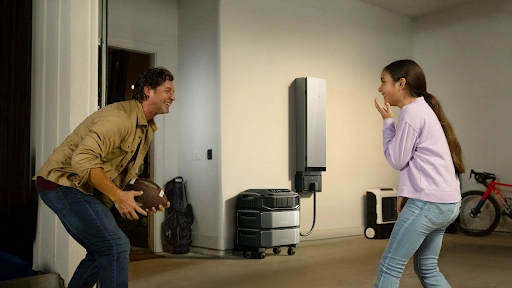
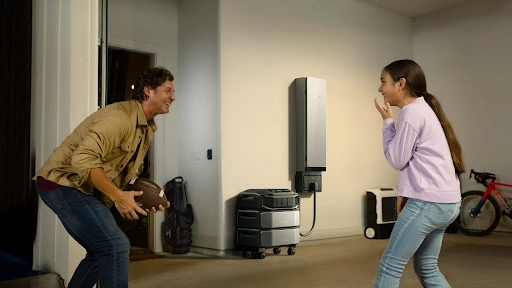
Since the sun eventually sets and the wind can die down without warning, battery storage has become the “glue” holding the modern grid together. We’re seeing a massive rise in home microgrids. This is where families stop being helpless customers and start taking control of their own energy security.
The financial rules for clean energy have completely flipped. By 2026, the old days of using the grid as a “free battery” through net metering are pretty much gone. Most utility companies now pay you pennies for the power you send them, then turn around and charge you a premium when you need it back at night.
This is where Energy Arbitrage comes in. If you’re using something like the EcoFlow DELTA Pro Ultra X Whole-Home Backup Power, you aren’t just waiting for a blackout to happen; you’re playing the market. The real win here: you store your solar harvest during the day when it’s “free,” then you discharge it during that expensive 4 PM-9 PM peak pricing window. You’re effectively “buying” your own electricity for $0.00 and dodging the grid’s most aggressive price hikes. It’s a genuine financial defense strategy.
Hybrid Energy Systems (Solar + Wind + Storage)
By mixing different sources, we can balance the load. When a storm rolls in and the wind picks up, those turbines take over for the solar panels. When both are quiet, the batteries kick in. It creates a seamless stream of electricity that doesn’t depend on a single “hero” source.
Smart Grids and Energy Distribution in 2026
Modern grids now use AI to predict demand before it actually happens. By routing power exactly where it’s needed in real-time, we’re seeing a massive drop in waste and a lot fewer of those annoying brownouts that used to plague suburban neighborhoods every August.
The Future of Clean Energy in the United States
The road to 2050 is paved with innovation, but the real changes are happening right now. We’re seeing more “smart grids” that use AI to balance energy supply and demand in real-time. It’s a massive upgrade from the aging infrastructure we’ve been leaning on for decades.
Federal Policies and Clean Energy Incentives
Federal authorities continue to offer significant tax credits for everything from heat pumps to residential battery installations. These incentives make it substantially more feasible for the typical homeowner to transition to renewable systems without a prohibitive financial burden. If you are planning a major infrastructure upgrade in 2026, verifying local and federal rebates is a critical first step.
Growth of Distributed Energy and Home Power Systems
The future is decentralized. We’re moving away from relying on a few massive, vulnerable power plants. Instead, our energy will increasingly come from millions of interconnected rooftops and home batteries. It’s a “power by the people” model that makes the whole country more resilient to storms and cyberattacks.
Path Toward Net-Zero Emissions by 2050
While the 2050 goal is definitely ambitious, the rapid growth of distributed energy systems, alongside large-scale utility projects, reflects a broader transition toward a low-carbon energy future. It’s not going to happen overnight, but the momentum in 2026 is undeniable.
Conclusion
By 2026, clean energy has transitioned from an environmental ideal into a matter of operational efficiency. It represents a shift toward personal energy independence and the adoption of superior technology to mitigate the risks of an aging grid. Investing in a robust backup system like the DELTA series is more than a sustainable choice; it is a strategy for future-proofing your home in a more resilient energy era.
FAQs
Does renewable energy depend on weather?
Yes, it does. Solar and wind are “intermittent,” meaning they only work when the sun is up or the wind is blowing. This is exactly why pairing them with a battery storage system is a non-negotiable for anyone who wants a consistent power supply 24/7.
How reliable is clean energy?
It’s rock solid as long as you have a diversified setup. Sources like geothermal and nuclear provide the steady “always-on” power, while batteries bridge the gaps left by sun and wind. When you manage it right, it’s actually more reliable than the old centralized grid.
How long do energy transitions take?
The big national shift takes decades, but for a homeowner, it can happen in a single afternoon. A plug-and-play solar and storage system lets you transition your own house almost instantly.
What is the impact of affordable and clean energy?
The big wins are lower utility bills over the long haul and better air quality in our cities. Also, the tech is creating millions of local jobs in installation and maintenance across every state.
What happens to unused energy from solar panels?
You can send it back to the utility company for a small credit, but in 2026, that’s usually a bad deal. Most people prefer to dump that extra energy into a home battery so they can use it at night for free.
What is the major barrier to adoption of renewable energy?
The upfront cost of the gear is still the main hurdle for most people. Even with tax credits, it’s a big investment. Our aging national grid infrastructure is the other major "speed bump" we're still working to fix.
For press requests or interview opportunities, reach out to our media team
media.na@ecoflow.com