How Many Watts Does a Dishwasher Use? Running Cost Guide
- What Is Dishwasher Wattage?
- How Many Watts Does a Dishwasher Use?
- How Much Does It Cost to Run a Dishwasher?
- What Factors Affect Dishwasher Energy Use?
- How Can You Reduce Dishwasher Running Costs?
- Can You Run a Dishwasher on a Portable Power Station or During an Outage?
- Frequently Asked Questions
- Reliable Backup Power Keeps Your Dishwasher and Kitchen Running Through Any Outage
Dishwashers are more energy-efficient than many people expect, but their wattage isn’t constant throughout a cycle, which makes estimating running costs a bit tricky. This guide covers a typical dishwasher’s wattage, what a load actually costs, how to reduce running costs, and how to plan for running one during a power outage.
What Is Dishwasher Wattage?
Dishwasher wattage refers to how much electrical power the appliance draws while operating. Unlike a light bulb or fan, a dishwasher doesn’t pull a steady amount of power for the entire cycle; its pump and control electronics use a relatively low, consistent amount of electricity throughout the wash, while the heating element, which heats the water and powers the drying cycle, creates a much higher short-term demand when it’s active.
Because of the demand changes, a dishwasher’s power draw rises and falls significantly at different points in a single cycle. Unlike a window AC unit or an electric blanket, where power demand momentarily spikes, dishwashers experience surges in demand that last up to 30 minutes, which is closer in pattern to a washing machine's cycle than either of those.
How Many Watts Does a Dishwasher Use?
Peak power draw for most residential dishwashers falls somewhere between 1,200 and 2,400 watts, with roughly 1,500 to 1,800 watts common while the heating element is engaged. The pump and control electronics that run for most of the cycle use far less (often under 200 watts) while the heating element is what pushes the total toward the higher end of that range during water heating or drying.
Annual energy use tells a clearer story: under current ENERGY STAR criteria, a standard-size certified dishwasher can use no more than 240 kWh a year over 215 cycles, or about 1.1 kWh per load.
Because peak draw is what matters for backup power planning rather than the average, sizing a power station around a dishwasher alone can lead to over-buying capacity for the rest of the kitchen.
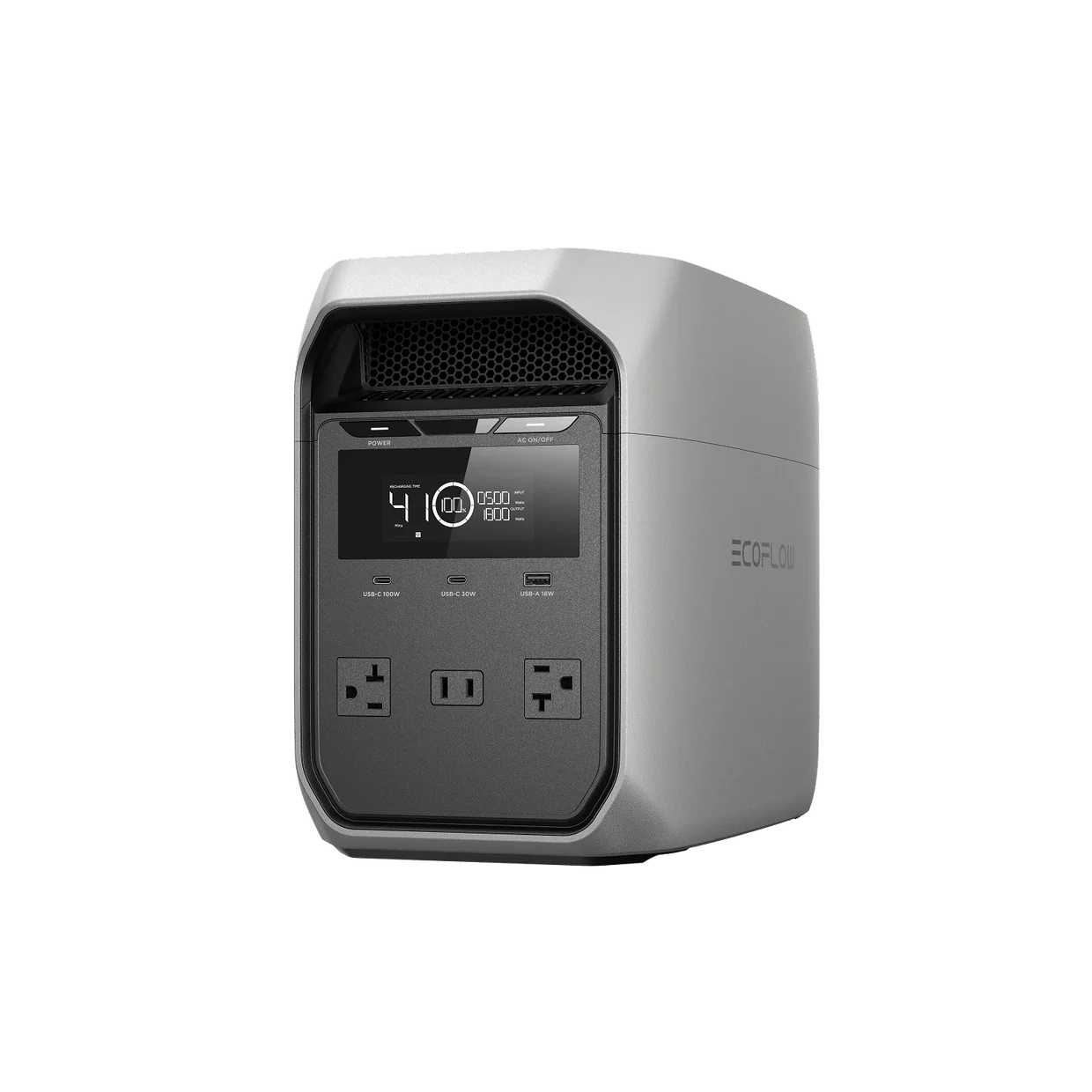
The EcoFlow DELTA 3 Classic is built to handle loads in this range, with enough continuous output and capacity to get a full cycle done without dedicating a larger whole-home system to a single appliance.
How Much Does It Cost to Run a Dishwasher?
Running a dishwasher typically costs between about $0.20 and $0.45 per cycle in electricity alone, depending on the appliance's efficiency and the cycle selected. That's based on ENERGY STAR's 240-kWh-per-year rating for standard certified models and the national average residential electricity rate of roughly 18 to 19 cents per kWh in early 2026.
For a household running the dishwasher four to five times a week, that adds up to roughly $45 to $50 a year for an efficient model or somewhat more for an older or less efficient machine.
Water, detergent, and rinse aid add a bit more on top of the electricity cost, though the amount varies by household and local water rates. Your exact cost also depends heavily on where you live, since residential electricity rates vary widely across the U.S., from around 12 cents per kWh in some states to well over 30 cents in others.
What Factors Affect Dishwasher Energy Use?
Several factors influence how much energy a dishwasher consumes on a given run. Cycle selection matters most as heavy or sanitize cycles use significantly more hot water and energy than eco or quick-wash settings. Heated drying, when enabled, adds a significant amount to the total wattage, so switching to air-dry can noticeably lower running costs.
Water temperature and your water heater’s efficiency also play a large role, since heating water for the wash accounts for a substantial share of a dishwasher’s total energy use. The appliance’s age and efficiency rating also matter. Older dishwashers often use much more water and energy per load than modern ENERGY STAR-certified models.
How Can You Reduce Dishwasher Running Costs?
A few simple habits can significantly lower what you spend running your dishwasher. Run only full loads rather than partial ones, since a dishwasher uses roughly the same amount of energy and water regardless of how many dishes are inside. Choose eco or normal cycles over heavy or sanitize settings whenever possible, and skip the heated dry option in favor of air-drying.
Running the dishwasher during off-peak hours, if your utility offers time-of-use pricing, can also lower your rate per kWh. Upgrading to an ENERGY STAR-certified model is worthwhile if your current dishwasher is older, since efficiency standards have improved dramatically.
Can You Run a Dishwasher on a Portable Power Station or During an Outage?
Running a dishwasher on a portable power station or whole home backup power solution is possible, but it requires more capacity than many other appliances because of its heating element. A dishwasher’s peak wattage, typically in the 1,200 to 2,400 watt range, is the number that matters for backup power planning, since the power station needs to handle that peak output, even if average consumption is lower across the full cycle.
A portable power station rated for at least 1,800 to 2,000 watts of continuous output, with adequate battery capacity for the full cycle length, can typically run a standard dishwasher.
Frequently Asked Questions
Can a Portable Power Station Run a Dishwasher?
Yes, but you’ll need a power station rated for at least 1,800 to 2,000 watts of continuous output to safely handle the heating element’s peak demand, along with enough battery capacity to cover the full one- to two-hour cycle.
How Many Watts Do You Need to Run a Dishwasher During a Power Outage?
Plan for 1,800 to 2,400 watts of available capacity to safely cover a dishwasher’s peak draw, even though its average consumption across a full cycle is typically lower. Check the wattage rating on your specific model for sizing a power station.
Is Hand-Washing Cheaper Than Using a Dishwasher?
Yes, in most cases. Dishwashers use less water and less energy than hand-washing the same dishes. An ENERGY STAR-certified model uses less than half the energy of hand-washing and can save an estimated 8,400 gallons of water a year. The exception is a small load of just a few dishes, where a quick hand wash may use less overall.
Does a Dishwasher Use More Electricity Than a Washing Machine?
It depends on the models being compared, but the two appliances are fairly close in their electricity use per cycle, since water heating accounts for a large share of their energy consumption. A washer’s larger water volume can push its energy use higher.
Reliable Backup Power Keeps Your Dishwasher and Kitchen Running Through Any Outage
A dishwasher's power draw can reach up to 2,400 watts at its peak, with the heating element driving most of the variation in both wattage and cost. Because dishwashers need a meaningful amount of continuous power to run safely, having reliable backup power on hand means one less thing to plan around during an outage.
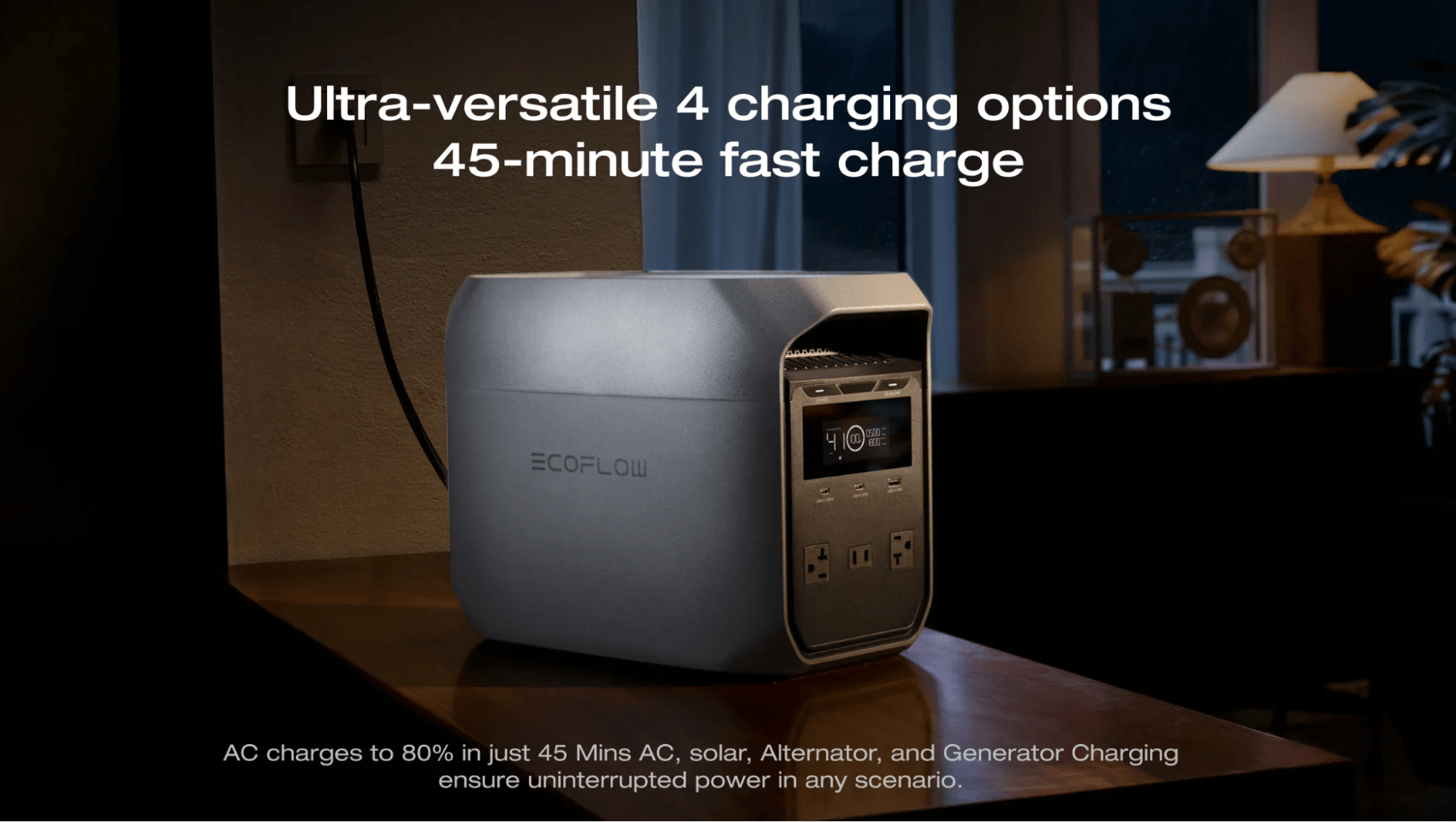
For sizing that backup around specific kitchen appliances, the EcoFlow DELTA 3 Classic or a larger unit from the EcoFlow portable power stations lineup can keep a dishwasher, and the rest of the kitchen, running through a short outage, without needing to invest in a full whole-home system.
For press requests or interview opportunities, reach out to our media team
media.na@ecoflow.com