How Many Watts Does an Electric Blanket Use? (Power Draw + Running Costs)
Electric blankets can keep you warm for just a few cents per night, making them one of the most affordable ways to stay cozy during colder months. Still, it’s helpful to understand how much electricity they use, especially when you compare blankets to other heat sources. Learn how electric blankets work, their energy use, and average operating costs.
What Is an Electric Blanket, and How Does It Work?
An electric blanket is a self-heating blanket that you plug into a wall outlet. The heating elements are woven into the blanket and connected to a controller that regulates the temperature.
So, instead of relying solely on your own body heat, you can stay warm on cold nights without turning up the thermostat. Since it’s generating heat directly on your body, an electric blanket uses less electricity than heating an entire room.
Most electric blankets are adjustable, too, so you can use them for everything from chilly feet to staying warm on frigid winter nights. Newer models also include timers and automatic shutoffs for safety.
What Are Typical Wattage Ranges for Electric Blankets?
Electric blanket power usage varies by manufacturer, size, and heat setting.
You can expect to use 100–200W for most standard models, with larger or higher-setting blankets reaching 300W+. Most standard electric blankets operate around 60–120W, but some king-size models or extra-warm settings can reach 200W or more.
Even if you draw 200W, that isn’t a lot of energy. It’s just a fraction of what a typical space heater would use, which is around 1,500W.
That low power draw is one reason electric blankets are so popular during winter. Running one overnight usually has only a small impact on your electricity bill, especially compared to heating an entire room or house. You can also maximize the electric blanket's efficiency by maintaining it over time and pairing it with other heat sources.
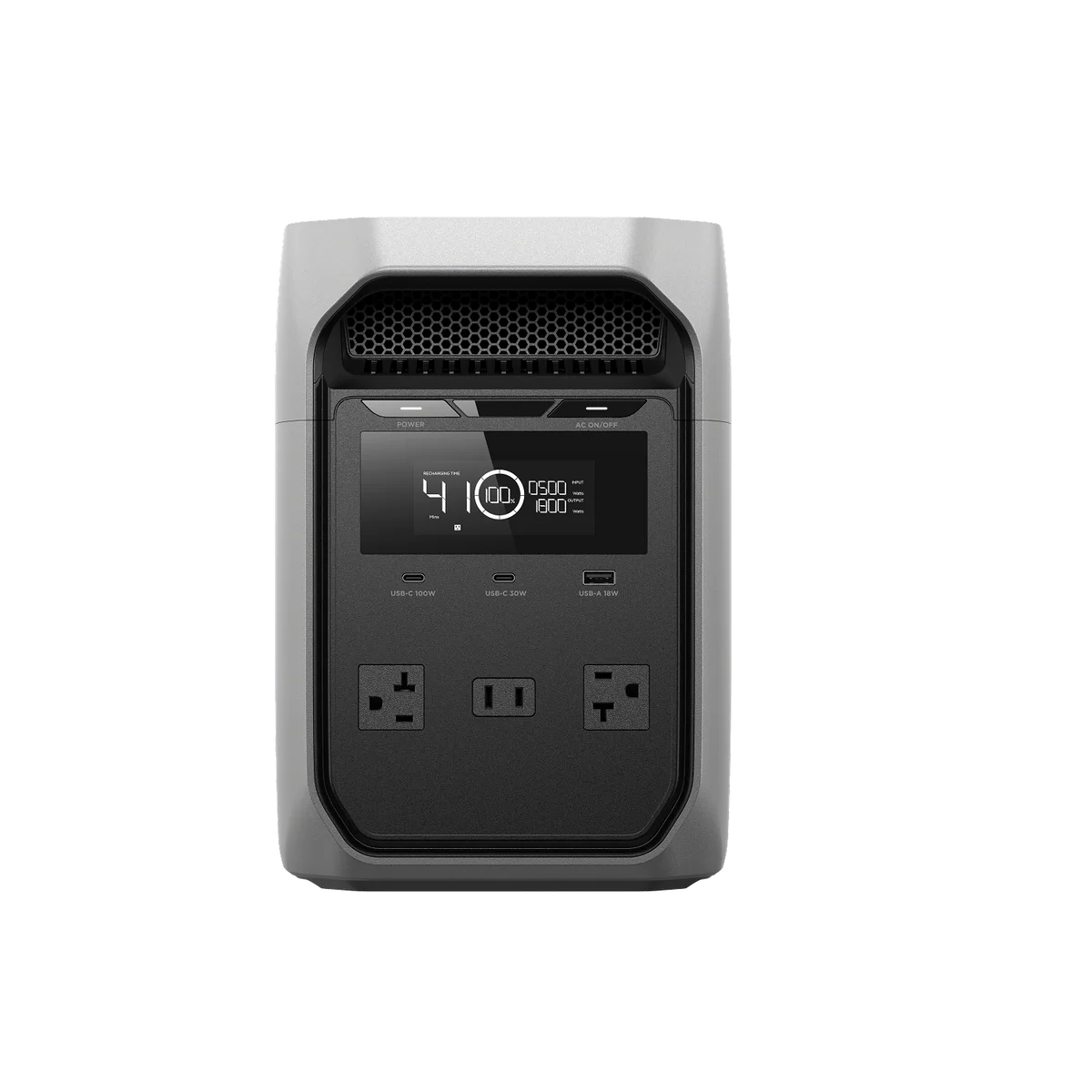
A portable power station like the EcoFlow DELTA 3 Classic can keep an electric blanket running for hours while consuming only a small portion of its battery capacity.
How Do You Calculate Energy Use and Running Costs?
Electric blankets don’t need much energy, but you’ll still need to understand their average use. That’s especially important if you’re using a battery or whole-home backup power solution that needs to account for all energy use.
If you're curious about how much electricity your electric blanket actually uses, you have two options. You can measure it directly or estimate it based on the blanket's wattage.
Measuring exact usage can be tricky. In theory, you could turn off every other appliance in your home and monitor your electric meter, but that's not very practical. That's why most homeowners estimate energy use using the blanket's rated wattage and the number of hours they use it each day.
How Do You Convert Watts and Hours to Wh and kWh?
Utility companies charge for electricity in kilowatt-hours (kWh), so that's the number you need to calculate. Start by multiplying the blanket's wattage by the number of hours you use it:
Watts X Hours used = Watt-hours
For example:
100W blanket X 8 hours = 800Wh
150W blanket X 8 hours = 1,200Wh
To convert watt-hours to kilowatt-hours, divide by 1,000:
Wh / 1,000 = kWh
For example:
800Wh = 0.8kWh
1,200Wh = 1.2kWh
How Much Does It Cost to Run an Electric Blanket?
Once you know the kWh your electric blanket uses, multiply that number by your electricity rate.
kWh used X Electricity rate = Cost
For example, let's say you have a 200W electric blanket and use it for 10 hours:
200W X 10 hours = 2,000Wh
2,000Wh / 1,000 = 2kWh
Look at your energy bill or utility portal to see how much your provider charges per kWh. If your electricity costs $0.17-$0.18/kWh, that's about $0.34-$0.36 a night.
How Do Electric Blankets Compare to Other Heating Options?
Since they heat your body and not the entire room, electric blankets are one of the more energy-efficient ways to stay comfortable when temperatures drop.
A heated mattress pad uses 60 to 200W, which puts it in line with electric blankets. But if you want to use a space heater, expect to use anywhere from 750 to 1,500W. Radiant floor heating electricity use is around 10 to 15 watts per square foot, or up to $300 monthly for a 1,500-square-foot home.
To put that into perspective, running an electric blanket all night uses less electricity than running a space heater for an hour. Electric blankets also have an advantage during power outages and winter storms because their relatively low wattage makes them easier to run from backup power.
Frequently Asked Questions
How Many Watts Does a Typical Electric Blanket Use?
Most electric blankets use between 50 and 150 watts, but larger models and higher heat settings can reach 200 watts or more. The exact power draw depends on the blanket's size, temperature setting, and design. Most blankets cycle on and off during use, so they don't continuously consume their maximum rated wattage.
Are Electric Blankets Energy Efficient?
Yes. Electric blankets are among the most energy-efficient heating options available because they warm you directly instead of heating an entire room. Most use only a small fraction of the electricity required by a space heater or central heating system. With a solar generator or power bank, they could run even more efficiently.
Save Money, Increase Safety, Maintain Comfort
Electric blankets use surprisingly little electricity, with most models consuming between 50 and 200 watts. That low power draw makes them one of the most affordable ways to stay warm in the winter. By understanding your blanket's wattage, estimating running costs, and comparing it to other heating options, you can make smarter choices about energy use without sacrificing comfort.
Comfort matters, but peace of mind is everything when winter storms strike. The EcoFlow DELTA 3 Classic can power low-wattage essentials like electric blankets for hours, giving you warmth and peace of mind when the grid goes down.
For press requests or interview opportunities, reach out to our media team
media.na@ecoflow.com