How Does Solar Energy Work? Understanding Solar Power From Sunlight to Electricity
Solar panels work by converting sunlight into electricity through the photovoltaic effect. When sunlight hits the semiconductor material inside a panel, it creates an electrical current. This flow of electricity is direct current (DC). An inverter is then used to convert that electricity into alternating current (AC) that your home runs on.
In this guide, we’ll follow the path of solar energy starting with the sunlight to your solar panels, and then to the inverter, home appliances, battery storage, and the utility grid.
How Does Solar Energy Generate Electricity for Your Home?
Solar panels convert sunlight into electricity through the photovoltaic (PV) effect. The process involves three main steps: generating DC electricity, converting it to AC power, and supplying electricity to your home.
Solar Panels Capture Energy From Sunlight
When sunlight hits the photovoltaic material inside a solar panel, photons transfer the solar energy to a semiconductor material through the photovoltaic effect. This transfer creates an electrical current. Most residential panels use silicon cells. Knowing how do solar panels work helps homeowners understand how these silicon cells generate direct current (DC) electricity, which then flows directly to an inverter.
Solar Inverters Convert Power for Home Use
Solar panels produce DC electricity. However, your home’s power plugs and household appliances use alternating current (AC). An inverter is used to convert the solar panel’s DC output into AC electricity, and synchronizes it with the home’s electrical system.
Residential systems may also use equipment such as string inverters, power optimizers, or microinverters, depending on the system design, roof layout, and shading conditions.
Solar Electricity Powers Home Appliances
When exploring how does solar energy work to produce electricity, a crucial step is integrating the solar system directly into your home’s main electrical panel. Once converted to AC power, solar electricity can be used to run household appliances directly. If solar production is lower than demand, the utility grid or a battery can provide the difference. If solar production exceeds demand, the excess can charge a storage battery. The excess power can also be exported to the utility grid, depending on the system configuration and local utility rules.
How Do Homes Use Solar Energy After It Is Generated?
Generating clean kilowatt-hours is an important first step. The next step is how you use that additional energy to get the most benefit. How your home’s power system manages that energy across changing daily routines will determine your actual financial savings. Modern residential power systems are built to be flexible and respond to changing daily routines.
Use Solar Power During Daytime Hours
Solar production is often highest during the late morning and early afternoon. This varies based on many factors like location, season, weather, roof orientation, shading, and system design. During these hours, solar production is often enough to cover a significant share of household electricity demand. Some homes may also have excess generation available for battery charging or export to the grid.
To maximize your return on investment, use high power consumption devices during these peak production windows if possible, especially if you don’t have battery storage.
Schedule pool pumps and dishwasher cycles to run between 11:00 AM and 2:00 PM.
Charge plug-in hybrids or EVs while working from home during midday hours.
Pre-cool living spaces in early afternoon before peak utility rates kick in.
| Time of Day | Solar Production | Typical Home Activity | Primary Energy Flow |
|---|---|---|---|
| Morning (6 AM – 9 AM) | Low to Moderate | Coffee makers, breakfast cooking, morning routines | Mixed: Solar + Utility Grid |
| Midday (10 AM – 3 PM) | Peak | Baseline appliances, HVAC, pool pumps, laundry | 100% Rooftop Solar (Excess available) |
| Late Afternoon (3 PM – 6 PM) | Declining | Dinner prep, TVs, ovens, return from work | Mixed: Solar + Battery / Grid |
| Night (6 PM – 6 AM) | Zero | Lighting, entertainment, sleeping HVAC | Battery Storage or Utility Grid |
Use Grid Power When Solar Output Is Low
Solar production fluctuates with weather patterns, seasonal angles, and time of day. When heavy rain rolls in or dusk approaches, your panels naturally produce less, dropping below what your household needs.
When household electricity usage is greater than the current solar production, a grid-connected system can automatically draw the difference from the utility grid. When solar production exceeds home usage, the excess can be used to charge a connected battery or flow to the grid. This will depend on the system installed and utility rules.
Monitor Solar Production and Energy Use
Modern systems give you a real-time view of your energy footprint via dedicated mobile apps and smart bi-directional energy meters.
From your smartphone, you can track current generation (kW), real-time household consumption, historical trends, and utility grid imports or exports. This visibility helps families identify when power is used the most, and even identify equipment operating problems. Knowing usage patterns, you can adjust your daily routines to try and capture the highest possible bill credits.
What Happens to Excess Solar Energy?
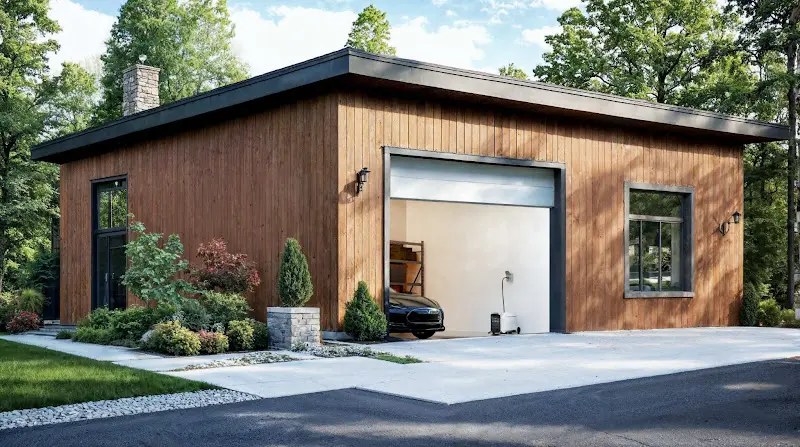
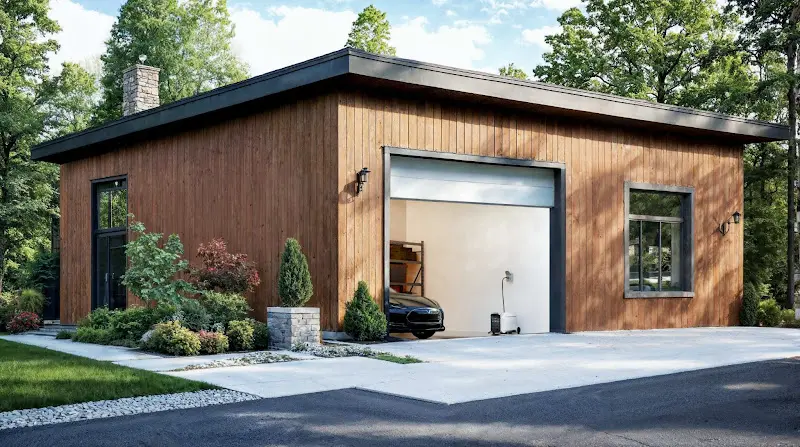
Solar power generation usually peaks right around noon when many households are empty and usage is low. Your rooftop panels frequently produce substantially more energy than your home can consume at that moment. To maximize the benefit of the excess solar power, your system has two primary options. The excess electricity can be exported to the grid or stored in a battery, depending on your system.
Send Extra Solar Power Back to the Grid
In a grid-tied home without battery storage, excess electricity can flow through a bi-directional meter to the utility grid.
The compensation you receive for exporting any surplus energy depends on your utility and local policies. Under traditional Net Energy Metering (NEM), exported electricity can receive bill credits applied at retail rates. Newer programs, such as California’s Net Billing Tariff (often called NEM 3.0), generally provide lower compensation, which could be below the retail rate. As a result, using more solar power at home and storing any excess generation could be more valuable.
Store Excess Solar Energy With Batteries
A home battery stores surplus solar electricity during periods of high production and makes it available later. This helps especially in the evenings or when solar output is low.
Adding a portable energy storage solution, such as the EcoFlow DELTA Pro 3 Portable Power Station, gives homeowners another option for storing solar energy and using it when needed. With LiFePO4 battery technology and expandable capacity, it can support a range of household backup needs, although available runtime will vary based on the connected devices and system configuration.
Use Stored Energy at Night and on Cloudy Days
Battery storage allows homeowners to use their own solar electricity after sunset instead of relying entirely on the grid. Using the battery backup in the evenings also reduces grid consumption during higher-priced Time-of-Use (TOU) periods.
During the following day, the solar system can power household loads and recharge the battery. This creates a repeating cycle of solar generation → storage → household use and back to solar generation.
.webp)
.webp)
How Can Solar Energy Support Backup Power During Outages?
Designed to protect line workers from dangerous back-feeding, standard grid-tied solar systems automatically shut down the moment a blackout hits. If keeping your lights on during a blackout is the goal, pairing your setup with a fully integrated battery solution becomes essential.
Prepare for Storm and Grid Outages
Power interruptions are increasingly common in many regions due to severe summer thunderstorms, winter blizzards, or utility-mandated Public Safety Power Shutoffs (PSPS). Standard rooftop solar panels by themselves cannot keep your lights on when the local grid drops out.
Adding on-site battery storage allows your solar system to continue supplying electricity during an outage by creating a more resilient backup setup. For extended blackouts or additional flexibility, a portable solar generator provides another way to keep essential devices running when grid power is unavailable.
Keep Essential Home Devices Running
When a power outage happens, maintaining basic home comfort and safety is the top priority. Adding a reliable battery backup to your power outage emergency kit ensures your critical household devices remain operational:
Food Preservation: Keeping full-sized refrigerators and deep freezers cold to avoid costly food spoilage.
Connectivity & Work: Powering home Wi-Fi routers, laptops, and mobile communication gear.
Medical Needs: Supplying continuous, clean electricity for CPAP devices and temperature-sensitive medications.
Comfort & Security: Running security systems, basic LED room lighting, and circulation fans.
Add Solar Generators for Backup Power
Solar panels can lower reliance on everyday utility grid usage. Unexpected grid failures require an immediately available, and dependable backup reserve to keep critical devices running. Solar generator systems with batteries store solar energy and supply clean, instant power when grid electricity is offline.
The EcoFlow DELTA 3 Max Plus provides a versatile, plug-and-play portable solar generator designed specifically for residential emergency backup. It delivers high power output, capable of fast solar charging, and quiet indoor-safe operation. The EcoFlow DELTA 3 Max Plus keeps full-sized refrigerators, Wi-Fi routers, lighting, and essential consumer devices running through temporary outages. Your family can maintain security and uninterrupted comfort until utility crews restore service.
Conclusion
Once you understand how solar energy works and how it complements home energy usage, you can see why it has become a dependable system for modern households. Producing electricity from the sun using solar panels is a proven technology that can be readily adapted to your home. When homeowners combine solar panels with a battery storage system they can enjoy daylight energy well into the evening. With an appropriately sized backup power system, homeowners can use solar energy to reduce reliance on grid electricity, and have reliable power during outages.
FAQ
How Does a Solar Panel Convert Sunlight to Energy?
A solar panel converts sunlight into energy through the photovoltaic effect, which occurs when light particles (photons) strike silicon semiconductor cells, knocking electrons loose and generating a direct current (DC) flow of electricity. That raw DC power then passes through an inverter, which converts it into alternating current (AC) electricity compatible with standard household outlets and appliances.
What Happens After 20 Years of Solar Panels?
Solar panels usually continue producing electricity after 20 years, although their output gradually decreases over time. Most modern panels are designed to last 25–30 years, with many manufacturers offering 25-year performance warranties that cover gradual power loss and specify a minimum expected output level at the end of the warranty period.
What I Wish I Knew Before Getting Solar Panels?
One thing many homeowners don’t realize is that grid-tied solar panels usually shut down during a power outage for safety reasons. To keep using solar energy when the grid goes down, you’ll need a battery storage system or another backup solution. It’s also worth checking your local net metering rules and evaluating factors like tree shading, as these can affect your actual energy savings and bill credits.
What Is the Downside of Solar Panels on a House?
The primary downsides of residential solar panels are the upfront purchase and installation costs, along with their dependence on daylight and weather conditions. Furthermore, homes with older roofs may require roof replacement before installation, and households under strict net-metering rules may see reduced financial returns without adding battery storage.
What Is the Cheapest Way to Power My Home?
Long-term savings usually come from a combination of energy-efficient habits, a properly sized rooftop solar system, and on-site battery storage that helps reduce exposure to expensive peak electricity rates. For renters or homeowners with limited budgets, a more flexible starting point may be portable solar generators or plug-in solar panels, which can provide power for essential devices without requiring major electrical upgrades.
For press requests or interview opportunities, reach out to our media team
media.na@ecoflow.com