How Many Watts Does a Hot Tub Use? Running Cost Guide
- How Many Watts Does a Hot Tub Use?
- How Much Does It Cost to Run a Hot Tub Per Month?
- What Factors Affect Hot Tub Running Costs?
- How Do You Calculate Your Hot Tub's Electricity Cost?
- How Can You Lower Your Hot Tub's Energy Costs?
- Frequently Asked Questions
- Reliable Backup Power Keeps Your Hot Tub Running Through Any Outage
A hot tub is one of the highest-consuming appliances in many homes, but how much it adds to your electric bill depends on its voltage, size, insulation, and more. This guide covers the typical hot tub wattage, monthly running costs, and simple ways to keep your energy bill under control.
How Many Watts Does a Hot Tub Use?
Most hot tubs use between 1,500 and 6,000 watts while actively heating, depending on the heater’s voltage and whether the pump and jets are running. This wattage can work out at roughly 3 to 7.5 kilowatt-hours (kWh) of electricity per day, though some larger or older models can use more, making hot tubs one of the most power-intensive household appliances.
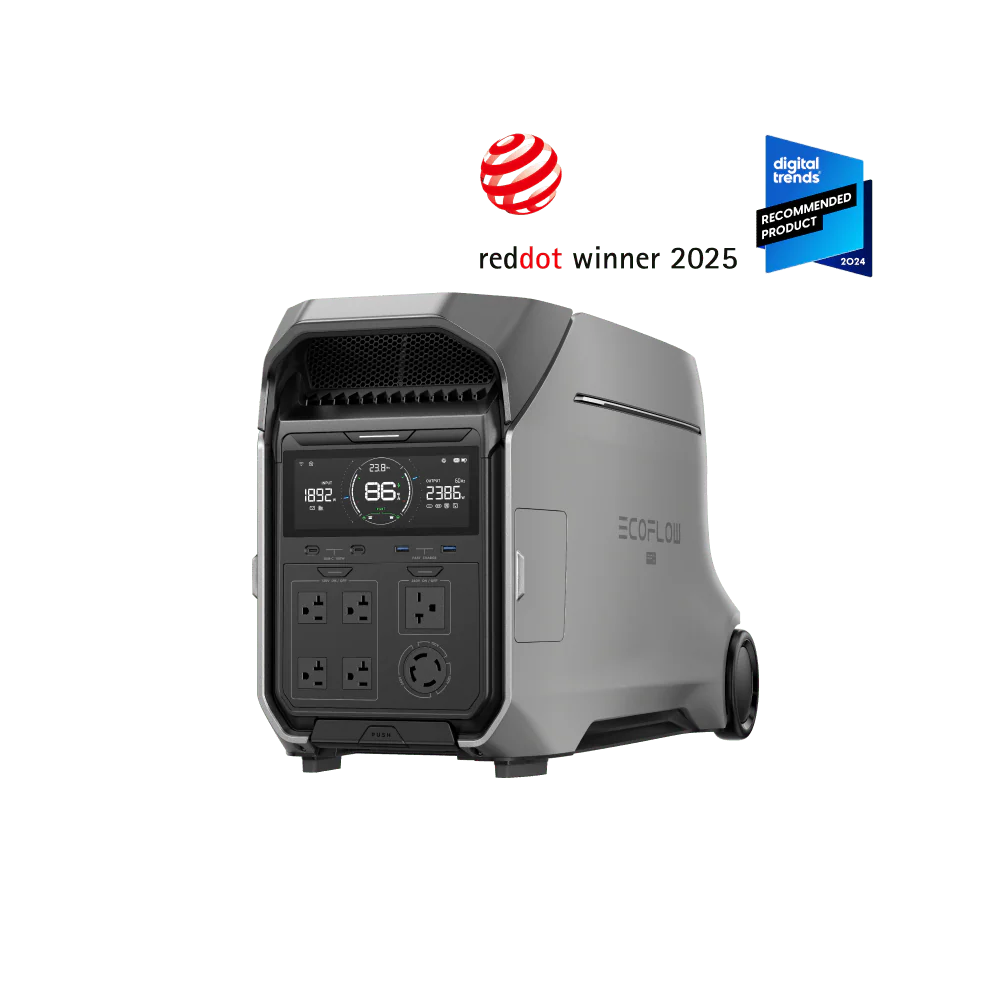
The heater is typically the biggest draw, since it must bring the water up to temperature and then maintain it, even when the tub isn’t in use. Power outages can cause the water to cool, forcing the heater to work overtime to bring it back up to temperature. Battery backup like the EcoFlow DELTA Pro 3 helps mitigate this risk by providing reliable power during outages.
120V vs. 240V Hot Tubs
Hot tubs typically run on either a standard 120-volt household outlet or a dedicated 240-volt circuit. A 120V heater typically draws between 1,000 and 1,500 watts, making it the lower-power option often found in smaller, plug-and-play spas. A 240V heater can draw as much as 6,000 watts, but its shorter run times offset some of that higher draw. Most full-size hot tubs use a 240V circuit for this reason.
Heater vs. Pump Wattage
The heater is responsible for raising and maintaining water temperature and is the largest energy consumer, especially in the first couple of days after filling the tub. The circulation pump, which keeps water moving through the filter and jets, typically draws around 1,500 watts on its own. When the pump and heater run simultaneously, such as during active use with jets on, total wattage draw is at its highest.
How Much Does It Cost to Run a Hot Tub Per Month?
Running a hot tub typically costs $30 to $70 per month, though costs can range as low as $10 to $20 for highly efficient, well-insulated models and as high as $100 for poorly insulated tubs. The wide range depends on a combination of tub size, local electricity rates, climate, and how well the tub retains heat between uses.
What Factors Affect Hot Tub Running Costs?
Tub Size and Gallon Capacity
Larger tubs hold more water, which takes more energy to heat and more energy to maintain at a high temperature. A smaller 2- to 3-person spa often uses around 90 to 150 kWh per month, while a mid-sized 4- to 6-person model runs around 150 to 200 kWh per month. Larger tubs can use over 200 kWh monthly.
Climate and Season
Cold weather forces the heater to work harder to offset heat loss caused by the surrounding air. This increased activity can raise monthly costs by 20% to 30% or more during winter months. Hot tubs located in exposed, windy, or shaded areas also tend to lose heat faster than those in sheltered spots.
Insulation and Cover Quality
The majority of a hot tub’s total energy use goes toward maintaining temperature, making insulation and cover quality two of the biggest factors in running cost. Full-foam insulation and a sealed base help retain heat far better than alternative insulation designs, and a high-quality, well-fitted cover can cut heating costs substantially.
How Do You Calculate Your Hot Tub's Electricity Cost?
Find your hot tub’s wattage by checking the owner’s manual or rating plate on the side of the unit, and estimate how many hours per day the heater and pump run. Divide the watts by 1,000 and multiply by the hours of use to find the total kilowatt-hours. Multiply the daily kWh figure by the electricity rate found on your utility bill to determine the daily cost of running the hot tub.
How Can You Lower Your Hot Tub's Energy Costs?
A few habits and upgrades can meaningfully cut your hot tub’s electricity use. Keep the cover in good condition and replace it once it becomes waterlogged or damaged.
Avoid setting the temperature higher than necessary, as the extra degrees add to heating costs.
Run jets and filtration on a programmable timer rather than continuously, and keep the filters clean so that the pump doesn’t work harder than it needs to.
Choose a spa with full-foam insulation, a sealed base, and a high efficiency rating to maximize savings in the long run.
If your utility offers a time-of-use plan, run your filtration cycles during off-peak hours to lower your rate per kWh.
Frequently Asked Questions
How Many Watts Does a 240V Hot Tub Use?
A 240V hot tub heater typically draws up to 6,000 watts, though the actual power draw depends on the specific model, insulation, and how often the heater cycles on. The pump adds about 1,500 watts more when running. Check your unit's rating plate for the exact figure for your model.
Is It Cheaper to Leave a Hot Tub On All the Time?
Yes, in most cases it’s cheaper to leave a hot tub on all the time because the heater works much harder to reheat cold water than to maintain a steady temperature. Cycling the heater off and on also strains the heating element and takes longer to reheat cold water.
How Many Amps Does a Hot Tub Draw?
Most 240V hot tubs draw between 30 and 60 amps, depending on the model and heater size, which is why they require a dedicated circuit sized and installed according to local electrical code. Most full-size models fall around 50 amps. A licensed electrician should confirm the correct breaker size for your tub.
Does a Hot Tub Use a Lot of Electricity in Winter?
Yes, cold temperatures increase heat loss, so electricity use typically rises upwards of 20%, even with a good cover in place. The bigger the gap between water temperature and outdoor air, the harder the heater works. A well-insulated cabinet and a snug-fitting cover help keep that increase closer to the lower end.
Reliable Backup Power Keeps Your Hot Tub Running Through Any Outage
A hot tub can draw anywhere from 1,500 to 6,000 watts, costing households $25 to $60 a month to run. Cold temperatures and poor insulation push those costs higher, and an outage can leave cold water that takes even more energy to reheat.
A backup power source keeps that recovery from turning into a bigger problem. The EcoFlow DELTA Pro 3 is part of EcoFlow’s whole home backup power solutions, providing reliable power to keep your hot tub ready to use, no matter the situation.
For press requests or interview opportunities, reach out to our media team
media.na@ecoflow.com