How Much Does It Cost to Run a Hot Tub Per Month? (2026 Guide)
- What Really Drives Your Monthly Hot Tub Cost?
- Typical Monthly Hot Tub Electricity Use in 2026
- How to Calculate Your Hot Tub Cost in Dollars
- How to Cut Hot Tub Energy Costs Without Giving Up Comfort
- Backup Power and Smarter Energy Control for Hot Tub Owners
- Frequently Asked Questions
- Lower Your Monthly Hot Tub Cost and Enjoy More Soaks Year-Round
Nothing beats the relaxation offered by a hot tub. But tubs don't come cheap, and the purchase price is only part of the equation.
Let's take a look at what it really costs to keep a hot tub running and explore how you can protect your investment and lower your costs with smart energy strategies.
What Really Drives Your Monthly Hot Tub Cost?
The purchase price of a hot tub can be substantial, but it's the ongoing operating cost that you'll see popping up on your bills again and again. With that said, monthly costs are often more predictable than you might expect.
The running costs of a hot tub depend on:
Size
Bigger tubs contain more water, and that requires more energy to heat and maintain.
Climate
The colder the outdoor temperature, the more energy you'll need to keep your tub warm. So a hot tub in Florida will typically cost less to run than the same model in a Minnesota winter.
Insulation
Insulating the hot tub means it will lose heat more slowly, so you'll spend less money keeping it warm. That's why modern premium models are often cheaper to run than older units.
Temperature Settings
The higher the temperature, the more energy you need to put in to maintain it.
Cover Quality
A damaged cover allows heat to escape constantly. Replacing an old cover can often pay for itself in lower energy costs.
Power Outages
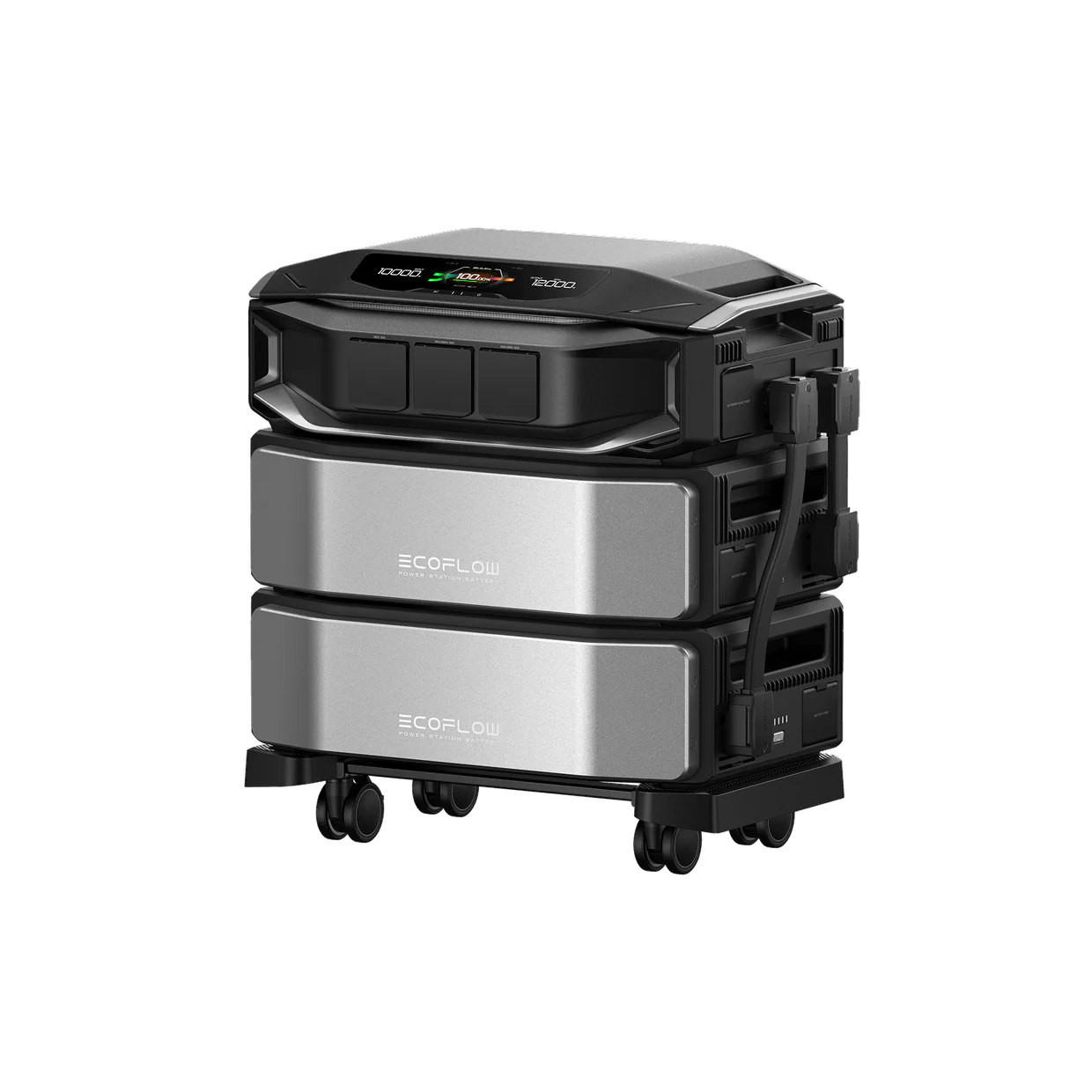
Losing power means your filtration stops and your water starts cooling, and that means more energy to reheat once power returns. A home backup system like the EcoFlow DELTA Pro Ultra X can keep your tub running through an outage and protect against that wasted energy.
Ultimately, hot tubs are no different from any other high-energy household appliance (even something like a gaming PC can quietly add to your bill). How you use your tub affects how much it costs you. That's why it helps to know how much electricity your oven uses and the impact of radiant floor heating; the more you understand your home’s energy profile, the better positioned you are to manage it.
Typical Monthly Hot Tub Electricity Use in 2026
Generally, a hot tub will consume between 150 and 500 kWh of electricity per month. That's quite a big range, but that's because it's very dependent on climate, insulation, and usage patterns.
Hot Tub Type | Estimated Monthly Usage |
Small, well-insulated spa | 150–250 kWh |
Average family hot tub | 250–400 kWh |
Large hot tub in cold climate | 400–500+ kWh |
Most homeowners will find their usage somewhere in the 250–350 kWh per month range.
Seasonality also matters. Just like with radiant floor heating, running your hot tub will cost a lot less in the summer than it does in the winter, since the heater won't have to work as hard to get up to temperature.
How to Calculate Your Hot Tub Cost in Dollars
If you want a more accurate picture of what running a hot tub will actually cost, it's fairly easy to calculate.
Here's the formula you need:
Monthly electricity use (kWh) x utility rate = monthly cost.
For example, if your hot tub uses 300 kWh per month and your electricity rate is $0.18 per kilowatt hour, you're looking at a cost of $54 per month (300 x $0.18). If, however, your electricity cost is $0.25 per kWh, that price jumps to $75 per month.
Check with your utility company to see how much you pay for a kilowatt-hour. Then, determine your hot tub’s energy usage to get a specific number for you.
Smart meters and energy monitoring systems can give you a more accurate picture of your actual consumption.
How to Cut Hot Tub Energy Costs Without Giving Up Comfort
There's not much point in having a hot tub if you're not going to use it because you're scared of the cost. There are far better ways to cut costs than using your tub less.
Upgrade the Cover
Heat rises, which means hot tubs lose a lot of heat from the water's surface. A high-quality insulated cover can quickly pay for itself in energy savings.
Lower the Temperature
Shaving off even one or two degrees from the hot tub temperature can reduce your energy use without compromising your comfort.
Use Economy Modes
Some newer models feature programmable energy-saving modes that can reduce the heating activity during periods of low use.
Protect Against Wind
Wind increases heat loss. Using fencing and privacy screens can improve efficiency by making your tub less exposed.
Insulate
These days, most hot tubs come with insulation. But older models can often benefit from having insulation added around the walls of the tub to prevent heat loss.
Backup Power and Smarter Energy Control for Hot Tub Owners
Power outages create challenges for hot tub owners. After all, hot tubs are made to run continuously.
It's more energy-efficient to maintain the water temperature than to constantly heat it from cold, so losing power can lead to more energy use. Without power, the water temperature will drop, and the filtration system will stop operating. In some regions, freezing damage can be an issue, too. That's why you may want to explore backup power solutions to keep your hot tub running during outages.
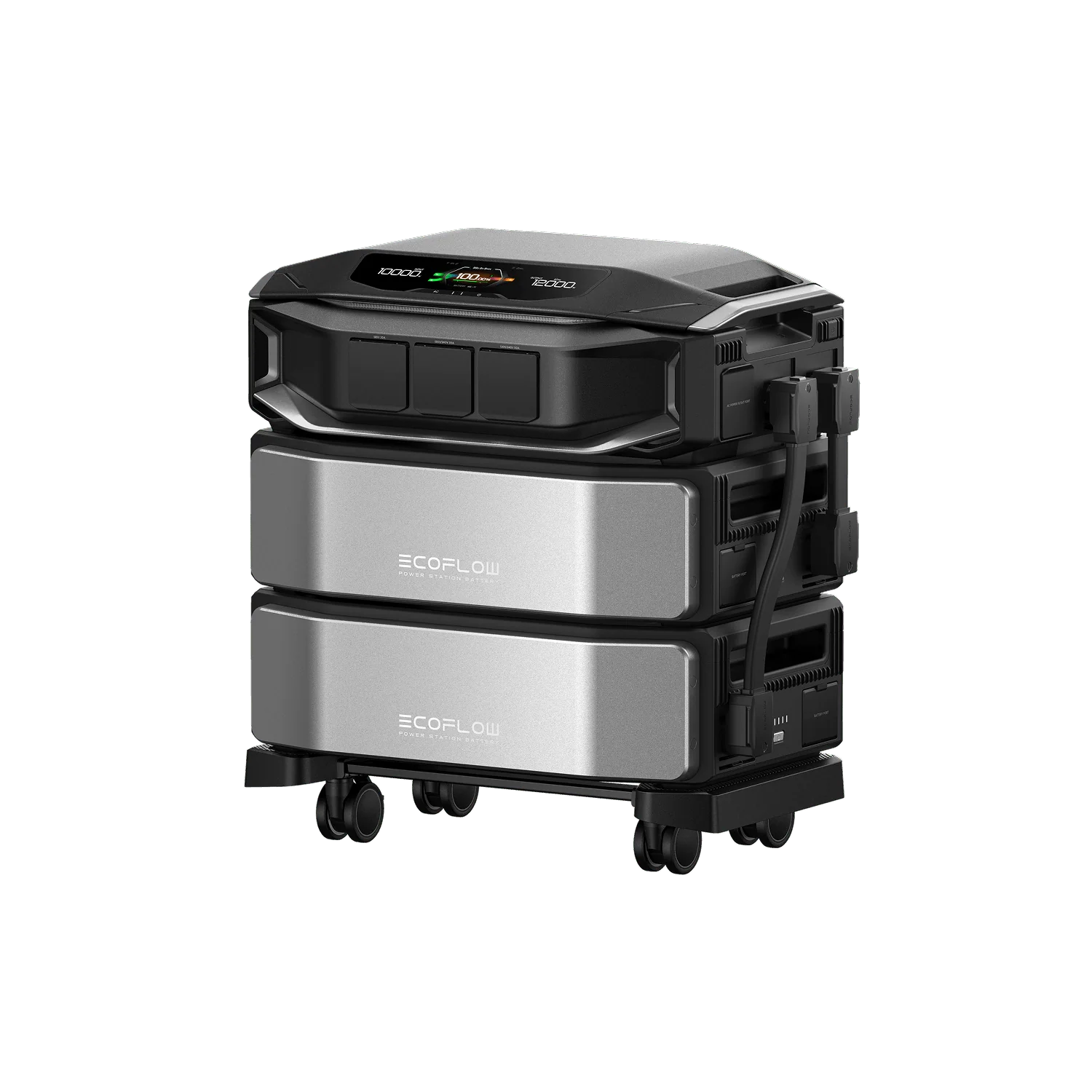
A home battery backup power system like the EcoFlow DELTA Pro Ultra X offers a scalable solution for this kind of load. It can power your hot tub alongside your other home appliances with 12–36kW output, and its modular design lets you expand capacity (up to 180kWh) as your energy needs grow.
Frequently Asked Questions
How Much Will a Hot Tub Add to My Monthly Electricity Bill?
Most hot tub owners spend about $30 to $100 per month. These costs will vary substantially according to the local electricity rates, the climate, the size of the tub, and the insulation quality.
Does Running a Hot Tub in Winter Cost More?
Yes. The colder the temperature, the more energy you need to keep the water hot. Running a hot tub in winter can cost significantly more than in summer.
Is It Cheaper to Keep a Hot Tub at Temperature or Heat It Up Each Time?
Usually, it's more efficient to keep your hot tub at a consistent temperature than to let the water cool completely and then reheat it. Not only can this take hours, but it also requires more power than simply keeping the tub hot all the time.
Can I Run a Hot Tub During a Power Outage?
A backup power system can keep your hot tub running during an outage. However, it's better to focus on more important circuits such as refrigeration, heating, and lighting. You may want to use backup power to run a hot tub at a lower temperature, just to keep it from freezing.
Lower Your Monthly Hot Tub Cost and Enjoy More Soaks Year-Round
Your monthly hot tub cost is going to depend on the tub you get, your usage habits, your electricity rates, and the climate where you are. But no matter what the cost, there are ways to reduce it through better covers, smarter temperature management, and efficient equipment choices.
If you want to protect your hot tub from outages, a full-home backup power system keeps it running when the power goes out. Explore EcoFlow’s whole-home generator solutions to find the right fit for your home.
For press requests or interview opportunities, reach out to our media team
media.na@ecoflow.com