FPL Rate Increase Guide: New Charges, Peak Hours, and How to Save
Florida Power & Light customers saw new base rates take effect in 2026. The approved agreement covers rates through 2029. For a typical residential customer using 1,000 kWh monthly, the 2026 bill increased by about $2.50. That moves the typical bill from $134.14 to $136.64. But the base-rate change is only part of the picture. FPL also offers an optional time-of-use plan with different prices throughout the day.
This guide breaks down the FPL rate increase, current peak hours, off-peak pricing, and practical ways to lower your bill.
What the 2026 FPL Rate Increase Actually Changes
The Florida Public Service Commission approved a four-year settlement with FPL in November 2025. The new base rates began January 1, 2026.
For a typical residential customer using 1,000 kWh per month, the change is relatively small in 2026. That's an increase of about $2.50, or roughly 2%.
Typical residential bill | Amount |
Previous monthly bill | $134.14 |
2026 monthly bill | $136.64 |
Monthly increase | $2.50 |
Approximate increase | 2% |
The agreement also includes additional rate changes in later years. FPL can add $766 million in base-rate increases during 2027. Additional charges are also planned for certain solar and battery-storage investments in 2028 and 2029.
That makes energy efficiency more important over time. Small changes today can become more valuable as electricity costs change. Seeing what a typical Florida electric bill looks like helps put these numbers into clear context. Beyond the base rate, FPL's optional time-of-use plan has its own separate pricing structure worth understanding.
FPL's Current Peak and Off-Peak Hours
FPL's optional residential time-of-use plan charges different prices based on when electricity is used. The current FPL page lists approximate energy prices of 26.9 cents per kWh during peak periods and about 6 cents during off-peak periods. Actual pricing can vary by location.
Understanding Summer vs. Winter Schedules
Florida's climate creates two distinct operating seasons for energy consumption.
Summer patterns focus entirely on afternoon cooling. In contrast, winter schedules capture chilly morning heating spikes alongside evening routines.
Summer on-peak (April through October): Runs Monday through Friday, from 12:00 p.m. to 9:00 p.m.
Winter on-peak (November through March): Splits into two daily windows:
Morning peak runs from 6:00 a.m. to 10:00 a.m., Monday through Friday.
Evening peak runs from 6:00 p.m. to 9:00 p.m., Monday through Friday.
Off-peak all year: All weekend hours (Saturday and Sunday) and major utility holidays are entirely off-peak.
Season | Period | Peak schedule |
Summer | April to October | Noon to 9 p.m., Monday through Friday |
Winter | November to March | 6 a.m. to 10 a.m. and 6 p.m. to 9 p.m., Monday through Friday |
Weekends and listed holidays | Year-round | Off-peak |
The exact exclusions include major holidays such as New Year's Day, Memorial Day, Independence Day, Labor Day, Thanksgiving Day, and Christmas Day. The biggest takeaway is simple. Electricity costs more during FPL's designated peak periods.
That wide gap between peak and off-peak makes shifting usage, or storing power ahead of time, especially valuable on this plan.
Managing FPL Costs With Stored Power
Charging a battery system during FPL's cheap off-peak hours and drawing from it during the noon to 9 pm summer peak window captures a meaningful share of the roughly 21-cent gap between the two rates. This approach works especially well for central air conditioning, which drives most of a Florida home's peak-hour demand.
Florida's long cooling season means your AC often runs hardest right when rates hit their highest. A home battery lets you buy power cheap at night or on weekends, then use it when the grid is most expensive. The same idea applies in winter for morning and evening peaks.
Many Florida homeowners already deal with hurricane-season outages. A system that handles both backup and daily rate arbitrage covers two needs at once.
The EcoFlow DELTA Pro Ultra X provides complete home backup power. It integrates right into your home's breaker panel. It automatically takes over during expensive afternoon hours and unexpected grid outages.
For smaller setups or direct appliance use, the EcoFlow DELTA 3 Ultra (3072Wh) delivers high-output power to run heavy loads off-grid and sidestep expensive peak utility rates effortlessly.
Whether or not a household is on the time-of-use plan, a few habits help offset the base rate increase too.
Is FPL's Time-of-Use Rate Worth Switching To?
Not every household benefits from FPL's TOU plan. It really comes down to how flexible your schedule is.
Because on-peak electricity costs over four times as much as off-peak electricity, careless habits can backfire. A few loads of laundry at 2:00 p.m. can wipe out your monthly savings.
Who Wins on Time-of-Use Rates?
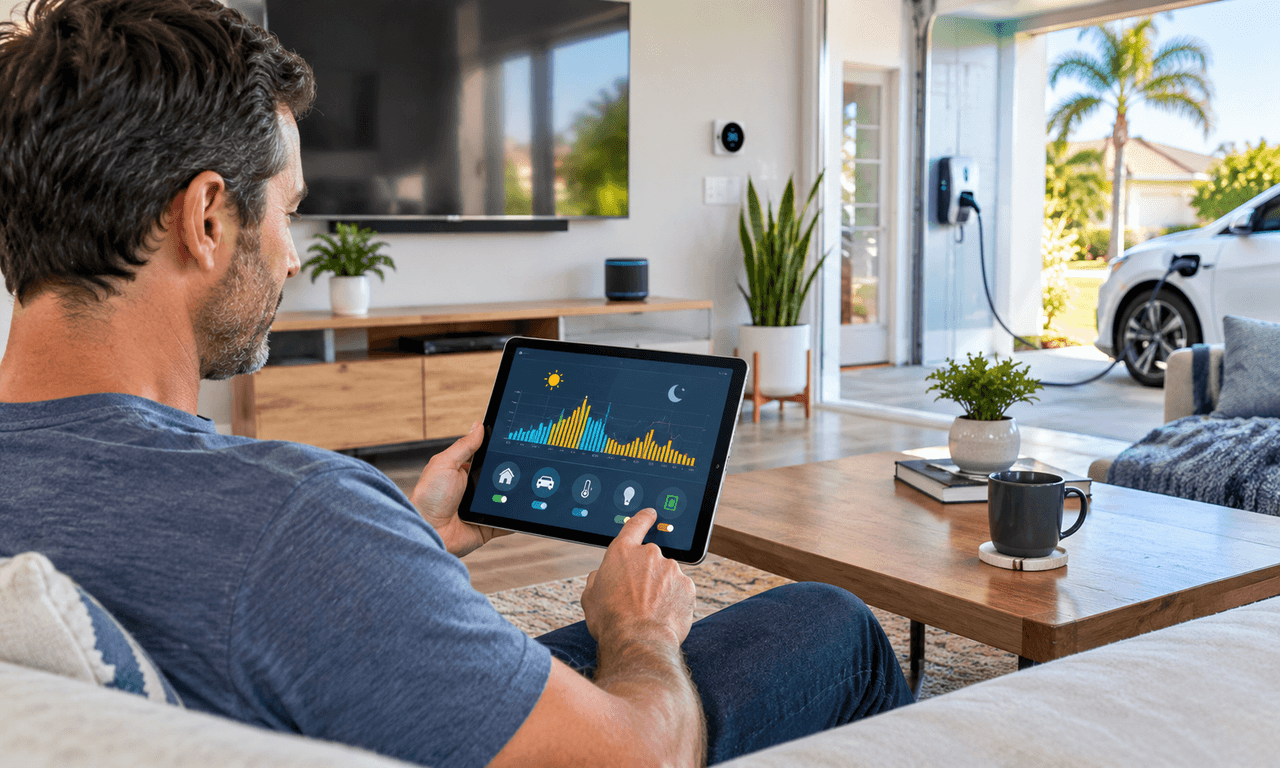
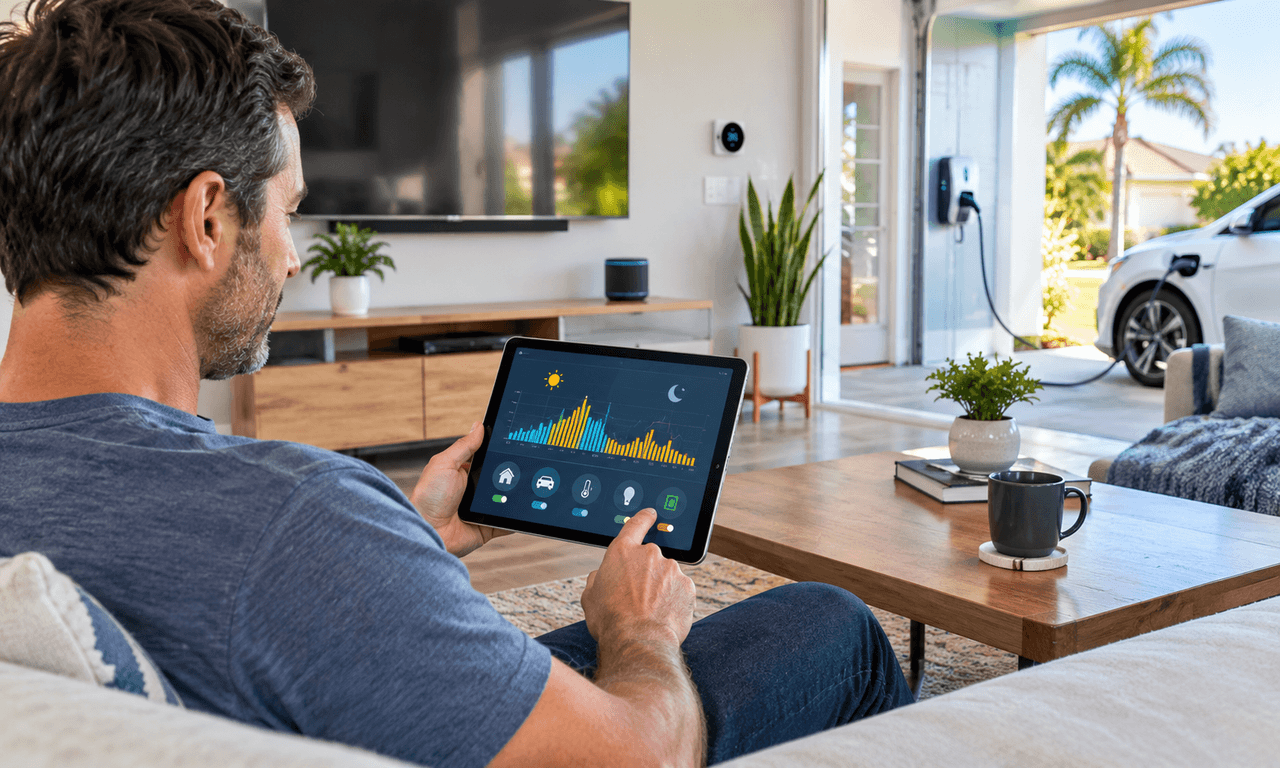
FPL reports that customers who shift 30% or more of their usage to off-peak hours save between 5% and 12% on energy charges.
You are an ideal candidate for TOU rates if:
You own an electric vehicle and charge it overnight.
You use a home battery storage system to bypass the afternoon peak window.
You work away from home during weekday afternoons.
You use smart thermostats to pre-cool your living space before noon.
The Low-Risk Trial Window
Before switching to the RTR-1 rate plan, keep in mind that FPL requires a minimum one-year commitment before you can return to standard residential pricing.
If you monitor your energy habits closely, trying the plan provides real financial upside. Understanding average electricity bills by state shows how Florida's electricity rates stack up across the country.
Regardless of which rate plan applies, a few practical steps help offset the 2026 increase.
Practical Ways to Lower an FPL Bill
Regardless of your rate plan, several daily adjustments help offset the recent FPL rate increase.


Upgrade Cooling Efficiency
Air conditioning drives the biggest chunk of a Florida summer bill, so small changes here add up fast.
Pre-cool your living space: Drop your thermostat setting by two degrees between 10:00 a.m. and noon. Raise it by three or four degrees during peak afternoon hours. Your home stays comfortable while your compressor rests.
Service your HVAC equipment: Clean the outdoor condenser coils twice a year. Clogged coils force the motor to work harder and draw more power.
Seal your ductwork: Leaky attic ducts dump cold air into your roof space. Sealing connections can boost overall AC efficiency by up to 20%.
Beef up attic insulation: Bring your attic floor up to an R-38 rating to stop midday radiant heat from warming your ceiling.
Shift Appliance Schedules
Water heaters, laundry machines, and dishwashers consume large amounts of electricity.
Run dishwashers before going to bed using the delayed start button.
Wash clothes in cold water to save your water heater from running.
Install a simple timer on your electric water heater to shut it off during the afternoon.
Charge portable electronics and power stations overnight.
Learning what you're actually paying per kWh will help you calculate the exact dollar return for every habit you change.
Conclusion
FPL's approved 2026–2029 rate agreement raises a typical monthly bill by about $2.50 in 2026. Meanwhile, the optional time-of-use plan pairs a 6.0-cent off-peak rate with a 26.9-cent peak charge. Review your daily electricity habits to see if you can shift at least 30% of your usage off-peak. Combine cooling efficiency upgrades with battery storage to protect your budget.
Pairing smart daily habits with systems like EcoFlow DELTA Pro Ultra X and EcoFlow DELTA 3 Ultra can both store cheap off-peak power for use during FPL's priciest hours, cutting your exposure to that rate gap.
FAQs
How much is the FPL rate increasing in 2026?
A typical residential customer using 1,000 kWh per month sees their bill rise from $134.14 to $136.64. That marks an increase of about $2.50 monthly, representing an immediate bump of roughly 2%.
What are FPL's current peak hours?
Summer (April–October) peak hours run noon to 9 p.m. on weekdays. Winter (November–March) splits into two windows: 6 a.m. to 10 a.m. and 6 p.m. to 9 p.m., weekdays only. Weekends and holidays stay off-peak.
Is FPL's time-of-use rate worth it?
It depends on your schedule. Customers who shift 30% or more of usage to off-peak hours typically save 5 to 12% on energy charges. EV owners and households with battery storage tend to benefit most.
Can I switch back from FPL's time-of-use rate if it doesn't save money?
Yes, you can switch back to FPL's standard rate. But the time-of-use program requires a minimum one-year enrollment before you're able to exit and return to standard pricing.
Why did the Florida Public Service Commission approve this rate increase?
The Commission approved a four-year settlement in November 2025 covering base rate adjustments plus future charges tied to solar and battery-storage infrastructure, running through 2029 as part of the agreement.
For press requests or interview opportunities, reach out to our media team
media.na@ecoflow.com