Eversource Electric Rates Guide: 2026 Increases and How to Save
Eversource has raised its electric supply rates in both Connecticut and Massachusetts heading into 2026. These rate spikes hit households on standard utility service the hardest. In this comprehensive guide, we break down current rates across both states. We also examine why utility charges keep climbing every winter. Most importantly, you will discover actionable ways to lower your monthly electric bill.
Eversource's Current Connecticut Rate
Effective January 1, 2026, Eversource's standard service supply rate in Connecticut jumped 13% to 12.64 cents per kWh. That's up from 11.19 cents the previous winter.
This latest bump adds roughly $10 every month to the average residential bill. That estimate assumes a typical home uses about 700 kWh each month. Over a full winter, that adds significant cost to normal household budgets.


Why Most Connecticut Residents Feel the Pinch
About 83.5% of Eversource residential customers in Connecticut stick with standard service. They do not switch to a competitive third-party retail supplier. That means the vast majority absorb this 13% price jump immediately.
Before blaming the utility rate alone, check your usage patterns. Several hidden factors often trigger sudden electric bill spikes:
Drafty window frames letting freezing New England air inside
Older heat pumps running inefficient resistance strips during sub-freezing days
Electric space heaters quietly pulling 1,500 watts in home offices
Shorter daylight hours keeping interior lights on much longer
Understanding why your electric bill is so high helps you spot these costly household energy leaks.
Massachusetts customers are seeing a similar pattern, though on a slightly different timeline.
Eversource's Current Massachusetts Rate
Effective February 1, 2026, Eversource's Massachusetts basic service supply rate rose about 5% to 15.629 cents per kWh, up from 14.884 cents. For a household using 600 kWh a month, that added around $5 to the monthly supply charge alone.
Then it happened again. A second increase pushed the rate to 17.32 cents per kWh starting August 1, 2026. For a household using 1,000 kWh a month, that's an extra $16.90 on top of what they were already paying.
Massachusetts Rate Changes in 2026
Effective Date | Basic Service Supply Rate |
Before February 1, 2026 | 14.884¢/kWh |
February 1, 2026 | 15.629¢/kWh |
August 1, 2026 | 17.32¢/kWh |
Understanding Your Total Massachusetts Energy Bill
Your supply charge is only one part of the total bill. A standard utility statement includes two distinct billing buckets:
Supply charges: The raw cost of the electricity you burn.
Delivery charges: The fee for poles, wires, substations, and line maintenance.
Delivery fees remain largely static month to month. However, high supply rates amplify every single kilowatt-hour you pull from the grid. Reviewing a breakdown of an average electric bill in Massachusetts helps put these seasonal changes into perspective.
Both states face identical regional market forces behind these climbing energy bills.
Softening Rate Increases With Stored Power
Every Eversource supply rate hike applies to each kWh you consume. When electricity rates spike, running appliances during peak hours becomes expensive. A home battery backup system offers a clean, reliable way to fight back.
You can charge battery storage when utility rates are low or via rooftop solar. Then, you run your major appliances from stored battery energy during high-cost hours. This strategy bypasses expensive grid power and lowers monthly energy bills.
If you want whole-home independence from utility swings, an advanced home backup system is ideal. It shields your wallet from high rates while keeping your lights on during nasty storms.
The EcoFlow DELTA Pro Ultra X delivers expandable whole-home battery backup with high-capacity output. It lets you store low-cost energy, power critical heavy-duty appliances during grid spikes, and lower high utility bills effortlessly.
The EcoFlow DELTA 3 Ultra provides robust, portable power for essential household appliances. Fast-charging and app-enabled, it helps you run daily electronics off stored battery energy to dodge peak grid rates and save money.
Understanding why these increases keep happening helps set expectations for future bills.
Why Eversource Energy Rates Keep Rising
Understanding an Eversource rate increase helps you plan your monthly budget. Multiple economic pressures drive these persistent hikes. Here is why electric bills across Connecticut and Massachusetts continue to climb year after year.
Heavy Reliance on Natural Gas
New England relies on natural gas for over half its electricity generation. When global fuel markets swing, wholesale energy prices climb quickly. Eversource purchases electricity at these volatile market rates and passes the actual generation costs straight through to your monthly utility bill.
Winter pipeline bottlenecks
Cold weather triggers an intense regional fuel crunch across the Northeast. Home heating systems compete with power generation plants for limited gas supplies. Constrained pipeline capacity forces power generators to buy expensive alternative fuels, which quickly drives seasonal electricity rates even higher.
Aging power grid modernization
Delivering power safely requires constant maintenance and major capital investments across communities. Eversource must replace aging wood poles, restock substations, and install smart meters. These extensive long-term infrastructure improvements steadily increase the delivery and transmission portions of your home electric bill.
Severe storm restoration costs
Harsh New England blizzards and coastal Nor'easters regularly damage local power lines. Mobilizing emergency line crews, tree-trimming teams, and repair equipment creates massive operational bills. Knowing how to prepare for a winter power outage keeps your home safe while utilities recover these high storm response expenses through future rate adjustments over time.
Regardless of the underlying cause, a few practical steps help offset these increases.
Ways to Lower an Eversource Bill
You do not have to accept higher electricity expenses every winter. Taking a proactive approach can quickly knock dollars off your monthly bill.
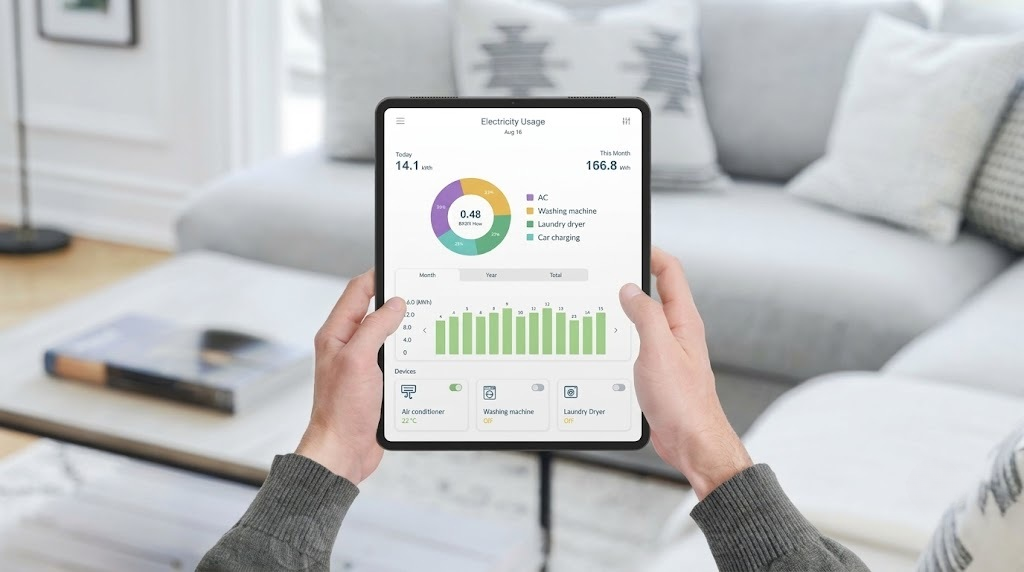
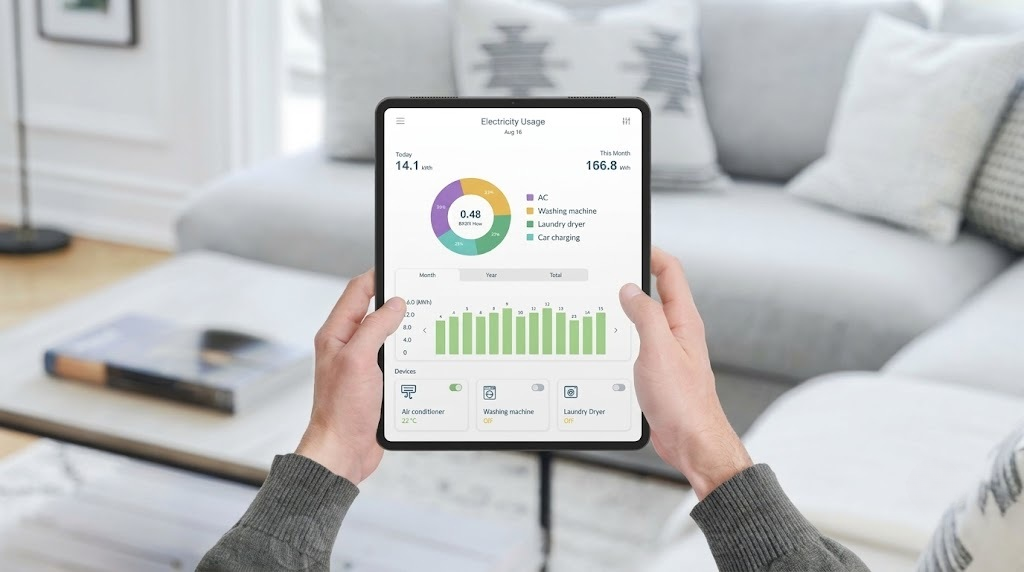
1. Check Your Electricity Usage
Look at your current kWh usage and compare it with previous bills. If your usage increased significantly, find out why. Heating, cooling, water heating, and large appliances are common sources of higher consumption.
2. Leverage State Energy Efficiency Programs
Take advantage of state-sponsored energy efficiency programs. Massachusetts residents have access to Mass Save. Connecticut offers similar support through Energize Connecticut.
Home energy assessments: Technicians inspect your attic, doors, and basements for costly air leaks at no charge.
Deep insulation rebates: Up to 75% to 100% off approved weatherization and insulation upgrades.
Heat pump incentives: Thousands of dollars in direct rebates when replacing inefficient oil or baseboard heating.
3. Shop for Third-Party Energy Suppliers
Both Connecticut and Massachusetts operate deregulated retail energy markets. You are not forced to buy standard utility supply power:
Visit official state comparison sites like EnergizeCT or Massachusetts Energy Switch.
Compare fixed-rate plans against Eversource's current standard supply price.
Look for plans with zero enrollment fees, zero monthly fees, and zero cancellation penalties.
Set calendar reminders before your fixed contract period expires to avoid variable rate traps.
4. Adopt Strategic Daily Conservation Habits
Small daily conservation tweaks create noticeable savings over time:
Lower your thermostat by 7 to 10 degrees while sleeping or away from home.
Install smart power strips to eliminate phantom energy drain from gaming consoles and TVs.
Run high-draw washing machines, dishwashers, and dryers late at night.
Swap any lingering incandescent bulbs for efficient LEDs.
Exploring proven strategies on how to cut your electric bill gives you dozens of simple ways to save power across all three states Eversource serves.
Conclusion
Eversource electricity rates climbed 13% in Connecticut to 12.64 cents per kWh for 2026. Massachusetts customers faced back-to-back supply rate jumps, reaching 17.32 cents per kWh. Volatile natural gas prices and regional winter pipeline bottlenecks drive these price hikes.
Check third-party supplier options and schedule a home energy audit through Mass Save or Energize Connecticut. Taking control of your power habits protects your budget from volatile grid pricing.
Investing in smart energy storage like the EcoFlow DELTA Pro Ultra X or EcoFlow DELTA 3 Ultra offers true peace of mind. Storing your own energy lets you sidestep expensive peak hours and keep essential appliances running all year long.
FAQs
How much did Eversource electric rates go up in 2026?
In Connecticut, Eversource's standard service supply rate jumped 13% on January 1, 2026, rising to 12.64 cents per kWh. In Massachusetts, the basic service rate rose 5% in February to 15.629 cents per kWh, before climbing to 17.32 cents per kWh in August.
Why do Eversource rates keep increasing?
New England relies on natural gas for over half its electricity generation. During cold winter months, natural gas supplies become constrained as power plants compete with home heating demand. These wholesale market spikes pass straight through to residential customer bills.
Is the Eversource rate increase the same in every state?
No. Eversource operates under separate state regulatory bodies. The Public Utilities Regulatory Authority (PURA) regulates Connecticut rates, while the Department of Public Utilities (DPU) oversees Massachusetts. Each state sets rates on different schedules based on regional wholesale auctions.
Can I switch away from Eversource's standard service rate?
Yes. Both Connecticut and Massachusetts feature deregulated energy markets. You can choose a licensed third-party electric supplier offering lower fixed rates. Eversource will continue delivering power, reading your meter, and repairing neighborhood lines regardless of your chosen supplier.
What is the difference between supply and delivery charges on an Eversource bill?
Supply charges cover the actual electricity you burn, determined by competitive energy generation markets. Delivery charges pay for transmitting that power across the electrical grid. Delivery fees fund maintenance for utility poles, wires, substations, and emergency storm response teams.
For press requests or interview opportunities, reach out to our media team
media.na@ecoflow.com