Cheapest Way to Heat a Home: 7 Cost-Effective Options
Winter heating costs have a habit of staying out of mind until the first full month of furnace weather. The house may feel no different than it did in October, but the next utility bill tells another story.
What counts as inexpensive depends on the address. In one area, a heat pump may be the obvious choice. Somewhere with low natural-gas rates, keeping a furnace can make more sense. Even firewood goes from bargain fuel to an expensive chore when it must be delivered a little at a time.
Start with the building, not the equipment aisle. Find the cold rooms, obvious drafts, and ducts that pass through an attic or crawl space. Once you know what the house is asking the heater to do, the seven options below are much easier to compare. The final section looks at keeping essential heating equipment working during an outage.
How Much Does It Cost to Heat a Home?
For practical heating tips to stay warm in winter, start by identifying where your home loses heat before changing the heating system. Heating bills often say as much about the building as they do about the furnace. A well-sealed house can coast between cycles. Next door, the same furnace may run steadily because warm air is disappearing through the attic or crawl space.
In many homes, space heating accounts for 30% to over 50% of winter energy use. That is enough to justify looking beyond the equipment room. Fixing a loose duct or an unsealed attic opening may lower the bill before a replacement system is even discussed.
Heating Costs Vary by Home Size and Energy Use
Floor area is a rough clue, nothing more. A compact two-story house with afternoon sun does not lose heat like a drafty ranch of the same size facing the wind. Windows, insulation, exposed walls, and ceiling height all count. Household routines count too. If everyone is gone from 8 to 5, maintaining the daytime comfort setting may waste energy. Do not close registers at random, though; a forced-air system still needs a proper path for airflow.
Local Energy Prices Affect Heating Costs
Fuel prices can change sharply from one county to the next. Propane and heating oil vary with delivery distance and seasonal demand, while an electric bill may include winter tiers or time-of-use rates. Compare what it costs to put usable heat into the rooms, not simply the listed price of a kilowatt-hour, therm, gallon, or cord. Efficiency changes the math: a heat pump moves heat indoors, while a furnace sends part of its fuel energy out through the vent.
Older Homes May Need More Energy for Heating
Age alone does not settle the question. Some older houses have been carefully tightened, while plenty of newer ones have leaky ducts. Check the attic hatch, rim joists, holes around plumbing, crawl-space connections, and exterior door seals before blaming the heater.
A useful energy assessment should point to actual defects, not hand over a generic upgrade list. The best first job may be an attic-hatch cover, a sealed duct joint, or insulation over one thin patch of ceiling. Moisture problems come first. In a home with combustion equipment, air sealing should also come with a check of venting and make-up air.
7 Cheapest Ways to Heat a Home
Comparing equipment costs, operating expenses, and installation requirements can help you reduce home heating costs without focusing on upfront price alone. If you are asking what is the cheapest way to heat a home, the answer depends on the home’s climate, existing infrastructure, local energy prices, and the cost of installation. The prices below are ballpark figures. A straightforward swap may land near the range; a new electrical service, gas line, chimney, or major duct repair may not.
Heating Option | Typical Upfront Cost | Operating Cost | Key Consideration |
Heat Pumps (Air-Source / Mini-Split) | $4,500 – $14,000 | Low to Moderate | Efficient heating and cooling; performance depends on climate, sizing, and the specific model |
Natural Gas Furnaces | $3,500 – $7,500 | Low | Often economical where gas service already exists; requires safe venting and electricity for controls and the blower |
Electric Baseboard Heating | $800 – $2,500 | High | Inexpensive to install by room, but commonly costly as the primary heat source |
Space Heaters (Electric) | $40 – $150 | Low per room/High for widespread use | Useful for one occupied room; poor substitute for efficient whole-home heat |
Wood Stoves | $2,000 – $5,000 | Very Low to Moderate | Fuel can be affordable, but installation, dry storage, chimney care, and labor matter |
Pellet Stoves | $2,500 – $5,500 | Low to Moderate | Controlled fuel feed and steady heat; needs pellets and a small supply of electricity |
Propane Heating | $3,000 – $6,500 | Moderate to High | Practical beyond natural-gas service areas; delivered fuel prices can vary widely |
Heat Pumps
A heat pump moves heat rather than creating it with an electric element. In moderate outdoor temperatures, a well-matched system can provide three to four times more heat than the electricity it consumes (COP 3.0–4.0). That is why a heat pump usually costs less to operate than electric baseboard heat at the same electricity rate and can be among the most efficient way to heat a home when climate, sizing, and installation are suitable.
Capacity and efficiency fall as outdoor temperatures drop, though modern cold-climate models can keep working well below freezing. Ask for performance near your local winter design temperature instead of relying on the label alone. Mini-splits suit homes without ducts and hard-to-heat rooms; a ducted model may fit a house with sound existing ductwork.
Good equipment can still perform badly in a careless installation. An outdoor unit boxed in by shrubs, a return duct pulling attic air, or a system chosen by square footage alone may never deliver the savings printed in the brochure.
Natural Gas Furnaces
Where a gas line already serves the house and rates are favorable, a furnace can remain one of the less expensive ways to produce a large amount of heat. Condensing models rated at 95%+ AFUE turn most of the fuel’s annual energy input into heat for the home.
Include fixed utility charges, blower electricity, and service. New venting, drainage, ductwork, or a first-time gas connection can erase the apparent savings.
Electric Baseboard Heating
Electric baseboards convert nearly 100% of the electricity they consume into heat at the point of use. That sounds impressive, but it does not mean they are the cheapest electric option. A heat pump can move two or more units of heat indoors for the same unit of electricity under many conditions.
Baseboards are quiet, need no ducts, and allow separate room controls. Their low installation cost can make sense in a small addition or lightly used office, but whole-home operation is a different calculation.
Space Heaters
A space heater saves money only when it replaces some central heating. Lower the main thermostat and warm the room in use, and there may be a net savings. Run the heater while the furnace stays at its usual setting, and the household is paying for both.
Most full-size plug-in heaters draw about 1,500W on high, regardless of whether the box says ceramic, infrared, or oil-filled. Their comfort feels different, but none creates free heat. Keep the heater at least three feet from bedding, curtains, furniture, paper, and other items that can burn. Plug it directly into a suitable wall outlet, not a power strip or extension cord, and turn it off when leaving the room or going to sleep.
Wood Stoves
The fuel price is only one part of wood heat. Delivered firewood, covered storage, a hearth, and chimney work can turn an inexpensive fuel into a costly project. A basic stove does have one outage advantage: many models keep making heat without a blower.
Buy an EPA-certified stove for the area it will actually heat. An oversized unit is often choked down, which encourages a smoky fire and creosote. Burn seasoned wood, maintain smoke and carbon monoxide alarms, and have the chimney inspected and cleaned as needed. Count the hours spent stacking, carrying, and removing ash as part of the price too.
Pellet Stoves
A pellet stove removes some daily tending, not all of it. The hopper feeds fuel at a controlled rate, so room temperature is steadier, and the bags are easier to stack than a loose cord of wood.
Before committing, check the price and availability of a season’s worth of pellets. The auger, fans, ignition, and controls need electricity, and the stove still needs routine cleaning. Local access to parts and service matters when it is the main source of heat.
Propane Heating
For houses beyond the natural-gas network, propane is familiar and practical. It works with furnaces, boilers, and listed wall heaters, and a propane burner does not lose heat output just because the outdoor air turns bitterly cold.
Read the delivery agreement, not only the gallon price. Tank rent, minimum fills, contract terms, and emergency deliveries may appear elsewhere on the bill. Letting the tank run empty can also trigger a required leak check before service resumes.


How Can You Choose the Cheapest Heating Option for Your Home?
Price the conversion, not merely the heater. A bargain heat pump is no bargain if it brings a panel replacement. A furnace quote is incomplete without the gas line, and a wood-stove price means little without the chimney. For many homeowners, the best way to heat a home is therefore the system that fits the home’s actual heating load, local energy prices, installation requirements, and climate rather than simply the system with the lowest purchase price.
There is no rule that sound equipment must be replaced immediately. A season of duct repair, attic insulation, and better airflow may reduce consumption now and buy time to plan the larger purchase. If heating costs remain high during outages, a portable power station can provide backup power for selected heating equipment and other essential loads.
Consider Your Local Climate and Winter Temperatures
Contractors size equipment around a local winter design temperature, not the coldest reading ever recorded. A conventional heat pump may carry a mild winter, while colder regions require verified low-temperature performance and a clear backup plan. That backup may be electric resistance heat or a furnace in a dual-fuel system.
Compare Local Electricity and Fuel Prices
Use the rates printed on recent bills rather than a national average. Include delivery fees, fixed charges, and time-of-use periods. When contractors estimate annual cost, give each one the same numbers and ask what they assumed for the heating load, seasonal efficiency, and backup heat. Otherwise, the estimates are not directly comparable.
Factor In Installation and Maintenance Costs
Ask whether a quote includes permits, electrical work, venting, drainage, duct changes, removal, and commissioning. Add future filters, service, chimney cleaning, fuel delivery, and repairs. Check rebate rules before signing because some programs require preauthorization.
Compare the same scope in every bid. One low quote may omit electrical work or disposal that another contractor has already included. Written equipment model numbers also make efficiency ratings and warranties easier to verify.
Match the Heating System to Your Home Size
Do not let the old furnace size choose the new system. Ask to see an ACCA Manual J calculation based on this house’s windows, insulation, leakage, ceiling height, orientation, and climate. Too much capacity creates short cycles; too little can push a heat pump onto backup heat. A ducted quote should address airflow and static pressure as well.
Consider Your Heating Needs During Power Outages
Gas and propane furnaces still need electricity. So do pellet stoves, many boilers, and heat pumps. Igniters, thermostats, pumps, blowers, and safety controls stop when utility power fails.
Decide whether backup means holding 70°F throughout the house or protecting pipes and one safe room. Medical needs, young children, older adults, pets, and outage length may change the plan.
Write down where the household could go if the indoor temperature keeps falling. That decision is easier to make before icy roads, low phone batteries, and a cold house add pressure.
How Can You Keep a Heating System Running During a Power Outage?
Backup power works best when it is designed around the heating equipment before a storm. A hardwired furnace cannot simply be treated like a floor lamp, and a battery that starts the blower may not support it for an entire night.
Check Your Heating System’s Power Requirements
Find the equipment nameplate and manual. Note voltage, normal running draw, and any startup demand from motors or pumps. A 1,500W space heater is a steady heavy load with little startup surge. A furnace blower may use much less once running but briefly ask for more when its motor starts.
The furnace’s heat rating does not reveal its electrical behavior. An older permanent-split-capacitor blower may start differently from a newer electronically commutated motor, and the draft inducer adds another motor. Boiler pumps, zone valves, and controls belong on the backup-power list as well.
If the furnace is hardwired, have an electrician provide an approved transfer method or compatible inlet arrangement. Never backfeed a receptacle or connect improvised cords to the home’s wiring. Confirm that the backup source and heating equipment work together, including neutral and grounding requirements, while utility power is available.
Use Portable Power for Essential Heating Loads
A power station can be useful for supporting lower-power heating components, such as furnace blowers, pellet-stove controls, or boiler pumps, during an outage. Battery power is usually better spent moving existing heat than creating it through a resistance element. A 1,500W heater could use most of a nominal 2,000Wh battery in a little over an hour after conversion losses. A furnace blower, pellet-stove feed system, boiler pump, heated blanket, or small medical device may stretch the same stored energy much further.
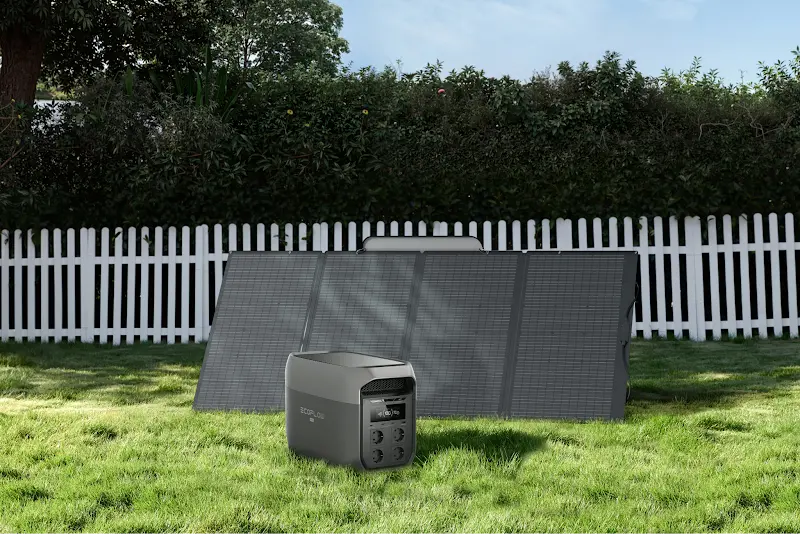
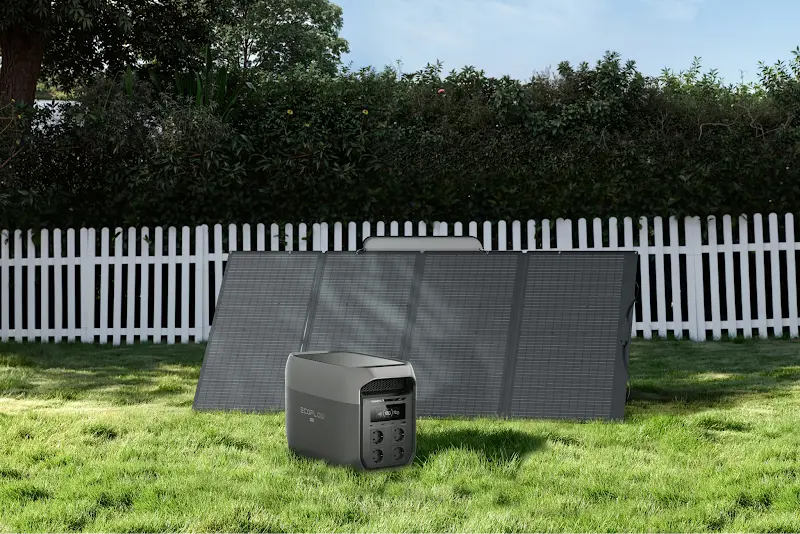
The EcoFlow DELTA 3 Max Portable Power Station (2048Wh) has a 2,048Wh battery and 2,400W rated AC output. Whether it can operate a particular furnace depends on the furnace’s voltage, running draw, starting load, and connection method. At a continuous 500W load, a rough estimate using 85% of nameplate capacity is about 3.5 hours. A cycling furnace may run longer, but cold weather, battery condition, and other connected devices change the result.
Test the setup before winter through several normal heating cycles. Keep the power station dry, within its temperature limits, and clear around the vents.
Support Larger Heating Loads With High-Capacity Power
For whole-home circuits, add every load that may run together. Capacity determines runtime; inverter output determines whether equipment can start and run at the same time.
The EcoFlow DELTA Pro Ultra Whole-Home Backup Power begins with 6kWh of storage and 7.2kW of output and can be expanded within its compatible system. Larger configurations can reach 90kWh of storage and 21.6kW of output. Those maximum figures require multiple components, not one standalone battery.
Supplying household circuits requires compatible transfer equipment or a home integration system installed as applicable. Runtime still depends on the actual load. A large battery may carry a furnace and basic essentials for a long outage, but electric resistance heat can consume even a large reserve quickly.
Conclusion
The cheapest plan often begins with stopping drafts, sealing ducts, adding insulation, and using sensible thermostat settings. Heat pumps are strong candidates in many climates, while natural gas may cost less where service already exists and rates are low. Wood, pellets, propane, baseboards, and space heaters each fit narrower situations.
Use local rates and a proper load calculation rather than choosing from purchase price alone. A complete quote should make the installation work clear, and an operating estimate should show the fuel-price assumptions behind it.
Give outages their own plan, since even fuel-burning systems usually need electricity. A modest backup source may keep controls, pumps, or a blower running; whole-home electric heat requires much more capacity.
FAQ
How Much Is a Normal Heat Bill?
A normal winter heating bill in the U.S. typically ranges from $100 to $300 per month for moderately sized homes using natural gas or high-efficiency heat pumps. However, costs vary drastically: homes relying on delivered heating oil, propane, or inefficient electric baseboards during deep freezes frequently see monthly bills range between $400 and $700+, particularly in cold regions like the Northeast and Upper Midwest.
Is It Cheaper to Run Space Heaters or Central Heat?
Running a single space heater to warm an occupied room while lowering your main thermostat is generally cheaper, but running multiple space heaters across an entire home costs substantially more than central heat. Central systems, especially natural gas furnaces and heat pumps, heat large square footage far more efficiently than electric resistance space heaters.
Is It Better to Heat Your House with Gas or Electricity?
Heating with natural gas is generally cheaper and delivers hotter supply air in freezing climates, while modern electric heat pumps offer superior efficiency and dual-season cooling in mild to moderate zones. If your local electric utility rates are elevated and gas lines are already tied into your home, gas heating usually provides the most cost-effective solution.
Which Heater Pulls the Least Electricity?
Mini-split and ducted inverter heat pumps consume the least electricity per unit of heat delivered because they move heat rather than generate it, operating at 200% to 400% efficiency.
Among portable plug-in units, all electric resistance heaters (ceramic, oil-filled, infrared) convert power to heat at the exact same 100% efficiency (1W of electricity = 1W of heat). However, radiant and infrared heaters pull the least total power in practice because they warm people directly rather than the air of an entire room. Selecting a unit with multiple wattage settings (e.g., 600W/900W instead of 1,500W) or using an energy-efficient heated mattress pad (50W–100W) allows you to maintain comfort with significantly lower cumulative kilowatt-hour consumption.
For press requests or interview opportunities, reach out to our media team
media.na@ecoflow.com