Cost of Living in Alaska: What to Really Expect
Alaska costs more than most states, and the difference shows up in everyday expenses. Housing, utilities, groceries, and transportation all run higher, while long winters can push heating costs up for months at a time. The state's size and remote communities add another layer because many goods have to travel a long way before they reach local stores. Here's what to expect from the cost of living in Alaska, including housing, utilities, groceries, and backup power.
How Alaska's Cost of Living Compares to the National Average

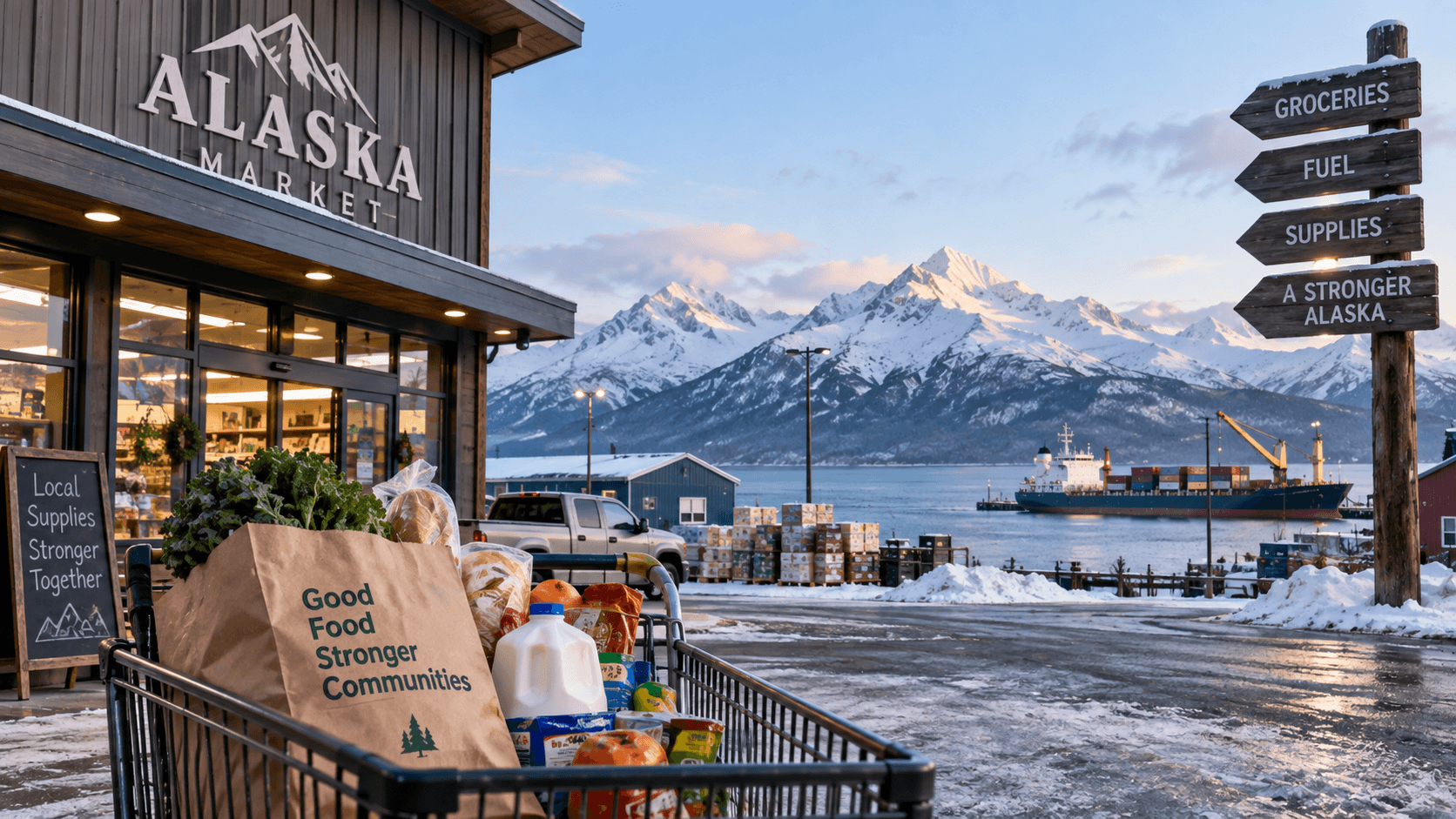
Alaska's cost of living is roughly 31% above the U.S. average for major spending categories. Much of the difference is in housing and utilities. Groceries, rent, and transportation can also be more costly. Costs are also driven up by Alaska's dependence on long-distance shipping. Many communities are also far from major population centers, which can affect the price of everyday goods.
Category | Compared to the National Average |
Housing | 30% higher |
Utilities | 23% higher |
Food | 24% higher |
Transportation | 19% higher |
Goods & Services | 42% higher |
These percentages give you a statewide picture, but your actual expenses can depend on where you live. A grocery trip in Anchorage or a heating bill during a Fairbanks winter may look very different from costs in the Lower 48. Remote communities can face higher costs to bring in everyday supplies. Our guide to planning an Alaska RV trip offers a closer look at the state's size, roads, and distances between communities.
Why Alaska Costs More: Remoteness and Climate
Alaska's location affects prices long before a product reaches your shopping cart. A lot of goods are shipped by barge or plane, and those transportation costs can be reflected in what you pay in the store. Limited road connections can also make everyday goods, building supplies, and fuel more expensive in remote communities.
Shipping adds to everyday expenses
Alaska doesn't have the same road connections to the Lower 48 that most states take for granted. Remote communities can be even more dependent on air or water transportation, which can make basic goods more expensive. That also affects home improvement supplies, appliances, fuel, and other items that aren't practical to source locally.
Winter adds another monthly expense
Long, cold winters mean Alaska households can spend more on heating than families in much of the country. The cost depends on the size of the home, the insulation, the heating system, local fuel prices and how harsh the winter is. Those that qualify can use the Permanent Fund Dividend to help pay some household expenses. The annual payment comes from Alaska's oil revenue and has historically ranged from about $1,000 to $3,700. Weather can also affect access to supplies and utilities. Our coverage of extreme weather in Alaska looks at how severe conditions can disrupt infrastructure and supply lines.
Backup power for Alaska's remote winters
A power outage can be a bigger problem in Alaska than a few dark rooms and a dead phone. If you live in a remote area, repairs can take longer when bad weather makes travel difficult. Crews may also be farther away. A home battery or portable power station can keep critical equipment running during a power outage, such as lights, refrigerators, communications equipment, and heating equipment.
For smaller backup needs, a portable power station can be a more practical option. The EcoFlow DELTA 3 Max can keep essential appliances and devices running during an outage. Its lighter design also makes it easier to move around your home or take with you when needed.
With backup power covered, the recurring utility bill is worth a closer look. Heating can account for a significant share of household energy use in Alaska, especially during the long winter season.
Heating and Utility Costs
An average monthly utility bill in Anchorage can run around $270 to $350, including electricity, heating fuel, and water. Heating costs can vary from one household to another based on the home's size, insulation, heating system, and local fuel prices. Many Alaska households rely on heating oil or natural gas, and transportation costs can make these fuels more expensive than in the Lower 48.
Simple home improvements can help reduce some of that expense. Sealing drafts and upgrading insulation can have a quick payback in a climate where heating is needed for much of the year. You can also use these ways to cut an electric bill to find additional ways to reduce household electricity use. Utility costs are only part of the monthly budget. Housing, transportation, and groceries can also vary greatly depending on where you live, especially in smaller or more remote Alaskan communities. That makes location an important factor when estimating your total living expenses.
Housing and Grocery Costs Across Alaska
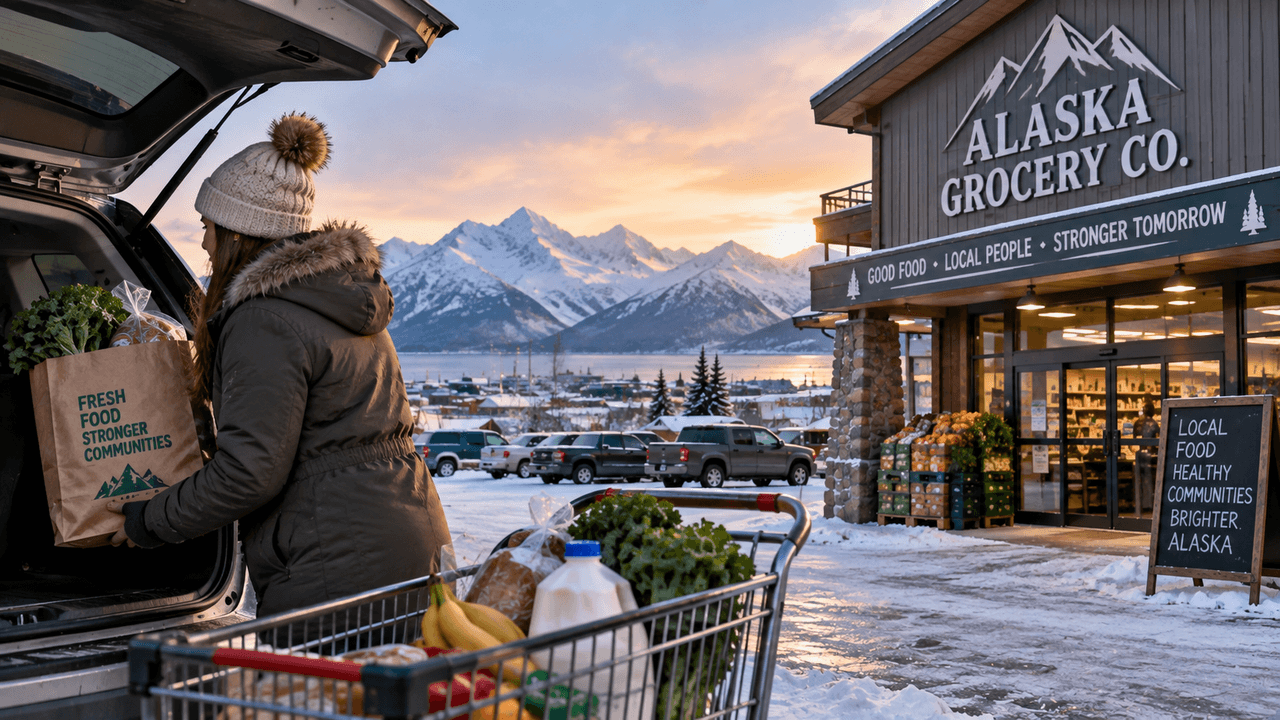

Housing costs can vary quite a bit across Alaska. Anchorage, Juneau, and Fairbanks have different rental markets, and factors such as location, access to services, and winter conditions can affect your overall housing budget. The table below gives a general starting point for comparing typical two-bedroom rents in these three cities.
City | Typical 2BR Rent | Notes |
Anchorage | $1,500-$2,100 | Largest city, most amenities |
Juneau | $1,400-$2,100 | Capital, limited road access |
Fairbanks | $1,100-$1,800 | Extreme winter temperature swings |
Rent is only one part of the housing budget. Heating, electricity, maintenance, transportation, and groceries can add considerably to your monthly expenses, especially in smaller or more remote communities.
Groceries can cost more, too
Food prices across Alaska run about 24% above the national average. Remote communities can see even higher prices because groceries have farther to travel before they reach the local store. That makes location a major part of an Alaska household budget. Someone living in Anchorage has access to a different supply network than someone in a small, remote community. If you're comparing Alaska with another state where geography affects prices, our guide to the cost of living in Hawaii offers another useful comparison.
Conclusion
Alaska's cost of living runs about 31% above the national average, with housing, utilities, food, and transportation all adding to household expenses. Harsh winters and great shipping distances can push up everyday costs even higher. Don't trust the one number they give you for the whole state. When you plan your budget, look in detail at heating, groceries, rent, transportation. Backup power is also worth planning for before winter arrives. EcoFlow DELTA Pro Ultra X and EcoFlow DELTA 3 Max offer options for whole-home and essential-device backup during outages.
FAQs
Why is the cost of living so high in Alaska?
The cost of living in Alaska is higher largely because of the state's remote location and harsh climate. Many goods travel long distances by barge or plane, which adds transportation costs before products reach local stores. Long winters also mean higher heating demand, especially in homes that need heat for much of the year.
Is it cheaper to live in Anchorage or a smaller Alaska town?
Smaller Alaska towns can have lower housing costs, but that doesn't always mean lower overall expenses. Groceries, transportation, heating, and other goods can cost more in remote areas because of shipping and limited access to services.
Does Alaska have state income tax?
No. Alaska has no state individual income tax, so residents can keep more of their earnings after taxes. But that doesn't necessarily mean daily life costs less. Households may still pay more for housing, heating, groceries, transportation, and other goods.
What is the Permanent Fund Dividend?
The Permanent Fund Dividend is an annual payment to eligible Alaska residents funded by the state's oil revenue. The amount changes from year to year based on the state's fund and distribution rules. Historically, payments have ranged from about $1,000 to $3,700, giving eligible residents some extra money to put toward everyday expenses.
How much more expensive are groceries in rural Alaska?
Groceries across Alaska cost about 24% more than the national average, and remote communities can pay significantly more because food has farther to travel. The exact difference varies by location, so rural Alaska doesn't have one statewide grocery premium.
For press requests or interview opportunities, reach out to our media team
media.na@ecoflow.com