Electricity Cost Per kWh: What You're Actually Paying and How to Pay Less
- Electricity Cost Per kWh, Explained in Plain English
- What Your Per-kWh Price Really Includes on an Electric Bill
- Why Your kWh Rate Changes by State, Season, and Plan Type
- How to Compare Electricity Plans Without Getting Tricked by “Low Rates”
- How to Lower Your kWh Costs with Smarter Energy Use and Peak Shaving
- Frequently Asked Questions
- Save More on Electricity Now and Protect Your Home from the Next Outage
If you’ve ever received an unusually high electric bill, you probably tried working out when you used all the extra electricity. The rate printed on your bill—expressed in cents per kilowatt-hour—doesn’t tell the whole story.
This guide breaks down what you’re actually paying for, why rates vary so widely, and what you can do to lower your bill.
Electricity Cost Per kWh, Explained in Plain English
A kilowatt-hour (kWh) is the standard unit of measurement for electrical energy. It represents the amount of electricity consumed when a 1,000-watt device runs for one hour. Your electricity rate is the amount you pay for each kWh.
For example, if you run a 500W window AC unit for five hours a day, it will consume 2,500Wh a day, or 2.5kWh. If your electricity rate is 15 cents per kWh, that AC unit costs about 37.5 cents per day to run.
As of March 2026, the national average residential electricity rate is 18.56 cents per kWh, but rates vary widely between states. For instance, states like Nebraska and Idaho average roughly 13 cents per kWh, while states like California and Connecticut average upwards of 30 cents per kWh.
Even within a state, customers in different utility territories will see differences in their rates. Understanding your electricity rate is the first step toward controlling your bill.
What Your Per-kWh Price Really Includes on an Electric Bill
While the electricity cost per kWh itself is straightforward, the number on your electric bill isn’t always as straightforward.
The price per kWh covers the cost to generate electricity at a power plant, but doesn’t typically include the cost to send that electricity to your regional grid and deliver it to your home. Your electric bill also includes other charges, taxes, and fees that aren’t covered by the per-kWh rate.
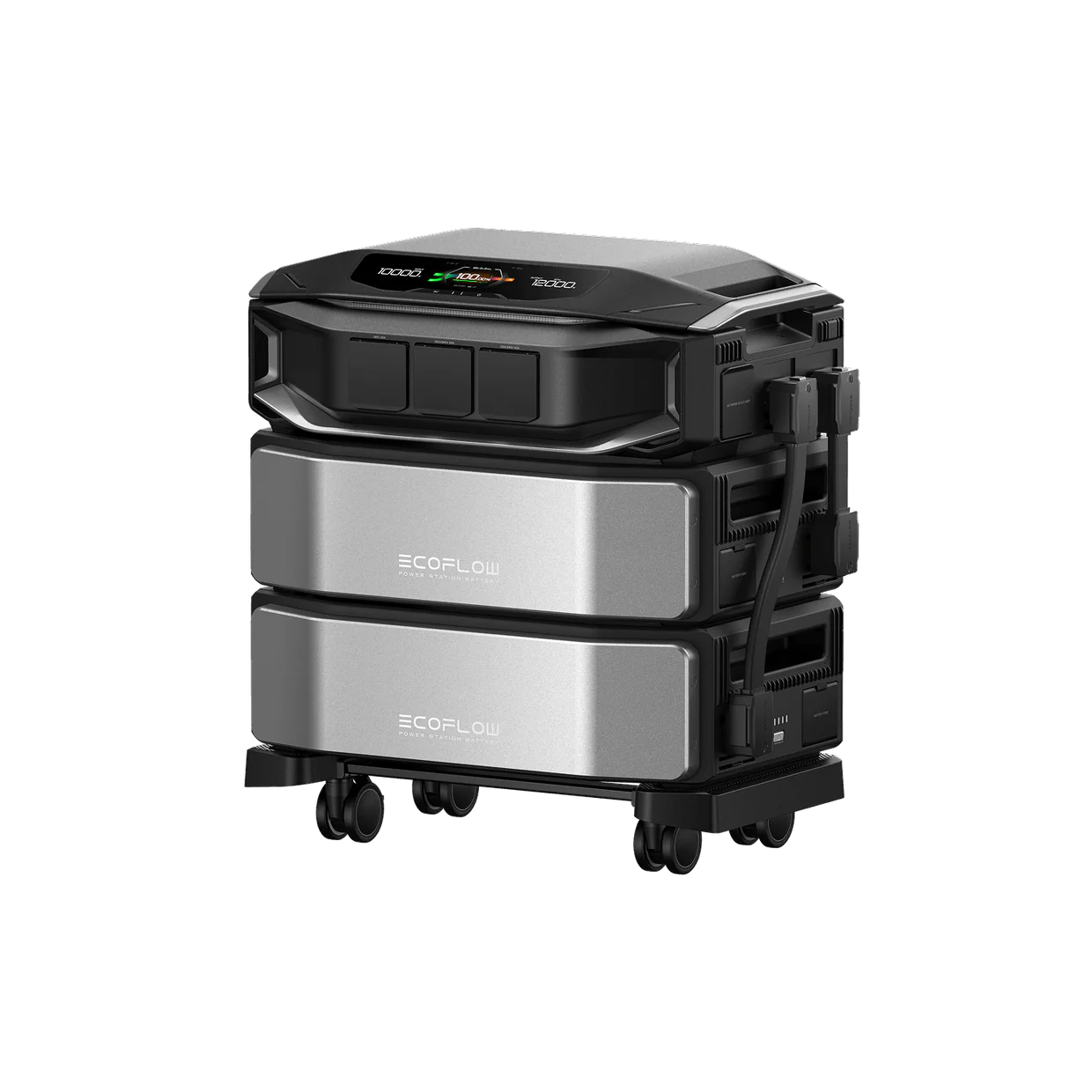
If your bill feels like it's working against you, a whole-home battery system like the EcoFlow DELTA Pro Ultra X Whole-Home Backup Power lets you store cheap off-peak electricity and use it when rates are highest, so those extra charges hit less hard.
Why Your kWh Rate Changes by State, Season, and Plan Type
Electricity rates fluctuate based on fuel costs, infrastructure investment, regulatory changes, and seasonal demand.
States with access to cheap energy sources, such as hydropower, and low transport costs tend to have lower kWh rates. On the other hand, states with aging infrastructure or isolated grids (i.e., Hawaii) have higher rates.
Rates also vary by season, with winter and summer being the two peak demand seasons. Market prices can also shift during natural phenomena, such as heat waves or cold snaps, which may be reflected in customers’ electric bills.
For a closer look at how these factors play out in practice, see how much residents pay on the average electricity bill in Ohio.
How to Compare Electricity Plans Without Getting Tricked by “Low Rates”
The electricity market in most states is regulated, meaning most consumers are tied to a local utility company. However, these companies often offer tiered or time-of-use rates that may benefit your consumption habits.
For deregulated states, such as Texas, consumers can shop around for different plans. It’s not uncommon for a plan to advertise a low rate only to overcharge customers through supplementary fees.
Energy plans in deregulated markets require an Electricity Facts Label (EFL), which is a standardized disclosure document that breaks down the plan’s pricing. Looking at the EFL ensures transparency so you’re not blindsided by hidden base charges or usage fees.
To reliably compare plans, use your prior 12 months of usage and apply each plan’s full rate structure to calculate the annual cost.
How to Lower Your kWh Costs with Smarter Energy Use and Peak Shaving
Two ways to reduce your electricity costs are to use less energy overall and avoid peak-rate hours.
Using less energy doesn’t mean you need to turn off all your lights and devices, but rather implementing energy-efficient investments. Upgrading to LED lighting, sealing air leaks, and replacing appliances with ENERGY STAR models reduce the amount of energy used.
Peak shaving is when you change the time to use high-draw appliances to avoid peak pricing windows. Running your dishwasher, doing laundry, and charging electric vehicles outside of this window can reduce your electric bill significantly.
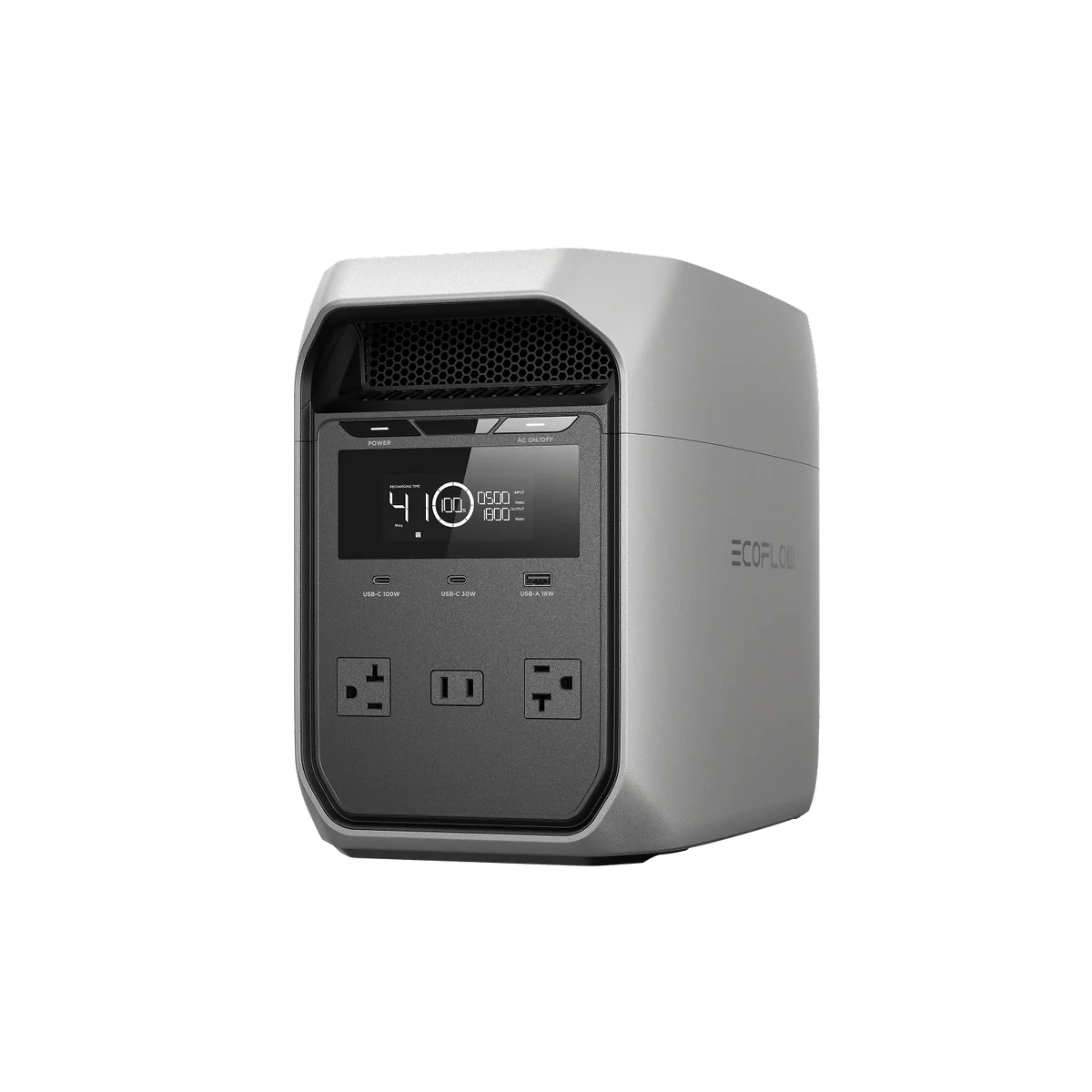
Investing in a home battery storage system is a third way to cut your electricity bill. Storing energy during cheap periods and discharging it during expensive hours reduces your bill without you having to sacrifice consumption habits. Pairing a battery unit like the EcoFlow DELTA 3 Classic Portable Power Station (1024Wh) with a solar panel can further reduce reliance on the grid.
Frequently Asked Questions
What Is the Difference Between Supply Charges and Delivery Charges?
Supply charges refer to the cost of generating power, while delivery charges are the cost of moving that power to your home. In deregulated markets, you can choose the electricity supplier, but not the delivery utility.
What Is a Time-of-use Electricity Plan, and Is It Worth It?
A time-of-use (TOU) plan charges different rates based on the time of day. Peak hours carry a premium rate, while off-peak hours are priced at a discount. TOU plans are worth it if you can change significant power loads to off-peak hours—typically overnight and weekends.
Can a Home Battery Actually Lower My Electricity Bill?
Yes, a home battery can lower your bill by storing electricity during off-peak hours and discharging it during peak hours. The amount of money a battery can save depends on the difference between peak and off-peak rates.
For whole-home coverage, a system like the EcoFlow DELTA Pro Ultra X Whole-Home Backup Power can store enough capacity to run your home through the most expensive hours of the day.
When Is the Best Time of Year to Shop for a New Electricity Plan?
The best time of year to shop is during spring and fall, when demand is much lower than in summer and winter. Avoid locking in a new plan right before summer or winter when rates are at their highest.
Save More on Electricity Now and Protect Your Home from the Next Outage
Understanding your electric bill is essential to cutting costs. Whether you implement energy-efficient upgrades, change utility plans, or invest in battery storage, there are many steps you can take to save on electricity.
Save more on electricity with a battery storage system. The EcoFlow DELTA Pro Ultra X offers 12kWh of capacity, enough to power your entire home during peak hours and protect against outages.
For press requests or interview opportunities, reach out to our media team
media.na@ecoflow.com