FPL Outage Map: Tracking Florida Power & Light Outages
- What Is the FPL Power Tracker?
- How Do You Check the FPL Outage Map?
- How Often Does the Outage Map Update?
- How Do You Report an FPL Outage?
- What Causes Most FPL Power Outages in Florida?
- How Can You Prepare for Outages Beyond the Map?
- Frequently Asked Questions
- Reliable Backup Power Keeps Florida Homes Prepared for the Next FPL Outage
When the power goes out, the FPL outage map is usually the first place you check, whether it's a brief afternoon storm or a hurricane that leaves your county dark for days. Checking the map is the fastest way to find out what's happening and when your service might return.
Here's how the tool works, how to read it correctly, and what to do when the map alone isn't enough.
What Is the FPL Power Tracker?
Florida Power & Light's outage map, known as the Power Tracker, is the utility's online tool for real-time outage activity across its service territory. It plots active outages as pins on an interactive map, and it pulls from the same data FPL's customer service team uses, so what you see online usually matches what a representative would tell you by phone.
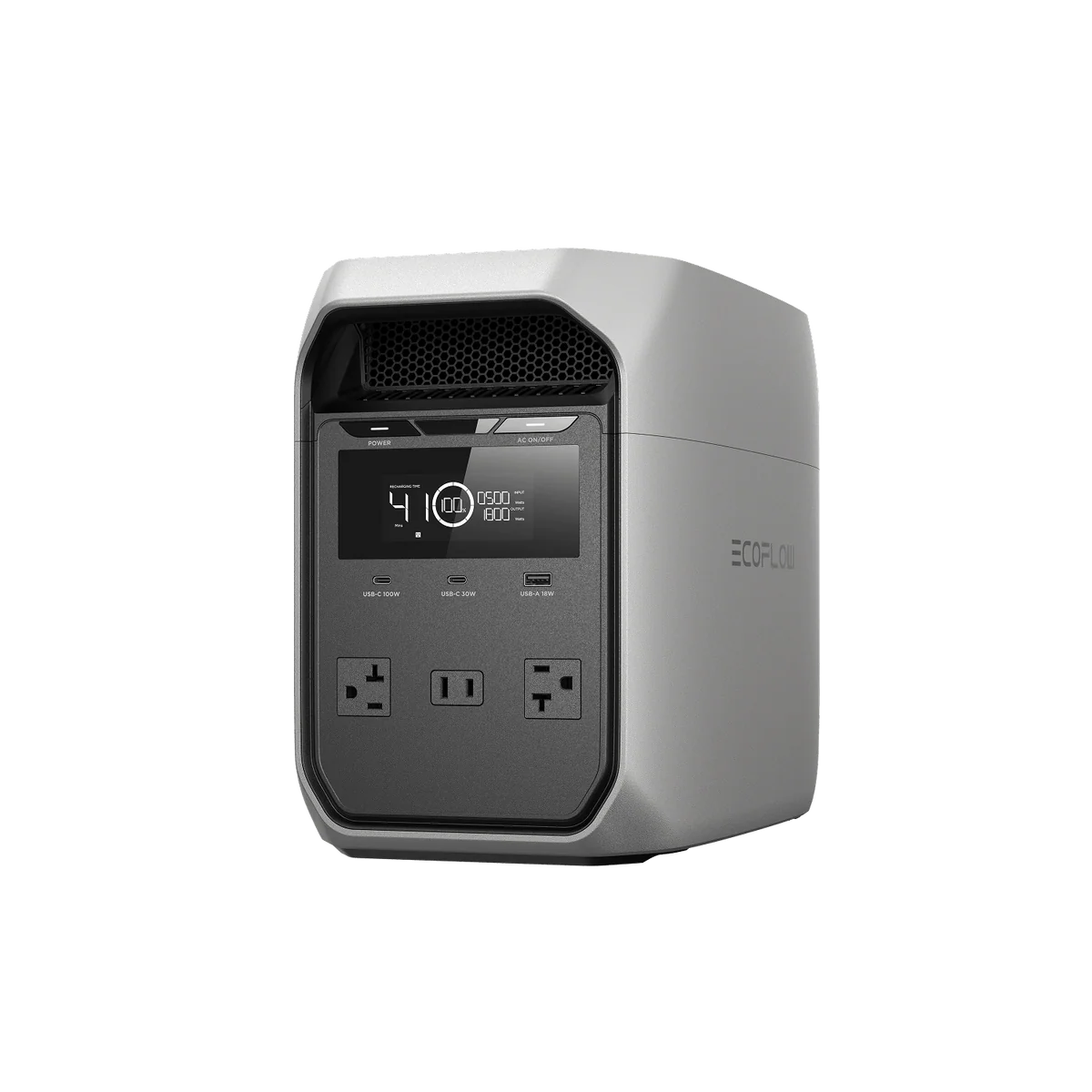
Since a reported outage can still take hours to resolve, especially after storm damage, many households keep a backup power source on hand for the wait. An EcoFlow DELTA 3 Classic (1024Wh) can keep a refrigerator, a few lamps, and phone chargers running during that gap.
How Do You Check the FPL Outage Map?
You can pull up the Florida power outage map directly from FPL's website or the FPLMaps site without logging into your account, though signing in lets you tie the map to your specific service address.
Searching by Address or ZIP Code
Type your street address or ZIP code into the search bar at the top of the map, and it will center on your location and show any nearby outage pins. This is the fastest way to confirm whether an outage affecting your street has already been logged, rather than waiting to be the first to report it.
Reading the Outage Details Panel
Clicking a pin opens a details panel with the outage's reported start time, the estimated restoration time, and the number of customers affected. Estimated restoration times are just that: estimates based on crew availability and damage assessments, so they can shift as FPL learns more about what caused the outage.
How Often Does the Outage Map Update?
FPL refreshes outage data roughly every 15 to 30 minutes, drawing from information collected around the clock. If you check back and your outage still shows the same restoration window from an hour ago, that's usually a sign crews haven't reached your area yet, rather than a stalled map.
During major storms, updates can happen more frequently as new outages are confirmed and restoration crews report progress.
FPL also publishes a Reliability Performance indicator alongside the map, showing the percentage of customer accounts with power at any given moment.
How Do You Report an FPL Outage?
If the map doesn't show an outage affecting your home, report it through the FPL app, the website, or FPL's automated outage line.
The map relies on customer input alongside automated grid sensors, so an outage that hasn't been flagged yet won't get a restoration estimate until someone logs it.
Before reporting, check your circuit breakers and confirm that neighbors are also without power. A single-home outage is sometimes a local wiring issue rather than a grid-wide problem.
What Causes Most FPL Power Outages in Florida?
Vegetation contact, mostly trees and limbs falling into power lines, is the single largest cause of outages nationwide, and Florida's dense tree canopy makes this a recurring issue during high winds.
Vehicle accidents involving utility poles, equipment failures, and animal contact with transformers account for many of the outages outside of storm season.
Hurricane season runs from June through November, and even a below-average season can still produce landfalling storms that knock out power across wide areas. NOAA's 2026 outlook calls for a below-average number of named storms, but a quieter season doesn't reduce the risk from the one storm that does make landfall.
How Can You Prepare for Outages Beyond the Map?
The outage map tells you what's happening, but it can't turn your power back on. Pairing that information with a plan for the outage itself is what keeps a bad afternoon from turning into a bad week.
Start by identifying which appliances and devices matter most, then size your backup power around those needs rather than trying to run your whole house at once.
For outages that stretch beyond a day, a portable power station paired with solar panels can keep critical devices charged indefinitely, since the panels recharge the unit during daylight hours even when the grid stays down.
If your household depends on medical equipment or well pumps, a whole-home backup power solution covers more circuits and removes the guesswork of choosing what to power.
Reviewing FPL power outage tips ahead of storm season helps you spot gaps in your plan before a real outage tests it. Once the basics are covered, mapping out a long-term power outage strategy protects you if restoration stretches past a day or two.

Frequently Asked Questions
How Accurate Is the FPL Outage Map?
The map reflects the same outage data FPL's call center uses, so it's generally accurate for confirming whether an outage has been logged. Restoration times are estimates and can shift as crews assess storm damage, so treat them as a rough window rather than a guarantee.
Why Doesn't My Address Show an Outage on the Map?
If your home has lost power but the map shows nothing, the outage likely hasn't been reported yet. Grid sensors catch many outages automatically, but isolated issues, like a downed line serving a few homes, sometimes need a customer report before they appear. Submitting a report through the app or website usually adds the pin within minutes.
How Long Do FPL Outages Usually Last?
Most weather-related outages resolve within a few hours once crews reach the site, but storm damage can extend that to a day or more depending on how many poles or lines need repair. Restoration timing varies by cause and scope, not by how long you've been waiting.
Reliable Backup Power Keeps Florida Homes Prepared for the Next FPL Outage
Checking the FPL outage map tells you what's happening on the grid, but it won't keep your refrigerator running while you wait for a crew to arrive. Florida's mix of storms and dense tree cover means outages aren't a question of if, only when.
Sizing an EcoFlow DELTA 3 Classic (1024Wh) to your must-run appliances now means the next outage pin near your address is a minor inconvenience instead of a scramble for ice and flashlights.
For press requests or interview opportunities, reach out to our media team
media.na@ecoflow.com