Flood Watch vs. Flood Warning: What Heavy Rain, River Flooding, and Low Roads Mean for Travelers
- What Flood Watch vs. Warning Means for Travelers
- How Flood Alerts Differ From Flash Flood Alerts
- Why Heavy Rainfall Totals Do Not Tell the Whole Story
- How River Flooding Can Affect Roads Far From the Rain
- Why Low-Lying Roads Can Become Dangerous So Quickly
- How Road Trips and Overnight Stops Should Change During a Watch
- What Travelers Should Do When a Flood Warning Is Issued
- How Backup Power Supports Delays and Local Outages
- Check Alerts Before the Next Road Segment
- FAQs
Heavy rain can change a road trip long before water reaches the highway. The difference between a Flood Watch and Flood Warning tells travelers when to reassess plans and when to act. It also matters near rivers, campgrounds, RV parks, vacation rentals, and low roads. Treat a watch as preparation time and a warning as a signal for immediate action.
What Flood Watch vs. Warning Means for Travelers
To start, the official meteorological definitions give each alert a different purpose. A Flood Watch means conditions are favorable for flooding. Flooding is possible, although it may never occur in every part of the watch area. This is the time to monitor forecasts, check local terrain, and prepare alternate routes.
A Flood Warning means flooding is imminent or already occurring. The warning may cover river flooding, streams leaving their banks, or water affecting normally dry areas. Travelers should follow the instructions in the warning, avoid affected roads, and move away from threatened locations when directed.
Alert | What It Means | Travel Response |
|---|---|---|
Flood Watch | Flooding is possible | Recheck routes, campsites, rivers, and low areas |
Flood Warning | Flooding is imminent or occurring | Avoid the warned area and take protective action |
The comparison is about probability and urgency, not the amount of rain already observed. A watch can be issued before heavy rain begins. A warning can continue after rain ends because runoff may still be moving downstream and river levels may keep rising.

How Flood Alerts Differ From Flash Flood Alerts
Broader flooding differs significantly from rapidly developing flash flooding. Flooding may build over hours or days after persistent rain, snowmelt, or runoff enters a river basin. It can remain after the original weather system has moved away.
Flash flooding develops much faster, often within minutes or hours. Intense rainfall, dam or levee problems, steep terrain, burn scars, dry washes, urban drainage limits, and low-water crossings can create rapid rises. Dangerous water can arrive from rain that fell upstream, even when the sky overhead looks less threatening.
Current alert naming can cause confusion. In most U.S. locations, separate Flash Flood Watches and Flood Watches have been consolidated into the broader Flood Watch. The watch text may specifically mention possible flash flooding. A Flash Flood Warning remains a distinct urgent product used when rapid flooding is imminent or occurring.
Flood Warning
A standard Flood Warning often concerns a river, larger stream, or broader area where flooding develops more gradually. It may remain active for days if a river stays above flood stage. Travelers still need to act because roads and access points can remain underwater.
Flash Flood Warning
A Flash Flood Warning calls for immediate action. Move to higher ground if you are in a flood-prone location and follow local instructions. Never drive toward flooded areas out of curiosity or to inspect the water. A canyon, drainage channel, underpass, low crossing, or campground beside a stream can become dangerous quickly.
Why Heavy Rainfall Totals Do Not Tell the Whole Story
Rainfall is only one part of the decision. Outcomes depend on rainfall rate, earlier rain, terrain, drainage, and runoff.
Saturated soil absorbs less additional water. Hard urban surfaces send runoff toward drains and low streets. Steep slopes move water into valleys quickly. Flat river basins may respond more slowly but stay flooded longer. Frozen ground, debris, blocked drainage, recent fire scars, and reservoir releases can further change local conditions.
Forecast totals may also cover broad areas. A narrow band of repeated thunderstorms can produce much more rain along one road than at a nearby airport. Check radar trends, local alert text, reported road closures, and river gauges rather than relying on one regional rainfall number.
Time matters as well. A highway may be open when a trip begins and closed when runoff reaches a crossing later. Night travel makes water depth, missing pavement, and barricades harder to see. Build enough flexibility to stop before reaching the affected section.
How River Flooding Can Affect Roads Far From the Rain
River conditions add another timeline. Water from many upstream tributaries can collect in a main river after local rain has eased. A sunny morning at the campground does not prove the river has crested.
Official river gauge pages show observed stage, forecast stage, flood stage, and location-specific impacts where available. Flood categories commonly include minor, moderate, and major flooding, but the stage assigned to each category differs by gauge. Ten feet at one river cannot be compared directly with ten feet at another.
Minor Flooding
Minor flooding may affect low roads, trails, parkland, fields, boat ramps, and property close to the river. The word “minor” describes the category at that gauge. It does not mean every flooded crossing is safe or that travel disruption will be small.
Moderate Flooding
Moderate flooding can affect structures and main roads near some gauges. Evacuations or broader closures may become necessary, depending on local impact statements. Check the specific gauge forecast and emergency information for the destination.
Major Flooding
Major flooding can bring extensive impacts to buildings, roads, and critical infrastructure. Travelers should not use category labels as permission to enter an area. Follow closures, evacuation orders, and access restrictions issued by local officials.
Why Low-Lying Roads Can Become Dangerous So Quickly
Low roads deserve special attention because water naturally collects or crosses there. Underpasses, dips, creek crossings, causeways, frontage roads, and poorly drained intersections can flood before nearby higher roads.
Water hides pavement damage, debris, washed-out shoulders, and missing road sections. Its depth and current are difficult to judge from a vehicle. According to the National Weather Service, 12 inches of rushing water can carry away most cars, while two feet can carry away many SUVs and trucks.
Never drive around a road barrier. It may mark a washed-out surface or a current that is stronger than it appears. Turn around and use an official alternate route. If there is no safe route, stop at a secure location outside the flood area and wait for updated information.
How Road Trips and Overnight Stops Should Change During a Watch
During a Flood Watch, review each vulnerable road segment and prepare a backup.
Road Trips
Mark rivers, low crossings, mountain valleys, and roads with limited exits. Check conditions before departure and again before entering the watch area. Choose alternate routes that stay on higher, maintained roads. Avoid schedules that force nighttime driving through unfamiliar terrain.
RV Parks
Ask the RV park about site elevation, drainage, river distance, exit routes, and closure procedures. A raised campsite offers limited value if the access road floods. Large RVs also need extra time and space to leave, so act before traffic and water restrict movement.
Campgrounds
Review the campground map for streams, ravines, dry washes, and higher ground. Do not choose a low streamside site during a flood threat because it looks sheltered. Confirm how alerts are delivered when cell service is weak and where campers should go if water rises.
Vacation Rentals
Ask the host about the final access road, nearby bridges, parking elevation, and previous closure points. Save an alternate lodging option outside the watch area. A rental on high ground can still become isolated when surrounding roads flood.
{
产品标题: EcoFlow DELTA 3 Max Plus + 400W Solar Panel
产品描述:Up to 3000W output, expandable 2–10kWh, and 43-min fast charge. Durable LFP cells, 10ms auto-switch, 25dB quiet, and smart app control with 5-year warranty.
产品链接:https://us.ecoflow.com/products/delta-3-max-series-portable-power-station?view=d3mp&variant=54718700060745
}
What Travelers Should Do When a Flood Warning Is Issued
Once a warning appears, shift from planning to action. Read the full warning to confirm the location, hazard, source, expected impacts, and expiration time. Do not assume an alert for the same county affects only the river shown on a map.
Stop travel toward the warned area and identify a safe place outside it.
Leave a flood-prone campsite or low road when officials tell you to move.
Use marked detours and obey barriers, closures, and evacuation orders.
Keep location sharing and emergency alerts active when service is available.
Move to higher ground during a Flash Flood Warning if you are at risk.
Call emergency services if trapped, and provide a precise location.
Warning expiration does not automatically reopen roads. Water may remain over pavement, bridges may need inspection, and river flooding can continue. Wait for transportation agencies, park managers, or local officials to confirm that the route is open.
How Backup Power Supports Delays and Local Outages
After route and shelter decisions are settled, consider the devices needed during an extended delay or localized outage. Communication, weather updates, lighting, and food storage usually matter more than convenience loads. Record the wattage of each device and check the startup demand of compressor-based coolers.
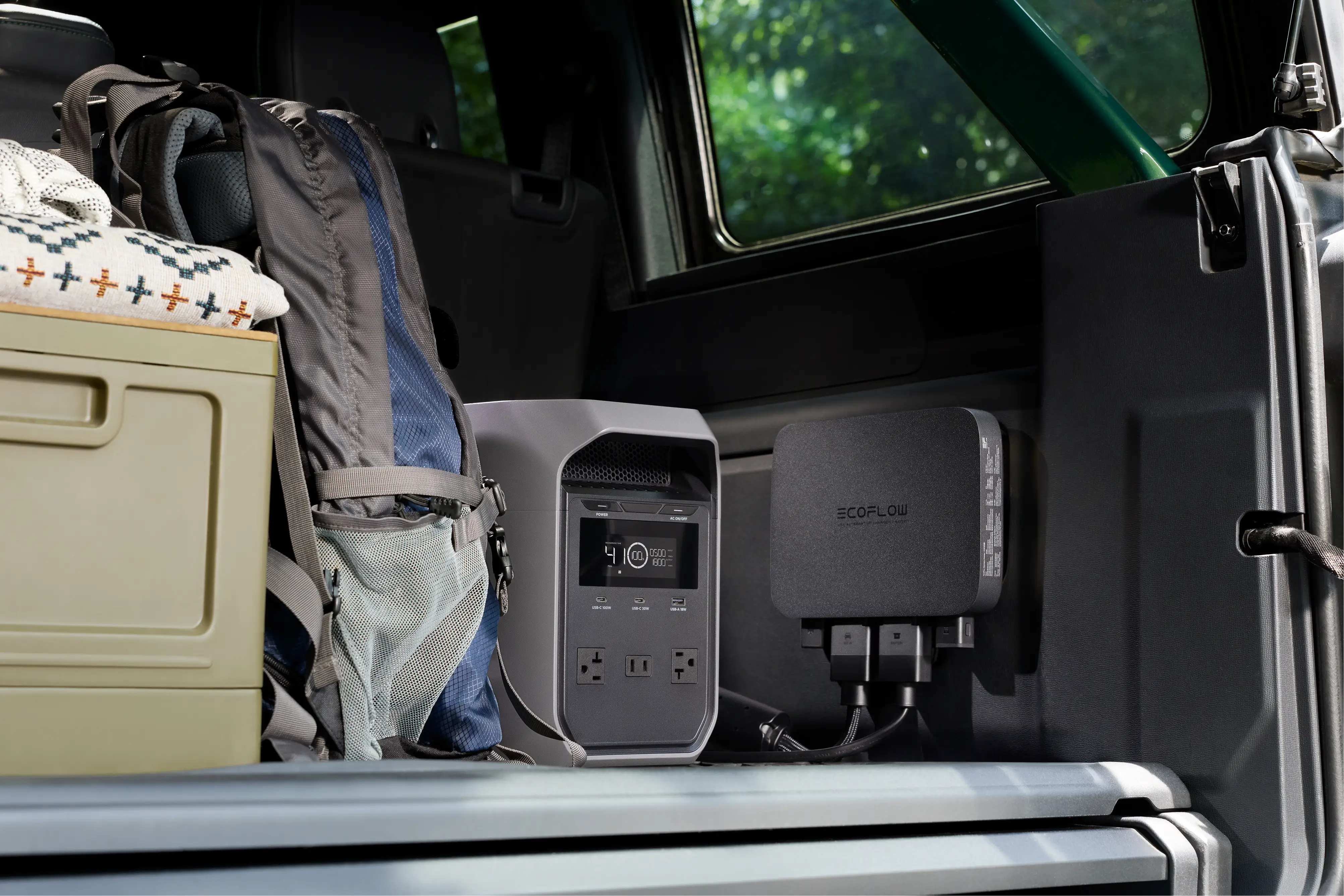
For a vehicle-accessible setup, a reliable portable power station like the EcoFlow DELTA 3 Classic provides 1,024Wh of capacity and 1,800W AC output. It can support selected phones, a mobile hotspot, LED lighting, portable fans, and compatible refrigeration equipment to keep you connected and safe.
Runtime varies with device consumption, cycling, temperature, and conversion losses. Keep the unit dry and ventilated, especially around heavy rain and standing water. Backup electricity cannot make a flooded road passable or make an evacuation zone suitable for staying. Location and access decisions always come first.
{
产品标题:EcoFlow DELTA 3 Classic Portable Power Station (1024Wh)
产品描述:Charge to 80% in 45 mins, 1800W output, 10ms auto-switch, and whisper-quiet 30dB operation. Durable LFP cells, app control, and 5-year warranty.
产品链接:https://us.ecoflow.com/products/delta-3-classic-portable-power-station
}
Check Alerts Before the Next Road Segment
Flood watch vs warning comes down to preparation and action. A watch means flooding is possible, so check rivers, low roads, lodging access, and alternate routes. A warning means flooding is imminent or occurring, so avoid the area and follow official instructions. Recheck alerts at every stop, respect barriers, and wait for confirmed reopening. Make the safer travel decision now.
FAQs
Q1: Can a Flood Watch Be Issued When No Rain Has Started?
Yes, commonly. A Flood Watch can be issued when forecast conditions favor flooding later. Use that lead time to check river areas, low roads, campground elevation, and alternate travel plans.
Q2: Does a Flood Warning Mean Every Road in the Warned Area Is Flooded?
No, not necessarily. A warning means flooding is imminent or occurring somewhere in the specified area. Read the warning text and local road updates to identify affected rivers, streets, crossings, and communities.
Q3: Is Minor River Flooding Safe for Driving Through a Low Crossing?
No, never assume that. “Minor” is a river-gauge impact category, not a road-safety rating. Any water covering a crossing can hide damage, depth changes, debris, and a strong current.
Q4: Can a Campground Flood When Heavy Rain Falls Upstream?
Yes, depending on the watershed. Water can travel downstream into rivers, creeks, ravines, and low campsites after local rain weakens. Monitor upstream conditions, gauge forecasts, and campground instructions.
Q5: Should Travelers Resume a Route as Soon as a Flood Warning Expires?
Usually no, until reopening is confirmed. Floodwater can remain, river levels may still rise, and roads or bridges may require inspection. Check transportation agencies and local authorities before continuing.
For press requests or interview opportunities, reach out to our media team
media.na@ecoflow.com