What Damage Does Flooding Actually Cause? A Room-by-Room Breakdown
Have you ever walked into your basement after a heavy rainstorm and found water pooling across the floor? It does not take a dramatic flood to cause serious problems. Just a few inches of water can ruin flooring, soak through drywall, destroy appliances, and start mold growth within 24 to 48 hours. Understanding what damage flooding causes is the first step toward protecting your home and your family. Flood damage hits harder and faster than most people expect, and knowing what to look for can mean the difference between a quick recovery and a costly ordeal.
The Types of Damage Floodwater Causes
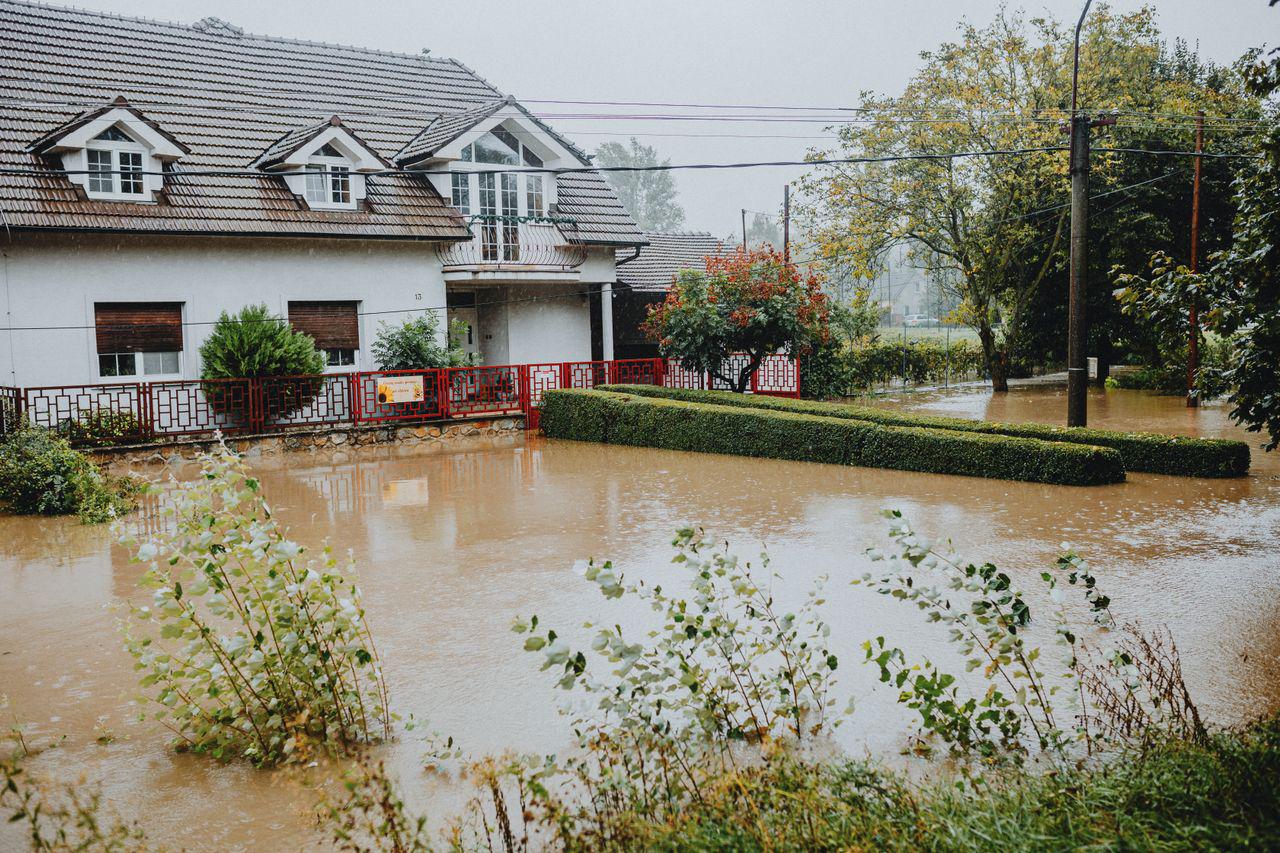
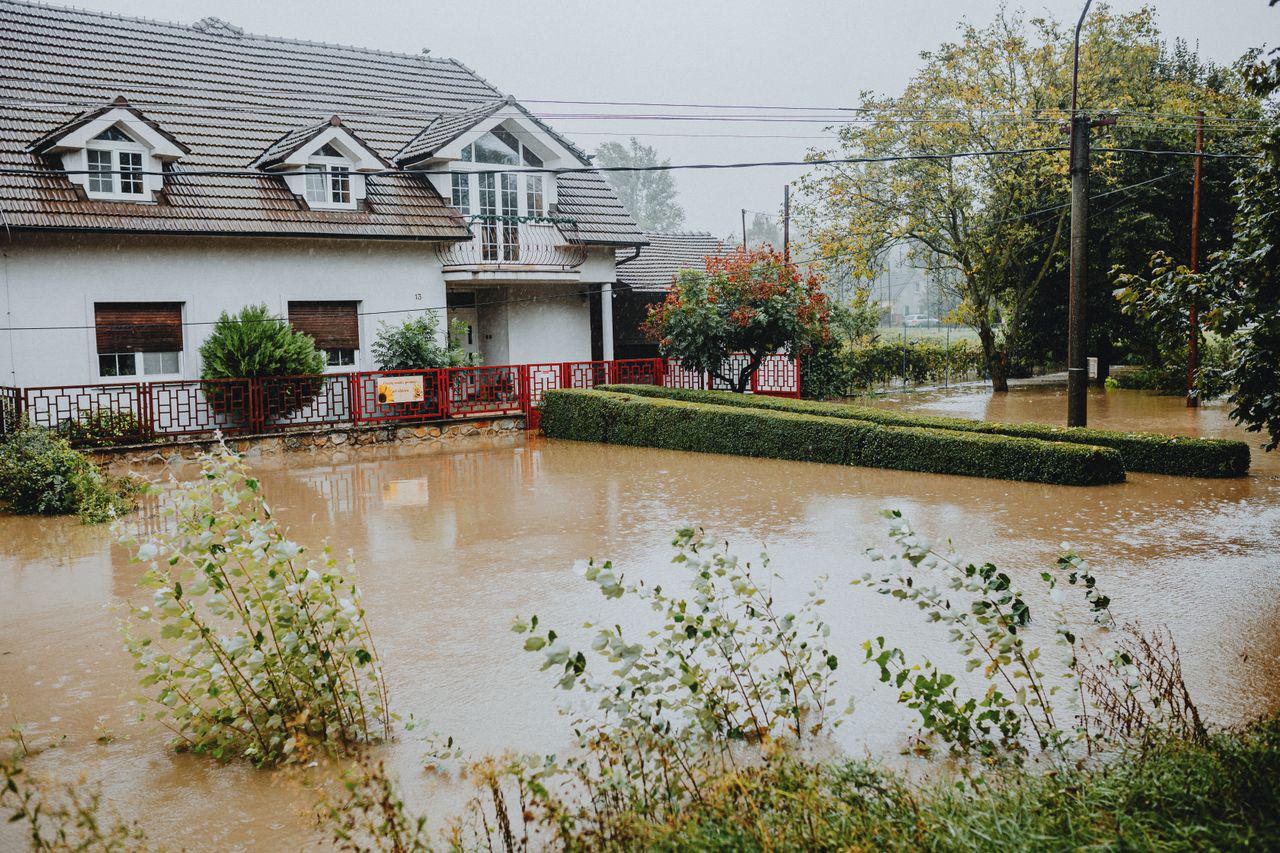
Even relatively shallow home flood damage tends to hit four main areas.
Structural damage is often the least visible and most dangerous. Rising water pressure can crack foundations, buckle floors, and compromise load-bearing walls, sometimes without obvious signs until a professional inspects.
Contents and belongings take a direct hit. Furniture, electronics, and personal items are frequently a total loss after water contact.
Electrical and mechanical systems face a serious risk the moment water rises. Wiring, outlets, HVAC units, and water heaters can short-circuit or become fire hazards. The flood preparation guide covers these vulnerabilities for households trying to get ahead of it.
Water contamination and mold round out the threats. Floodwater carries contaminants into a home's water supply, and mold can begin growing within 24 to 48 hours.
Before going deeper, it is worth covering moves that reduce damage caused by floods while water is still rising.
Reducing Damage While Water Is Still Rising
If you are dealing with rising water, what you do in the first minutes matters.
Moving valuables, electronics, and important documents onto higher shelving before water arrives prevents a huge share of avoidable losses.
A sump pump running continuously is one of the biggest factors in how much water enters a basement. The problem is that storms severe enough to cause flooding often knock out power. The Sump pump battery backup cost breakdown covers this tradeoff for homeowners weighing the investment.
Keeping a refrigerator running during a flood-related outage prevents spoiled food on top of water damage. Our guide on keeping food cold without power addresses that directly.

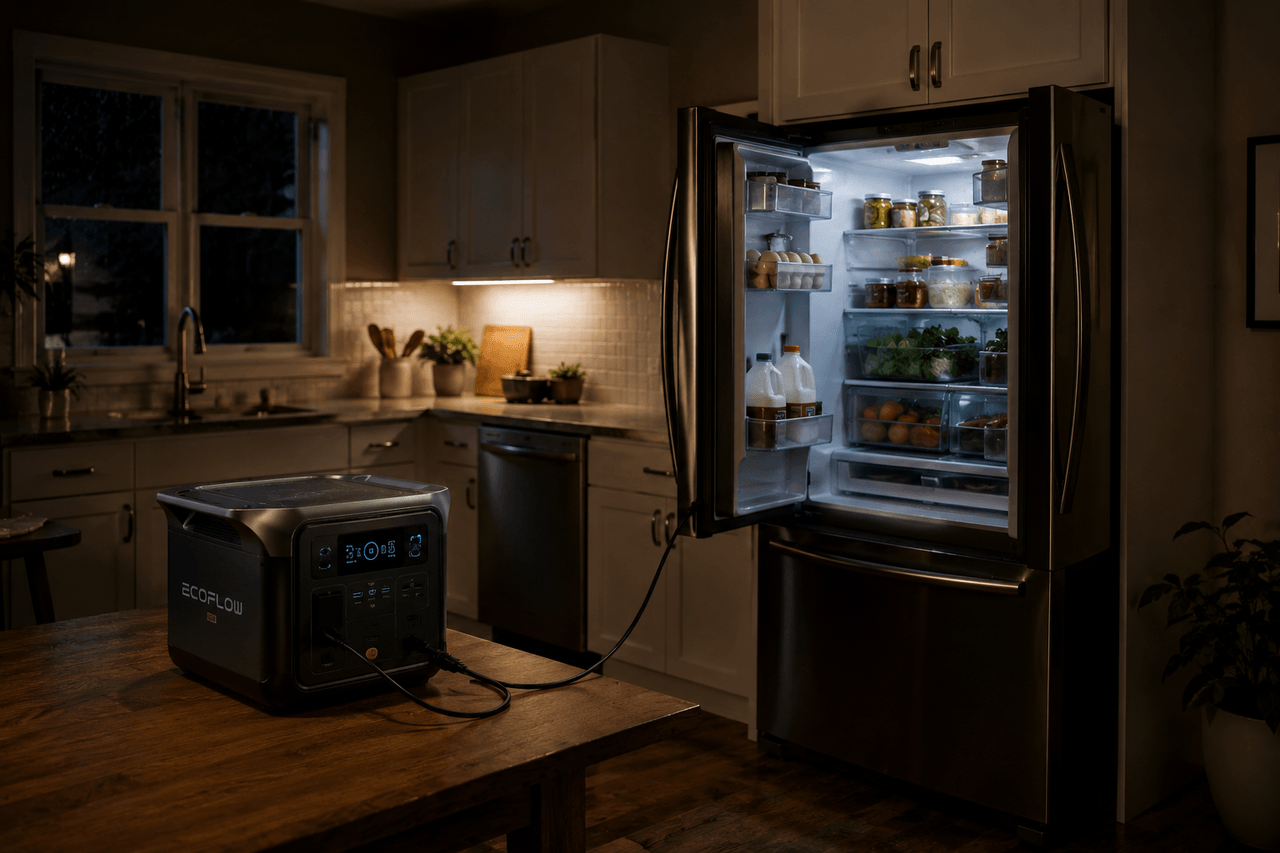
If those needs sound familiar, a reliable backup power source can keep your sump pump, refrigerator, and essential circuits running when the grid goes down. Here are three options designed for exactly these scenarios.
If your priority is keeping the entire house running during a flood-related outage, a whole-home battery backup gives you the capacity and output to handle every critical circuit at once.
Not every flood situation lets you stay home. If evacuation becomes necessary, having a portable power source you can carry out the door keeps your family connected when it counts.
If you want whole-home backup capability but do not need the full output of a larger system, a mid-range option can cover your essential circuits without taking up as much space.
With that context on limiting damage, here is exactly how much worse things get as water depth increases.
How Damage Escalates With Just a Few Inches of Water


Understanding what damage can be done by flooding at each depth helps you gauge how urgent any standing water really is.
Under 6 inches: Soaks carpets, drywall, and baseboards. Outlets can be affected by wicking even at this level. The effects of a flood here include permanent damage to flooring and walls.
6 to 12 inches: Stalls most vehicles and damages electrical components of major appliances. The damage from floods at this depth adds up fast.
12 to 24 inches: Floats most cars entirely. Nearly everything at floor level is destroyed.
2+ feet: Causes major structural stress on foundations. The damage floods cause here often includes long-term compromises requiring professional remediation.
Duration: The longer floodwater sits, the higher the mold risk and the greater the damage.
The Financial and Long-Term Consequences of Flooding
What are the financial consequences of flooding? Often worse than homeowners expect. Standard homeowners insurance typically excludes flood damage. Separate flood insurance through the National Flood Insurance Program or a private carrier is usually required.
Severe damage can make a home unsafe to reoccupy for weeks or months. Flooding causes an estimated $30+ billion in damage annually in the U.S., according to FEMA. The damage caused by floods reaches further into household budgets every year.
Checking Your Home's Flood Risk
Have you ever looked up your property's flood zone designation? Most homeowners do not.
FEMA's Flood Map Service Center lets you search your address for official flood zone designations. If you have been wondering what the risk of flooding at my house is, start here.
For a more granular score, First Street Foundation's Risk Factor accounts for factors FEMA does not capture.
Flood risk is not static. New development upstream, changing rainfall patterns, and wildfire burn scars can raise risk. The Ready.gov floods page offers guidance on what a flood can do and how to prepare.
What to Do If Water Gets Into Your Home
What you do right after water enters your home matters more than most people realize.
Do not re-enter a flooded space until it is confirmed safe. Standing water can hide electrical hazards and contamination.
Document everything with photos and video before cleanup. Insurance claims depend on this evidence.
Start drying out the space as soon as it is safe. Mold can develop within 24 to 48 hours, so speed matters. Open windows, run fans, and remove waterlogged materials. the complete guide on power outages covers events that accompany flooding and how to stay ready.
Conclusion
Flood damage ranges from soaked carpets at just a few inches to total structural loss at a couple of feet, with mold, contamination, and electrical hazards compounding the longer water sits. The most effective steps right now are checking your flood zone through FEMA's flood map service center, carrying flood insurance separately from standard homeowners coverage, keeping valuables off the floor, and having backup power ready for a sump pump and refrigerator. If those needs match your household, the EcoFlow DELTA Pro Ultra X, EcoFlow DELTA 3 Max Plus, and EcoFlow DELTA Pro 3 offer whole-home and portable backup for exactly these situations.
FAQ
What are the most common types of flood damage?
The most common types include structural harm to foundations and walls, destruction of belongings and electronics, damage to electrical systems, and mold growth from prolonged moisture. Even a few inches of water can cause all four.
How much water does it take to cause serious damage to a home?
Less than six inches ruins carpets, drywall, and baseboards. At six to twelve inches, major appliances are at risk. Beyond a foot, structural damage becomes a serious concern.
Does homeowners insurance cover flood damage?
Standard homeowners insurance typically does not cover flood damage. You usually need a separate policy through the National Flood Insurance Program or a private insurer.
How do I check my home's flood risk?
Start with FEMA's Flood Map Service Center to look up your address and flood zone designation. For a more detailed score, First Street Foundation's Risk Factor accounts for variables like local drainage and rainfall patterns.
Can a battery backup system reduce flood damage during a power outage?
Yes. One of the biggest factors in basement flood damage is a sump pump losing power during the storm that caused flooding. A battery backup keeps the sump pump running, prevents food spoilage, and maintains essential circuits. The EcoFlow DELTA Pro Ultra X and DELTA Pro 3 provide 240V split-phase output for these critical loads.
For press requests or interview opportunities, reach out to our media team
media.na@ecoflow.com