Idaho Wildfires: Current Conditions and How to Stay Prepared
Idaho is in the middle of a serious 2026 wildfire season. A state disaster emergency has been declared, and firefighting resources are stretched thin across the region as multiple large fires burn at once. This article covers current conditions as of publish (verified against official sources), the safety and evacuation basics every household should know, and how to prepare for the power outages that often accompany wildfire season. Safety guidance always comes first, and everything else here is meant to support it, not replace it.
Idaho's 2026 Wildfire Season: Current Conditions
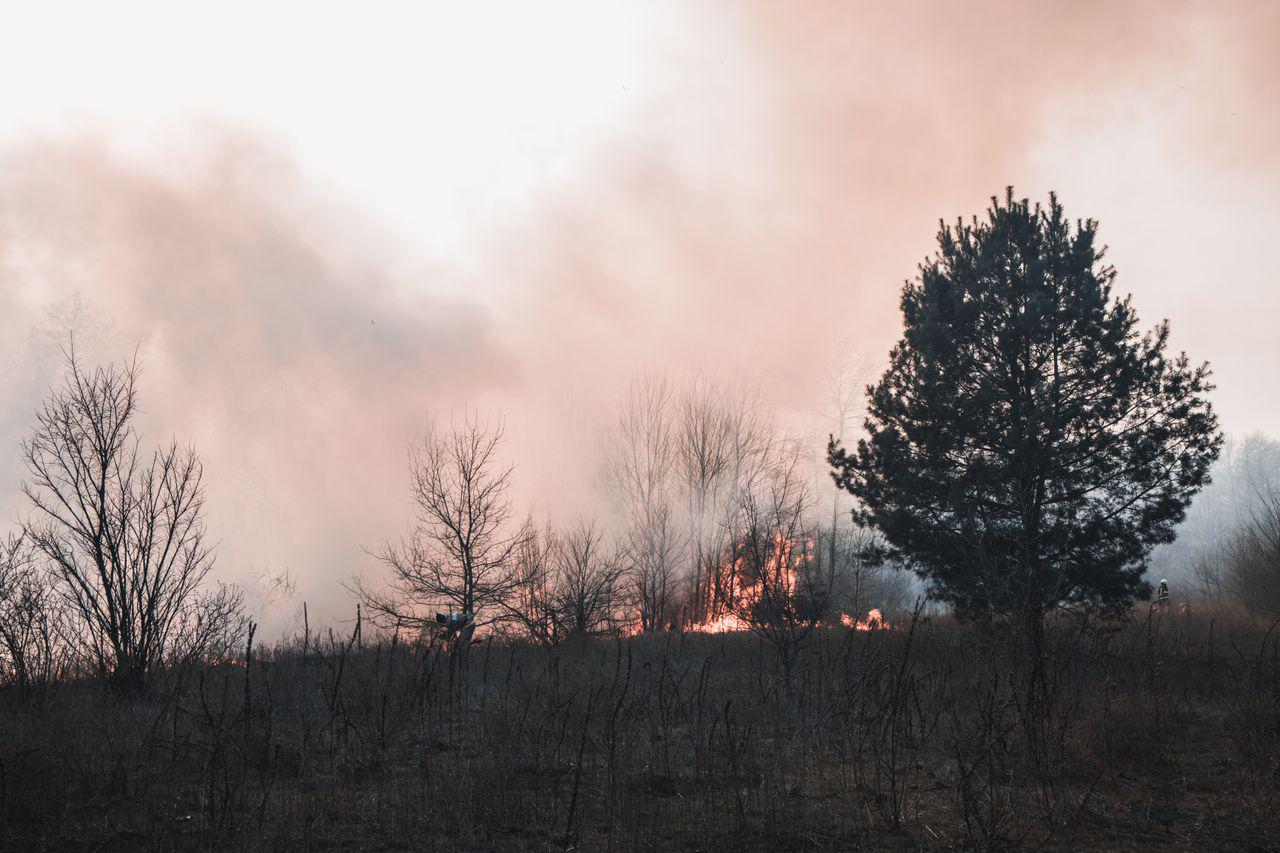
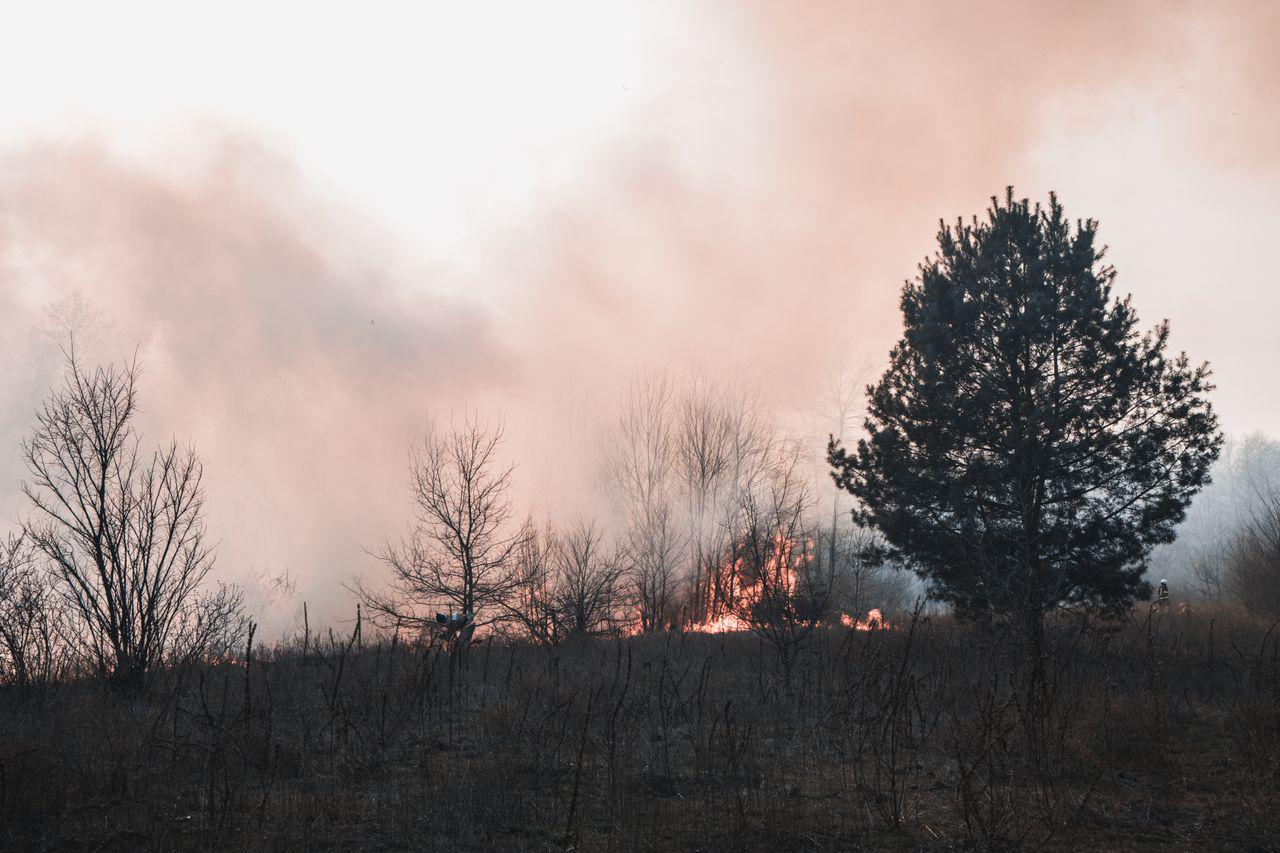
Idaho Gov. Brad Little has signed a disaster emergency declaration, citing extreme drought conditions, dry lightning strikes, and human-caused ignitions as the driving factors behind this year's outbreak of idaho wildfires. The declaration frees up state resources and mutual aid support for the counties hit hardest.
Statewide fire activity is running above the 10-year national average, with hundreds of individual fires and hundreds of thousands of acres burned so far this year. That pace has put real strain on crews, equipment, and air support across the state, and it's part of why any wild fire in Idaho right now is being watched closely by emergency managers.
Idaho isn't fighting this alone, either. Neighboring Washington's Spokane-area fires have caused significant property damage and triggered mass evacuations, and Idaho crews have been providing mutual aid support across the state line. Wildfire smoke and resource strain rarely respect borders, which is part of why regional coordination matters so much during a season like this one.
Fire restrictions, including limits on open flames and campfires, are currently in effect in multiple areas of the state. These restrictions vary by county and can change quickly as conditions shift, so check with your local county office for the current restriction level before any outdoor burning, including campfires, debris burning, or fireworks.
A note on timing: the figures above reflect a snapshot from early August 2026 research. Given how fast conditions change during an active idaho wildfire season, confirm current numbers against InciWeb and the Idaho Department of Lands before treating any of this as up to date.
Beyond the statewide picture, getting ready for wildfire season also means preparing for something many people don't expect: extended power outages.
Preparing for Wildfire-Related Power Outages
%20(9).png)
%20(9).png)
Wildfires can cause outages in two distinct ways. The first is direct damage: flames, heat, or falling trees taking out power lines, poles, and substations. The second is less obvious but increasingly common: utilities in high fire-risk areas, from California's PSPS program to similar practices taking shape in parts of Idaho, will proactively shut off power during dangerous conditions to keep their own equipment from sparking new fires.
Either way, the result for a household is the same: the grid goes dark, sometimes with little warning, and sometimes for days at a stretch. That's where having a backup power plan, scaled to your actual needs, makes the difference between a stressful inconvenience and a genuine emergency.
For wildfire-ready home battery backup during a multi-day outage, a high-output solar generator can keep essential systems running (refrigeration, well pumps, medical equipment, HVAC) without you having to ration power circuit by circuit.
For households that want strong backup power without a whole-home installation, a large portable power station covers most of the same bases (refrigeration, medical devices, communications, even a window AC unit) in a form factor you can move if you ever need to evacuate.
If portability matters more than capacity—say you need something that fits easily in a vehicle if you have to leave—a smaller grab-and-go unit fits the bill.
Compact and lightweight, the DELTA 3 Classic is sized for an evacuation go-bag rather than a whole-home solution, but it's genuinely useful if you need to power a phone, a CPAP machine, or a few essentials while you leave quickly.
Power is one piece of readiness. A full evacuation plan needs to cover more ground.
Wildfire Evacuation Basics
Smoke from an active idaho wildfire can travel hundreds of miles beyond the fire perimeter, affecting air quality in communities that are never under any evacuation order at all. Fine particulate matter (PM2.5) is the main health concern: it's small enough to get deep into the lungs and bloodstream, and it's the reason "clear skies where you are" doesn't always mean healthy air.
A few practical steps help during smoke events:
Check your local air quality index (AQI) reading before spending extended time outdoors, leaning on a resource like wildfire smoke safety and PM2.5 indoor air quality if you want help interpreting the numbers, especially with kids, older adults, or anyone with respiratory conditions.
Keep windows and doors closed during smoke events, and run central air on recirculate mode if you have it.
Consider indoor air filtration, such as a portable HEPA air purifier, if smoke exposure is prolonged over several days or weeks, which is increasingly common during a heavy wildfire season in Idaho.
For the most current, reliable information, always go straight to official sources.
Where to Get Real-Time Wildfire Information
%20(10).png)
%20(10).png)
Static articles, including this one, are a snapshot in time. For real-time conditions on any wild fires idaho is currently facing, rely on these official channels instead:
InciWeb for official incident-level updates on active fires, including containment status and evacuation notices.
Idaho Department of Lands for statewide fire activity, restriction levels, and burn permit information.
Local county emergency management offices and alert systems for evacuation orders specific to your address, since conditions can vary block by block during a fast-moving fire.
Bookmark these now, before you need them, and pair them with longer-term steps like home hardening against wildfires so property-level prep and real-time monitoring work together. During an active idaho wildfire, information moves fast, and official sources update far more frequently than any blog post can.
Conclusion
Idaho's 2026 wildfire season is serious and active, with a statewide disaster declaration, above-average fire activity, and real strain on regional resources. Preparedness starts with following official safety guidance (evacuation orders, air quality alerts, and burn restrictions), and power readiness is one supporting piece of that broader plan, not a replacement for it. Whether you need wildfire-ready home backup for a multi-day outage or a portable unit for your go-bag, having a plan in place before smoke is on the horizon makes everything that follows easier.
Ready to build your own backup power plan? Explore EcoFlow's DELTA lineup to find the right fit for your household.
FAQs
What should I keep in a wildfire evacuation go-bag?
Important documents (ID, insurance, medical records), medications, a change of clothes, water, non-perishable snacks, and a portable power source for your phone and any medical devices. Keep it packed and accessible during active fire season so you're not scrambling if an order comes through.
What's the difference between "ready, set, go" evacuation levels?
"Ready" means conditions are developing and you should prepare to leave. "Set" means be packed and prepared to leave at a moment's notice. "Go" means leave immediately; don't wait to gather more belongings or confirm the danger yourself. Exact terminology and triggers vary by county, so check with your local emergency management office.
Why do utilities shut off power during high fire-risk conditions?
Downed or damaged power lines can spark new fires, especially during high winds and dry conditions. A Public Safety Power Shutoff (PSPS) proactively de-energizes lines in high-risk areas to remove that ignition source, a pattern that has played out repeatedly in Southern California's wildfire-driven Edison power outages, even though it means a planned outage for customers in the affected zone.
Is it safe to stay home during a wildfire if I'm not under an evacuation order?
If you're not under an evacuation order, staying home can be reasonable, but you should still monitor air quality, keep windows closed during smoke events, and stay ready to leave if conditions change. Always follow official guidance for your specific zone rather than assuming your situation is the same as a neighboring area's.
Where can I check real-time wildfire conditions in Idaho?
InciWeb for incident-level updates, the Idaho Department of Lands for statewide activity and restrictions, and your local county emergency management office or alert system for evacuation orders specific to your area.
For press requests or interview opportunities, reach out to our media team
media.na@ecoflow.com