What Is a 3-Phase Generator? A Complete Guide to Uses and Applications
A 3-phase generator uses three alternating current (AC) phases to produce electricity. The three AC phases are commonly used by heavy-demand equipment. These generators are typically used in industries, businesses, and other areas with high electrical load requirements.
For homeowners, however, a 3-phase generator isn’t always the best option for backup power, primarily due to noise and emissions. A better option is a portable power station like the EcoFlow DELTA Pro Ultra.
Regardless, this article will explain what a 3-phase electric generator is, how it works, and whether it is suitable for home backup.
What is a 3-phase generator?
A 3-phase generator is an electrical generator designed to generate three alternating currents (or phases) at the same frequency, but offset by 120 degrees. The continuous and balanced output of the 3-phase configuration makes it well-suited to large motors, machinery, commercial equipment, and industrial systems, as these loads require a steady power supply to operate properly.
The engine inside the generator drives the alternator, which produces electricity through electromagnetic induction. The combined operation of all three phases enables high efficiency when delivering power.
There is a much bigger difference between single and 3-phase generators; a single-phase one can only produce a single alternating current. 3-phase generators provide a steady supply of power for large motors, machinery, commercial equipment, and industrial systems.
What Are the Different Types of 3-Phase Generators?
Classification of a 3-phase electrical generator depends on construction, excitation, mounting, cooling, and application. The primary classification methods include:
Construction: Generators that generate a stable supply of electric power generally use a synchronous type, while Generators specifically intended to be used in certain types of applications generally use an induction type.
Excitation: Generators can be either self-excited, which generate the magnetic field that produces electrical energy, or separately excited, which require an external DC voltage source to develop the magnetic field.
Mounting type: The generator's mounting type depends on its intended operating location (stationary) or portability. Types of mounts exist for portable (standby) and stationary installations.
Cooling method: Generators come equipped with Air-cooling or liquid-cooling systems to manage excessive temperatures. Liquid cooling is generally required for larger generators due to increased thermal losses.
Application: Some models are built for residential, commercial, construction, industrial, or specialized power requirements.
Naturally, the type of generator you choose will entirely depend on your power requirements.
What Is 3-Phase Power Used For?
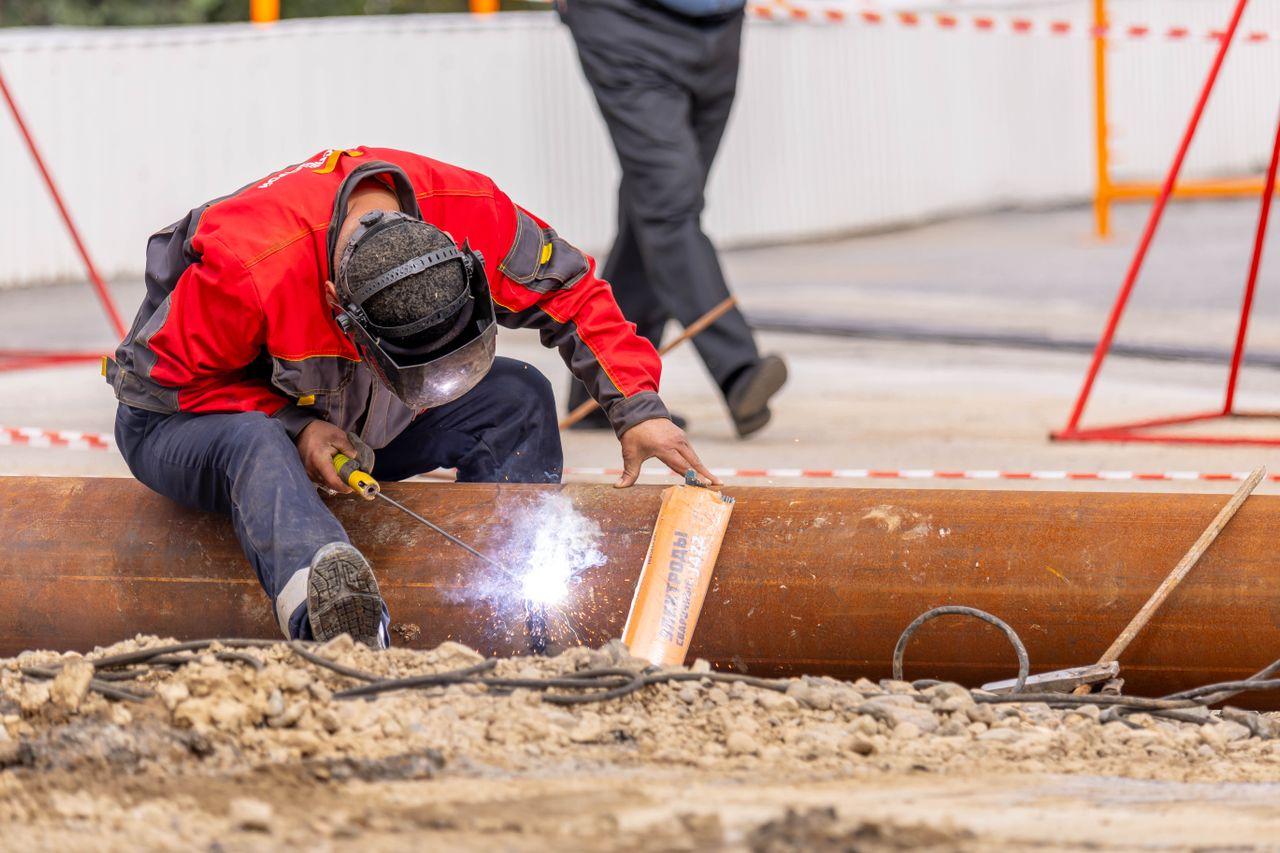
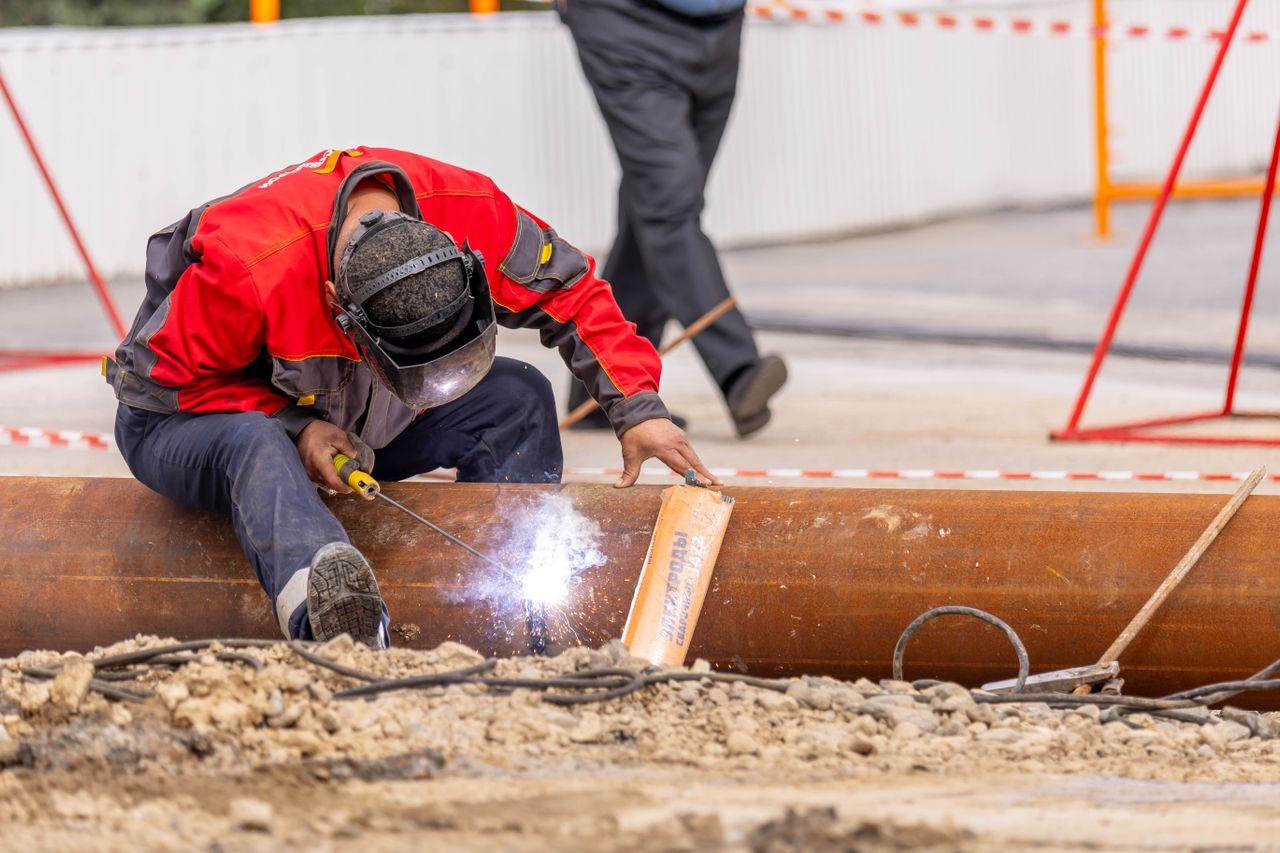
Three-phase power is primarily used for equipment that requires a reliable, stable supply of electricity and higher power levels than most households require. Some common uses of three-phase power include:
Commercial or Industrial Equipment: Commercial/industrial facilities use three-phase power for large industrial motors, pumps, air compressors, heating/cooling systems, and many types of manufacturing equipment.
Construction and Job Sites: Three-phase generators allow users to create their own three-phase power supply at remote construction or job sites when no utility connection exists. These units can be used as primary power sources to run heavy-duty tools such as welders and air compressors.
Large Facilities: Large facilities such as hospitals, warehouses, data centers, and larger multi-story buildings use three-phase power to effectively distribute the load on their electrical systems and equipment.
But what about if you want a 3-phase generator for your house?
Can I Power My House With a 3-Phase Generator?


Yes, a 3-phase portable generator can power your home if the generator, transfer switch, and your home's electrical service are properly configured. Most houses are wired for single-phase power; therefore, in many cases, a 3-phase genset will be unnecessary for normal house backup.
A 3-phase genset could make more sense when you have large electrical loads (heating/cooling), special equipment (medical), or already have a 3-phase service at your home. Therefore, before installing a 3-phase generator, a professional needs to first evaluate your property to determine if it is compatible
For most homeowners, however, a home-built portable power station is more appropriate. Here’s why:
EcoFlow DELTA Pro Ultra: Designed for whole-home backup and can be connected to additional units to increase battery storage capability and allow you to run larger household devices.
EcoFlow DELTA PRO 3 Portable Power Station: A portable unit that allows you to power essential devices, RV's, outdoor projects, medical emergencies, and more.
In simple terms, while you can use a 3-phase generator at home, you have to make sure your electrical configuration meets the requirements. A better option is to use portable stations like the EcoFlow DELTA Pro Ultra, which doesn’t require any extravagant reconfiguration and is a portable, noise- and emission-free power alternative.
What Are the Upsides And Downsides of Using a 3-phase Generator?
A three-phase generator is a suitable option in certain high-demand applications; however, its size and complexity make it a less feasible alternative for most residential customers. Before you decide on either, consider all the pros and cons of each.
Pros of a 3-Phase Generator
Power Delivery Efficiency: 3 Phase Power is designed to provide a stable energy source to meet the high-demand requirements of large equipment and to balance the load on electrical distribution systems.
Motor Performance: 3 Phase Power is ideal for the efficient operation of large electric motors (pumps), compressors, etc.
Heavy Demand Applications: 3 Phase Generators are typically used at industrial/commercial locations (factories, office buildings, construction sites) with significant electrical load requirements.
Continuous Operation Reliability: With the constant, balanced power supplied by three-phase power, these machines can run continuously without shutting down due to electricity demand.
Cons of a 3-Phase Generator
Higher installation costs: Installing an electric home standby unit may require purchasing specialized equipment, such as transfer switches and wiring, and hiring a licensed electrician to perform the installation.
More complex electrical setup: A more complex electrical design is required for both the homeowner's utility service and their generator's electrical output.
Often unnecessary for homes: Most residential customers have a single-phase electrical delivery system. This makes a three-phase electrical generating set excessive for all but a few small businesses or commercial uses.
Fuel and maintenance requirements: 3 phase diesel generator or gasoline units require on-site fuel storage, routine servicing (typically annually), and proper ventilation during operation.
Less convenient for occasional use: Units require more infrastructure to operate. The larger size and associated infrastructure needs can make these units impractical for occasional emergency backup power.
Conclusion
A 3-phase generator produces three alternating electrical currents and is designed to deliver stable, efficient power to high-demand equipment. It is commonly used in industrial facilities, commercial buildings, construction sites, and other applications with substantial electrical loads.
While a 3-phase generator can power a home in certain situations, most residential properties do not require three-phase power, making installation more complex than necessary.
If you need reliable residential backup power, consider an EcoFlow solution such as the DELTA Pro Ultra for a whole-home generator or the DELTA Pro 3 for more portable needs.
FAQ About a 3-Phase Generator
Can You Convert 240V to 3-Phase?
Yes; however, it cannot be done using just a standard voltage converter. The process of creating three-phase power from a single-phase 240-volt supply requires either a phase converter or an appropriate inverter system.
Is a 3-Phase Generator More Efficient?
Yes, and specifically for heavy-duty applications. In a 480v 3 phase generator, the electrical load is divided among multiple phases, distributing electrical load among machinery much more evenly. However, these benefits are more visible in larger household or commercial settings; in typical households, they are limited by the household load.
Do I Need a 3-Phase Generator for My Home?
Most likely not. Most home electrical systems are single-phase, and they are generally adequate for all common residential appliance loads. A 3-phase generator will be more beneficial to you if you have 3-phase electrical service at your property or specific high-power equipment.
Can a 3-Phase Generator Run Single-Phase Equipment?
Yes. This depends on how the generator was configured and what type of connections were made. A 3 phase power generator can supply single-phase loads if they are properly connected and the various loads are also properly distributed across the available phases.
For press requests or interview opportunities, reach out to our media team
media.na@ecoflow.com