Upgrade Your Baseboard Heaters with High-Voltage Smart Thermostats for Efficient, Automated Heating
- Why Upgrade Baseboard Heaters to Smart Thermostats?
- How High-Voltage Baseboard Heating Systems Work
- Choosing a High-Voltage Smart Thermostat
- DIY or Professional Installation: What’s Best?
- Backup Power for Smart Thermostats During Outages
- Frequently Asked Questions
- Heating Smarter — Now Is the Time to Upgrade Your Baseboard System
As winter approaches, keeping your home warm and comfortable without inflating your energy bills becomes a top priority. Traditional baseboard heaters often lack the precision and automation of modern heating systems, resulting in wasted energy and inconsistent temperatures.
Enter high-voltage smart thermostats. It’s a game-changing upgrade that transforms standard baseboard heaters into efficient heating solutions. With intuitive controls, customizable schedules, and remote access, these smart thermostats help reduce energy consumption.
Why Upgrade Baseboard Heaters to Smart Thermostats?
If you’re still using old-school dial controls on your baseboard heaters, upgrading to a smart thermostat can be a game-changer. Traditional thermostats tend to overheat rooms, waste energy, and require constant manual adjustments. Smart thermostats, on the other hand, give you precise control and do the thinking for you.
With a smart thermostat, you can easily set schedules, control temperatures remotely from your phone, and even adjust heating room by room. That means warmer mornings, cooler nights, and no more heating an empty house. Over time, this smarter control can significantly lower your energy bills. This is especially important since baseboard heaters are typically electricity-hungry.
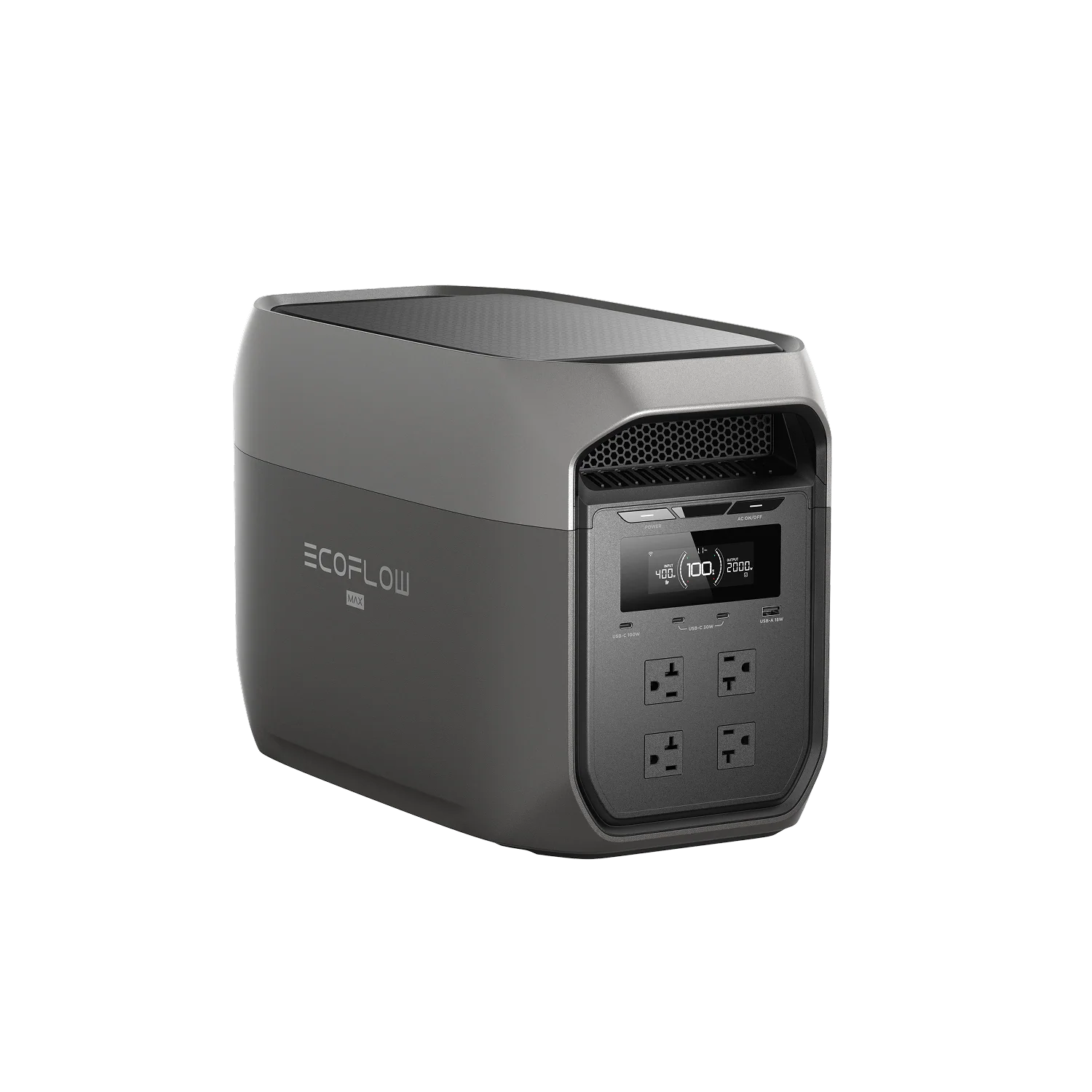
Another big benefit is better energy awareness. Many smart thermostats display exactly how much power you’re using and help you make small adjustments that add up to significant savings. Pairing efficient heating control with reliable backup power solutions like the EcoFlow DELTA 3 Max Series Portable Power Station can also add peace of mind and ensure your home stays comfortable even during outages.
How High-Voltage Baseboard Heating Systems Work
High-voltage baseboard heating systems are straightforward once you break them down. These systems run on either 240 volts (most common) or 208 volts and use electricity to heat a metal element inside the baseboard unit. When your thermostat calls for heat, electricity flows through that element and causes it to warm up. As air near the floor passes over the heated element, it rises naturally. This pushes warm air into the room without the need for fans or ducts.
Each room or zone usually has its own thermostat, which means you can control the temperature room by room. That’s one of the big advantages—no wasting energy heating spaces you’re not using. Because these systems don’t rely on moving parts like blowers or pumps, they tend to be low-maintenance and very reliable.
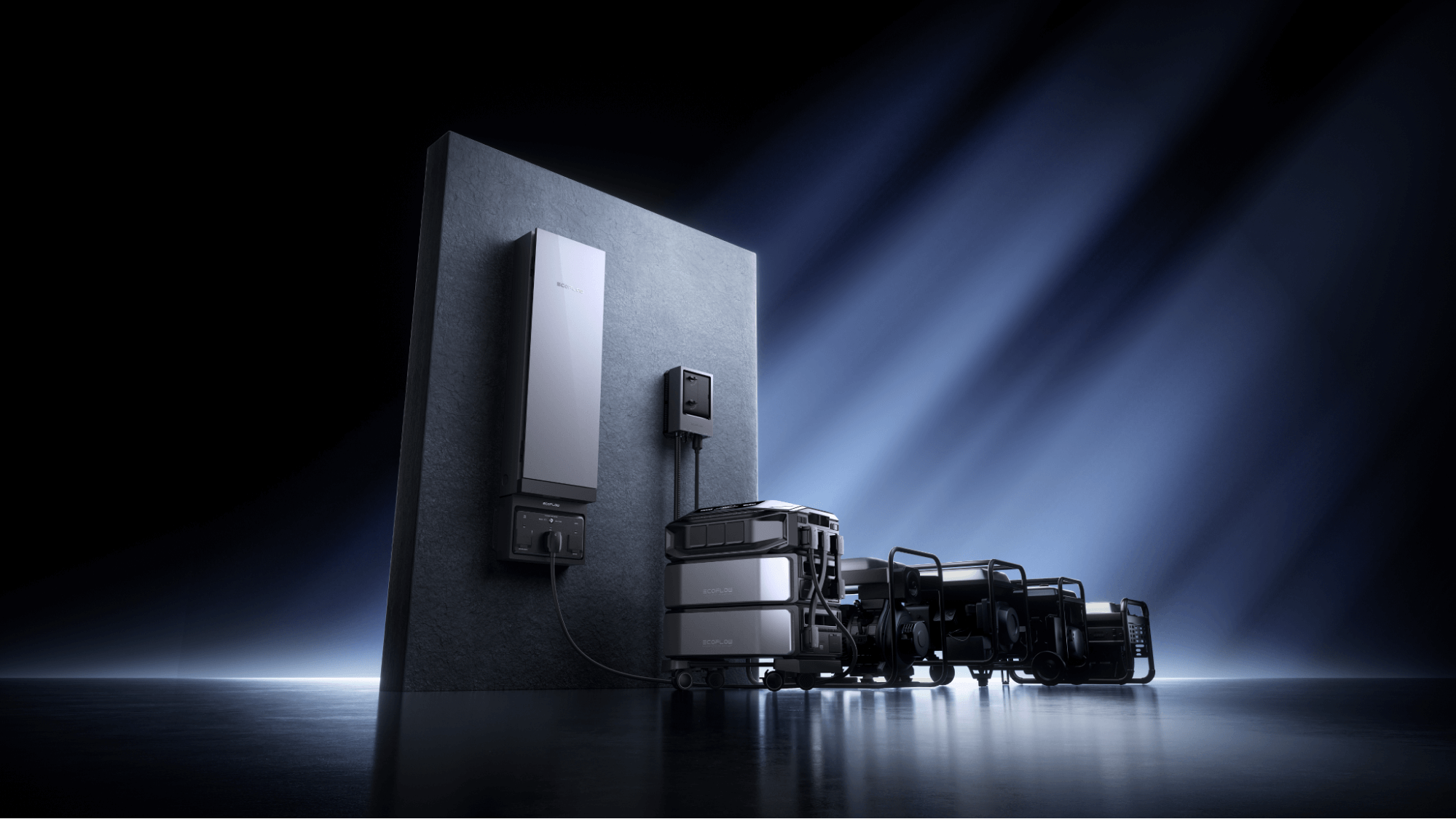
It’s also worth noting that because these heaters use high voltage, they draw a significant amount of power. During outages, they won’t operate unless you have backup power capable of handling the electrical load. That’s where solutions like a whole home generator can come into play and help keep your home warm and comfortable even when the grid goes down.
Choosing a High-Voltage Smart Thermostat
If your home uses a high-voltage heating system (like electric baseboards or in-wall heaters), not every smart thermostat will work. Many popular models are designed for low-voltage HVAC systems, so the first step is checking compatibility. Look for thermostats specifically labeled for line-voltage or high-voltage systems, usually 120V or 240V. This one detail can save you a lot of frustration (and returns).
Next, think about what “smart” actually means for your lifestyle. Do you want simple scheduling, app control from your phone, or energy-use reports that help you cut costs? Some high-voltage smart thermostats focus on rock-solid temperature control, while others add features like room-by-room scheduling or voice assistant support. If you’re pairing your thermostat with a home energy setup, like the EcoFlow DELTA Pro Ultra X, choosing a model with reliable connectivity and predictable power behavior becomes even more important.
Finally, keep installation and usability in mind. Many high-voltage thermostats are DIY-friendly, but some setups still require a professional installation. A clear display, intuitive app, and responsive controls go a long way toward making your heating system feel modern instead of complicated.
DIY or Professional Installation: What’s Best?
Many high-voltage smart thermostats are designed with confident DIYers in mind, especially if you’re comfortable turning off breakers and following wiring diagrams carefully. If you’re replacing an existing line-voltage thermostat with a similar model, the process can be fairly straightforward and rewarding.
That said, high-voltage systems carry more risk than low-voltage setups, so if anything about the wiring looks unfamiliar or if your home has an older electrical system, calling a licensed electrician is the wiser move.
Backup Power for Smart Thermostats During Outages
Even the smartest thermostat can’t do much if the power goes out—that’s where backup power comes in. With a reliable portable power station, you can keep your thermostat running, maintain your home’s temperature, and avoid unexpected surprises when the electricity cuts out.
These compact units are easy to use and can power your thermostat (and even a few other essential devices) long enough to ride out most outages. It’s a little safety net that keeps your smart home, well… smart, no matter what.
Frequently Asked Questions
Does a Smart Thermostat Actually Save You Money?
Yes, a smart thermostat can save you money by optimizing heating and cooling, reducing energy waste, and adjusting temperatures based on your schedule, but savings vary depending on your habits and home. Over time, many users see noticeable drops in their energy bills. Plus, some models offer energy reports and tips to help you save even more.
Can I Use a Smart Thermostat With Baseboard Heaters?
Yes, you can, but only if the smart thermostat is compatible with line-voltage systems, which most baseboard heaters use. Standard low-voltage smart thermostats won’t work. Make sure to check the thermostat’s specifications for compatibility with electric baseboard heaters. Proper installation may require a licensed electrician to handle the high-voltage wiring safely.
Do Any Smart Thermostats Work With High Voltage?
Yes, some smart thermostats are designed for high-voltage systems, typically line-voltage heaters or baseboards. You need to check the thermostat’s specifications to ensure compatibility.
Heating Smarter — Now Is the Time to Upgrade Your Baseboard System
Upgrading your old dial baseboard thermostats to high‑voltage smart thermostats brings precise temperature control, automated scheduling, and remote app access, so your home stays comfortable without wasting energy. Smart control means room‑by‑room customization, fewer manual adjustments, and real savings on heating bills, especially with energy‑hungry electric baseboards.
Choosing compatible line‑voltage models and ensuring proper installation improves reliability and safety. Pairing smarter heating with a backup power solution like the EcoFlow DELTA Pro Ultra X enhances comfort and keeps your system running even during outages.