The Pro Guide to Rechargeable Batteries: From AA to Portable Power Stations
- What Are Rechargeable Batteries and How Do They Work?
- What Types of Rechargeable Batteries Are Available in 2026?
- Understanding Battery Capacity: What Do Wh, Ah, and Voltage Mean?
- What Are the Typical Applications of Rechargeable Batteries?
- How to Charge and Maintain Rechargeable Batteries Properly
- Conclusion
- FAQ
Whether you’re bracing for a winter storm in Ontario or loading the SUV for a Rockies weekend, power is the one thing you can’t afford to lose. In 2026, rechargeable batteries go far beyond swapping AAs in a remote. We’re living in the age of high capacity portable energy.
This guide breaks down modern rechargeable battery technology, from the chemistry inside your phone to the large scale power stations keeping Canadian homes running during outages.
What Are Rechargeable Batteries and How Do They Work?
At its simplest, a rechargeable battery is a reversible chemical storage system. Unlike disposable batteries, where energy flows one way until it’s depleted, rechargeable batteries allow the chemical reaction to run in both directions.
You can think of it as “ion ping-pong” between two sides: the positive electrode and the negative electrode.
Charging: When plugged in, the charger pushes electrons and lithium ions back toward the negative electrode. That movement stores energy inside the battery.
Discharging: When you power a device, those electrons flow back toward the positive electrode. That movement creates the electrical current your device uses.
This back-and-forth cycle, store, release, repeat can happen hundreds or even thousands of times, depending on the battery chemistry and how well it’s maintained.
What Types of Rechargeable Batteries Are Available in 2026?
Rechargeable systems today range from small AA cells powering everyday gadgets to large units and power station setups that keep essential devices running during outages or outdoor trips. Here are the main rechargeable battery types you’ll see in 2026.
Lithium-Ion (Li-ion) Batteries
The standard for portable electronics. Li-ion batteries power smartphones, laptops, cameras, drones, and power tools. They offer very high energy density, meaning more power in a lighter, smaller package, ideal when weight and size matter.
Lithium Iron Phosphate (LiFePO₄/ LFP) Batteries
Think of LFP as the tougher, longer lasting version of lithium. While slightly heavier than standard Li-ion, LFP batteries are far more stable, significantly safer, and built for longevity. Many are rated for 3,000 to 4,000+ cycles, often translating to 10 years of regular use. That’s why LFP is now the preferred chemistry for home backup systems, RV setups, solar storage, and modern portable power stations.
Lead-Acid and AGM Batteries
The long time workhorses. You’ll still find lead acid batteries in gas powered vehicles and basic marine systems. They’re affordable and reliable for engine starting but heavy and not well suited for deep cycling (frequent draining and recharging).
Nickel-Metal Hydride (Ni-MH) Batteries
If you’re using rechargeable AA or AAA batteries in toys, remotes, game controllers, or flashlights, chances are they’re Ni-MH.
Ni-MH replaced the older Nickel-Cadmium batteries, which had environmental and memory effect issues. They’re affordable, widely available, and well suited for everyday household devices. While they don’t match lithium in energy density, they remain a reliable, practical option for moderate drain gadgets around the home.
Emerging Rechargeables
New technologies are starting to move from labs into real-world testing. Solid state batteries and sodium-ion alternatives are two of the most talked-about options in 2026. They promise faster charging, improved safety, and stronger performance in extreme cold, something that matters when Canadian winters drop to -30°C. While they’re not yet mainstream for home use, they’re expected to play a much bigger role in the next few years.
Comparison Table: 2026 Battery Chemistry Breakdown
| Feature | Li-ion | LiFePO₄ (LFP) | Ni-MH | Lead-Acid |
|---|---|---|---|---|
| Energy Density | Very High | Medium-High | Medium | Low |
| Cycle Life | 500 - 1,000 | 3,000 - 4,000+ | 500 - 1,000 | 200 - 500 |
| Safety | Good | Excellent | Good | Fair |
| Cost | Moderate | Higher Upfront | Low | Very Low |
Understanding Battery Capacity: What Do Wh, Ah, and Voltage Mean?
When comparing batteries in 2026, you’ll see terms like Wh, Ah, and Voltage. Many shoppers still focus on mAh, but that number alone can be misleading because it ignores voltage, the electrical “pressure” behind the current. To understand the true energy capacity, the real size of your battery’s fuel tank, look at Watt-hours (Wh).
The formula is simple: Wh = V × Ah
If a device only lists mAh, divide by 1,000 to convert it to Ah, then multiply by the voltage.
Example: A 20,000mAh power bank at 3.7V:
20Ah × 3.7V = 74Wh
But that 74Wh is theoretical. When the power bank boosts its internal 3.7V to 5V, 9V, or 20V for your phone or laptop, some energy is lost as heat. Most quality units operate at about 85% to 92% efficiency.
Theoretical Capacity: 74Wh
Actual Usable Energy: roughly 63Wh to 68Wh
That’s why comparing Wh, not mAh, is the only accurate way to judge real battery capacity.
Wh vs. Ah: A Quick Breakdown
| Term | What it Represents | Analogy |
|---|---|---|
| Voltage (V) | Electrical Pressure | How fast the water flows |
| Amp-hours (Ah) | Current Charge | The width of the pipe |
| Watt-hours (Wh) | Total Energy Capacity | The total volume of the water tank |
Real-World Calculation
A 1000Wh portable power station running a 100W appliance:
1000 ÷ 100 = about 10 hours of runtime
Keep in mind that real world runtime may be slightly lower due to inverter losses and efficiency (usually around 85-92%).
When comparing batteries or power stations, always prioritize Wh. It’s the only reliable way to compare capacity fairly across different voltages, sizes, and brands, especially when evaluating battery types for off-grid living, where accurate capacity calculations determine how long essential devices can stay powered.
How to Choose the Right Rechargeable Battery
Choosing the right rechargeable battery is mostly about matching the chemistry to the job. For everyday household devices, like remotes, wireless mice, flashlights, or kids’ toys, Nickel-Metal Hydride (Ni-MH) remains a practical and affordable choice. They’re safe, easy to recharge, and perform well in low to moderate drain gadgets.
If weight and portability matter, such as for laptops, cameras, drones, or power tools, Lithium-ion (Li-ion) is ideal. Its high energy density delivers more power in a lighter, more compact form.
For larger energy demands like battery back up for home, RV setups, or solar storage, Lithium Iron Phosphate (LFP) is the strongest long term option. Its long lifespan, thermal stability, and safety make it the preferred chemistry for modern portable power stations.
Traditional lead-acid batteries still make sense when you need high burst power, like starting a vehicle engine or supporting basic marine systems, where cost and reliability outweigh weight or cycle life.
In short, there’s no single “best” battery. The best one is the one designed for your specific use case.
What Are the Typical Applications of Rechargeable Batteries?
Understanding battery chemistry is useful, but what really matters is how it fits into your daily life. Different situations call for different tools.
AA/AAA Batteries: For Remotes and Toys
For low drain devices like TV remotes, wireless mice, flashlights, and kids’ toys, Ni-MH rechargeables are the most practical option. They’re affordable, reusable, and more eco-friendly than constantly buying disposables.
Li-Ion Batteries: For Laptops, Drones, and Power Tools
When portability matters, Li-ion leads the way. Whether you’re hiking in Algonquin Park with camera gear or running a cordless drill on a job site, Li-ion delivers high output without adding unnecessary weight. It’s built for devices that demand quick bursts of energy.
LFP and Portable Power Stations: For Solar Energy, Home Backup, and RVs
When reliability is critical, like keeping your fridge running during a winter outage, LFP technology is the smart choice.
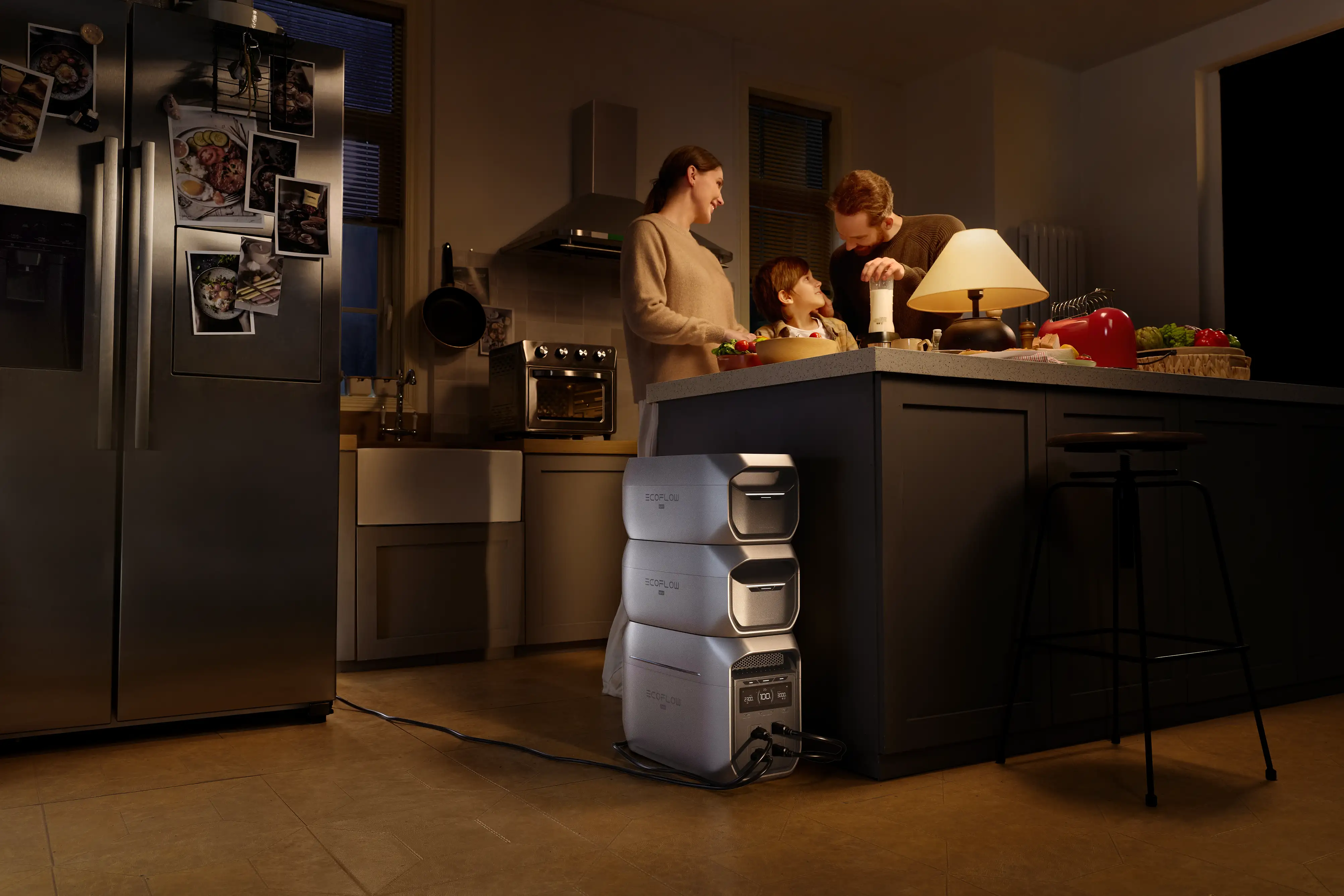
The EcoFlow DELTA 3 Max Plus Portable Power Station (2048Wh) uses high capacity LFP cells and includes a 10ms UPS switchover. If the grid drops due to wind or snow, connected appliances switch to battery power almost instantly, helping prevent interruptions.
For mobile work setups or van life across the Maritimes, the EcoFlow DELTA 3 Classic Portable Power Station (1024Wh) offers a lighter, more compact alternative while still using stable LFP chemistry. It’s well suited for unpredictable Canadian conditions where dependable power matters.
In short, small batteries handle small tasks. Larger LFP systems step in when the stakes, and power demands are much higher.

How to Charge and Maintain Rechargeable Batteries Properly
A rechargeable battery is an investment. Treat it properly, and it can last for years. Neglect it, and performance drops fast.
Following Manufacturer Charging Guidelines
Not all chargers are interchangeable. Using a high-speed charger on a battery that isn’t designed for it can cause overheating and reduce long-term capacity. Always match the charger to the battery type and rating.
Avoid Deep Discharge
Modern systems usually prevent overcharging, but deep discharging is still harmful. Regularly draining a battery to 0% increases chemical stress and shortens lifespan. Think of it like a gas tank, you don’t want to run on fumes every time.
Maintain Proper Temperature
Temperature control is especially important in Canada. Batteries don’t handle extreme heat well, and charging in freezing conditions can cause damage. Never charge a frozen battery. If it’s been sitting in a cold garage or vehicle, let it warm up to room temperature before plugging it in.
Conclusion
From the small cells inside your wireless mouse to high-capacity LFP systems like the DELTA 3 series, rechargeable batteries power nearly every part of modern life. Choosing the right chemistry and taking care of it properly, means longer lifespan, better performance, and fewer replacements. Whether you're working from a downtown office or off grid in the Canadian wilderness, reliable power starts with understanding your battery.
FAQ
1. Which type of rechargeable battery is best?
For overall lifespan and safety, the LiFePO₄ battery (LFP) is generally the best choice. It handles 3,000+ cycles and is far more stable than standard lithium chemistries. If weight and compact size matter most, like in phones, drones, or laptops, Li-ion (NMC) is better. For home backup, RV setups, and large power stations, LFP is the stronger long-term investment.
2. How long will a rechargeable battery last?
Most lithium batteries last 3 to 10 years, depending on usage and chemistry. A typical Ni-MH AA battery provides around 500 recharge cycles, while quality LFP systems can last close to a decade of regular use. Extreme cold, especially storing batteries in unheated garages can shorten that lifespan.
3. What kills a rechargeable battery?
The biggest causes of damage are:
Extreme heat
Repeated deep discharge to 0%
Physical impact
Heat accelerates internal chemical breakdown, and leaving a battery fully drained can sometimes prevent it from charging again. Avoid hot vehicles in summer and don’t store batteries completely empty.
4. What is the 80/20 rule for charging?
The 80/20 rule suggests keeping lithium batteries between 20% and 80% when possible. Regularly charging to 100% or draining to 0% increases internal stress and shortens lifespan. Staying within this middle range helps extend long-term performance.
5. What is the best way to charge lithium batteries?
Charge at moderate temperatures around 20°C is ideal. For storage, keep the battery at 50-60% charge and top it up every few months. Avoid leaving devices at 100% for extended periods unless needed.
6. What are the downsides of rechargeable batteries?
The main downside is higher upfront cost. Capacity also gradually declines over time. They can slowly lose charge while stored (self-discharge), so it’s wise to check them before use. That said, over the long run, rechargeables are more cost-effective and environmentally friendly than disposables.