What Is a Power Surge? Causes, Signs, and How to Protect Your Home
- What Is a Power Surge and Why It Matters for Canadian Homes
- What Causes Power Surges in Canada?
- Common Canadian Scenarios That Trigger Power Surges
- What Are the Warning Signs of a Power Surge?
- How Can You Protect Your Home from Power Surges?
- When to Seek Professional Help for Power Surge Problems
- Conclusion
- FAQ
Power surges can hit without warning, and they can do some significant damage to your electronics and appliances. Whether it’s a summer storm in Ontario or a routine grid maintenance job in B.C., Canadian homeowners deal with a range of environmental and infrastructure issues that can cause electrical spikes. This guide breaks down what a power surge actually is, what’s behind the ones you’re most likely to see in a Canadian home, and what you can do to protect your gear and keep your household safe and connected.
What Is a Power Surge and Why It Matters for Canadian Homes
In an era of escalating summer heatwaves and severe storms, safeguarding your household hardware begins with mastering the mechanics of a sudden voltage spike.
Understanding the Basics of Electrical Surges
A power surge is a sudden, short-lived spike in voltage that goes well beyond the normal flow of electricity. In Canada, standard household outlets run at 120 volts. When a surge hits, that voltage jumps way above that—sometimes into the thousands of volts, even if only for a fraction of a millisecond. Brief as they are, those intense bursts can overwhelm and gradually damage the sensitive microprocessors inside your modern electronics. In more severe cases, the heat generated can damage your wiring or even raise the risk of an electrical fire.
Power Surge vs. Power Outage vs. Brownout
| Event | What Happens | Risk |
|---|---|---|
| Power surge | Voltage suddenly spikes | Damages electronics |
| Power outage | Electricity stops | Data loss, shutdowns |
| Brownout | Voltage drops temporarily | Device stress |
What Causes Power Surges in Canada?
To prevent electrical damage, you need to know where the threats actually come from. In Canadian homes, power surges usually trace back to a mix of external utility issues and things happening right inside your own walls.
Grid Switching and Utility Maintenance Events
Canada’s electrical grid is constantly being adjusted, especially as utility companies work to balance heavy regional demand. When they switch lines or do routine maintenance, it can cause brief, sudden fluctuations in the power that reaches your neighbourhood. Those utility‑side adjustments can send unexpected voltage spikes down the line, catching unprotected home systems completely off guard.
High-Power Appliances in Residential Homes
Most people assume power surges come from lightning or utility problems, but the truth is that many actually originate inside your own home. Whenever large appliances like your air conditioner, heat pump, or refrigerator cycle on and off, they create small spikes in power demand. While each surge is minor, the repeated electrical fluctuations may contribute to premature wear, especially for sensitive electronics like laptops, smart TVs, and gaming consoles. Using a power surge protector can help reduce exposure to these small voltage fluctuations and add an extra layer of protection for household electronics.
Weather-Related Grid Instability
Canada’s weather can place significant stress on the electrical grid. Thunderstorms, lightning, high winds, and severe summer storms can damage power lines or transformers, increasing the risk of power surges. When this occurs, sudden voltage spikes may travel into your home’s electrical system, potentially affecting sensitive electronics and appliances. To help protect sensitive electronics during these events, some homeowners use a portable power station with built-in UPS functionality to provide backup power during brief outages and reduce disruption when grid conditions become unstable.
Internal Wiring Issues and Aging Electrical Systems
Many older homes in Canada still rely on electrical systems that weren’t designed for today’s power demands. As wiring ages, loose connections, worn insulation, and overloaded circuits can cause a sudden short circuit, making the system highly prone to dangerous voltage fluctuations. Over time, those small fluctuations can gradually shorten the lifespan of sensitive electronics.
Common Canadian Scenarios That Trigger Power Surges
While power surges can happen anywhere, some situations are especially common in Canadian homes because of the country’s climate, infrastructure, and growing electricity demand.
During Severe Storm Recovery
After a severe storm, utility crews often restore power neighbourhood by neighbourhood rather than all at once. As sections of the grid are re-energized, brief voltage fluctuations may occur. Although utilities work to minimize these events, reconnecting large portions of the network can sometimes create temporary surges that affect sensitive electronics.
Starting High-Power Cooling Appliances
In severe summer weather, air conditioners, heat pumps, and refrigeration systems frequently cycle on and off to maintain stable indoor temperatures. Each startup places a localized surge on the circuit, and repeated cycling over time can contribute to gradual electrical stress on connected devices.
Charging an Electric Vehicle
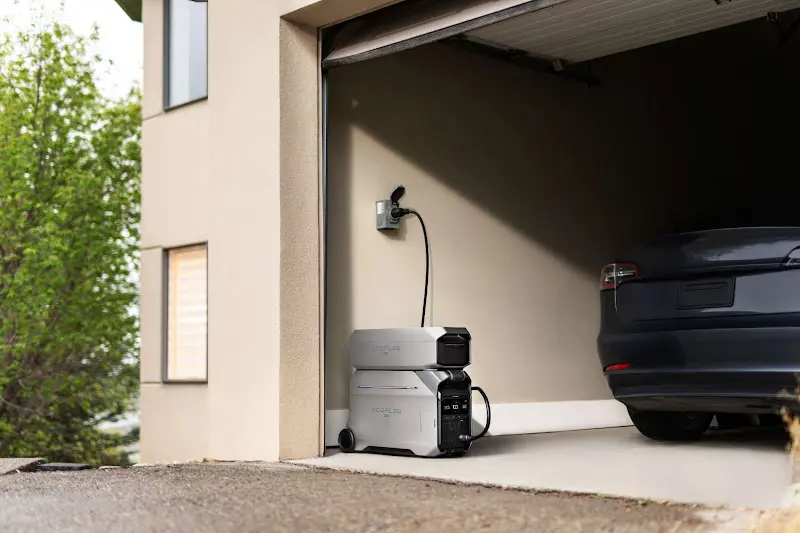
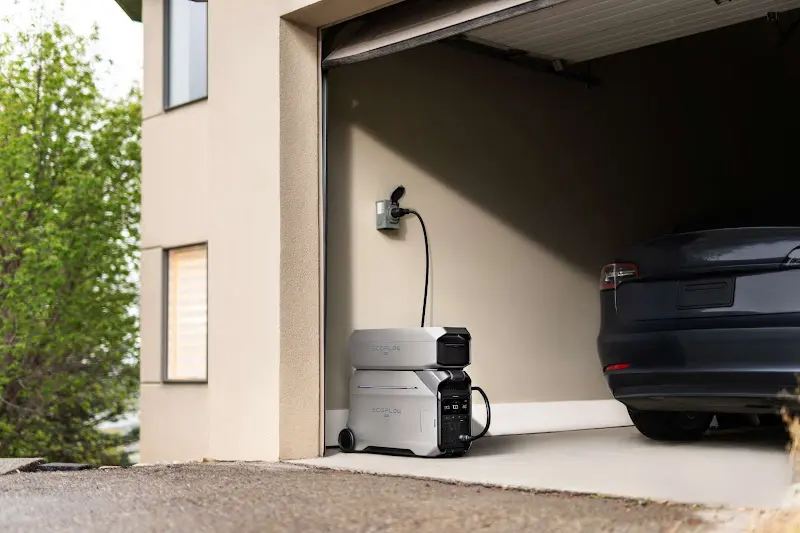
As EV ownership continues to grow across Canada, Level 2 home chargers have become increasingly common. While properly installed chargers are designed to operate safely, the high electrical load they place on a home’s system makes good surge protection even more important—particularly in older houses with aging electrical panels.
Opening Seasonal Cottages
Many cottages across Ontario, Quebec, and Atlantic Canada sit unused throughout the winter. When owners reopen them in spring, multiple appliances, pumps, water heaters, and HVAC equipment are often switched on within a short period. This sudden increase in electrical demand can place extra stress on older wiring and increase the likelihood of minor power surges.
What Are the Warning Signs of a Power Surge?
Catching a power surge before it does serious damage can save you a bundle. Keep an eye out for these common warning signs that your home’s electrical system might be under strain.
Flickering or Dimming Lights
If your overhead lights flicker, dim, or briefly get brighter when your fridge kicks in, you’re watching an internal power fluctuation in action. That’s a clear sign that electricity is shifting unevenly across your circuits, which can expose smaller electronics on the same line to repeated mini‑surges that aren’t great for them.
Sudden Device Shutdowns or Restarts
Unexplained resets on your digital clocks, microwave displays, or desktop computers are a classic sign that your power’s not stable. When a device senses a sudden voltage spike or a sharp dip, its internal safety features will often force a hard reset to avoid frying the circuit. That usually means lost data and unsaved work.
Burnt Smell or Tripped Circuit Breakers
A tripped circuit breaker is designed to shut off power when it detects an overload or potential fault, helping prevent overheating and electrical damage. If your breakers trip repeatedly, or you notice a burning smell near an outlet or electrical panel, don’t ignore it. These are common warning signs of an underlying electrical problem that should be inspected by a qualified electrician.
How Can You Protect Your Home from Power Surges?
Keeping your home safe from electrical damage takes more than one layer of protection. By combining a few simple habits with some smart backup technology, you can build a setup that’s way more resilient—and significantly reduce the risk of power interruptions.
Start with Surge-Protecting Power Bars for Everyday Electronics
Your first line of defence for home offices and entertainment setups is a good surge‑protected power bar. Look for one with a high Joule rating—that tells you how much energy it can absorb before it gives out. Just keep in mind that cheap power strips are basically extension cords; you need to specifically choose units with certified surge suppression to actually protect your gear.
Keep Essential Devices Running with a Portable Power Station
When a power surge hits, it’s not just about equipment damage. It often comes hand‑in‑hand with blackouts or severe grid fluctuations that can knock out your computers, routers, and medical devices in an instant. For anyone working from home, managing remote schooling, or relying on essential appliances, that sudden loss of power can mean lost work and missed classes. A portable power station steps in to fill that gap with fast, reliable backup when the grid fails.
The EcoFlow DELTA Pro 3 Portable Power Station is built for exactly these situations. It keeps your Wi‑Fi and computers running during outages, and it also has a built-in ultra‑fast UPS function. The moment the grid stumbles or cuts out, the DELTA Pro 3 switches to battery power almost instantly—your connected devices stay on without a skip, so you avoid downtime and protect sensitive gear from the shock of sudden shutoff.
Build Whole-Home Protection with a Backup Power System
Plug‑in surge protectors work well for individual devices, but with extreme weather becoming more common across Canada, you really need a broader strategy. Real peace of mind comes from a whole‑home backup system that protects multiple circuits at once. Instead of deciding which appliances to save, a proper residential backup keeps your entire household running through the worst grid disruptions.
For Canadian homes with higher energy needs, the EcoFlow DELTA Pro Ultra Whole-Home Backup Power system offers serious, full‑coverage protection. It’s built to handle multiple heavy‑duty circuits, delivering clean, stable power across your whole house during extended outages. Once it’s set up, you don’t have to run around unplugging things or giving up everyday comforts—the system takes over automatically, keeping your lights on, appliances running, and sensitive electronics shielded from whatever’s happening on the grid.
Maintain Your Home's Electrical System to Reduce Surge Risks
Technology’s important, but it shouldn’t be doing all the work on its own. Regular maintenance of your home’s electrical setup matters just as much. Make sure big appliances like your washer, dryer, and AC are on their own dedicated circuits, not sharing lines with sensitive electronics. Besides, have an electrician take a look at your panel, tighten any loose terminal connections, and check that your grounding system is in good shape to safely send excess voltage into the earth.


When to Seek Professional Help for Power Surge Problems
DIY habits and smart power stations go a long way, but some electrical situations call for a trained hand. Knowing when to call in a licensed electrician keeps you safe and makes sure your home stays up to code.
Persistent Power Surges After Initial Troubleshooting
If your lights keep flickering and breakers keep tripping even after you’ve unplugged the big appliances and upgraded your power bars, you’re probably looking at something deeper. Persistent issues like that often point to hidden faults or compromised wiring behind your walls, which can become a serious fire hazard if you don’t get it checked out.
Widespread Outages or Utility-Related Power Issues
When the problem’s coming from outside—like utility infrastructure or ongoing grid issues in your neighbourhood—fixing things inside your home won’t get to the root of it. In that case, reach out to your local utility provider, whether that’s Hydro One, BC Hydro, or Hydro‑Québec, and report the voltage instability. Their field crews can then check transformer performance and line conditions on their end.
Professional Installation of Whole-Home Protection Systems
Installing a whole-home backup system or a Type 1 surge protector directly into your main electrical panel is not a DIY project. A licensed electrician makes sure everything—including transfer switches for full-home backup—is installed safely, up to code, and in full compliance with the Canadian Electrical Code (CEC).
Conclusion
Protecting your home from power surges takes a mix of awareness and the right equipment. By learning to spot the warning signs—both inside and outside your home—and putting solid defences in place, from basic surge bars to top‑tier backup systems like the EcoFlow DELTA Pro 3 and DELTA Pro Ultra, you can help keep your family connected and better protect your electronics, across a wide range of weather conditions in Canada.
FAQ
How Much Does It Cost to Fix a Power Surge?
Fixing the root cause of frequent power surges generally ranges from $200 for minor outlet repairs to over $2,000 if your home requires a full electrical panel upgrade. The true cost often depends on whether you are simply replacing degraded wiring or repairing high-end appliances that were damaged during the event.
Does House Insurance Cover Power Surges?
Yes, many Canadian homeowners insurance policies may cover power surge damage when it results from sudden and accidental external events, such as lightning strikes. However, coverage can vary by insurer and policy terms. Damage caused by wear and tear, poor maintenance, or gradual electrical degradation is typically excluded.
What Appliances Are Most at Risk from Surges?
Appliances with delicate electronic microprocessors are at the greatest risk of damage from power surges. This includes desktop computers, smart TVs, gaming consoles, smartphones, and modern smart kitchen appliances like advanced refrigerators and microwaves.
Do Unplugging Appliances Protect Them from Power Surges?
Yes, physically unplugging your appliances is the most reliable way to protect them from severe electrical surges. Pulling the plug completely breaks the physical circuit, ensuring that an external high-voltage spike cannot reach the device’s internal components.
How Long Should a Surge Protector Last?
Most standard surge protecting power bars last between three to five years before their internal protective components wear out. Because every minor surge degrades the protector’s capacity, it is wise to replace your primary surge strips after any major electrical storm or power event.