Best Places to Stargaze in Canada: Dark-Sky Parks and Travel Tips
The difference between an average night and a memorable one often appears after the car is parked. A famous park can be cloudy, moonlit, or closed after dark. A quiet lakeshore an hour outside town may offer a clearer horizon.
If your question is “where is the best place to stargaze?”, begin with the sky conditions and legal access, then choose the scenery. The eight Canadian destinations below are strong starting points, but timing still decides what you will actually see.
Where Are the Best Places to Stargaze in Canada?
Canada's designated dark-sky sites range from Rocky Mountain parks to Prairie grassland and Atlantic forest. The right choice may be the one closest to home, the one with an astronomy program, or simply the place that fits naturally into a camping trip.
Destination | Province | Dark-Sky Status | Best For | Nearest Major City |
Jasper National Park | Alberta | Dark-Sky Preserve | Mountain scenery | Edmonton |
Grasslands National Park | Saskatchewan | Dark-Sky Preserve | Open Prairie views | Regina |
Mont-Mégantic | Quebec | International Dark Sky Reserve | Astronomy experiences | Sherbrooke |
Torrance Barrens | Ontario | Dark-Sky Preserve | Muskoka landscape | Toronto |
Bruce Peninsula National Park | Ontario | Dark-Sky Preserve | Georgian Bay scenery | Toronto |
Kejimkujik National Park and National Historic Site | Nova Scotia | Dark-Sky Preserve | Lakes and forest | Halifax |
Fundy National Park | New Brunswick | Dark-Sky Preserve | Coastal landscapes | Moncton |
Terra Nova National Park | Newfoundland and Labrador | Dark-Sky Preserve | Eastern Newfoundland trips | St. John's |
The Royal Astronomical Society of Canada lists Jasper, Grasslands, Torrance Barrens, Bruce Peninsula, Kejimkujik, Fundy and Terra Nova as Dark-Sky Preserves. Its current list also records Mont-Mégantic’s international reserve designation.
Jasper National Park, Alberta
In Jasper, the mountains are part of the view rather than an obstacle. Lakes and open areas provide striking photographic foregrounds. Mountain weather changes quickly, so keep a second night available if possible.
Grasslands National Park, Saskatchewan
Grasslands feels enormous after sunset. Prairie and badlands provide long sightlines without a wall of trees. The exposed landscape can also become windy and cold.
Mont-Mégantic, Quebec
Mont-Mégantic suits travellers who want more than a dark campsite. The ASTROLab astronomy centre and Mont-Mégantic Observatory make it a strong choice for families and first-time observers seeking guidance.
Torrance Barrens Dark-Sky Preserve, Ontario
Exposed bedrock, low vegetation and wetland give Torrance Barrens a distinctly Muskoka setting. Its southern Ontario convenience can also mean headlights and crowded parking on popular evenings.
Bruce Peninsula National Park, Ontario
Bruce Peninsula pairs the sky with Georgian Bay and a rugged limestone coast. Check nighttime access rather than assuming every scenic daytime stop remains open after dark.
Kejimkujik National Park and National Historic Site, Nova Scotia
Kejimkujik offers dark water, Acadian forest and overnight camping. Trees frame more of the sky than on the Prairies, so choose the viewing area carefully.
Fundy National Park, New Brunswick
Fundy adds a dark sky to a coastal itinerary of forest and Bay of Fundy scenery. Fog can undo a promising forecast, so avoid relying on a single evening.
Terra Nova National Park, Newfoundland and Labrador
Terra Nova's ponds, sheltered inlets, and forest feel far removed from the town's lighting. It fits an eastern Newfoundland camping trip, though cloud and wind still deserve a last-minute check.
How to Choose a Good Stargazing Spot Near You
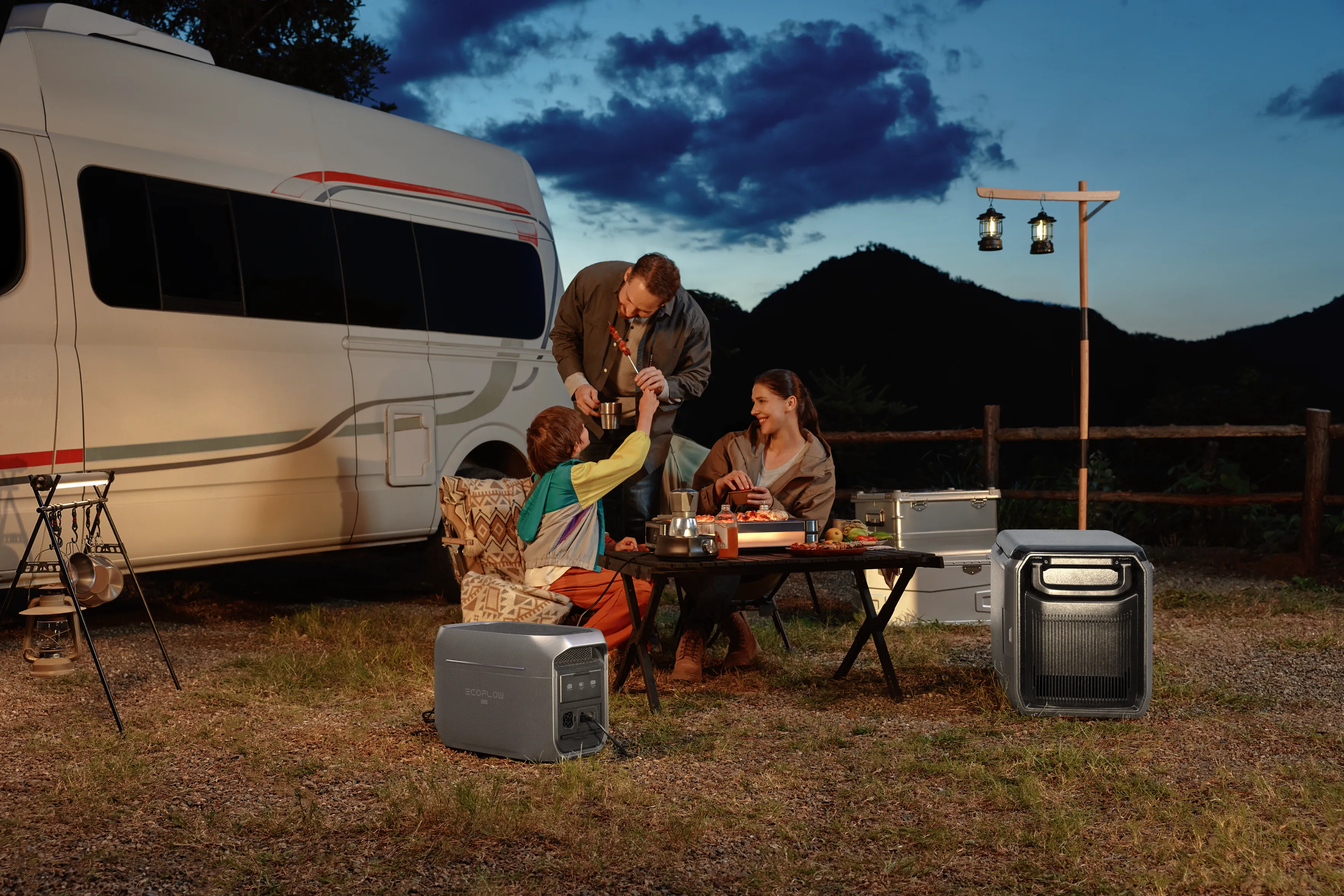
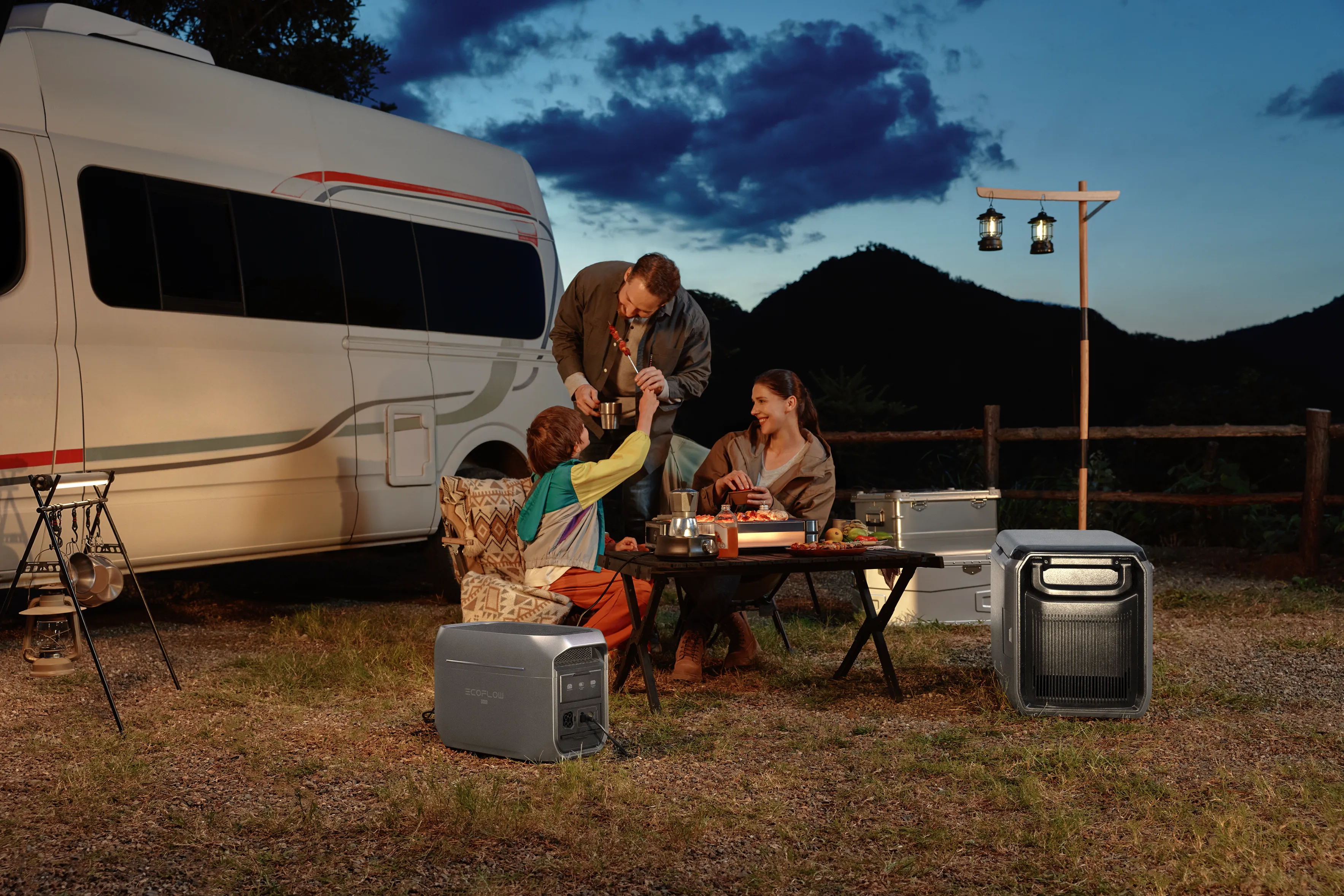
A search for best places to stargaze near me often returns the most famous site, not necessarily the most practical one tonight. A rural park, public lakeshore, campground, or conservation area may be enough if the sky is dark, the horizon is open, and visitors are allowed there after sunset. If you expect to stay out for several hours with cameras, phones, or other electronics, also consider access to charging; a power station can provide backup power at locations away from regular outlets.
Look for Low Light Pollution
City glow washes out faint stars well beyond the last row of buildings. A light-pollution map can show which direction looks promising, but inspect the exact site too. One floodlit washroom, sports field, or service station can spoil the view from an otherwise dark area.
Move away from direct headlights and give your eyes time to adjust. The Canadian Space Agency also recommends leaving city lights behind for better viewing.
Find a Clear View of the Sky
Darkness is not much help if trees or a ridge hide half the sky. Open fields, broad clearings, and shorelines usually give a better view near the horizon. The highest lookout is not automatically best; it may be windy, difficult to reach safely, or closed at night.
Check Dark-Sky Parks and Viewing Areas
Recognized dark-sky locations remove much of the guesswork around light pollution. Parks Canada maintains information on Dark-Sky Preserves in the national park system, while the RASC list covers designated locations across Canada.
The designation protects the night environment. It does not promise clear weather, an open gate or a vacant parking space.
Check Night Access Before You Go
Look up park hours, gates, parking, permits, campground rules and seasonal closures. Some sites allow overnight access only for registered campers; others limit vehicles or close particular roads. Download the information before leaving areas with reliable mobile service.
When Is the Best Time to Go Stargazing?
Once the location is chosen, timing matters more than distance. A modest site under a clear, moonless sky can outperform a celebrated preserve on a cloudy night.
Choose a Clear Night With Low Cloud Cover
Cloud is the first forecast to check, but not the last. Haze, wildfire smoke and moisture can reduce clarity even when the forecast does not show a solid cloud layer. Environment and Climate Change Canada's astronomy forecasts may also include sky-transparency information for observers and photographers.
Go When the Moon Is Less Bright
A bright Moon is excellent when the Moon itself is the target. It is less helpful for the Milky Way, faint star clusters and subtle night-sky photography. Check the phase along with moonrise and moonset; a darker window may open later in the same night.
Pick the Right Season for What You Want to See
There is no one Canadian stargazing season. Decide what you hope to observe first.
Milky Way: Its brighter regions are well placed for evening viewing during parts of the Canadian summer.
Meteor showers: Annual showers such as the Perseids and Geminids have predictable peak periods.
Northern Lights: Seeing the northern lights in Canada depends on geomagnetic activity, darkness, cloud cover, and your location.
Planets and constellations: What is visible changes throughout the year.
The Canadian Space Agency offers guidance on common targets. For an aurora trip, compare those basics with current geomagnetic information from Space Weather Canada.
Stargaze Later at Night for Darker Skies
Dusk is too early to judge the final sky. Wait until full darkness, especially in June and July when twilight lingers late across much of Canada. Local lights may also decrease after campfires, businesses, and evening traffic settle down.
What Do You Need for a Night of Stargazing?
You can see a great deal without specialized gear. Comfort and a safe route back to the car often matter more than bringing another lens or accessory.
.jpg)
.jpg)
Stargazing and Photography Gear
Start with your eyes or a pair of binoculars. If you are new to observing the night sky, this guide to stargazing for beginners covers the basics of getting started and recognizing common objects overhead. A telescope adds detail on the Moon, planets and selected deep-sky objects, but it also takes time to set up and learn. For photography, pack a camera with manual controls, a sturdy tripod, the intended lens, and enough storage.
Warmth and Outdoor Comfort
Standing still at midnight feels colder than hiking at sunset. Bring layers, gloves, a chair or blanket and a warm drink when conditions suit it. In summer, insect protection may be just as important. Keep one dry layer packed rather than wearing everything at the start.
A Dark and Stable Viewing Setup
Choose firm ground before opening tripod legs or setting down a telescope. Stay clear of roads and sweep the area for roots, rocks, and wet ground while some daylight remains. Use a dim red light for charts and equipment so everyone's night vision is not reset by a bright white beam.
Power for Cameras and Stargazing Devices
Cameras, phones, laptops, navigation devices, and compatible astronomy equipment can run low during a long night away from an outlet. A portable power station can provide one shared charging source when several devices need power at the viewing site.
For a single-night outing, weekend drive or photography trip, the EcoFlow DELTA 3 Plus Portable Power Station provides one place to charge essential electronics. Its recharging options suit a mobile setup that moves between the road, campsite and viewing area.
For several nights of dark-sky camping, group astrophotography or a base camp with more equipment, the EcoFlow DELTA 3 Max Plus Portable Power Station is a better fit for longer off-grid stays. Its expandable design and flexible recharging options provide more flexibility when several devices need power and fixed electricity is not nearby.
Navigation and Nighttime Safety
Download maps, inspect the route in daylight, and carry a headlamp even if you plan to use red light at the viewing spot. Tell someone where you are going and when you expect to return. Park notices, weather, wildlife guidance, and fire restrictions should all be checked on the day of the trip.
Conclusion
Jasper's mountains, Grasslands' open horizons, and Atlantic Canada's forested parks each offer a different setting, which is why there is no single answer to “where is the best place to stargaze?” The forecast matters just as much as the destination, since even a great viewing spot can be spoiled by cloud cover or limited nighttime access.
Choose a dark place you can enter legally, arrive before daylight disappears, and give yourself more than one possible night. That modest bit of planning matters more than chasing the darkest point on a map.
FAQ
What's the Worst Time for Stargazing?
A fully overcast night gives you very little to work with. Bright moonlight, smoke, and haze can also hide faint targets, although the Moon and brighter planets may still be worth observing.
How to Tell if a Night Is Good for Stargazing?
A fully overcast night gives you very little to work with. Bright moonlight, smoke, and haze can also hide faint targets, although the Moon and brighter planets may still be worth observing.
Can You See the Milky Way with the Naked Eye?
Yes. Under a clear, sufficiently dark sky, it can appear as a pale, uneven band. Your eyes need time away from bright lights before the fainter detail becomes apparent.
What Are the Best Apps for Stargazing?
Planetarium apps such as Stellarium and SkySafari can identify stars, planets and constellations. Download any required sky data in advance if the viewing site has weak mobile coverage.
Can a Phone Camera Capture the Milky Way?
Some phones with capable night or manual modes can capture it from a dark site. Stabilize the phone on a tripod or solid support and avoid touching it during the exposure.