Three Phase Electric Power in Canada: How It Works, Benefits & Applications
Three-phase power is an electrical distribution system commonly used in multi-unit residential buildings, commercial properties, and larger estates in Canada. It is not a “better” version of single-phase power, but a different configuration designed to support higher and more balanced electrical loads.
In most Canadian homes, single-phase split-phase service is still the standard, while three-phase systems are typically found in buildings with greater or more continuous power demands. This article explains how three-phase circuits work, how they differ from typical residential setups, and how modern energy solutions can help manage higher electrical loads more efficiently.
What Is Three Phase Electric Power for Homeowners?
While common in Canada’s commercial sectors and high-rise condo buildings (typically as 120/208V systems), true three-phase power is extremely rare in single-family homes, which usually rely on 120/240V split-phase service. However, homeowners can achieve a similar level of high-load reliability for specific appliances using a high-capacity portable power station, without needing a full grid overhaul. Even for larger Canadian estates, utility providers like BC Hydro or Hydro One seldom provide three-phase transformers to residential lots due to infrastructure limitations and zoning regulations.
For most Canadian homeowners, the goal isn’t necessarily to get a 3-phase connection from the grid, which can be a bureaucratic and financial nightmare, but to achieve the stability and high-load capacity that three-phase power offers. This is where modern phase converters and smart energy storage systems come into play.
Basic Structure of Three Phase Circuits
Standard residential split-phase power delivers energy in cycles where the voltage briefly hits “zero-points” along the sine wave. In contrast, a three-phase circuit runs three alternating currents that are strategically staggered 120 degrees out of phase with one another. By overlapping these three distinct currents, the total power delivery never drops to zero. In off-grid setups, a solar generator can replicate this steady power delivery, providing similar stability in remote areas. This configuration reduces torque ripple in electrical loads, which improves the operational stability of motors and reduces mechanical stress during startup and continuous operation. For the homeowner, this mechanical consistency allows heavy-duty appliances, professional-grade shop tools, and large HVAC systems to operate with higher efficiency, less heat, and significantly reduced vibration.
Comparing Single Phase and Three Phase Systems
The main difference comes down to how each system delivers power. Single-phase systems deliver power through a single alternating waveform, which means the instantaneous output drops off periodically. Understanding the technical difference between single-phase and 3-phase electricity is key to determining if your home requires a more robust electrical framework. The 120-degree phase separation smooths out power delivery over time, reducing fluctuations in instantaneous load and creating a more stable overall power profile. In practice, single-phase (split-phase) systems are the standard for most Canadian homes, whereas three-phase systems are found in high-demand environments where stability is paramount under heavy electrical loads.
Standard Voltage Levels for Canadian Homes
Most Canadian single-family homes run on 120/240V split-phase service, which is the standard setup. Larger estates, high-rise condos, or commercial-adjacent properties may have a 120/208V three-phase system to support higher electrical loads. Knowing which one you have matters when you’re shopping for appliances or backup power options. Most modern systems are designed to work with both, but it’s worth noting that some 240V appliances may underperform on a 208V circuit.
Why Does Your Home Need More Power?
As we push toward a greener “Electric Canada,” our homes have increasing energy demands, often more than traditional systems can comfortably deliver.
Charging Multiple Electric Vehicles at Once
With Canada’s federal mandate aiming for 100% zero-emission vehicle sales, multi-EV households are becoming the norm from Vancouver to Halifax. Plugging two or more EVs into a single-phase system can strain your local transformer and cause noticeable voltage drops.
Running Heavy Heating and Cooling Loads
Canadian winters demand serious heating power. High-efficiency electric heat pumps do the job, and central AC tackles our humid summers. These systems draw large inductive loads, and they run much better on the steady power that multi-phase or balanced setups provide. When planning these upgrades, evaluating single vs. three-phase efficiency can help you decide on the most cost-effective path for long-term savings.
Powering Professional Grade Home Workshop Tools
For the Canadian DIYer or professional artisan, tools like table saws, lathes, and dust extractors run cooler and more efficiently on three-phase power. It also reduces high inrush current during motor startup, which can otherwise cause temporary voltage dips in shared residential circuits.
Balancing High Demand Across Different Phases
A healthy electrical system comes down to balance. Spread your home’s heaviest loads, like the dryer, the range, and the EV charger, across different phases. That keeps any single line from overheating and extends the life of your entire electrical panel.


How Can You Upgrade Your Home Power System Safely?
Upgrading your home’s power doesn’t have to mean a major overhaul and a huge bill. New smart tech lets you take it step by step.
Centralize Monitoring via a Smart Interactive Console
Modern energy management starts with seeing where your power actually goes. A smart console lets you track real-time usage and spot which appliances are the real energy hogs. From there, you can shift those loads to off-peak hours when hydro rates drop lowest in provinces like Ontario or British Columbia.
Add Battery Backup Without Panel Upgrade
For many Canadian homeowners, upgrading a power system hits a practical wall. Boosting backup capacity usually means tweaking the distribution box or rewiring the whole house. That takes time and comes with a hefty price tag. In places where summer thunderstorms roll through or the local grid gets a bit shaky, people want a solution that just works. They need something that can take over the essentials like the fridge, lights, and Wi‑Fi without tearing into the walls.
In these scenarios, a portable power station serves as a much more flexible supplement. The EcoFlow DELTA Pro 3 Portable Power Station offers a 4,000W AC continuous output, providing stable backup support for critical household loads without the need for a major main distribution system overhaul.
Ensure Safe Integration with Existing Electrical System
Make sure any new power addition plays safe with your existing electrical system. High-voltage work demands respect. Any upgrade you install must follow the Canadian Electrical Code (CEC). That way, your backup system won’t backfeed into the grid and put utility workers at risk during an outage.
How to Apply Three Phase Power to Daily Tasks?
Optimizing how you use power can lead to lower bills and a more reliable home environment during peak usage.
How to Apply High-Power Management to Daily Tasks?
In a traditional Canadian 120/240V split-phase home, heavy loads like EV chargers and HVAC systems often pull high current draw on a single phase, causing voltage drops and electrical strain. While these homes may not have a native three-phase utility supply, you can use modern energy storage to achieve the same goal: Load Balancing.
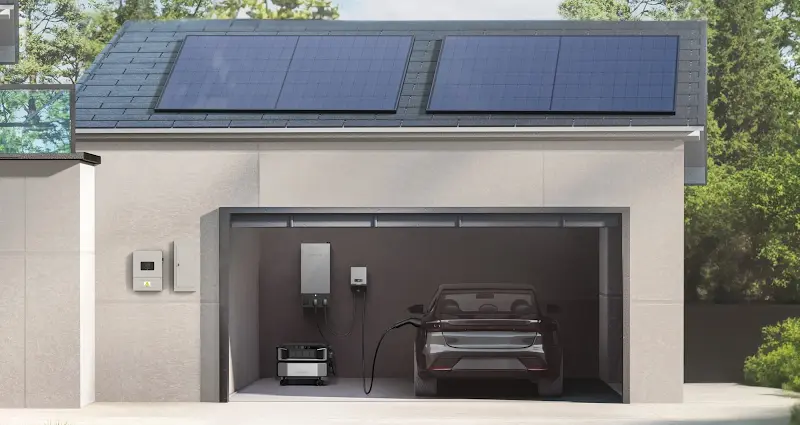
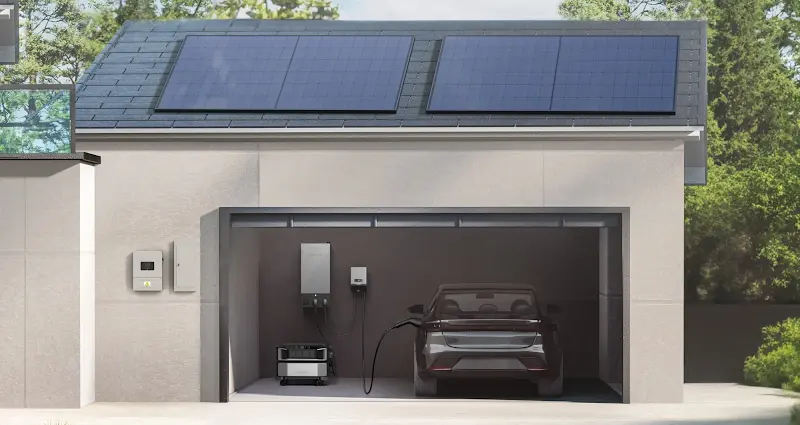
The EcoFlow DELTA Pro Ultra + Smart Home Panel 2 + EcoFlow Power Pulse EV Charger acts as an energy support system for your home’s split-phase system. When a high-load appliance kicks on, the system doesn’t just draw a large current from the grid. Instead, it pulls from stored battery power to help meet that demand. That mitigates short-term voltage spikes and reduces stress on the electrical system, and ensures stable operation of appliances.
Power Large Whole Home HVAC Motors
HVAC systems benefit from stable electrical supply, and larger commercial units may use three-phase power for higher efficiency. This results in less mechanical wear and tear, meaning fewer service calls to the technician during a deep-freeze February night.
How to Maintain Your Three Phase System?
Keeping your electrical system safe through Canada’s wild temperature swings comes down to staying ahead of problems. Three-phase setups are tough, but managing three live wires takes more care than a standard residential panel.
Inspect for Phase Balance
Have an electrician check now and then that your load spreads evenly across all three lines. Overload one phase, say by running your EV charger and dryer on the same line, and you get neutral current buildup. That imbalance throws off extra heat, which ages insulation too fast and raises fire risk.
Test Ground Fault Protection
Weather extremes in Canada stress electrical systems, from humid Ontario storms to melting snow out in the Rockies. Moisture finds its way into outdoor and garage circuits. Test your GFCIs and protection devices regularly so you know they’ll trip instantly when a fault happens. That keeps your family and your expensive high-voltage gear safe.
Monitor for Thermal Stress
Seasons change, temperatures swing, and components expand and contract. That can loosen terminal connections over time. If you’re running a high-capacity system, check that connection points stay secure and clear of debris. Loose lugs create resistance and heat, which leads to component failure.
Schedule Annual Safety Audits
Book a professional tune-up once a year. A certified Canadian electrician can scan with thermal imaging to spot invisible hot spots, which often signal a failing breaker before it turns into a costly repair. That way your high-power home stays up to code with the latest Canadian Electrical Code standards.
Conclusion
Whether you need to charge a fleet of electric vehicles or just want to keep your home running through a winter blackout, understanding three-phase power makes a real difference. A full utility upgrade can get complicated and expensive. But modern options like the EcoFlow DELTA Pro 3 and DELTA Pro Ultra let Canadian homeowners balance loads and take control of their energy more easily than ever.
FAQ
How do I know if my house has a 3-phase supply?
You can check your electrical meter or main circuit breaker; a three-phase system typically has a “triple” pole main breaker and four wires entering the panel. Most standard Canadian homes use a double-pole 120/240V split-phase system.
What is the voltage and frequency of 3-phase in Canada?
The standard frequency for all electrical power in Canada is 60 Hz. Three-phase voltages commonly seen in commercial or residential-adjacent buildings are 120/208V or 347/600V, while typical single-family homes use 120/240V split-phase service.
What is the life expectancy of a 3-phase motor?
A well-maintained three-phase motor typically lasts between 15 to 20 years. They often outlast single-phase motors because they run with less vibration and more efficient heat dissipation.
What happens if you wire 3-phase wrong?
Wiring three-phase power incorrectly can cause motors to run in reverse, lead to immediate equipment damage, or create a dangerous short circuit. It is imperative that all installations follow the Canadian Electrical Code and are performed by a licensed professional.
How much does it cost to have 3-phase power installed?
The cost to install three-phase power in a Canadian home typically ranges from $5,000 to over $20,000, depending on the distance from the utility transformer. For many, a smart battery ecosystem like EcoFlow provides the same load-balancing benefits at a fraction of the cost.