Electric Blanket: Stay Warm and Save Energy This Fall
- Why Consider an Electric Blanket This Fall?
- How Much Electricity Does an Electric Blanket Use?
- Factors Affecting Electric Blanket Electricity Use
- How Can an Electric Blanket Save Energy?
- How Can You Build a Flexible Fall Heating Setup?
- Combine Local and Central Heating
- Tips to Use an Electric Blanket Safely
- Conclusion
- FAQ
By early October, most of Canada settles into that in-between stretch where the furnace hasn’t quite earned its keep yet, cool enough to want something warm on the couch, not cold enough to heat the whole house. An electric blanket fits that gap well: it warms the person instead of the room, and it does the job for pocket change.
So what does one actually cost to run, and will it move your hydro bill at all? Here’s a look at the numbers, the safety points worth knowing, and a few ways to make home heating more flexible.
Why Consider an Electric Blanket This Fall?
Canadian fall weather rarely makes up its mind. A mild afternoon can slide into a single-digit evening, and the house feels different hour by hour, so firing up the furnace for every cool spell is overkill.
Get Personal Warmth When Needed
Comfort is a negotiation in most households: one person is perfectly fine at 19°C while someone at the other end of the couch is pulling on a second sweater. An electric blanket ends that argument, wrapping whoever needs it in steady, gentle heat within minutes, whether plugged into the wall or powered by a portable power station, while the thermostat stays put.
Use Less Whole-Home Heating
Space heating accounts for a large share of the energy used in an average Canadian home, making the thermostat one of the most costly dials in the house. A gas furnace or electric baseboard heaters warm every room on the circuit whether anyone’s in it or not, and that’s a lot of hardware working to warm one person reading in the den. Exploring simple methods to save energy like localized heating allows you to turn the thermostat down a few degrees through the fall and barely notice the difference.
Stay Comfortable on Cooler Nights
Climbing into a cold bed is its own kind of shock, and a few minutes of shivering can keep you up well past bedtime. Give an electric warm blanket 15 to 20 minutes before you turn in and it takes the chill off the sheets, loosens stiff muscles, and lets you drift off while the temperature outside keeps dropping.


How Much Electricity Does an Electric Blanket Use?
Less than most people expect. Actual draw varies with size, wattage rating, and the setting you choose, but even the largest models sip power next to almost any other heater in the house.
Compare Energy Use Across Models
Wattage climbs with size and heat output. A compact throw draws relatively little; queen and king models carry two independently controlled zones, so their maximum draw runs higher. The table below puts the numbers side by side.
| Blanket Type / Size | Average Wattage (Max) | Typical Operating Wattage (Med-Low) | Estimated Cost per Hour (at $0.15/kWh CAD) |
|---|---|---|---|
| Heated Throw (50" × 60") | 60W – 100W | 30W – 50W | ~$0.005 – $0.008 |
| Twin / Full Size | 100W – 130W | 50W – 70W | ~$0.008 – $0.011 |
| Queen Size (Dual Zone) | 130W – 180W | 70W – 100W | ~$0.011 – $0.015 |
| King Size (Dual Zone) | 180W – 200W | 90W – 120W | ~$0.014 – $0.018 |
| Reference: Standard Space Heater | 1,500W | 1,500W (continuous) | ~$0.225 |
A king-size electric blanket on high still costs far less to run than a standard 1,500-watt space heater; the heater warms the air, while the blanket skips the middleman. Rates are their own variable, though. What Hydro-Québec customers pay per kilowatt-hour is well under half of Ontario’s on-peak price, so the averages in the table may not be close to what you actually pay.
Factors Affecting Electric Blanket Electricity Use
A blanket with a 100-watt rating rarely pulls that much for long, since the controller cycles power to the elements to hold the temperature you set. What an evening actually costs comes down to three things:
Heat setting: On low and medium, the elements switch off for stretches once the fabric reaches temperature; on high they stay on almost continuously.
Room temperature: In a drafty room the blanket sheds heat faster and cycles back on more often to hold your setting.
Layers on top: A light quilt or comforter laid over the blanket traps the warmth it generates, so the heating elements switch on less often.
How Can an Electric Blanket Save Energy?
The savings come from warming the person instead of the air. Turn the thermostat down and let the blanket make up the difference. You spend less on heating without giving up comfort.
Focus Heat Where You Need
Heating engineers call it zonal heating, where warmth passes into the body by conduction instead of first heating roomfuls of air that drift toward the ceiling. Because the heat goes straight into clothing and skin rather than the space around you, the room can feel cool while you stay warm.
Lower Heating During Rest
Sleep researchers generally put the ideal bedroom temperature at 16°C to 18°C, cooler than most people keep the house in the evening. The real savings sit overnight, when dropping the thermostat 3°C to 4°C can shave up to 10% off a monthly heating bill. A heated blanket makes that trade painless, because the house cools down and the bed doesn’t.
Avoid Heating Empty Rooms
Central systems don’t know which rooms are empty. The guest room, the basement, the dining room no one uses — all heated to the same setpoint, all day. Hold the house at a cooler baseline and carry your own warmth from room to room—even pairing your heated throw with a compact solar generator in off-grid spots—so you stop paying to heat square footage nobody uses.
How Can You Build a Flexible Fall Heating Setup?
An electric blanket works best as a partner to the furnace or baseboards, not a replacement for them. Used alongside central heating or a portable power source, it can give you more control over where and when you use heat.
Combine Local and Central Heating
The efficient setup is a division of labour. Keep the main thermostat somewhere around 18°C and let the furnace or baseboards hold it there. Then, whether relaxing on the couch, working from home at your desk, or using a battery operated electric blanket in a cozy reading corner, a heated throw covers the last degree or two.
Choose Portable Power for Everyday Heating
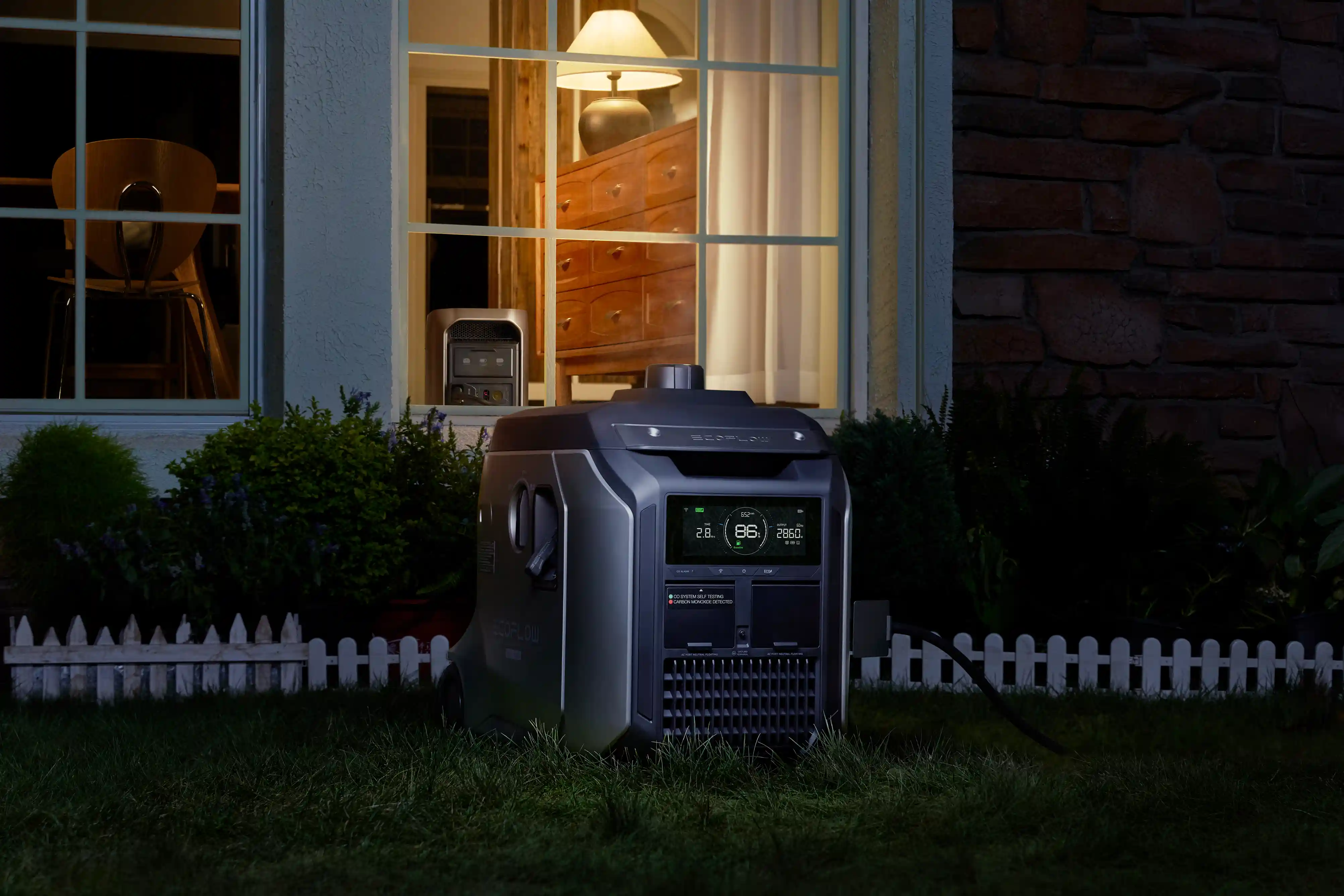
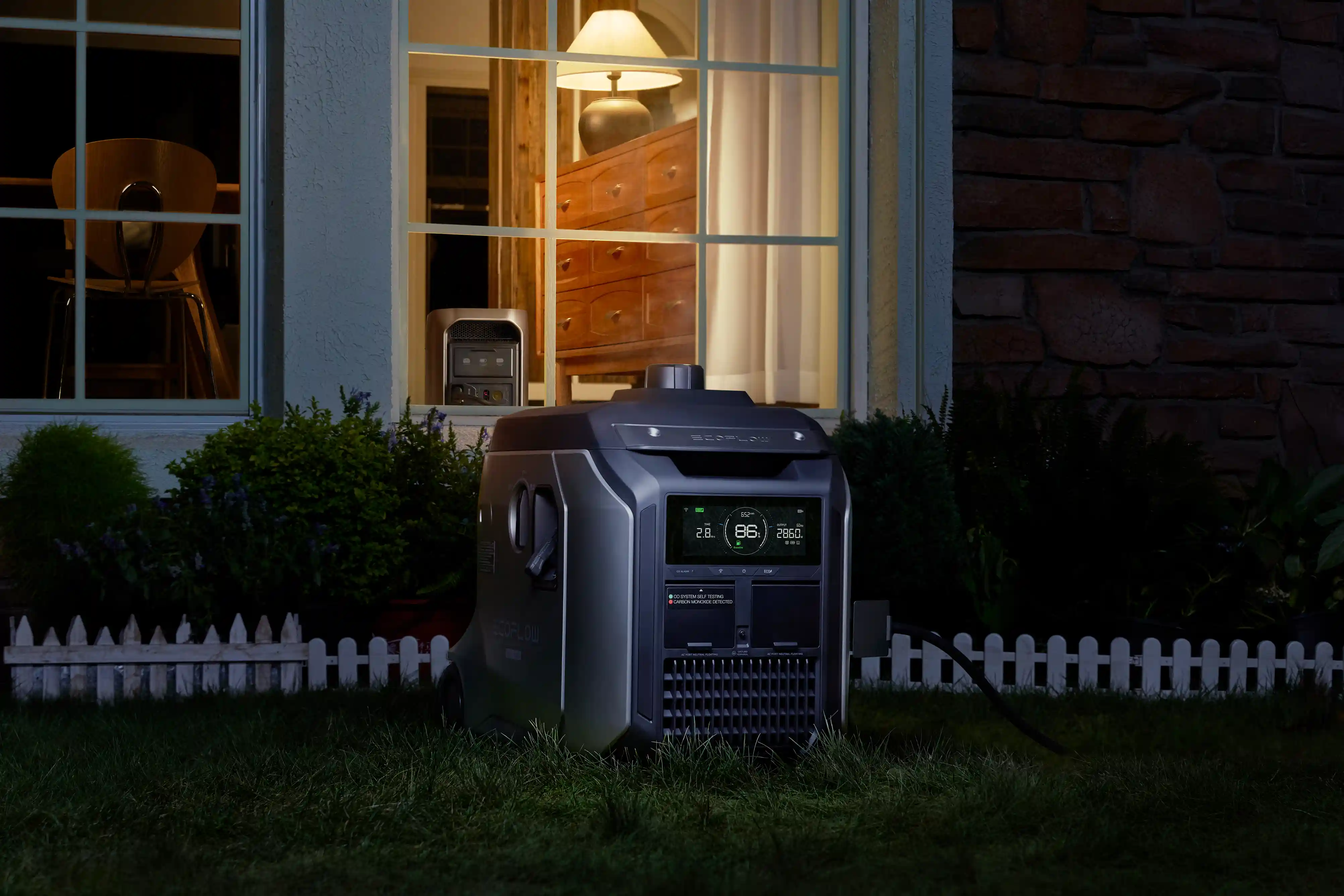
Wall outlets are often positioned awkwardly—behind sofas, across walkways, or far from comfortable seating areas. Using a portable power station like the EcoFlow DELTA 3 Classic allows you to power an electric blanket, smartphone, laptop, or desk lamp without relying on fixed wall sockets or running extension cords across the floor.
This setup makes localized heating mobile, moving easily from a home office desk during the day to a living room couch in the evening. Before connecting a heated blanket to a portable power station, consult the manufacturer’s manual, as some models specify pure sine wave requirements or prohibit inverter operation altogether.
Add Solar Charging for Extended Backup
Autumn weather in Canada frequently causes localized power outages from windstorms or wet early snowfalls that weigh down power lines. When extended backup power is needed, pairing a higher-capacity unit like the EcoFlow DELTA 3 Max + 400W Solar Panel provides an off-grid energy source.
During daylight hours, the solar panel recharges the battery station without noise or fuel requirements. This combination can support low-draw electrical devices—such as electric blankets, LED lighting, Wi-Fi routers, and small refrigeration units—during extended power interruptions caused by fall or winter storms.
Tips to Use an Electric Blanket Safely
An electric blanket that spent the summer folded in a closet deserves a once-over before its first cold night. Certification marks, cord condition, and controls are the three checks that matter.
Check Canadian Certification Marks
Look for a recognized Canadian electrical certification mark, such as CSA, cUL, or cETL, when buying an electric blanket. These marks indicate that the product has been assessed and conforms to the required Canadian safety standards. Certification marks must appear on the product, not just the packaging. If an electric blanket does not display a recognized Canadian certification mark, consider choosing another product instead.
Use Built-In Safety Features
Modern blankets ship with protections worth actually using:
Auto-shutoff timer: Most run 2 to 10 hours before cutting power. Treat the timer as a backstop, and switch the blanket off yourself when you’re done with it.
Overheat protection: The best electric blankets feature a protection circuit that kills the power the moment a hot spot develops anywhere in the wiring.
Cord placement: Keep the wired sections on top of the mattress rather than tucked under it or wedged between tight cushions, where heat can build up.
Inspect Cords Before Use
Before the blanket’s first night out of storage, take a couple of minutes to check the wiring:
Feel along the blanket’s full length for internal wires that are kinked, sharply bent, or pushing through the fabric.
Look over the cord and plug for cracking, fraying, or any scorch marks near the prongs.
Don’t run the cord between the mattress and the bed base, where pinching and constant pressure slowly damage the insulation.
Follow Care and Washing Instructions
Most modern blankets have detachable controllers, which makes washing straightforward as long as the electronics stay out of it:
Unplug the controller and cord before the blanket goes anywhere near water.
Wash cold on a gentle cycle with mild detergent and no bleach. Dry it flat on a rack, or tumble-dry on low without stretching the fabric.
Dry cleaning solvents, irons, and high heat all damage the insulation around the internal wires.
Conclusion
Few home comforts are as simple as an electric blanket: plug it in, warm the person, and leave the rest of the house a few degrees cooler. Through a Canadian fall, while the furnace cycles on and off and the real winter hydro bills are still weeks away, those savings add up night after night. For more flexibility, a portable power station can keep an electric blanket and other small essentials running away from a wall outlet or during an outage. Whatever setup you land on, check the certification mark, the cords, and the care instructions before the first cold night of the season.
FAQ
Can You Sleep with an Electric Blanket On?
Yes, if the manual for your specific model allows use while you sleep (many modern ones do), and the blanket has auto shut-off plus valid certification. Most manufacturers suggest the same routine: preheat the bed for 20 minutes or so, then switch the blanket off or drop it to the lowest setting before you nod off, with the auto-shutoff timer set.
How Much Does It Cost to Run a Heated Blanket for 1 Hour?
At the average Canadian electricity rate of $0.15/kWh, one hour of heat runs about $0.008 to $0.015 CAD, depending on size and setting. A throw on medium draws about 50 to 80 watts, so a full evening on the couch costs a few cents, and on Ontario’s off-peak electricity rates, which apply after 7 p.m. and all weekend, even less.
How Often Should You Replace Electric Blankets?
Plan on 5 to 10 years of service, even if nothing seems wrong with it. Folding, washing, and nightly use gradually fatigue the internal wiring and its insulation, and the wear isn’t always visible. Replace it right away if patches stop warming evenly, cords fray, or scorch marks show up on the fabric.
Why Do Electric Blankets Quit Working?
Usually one of two culprits: a break somewhere in the internal heating wires, or a tripped safety fuse in the controller. Both tend to trace back to the same causes: years of tight folding, crimped corners, pet damage, or a cord wound tight around the controller for storage.
Do Heated Blankets Raise Blood Pressure?
If anything, the opposite. Gentle heat dilates the peripheral blood vessels, which usually promotes relaxation and can nudge blood pressure slightly downward for a while. One caution applies to specific groups: anyone with neuropathy, diabetes, severe cardiovascular conditions, or reduced sensitivity to heat should talk to their doctor before making heated bedding a nightly habit.