Do You Need a Fridge for Winter Camping? A Practical Guide
Deciding if you need a portable fridge for a winter camp depends on your setup. If you are sleeping in a tent and the air is 30 °F, nature might do the work for you. But if you are in a heated van or dealing with Canada extreme cold, you might actually need a fridge to keep things warm enough to eat. Choosing the right gear helps you avoid ruined eggs, frozen-solid milk, and unsafe meals.
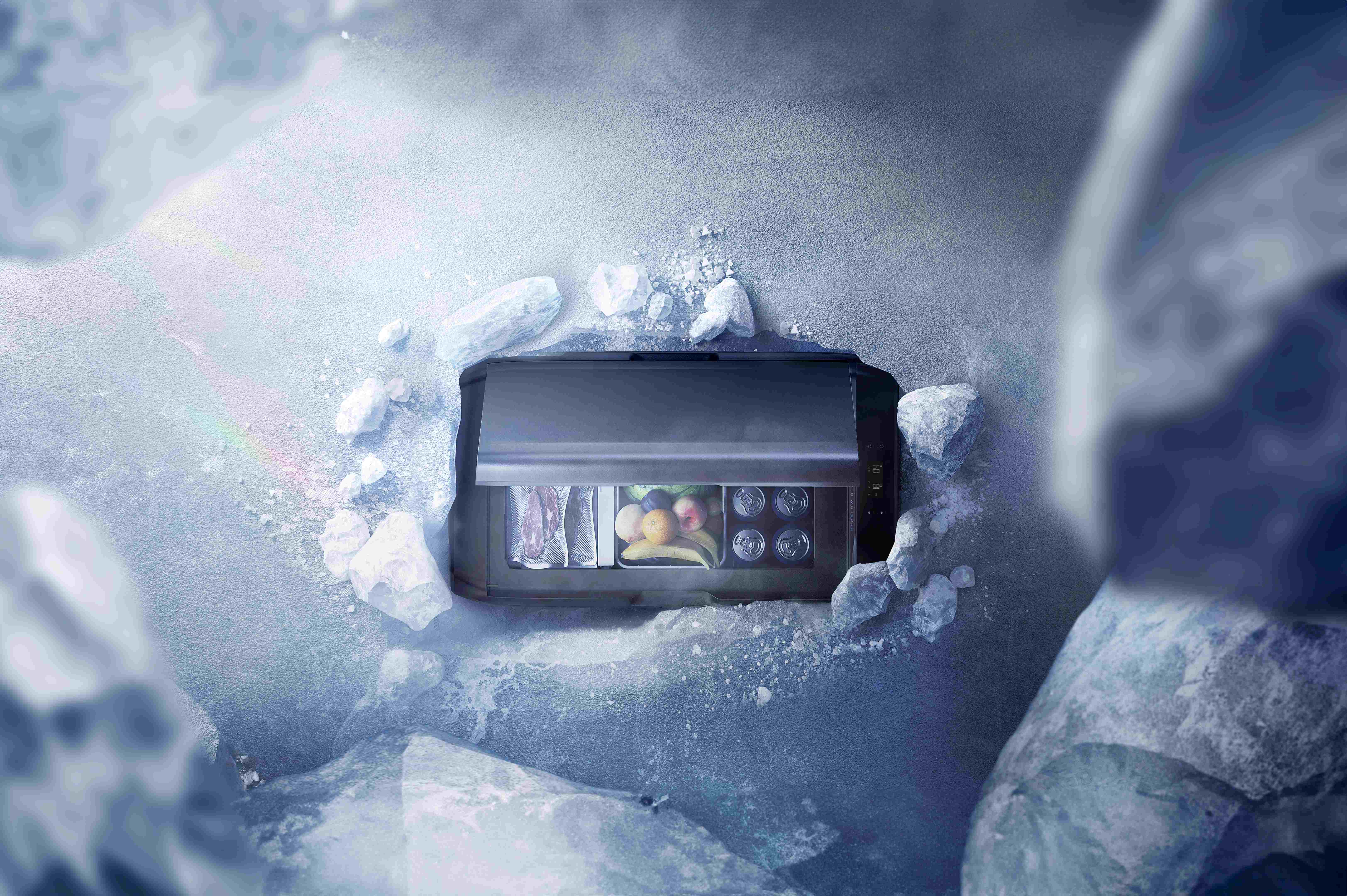
A Quick Decision Guide for Winter Food Storage
Your choice depends on how you travel and what you plan to eat. Use the quick points below to figure out if you need to plug in or just pack well.
Are You Car Camping or Backpacking?
If you are overlanding or camping out of your truck, you have the room and power to carry a portable fridge. Backpackers should skip it to save weight and rely on the cold air. A fridge is great for vehicle-based trips where you stay in one spot for a few days.
How Cold Will the Nights Get?
If the temperature stays near 32 °F, a simple insulated box works fine. When you face Canada extreme cold or deep sub-zero nights, food left in a basic box will freeze solid. A powered fridge keeps the inside at a steady temperature so your dinner doesn't turn into a block of ice.
What Is on Your Grocery List?
Shelf-stable items like beef jerky, nuts, and dried fruit handle any temperature. Fresh produce, dairy, eggs, and certain medications are different. If you have "freeze-intolerant" items or medicine like insulin, you need the precise control of a winter camp fridge to keep them from being ruined.
Do You Have a Reliable Power Source?
Running a fridge requires a steady battery. If your vehicle has a dual-battery system or a portable power station that works in the cold, a fridge is a smart move. If your battery tends to struggle in low temperatures, a high-quality traditional cooler is a safer bet for your trip.
Situations Where You Don't Need a Fridge
Sometimes, a fridge is just extra weight. For short trips or specific menus, you can use the environment to your advantage and save space in your vehicle for other gear.
Short Trips (1–2 days)
Short trips lasting only one or two days are the easiest to manage. You can often get by with a well-insulated cooler or even just a heavy-duty storage bin if you pack it correctly. The key is using "ambient cold" strategically.
Using the Outdoors as a Natural Freezer
If you have steaks or pre-made frozen chili, the outdoors acts as a giant freezer. You can keep these items in a secure, animal-proof container outside. This saves your indoor space for things that shouldn't freeze. Just remember that local wildlife, from squirrels to bears, will be looking for an easy meal, so "outside" must still mean "locked up."
The Cooler-as-a-Thermos Technique
Most people think coolers are only for keeping things cold. In winter, a cooler works like a thermos. The thick foam walls provide a layer of insulation that keeps the freezing air away from your food. If you put a room-temperature gallon of water inside a closed cooler, it will take much longer to freeze than if it were sitting on a picnic table. This is perfect for keeping your apples and oranges from getting mushy.
Building a Winter-Friendly Menu
The best way to skip the fridge is to pack foods that don't need temperature control.
Dry Goods: Instant oats, pasta, and rice.
Proteins: Canned tuna, cured meats like salami, and hard cheeses (which handle cold better than soft ones).
Fats: Peanut butter, olive oil, and nuts provide the high calories you need to stay warm.
Hydration: Instant soup packets and cocoa powder are better than heavy jugs of juice that might crack if they freeze.
When a Portable Fridge is Essential
There are specific moments when relying on the weather becomes a liability. In these cases, a portable fridge provides a controlled environment that the outside world cannot offer, especially when temperatures swing wildly between day and night.
Scenario A: The Heated Rig Paradox
If you sleep in a van, RV, or a tent with a wood stove, it might be 70 °F inside while it is 10 °F outside. If you keep your milk on the floor of the van, it will spoil because the heater is running. If you put it outside, it freezes. A fridge allows you to keep your fresh food inside your warm living space at a steady, safe temperature. This is one of the most common off-grid fridge solutions for people who live or travel in their vehicles during the winter.
Scenario B: Protecting Sensitive Essentials
Nature does not have a thermostat. If the temperature drops to -20 °F, your eggs will crack, your lettuce will turn into translucent slime, and your glass bottles of soda might explode. Even worse, certain medications become useless if they freeze. A fridge has a heating cycle or enough insulation and internal regulation to maintain a precise 37 °F. It acts as a shield against the "accidental freezing" that ruins expensive groceries.
Scenario C: Long-Duration Overlanding
On a week-long trip, the weather will change. You might have a sunny day where the car interior hits 50 °F, followed by a night that drops to zero. This "freeze-thaw" cycle is dangerous. When food partially thaws and then refreezes, bacteria can grow quickly, and the texture of the food is destroyed. A powered fridge provides consistency, which is the most important part of food safety during long-term winter camping.
If you are looking for a fridge that solves the power anxiety of winter camping, the EcoFlow GLACIER Classic Portable Fridge Freezer is a standout choice. Unlike traditional 12 V fridges that rely entirely on your car's battery, the GLACIER features a 298 Wh plug-in battery that offers up to 43 hours (35 L) or 39 hours (45 L/55 L).
Practical Food Storage Tips for Cold Weather
Even with the best gear, how you organize your food matters. Proper packing saves energy and prevents you from digging through a cold bin with frozen fingers in the dark. Letting the cold air in or out makes your equipment work harder and drains your batteries faster.
Eat Perishable Items Early
Plan your meals so you use sensitive fresh foods first. Eat salad and berries on the first day. By the third or fourth day, rely on stable items like potatoes, carrots, and vacuum-sealed meats. If you use a fridge, group items by mealtime. This lets you grab everything for breakfast at once and close the lid quickly.
Use Insulated Covers and Shade
Keep your fridge or cooler off the floor of the vehicle. A metal floor acts as a heat sink and pulls warmth away from your storage. Put an insulated protective cover on your off-grid fridge solutions to help maintain the temperature. This saves battery power. If you use a regular cooler, keep it in the shade. Winter sun can warm up a dark lid enough to melt the ice inside.
Keep Your Food Dry and Organized
Moisture causes problems in freezing weather. Use plastic bins or silicone bags inside your storage area to prevent leaks. In a fridge, this stops smells from spreading. In a cooler with ice, it keeps your sandwiches from getting soggy as ice melts. Label bags with a permanent marker so you can find what you need without keeping the lid open too long.
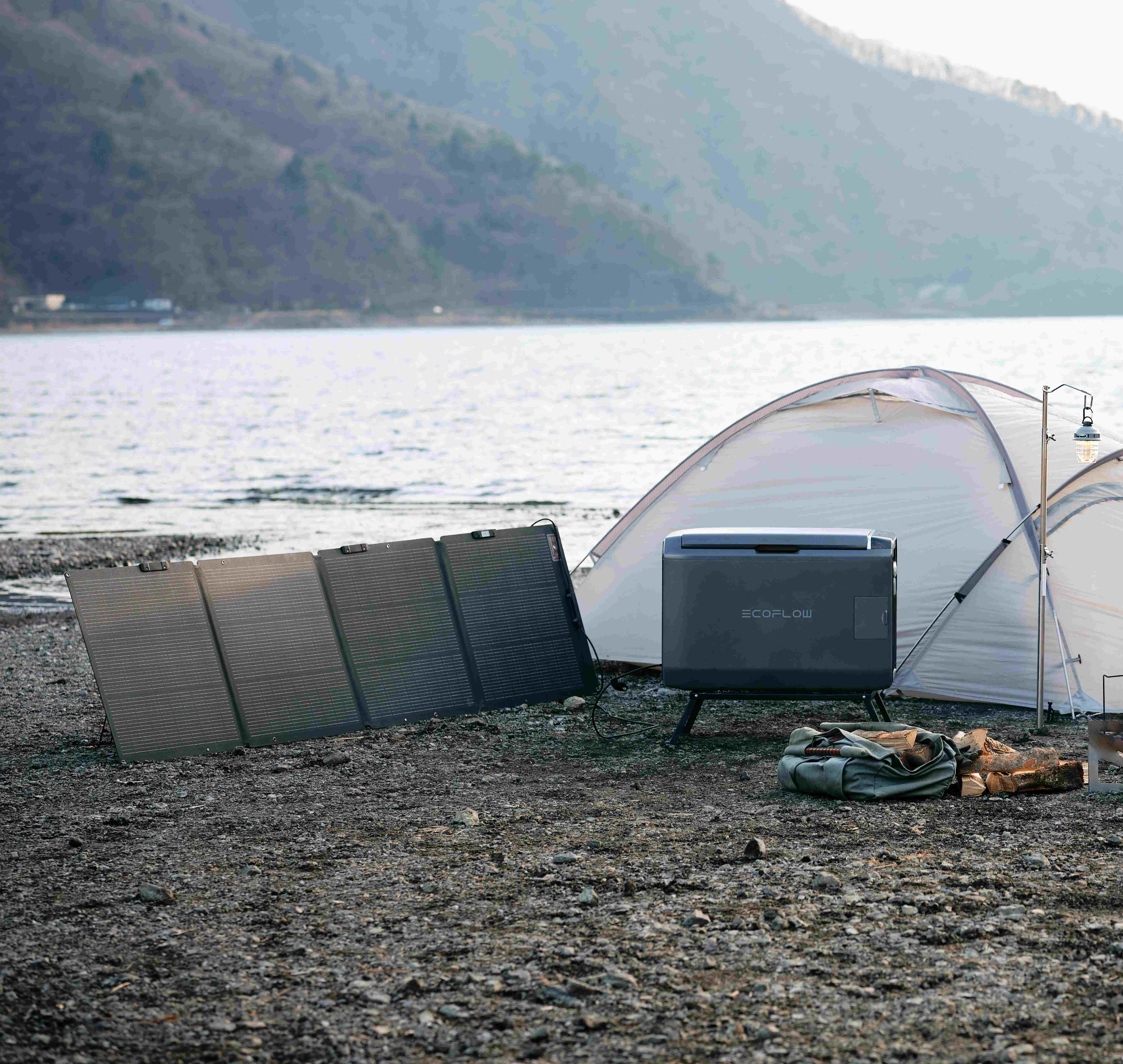
Choosing the Best Winter Food Storage Strategy
A fridge isn't a requirement for every winter camp, but it is a powerful tool for certain types of travel. If you want to eat fresh meals and stay in a warm vehicle, or if you are dealing with the unpredictable nature of Canada extreme cold, the temperature control of a powered unit is hard to beat. For everyone else, a good insulated box and a smart menu will get the job done.
FAQs About Winter Food Storage
Q1: If it's below freezing outside, can't I just leave food in the snow?
You can, but it is risky. Snow is an insulator, so burying a bottle of water in deep snow might actually keep it from freezing for a while. However, you can't control the exact temperature. You also have to worry about animals digging it up. Most importantly, it is easy to "lose" food in a fresh snowstorm. If you do this, always use a brightly colored, locked bin.
Q2: What's better for winter: a fridge or a high-end cooler?
A high-end cooler is great for weekend trips. It is simple, doesn't need power, and provides great insulation to keep things from freezing. A fridge is better for trips longer than three days, for people with heated campers, or for anyone carrying items that must stay at an exact temperature.
Q3: How do I stop drinks and veggies from freezing without a fridge?
Place them in the center of a cooler and surround them with "thermal mass," like large jugs of water. You can even wrap sensitive items in a wool blanket inside the cooler. If it gets extremely cold, some campers put a warm (not boiling) water bottle inside the cooler at night to provide a tiny bit of heat that the insulation will trap.