Why Does My Power Keep Going Out in Summer?
Summer power outages are not only annoying but also incredibly uncomfortable as they force you to sit through hours or potentially days of hot weather without the cool relief of air conditioners. But why are power outages so common in the summer?
To help you understand, this guide goes over the common causes and what you should do when your power is consistently going out.
What Causes Power Outages in Summer?
There are several potential causes of power outages in the summer.
Increased Air Conditioner Demand
First, summer brings much higher demand for air conditioner usage. As temperatures rise, more and more people run their AC, which often uses a lot of electricity and puts a ton of pressure on the power grid, which may increase the chances of outages taking place.
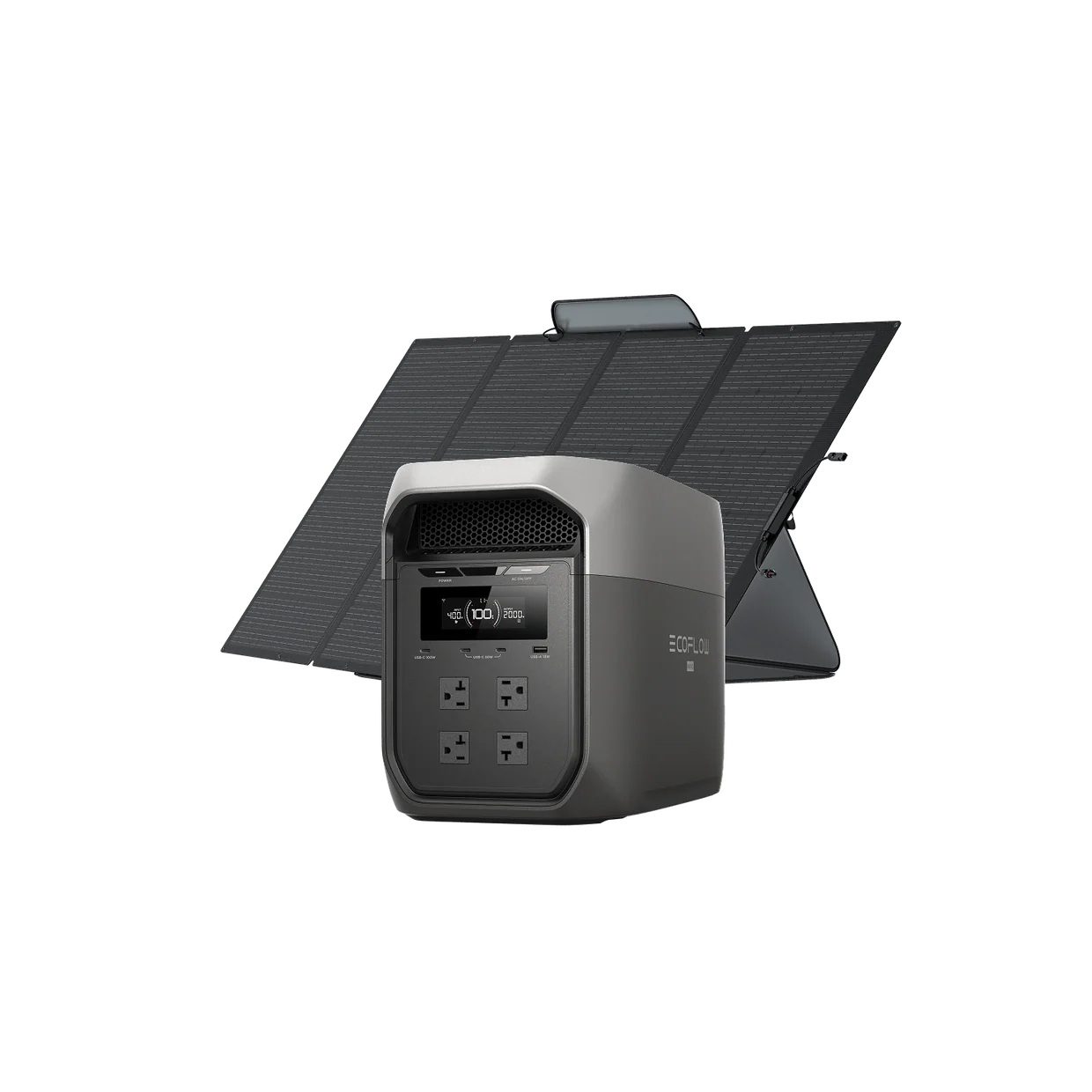
To ensure your AC and other systems/appliances can continue to work during common summer outages, you may want to turn to portable power, like the EcoFlow DELTA 3 Max + 400W Solar Panel or whole-home battery backups. This way, you’re not solely reliant on the grid for power, which minimizes the outages’ impact on your day-to-day life.
Heat's Effect on Power Lines and Transformers
During the summer, power lines, transformers, and other electrical components may be operating at heavy loads for almost the entire day, which doesn’t give them very much time to cool down, even as night approaches. This may lead to these components overheating, malfunctioning, or even sustaining damage, which can all lead to outages.
Summer Storms and Severe Weather
Storms are common in the summer, and these are often a major contributor to summer outages. Thunderstorms, hail, lightning, and heavy winds can all lead to outages, whether directly damaging power lines or transformers, or knocking trees or other debris into them.
If the forecast says a major storm is coming your way, it’s a good idea to be prepared for the summer outages that may follow as the storm passes through.
Why Are Outages More Common in Summer Than Other Seasons?
While power outages can happen all year, they’re often more frequent in the summer. This is often due to heightened electricity demands, severe weather, and overheated equipment when they’re constantly surrounded by hot summer air, with little time to cool off.
Also, thermal expansion may occur in power lines during the summer, which is when the cables expand and lengthen due to increased temperature.
As these cables lengthen, they may sag and get closer to the ground or things like trees, which increases the chances of them making contact with something and short-circuiting.
In some cases, animals may also be behind the higher likelihood of outages in the summer. Animals are more active in the summer than in other seasons and can cause outages in a variety of ways, such as chewing through wire, accidentally touching high-voltage lines, or tunneling under the ground and interrupting underground lines or other equipment.
What Should You Do When Your Power Keeps Going Out?
If you find that your power is consistently going out, one of the first things you should do is unplug sensitive electronics and appliances, so they don’t get damaged when electricity surges when your power is restored.
Of course, make sure to unplug and plug things in carefully to minimize the risk of injury, and ensure you know how to practice good power outage safety in general. If not, it’s possible you could hurt yourself badly or damage your electronics.
When power is constantly going on and off, try to keep your fridge and freezer closed, as leaving these open too long can dramatically lower how long they can keep your food cold for.
Finally, it can be valuable to see if your power issues are due to a problem within your home or because of something wrong with the grid. If you think it may be a problem limited to your home, consider reaching out to an electrician or other expert to inspect your panel, wiring, and more to ensure everything is in order.
If you think the problems stem from the grid, or you aren’t sure what may be causing the issue, consider reaching out to your utility provider to ask about the issue and report the problem.
If these outages keep happening, or even if you just want peace of mind in general, consider picking up a portable power station so you can keep your essentials powered even when the grid goes down.

What Should You Power First During a Summer Outage?
When you’re experiencing a summer outage, the first things to power are your communication and safety devices, such as mobile phones and/or emergency radios. Keeping these charged helps you stay updated with alerts about the weather/outage, and ensures you can communicate with others in case of any emergencies, injuries, or other issues.
Next, you’ll want to power your fridge and/or freezer if possible. While these can maintain their temperature for a while (a few hours for a fridge, and up to 48 hours or so for a freezer), long outages may extend beyond these capabilities. If you don’t prioritize powering your fridge, your food may spoil, which could be a waste of hundreds of dollars.
You’ll also want to keep the climate comfortable in your home by using a portable AC to beat the summer heat and keep you cool. This generally uses less wattage than your central air system, but still does a good job at circulating air and keeping you from overheating.
Once these essentials and crucial comforts are taken care of, you can then decide to power other items as you need them if you have capacity available, whether that be entertainment-related electronics, a microwave, or your hairdryer.
Frequently Asked Questions
How Long Do Summer Power Outages Usually Last?
It varies. Routine interruptions and small outages may only last an hour or two, while large outages caused by major infrastructure damage may last for days.
Can a Portable Power Station Run an Air Conditioner?
Yes, a portable power station can run an air conditioner, though it needs to be a high-capacity unit with enough power to meet the running wattage requirements of that air conditioner.
Is It Normal for the Power to Flicker During a Heat Wave?
Yes, things like grid demand and heavy appliance draw from things like your air conditioner kicking on may lead to your power flickering from time to time.
Backup Power Keeps Your Home Running Through Summer's Toughest Outages
Dealing with frequent power outages all summer is uncomfortable and disruptive, but you don't have to just ride them out. Whether it's an occasional flicker or a multi-day blackout, having a reliable backup power source on hand means you're not left waiting on the grid to catch up.
If you want to keep your whole home running, a whole home generator can cover you. If you're mainly looking to power your essentials during shorter outages, a portable power station is a more flexible, lower-cost option.
For press requests or interview opportunities, reach out to our media team
media.na@ecoflow.com