What to Do During a Power Outage: A Step-by-Step Safety Guide
- What Should You Do the Moment the Power Goes Out?
- How Do You Stay Safe During a Power Outage?
- How Do You Keep Your Home Warm or Cool Without Power?
- How Do You Stay Connected and Informed During an Outage?
- How Long Should You Be Prepared to Go Without Power?
- How Does a Portable Power Station Change Your Outage Experience?
- Frequently Asked Questions
- Stay Safe, Preserve Food, Maintain Comfort
Severe weather and grid emergencies can cause power outages without any warning. Knowing what to do in those first few minutes — and how to stay safe if the outage lasts longer — can protect your family, your food, and your home.
This step-by-step guide walks through exactly what to do before, during, and after a blackout so you're prepared no matter how long the lights are out.
What Should You Do the Moment the Power Goes Out?
The very first thing you should do is take a deep breath and remain calm. After taking a moment to ground yourself, it’s time to jump into action:
See how big the outage is: Is it just your house, or is the whole neighborhood affected? Look outside to see if nearby homes and streetlights are out. If your neighbors still have power, the problem may be with your home. In that case, check your electrical panel for a tripped breaker. But if the neighbors also don’t have electricity, you’re likely dealing with a local outage.
Report it: Check your utility company’s website or app to see if they’ve recorded the outage. If not, make sure you report the problem. This tells the utility company that something’s happened, which can speed up restoration efforts for everyone.
Protect your electronics: Power can fluctuate when electricity is restored, and those sudden surges can damage sensitive devices. Unplug computers, TVs, gaming consoles, and other valuable electronics after the power goes out.
Find your emergency kit: The best time to prep for an emergency is before an outage. Find your power outage emergency supply kit and decide on a place in your home to shelter everyone.
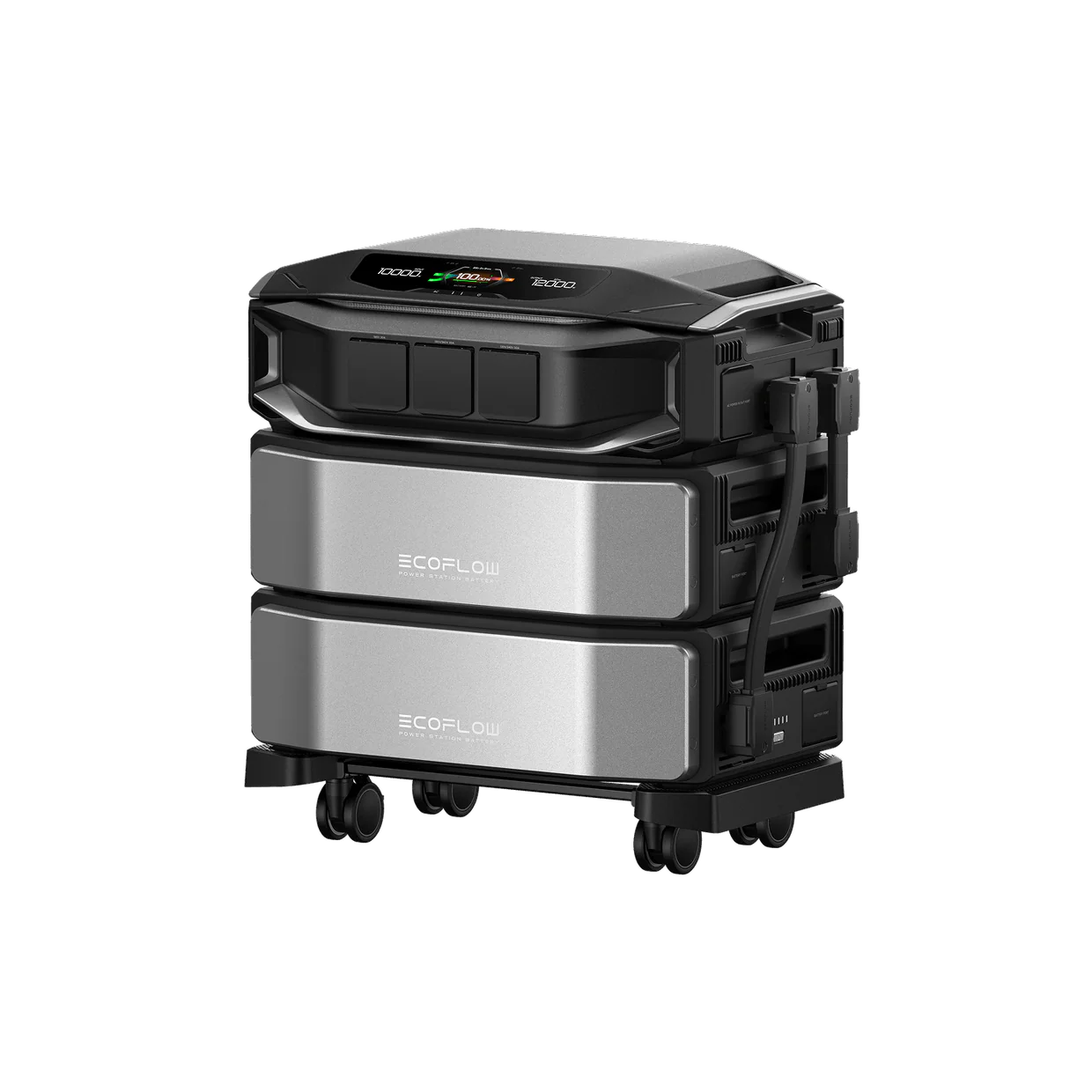
Activate backups: Not everyone has a whole-home generator, but if you do, now’s the time to activate it. A whole-home option like the EcoFlow DELTA Pro Ultra X can scale up to run essentials like HVAC and refrigeration to keep you safe and comfortable.
How Do You Stay Safe During a Power Outage?
Once you've confirmed the power is out, your next priority is staying safe until electricity is restored. Whether you’re dealing with a Rocky Mountain power outage or a grid failure on the East Coast, these tips will keep your family safe:
Never run gas-powered generators indoors: Generators produce carbon monoxide, an odorless gas that’s deadly in enclosed spaces. It's okay to use battery-powered portable power stations like the EcoFlow DELTA 3 Classic indoors, but don’t use anything with fuel or flames in your home. This includes garages, sheds, basements, crawl spaces, and partially open garages.
Use water wisely: Outages and freezing conditions can limit your access to water. Make sure you have one gallon of water per person per day in your emergency kit. But don’t forget about other needs like washing hands and basic hygiene, and the needs of your pets, too. Chances are, you’ll need more water than you think.
Invest in lighting: Candles can pose a fire hazard and don’t provide much light, anyway. Instead, go with LED flashlights that you can recharge again and again. You can even get a string of solar lights to charge outside in the sunlight and run through the house at nighttime.
How Do You Keep Your Home Warm or Cool Without Power?
Losing heat or cooling during an outage is uncomfortable at best and life-threatening in a worst-case scenario. Here’s how you can retain livable temperatures for longer:
Create a comfort zone: Don’t try to heat or cool the entire house. Pick one room where everyone can gather. Close all doors and shut all windows in this room. Close blinds and shades and, if possible, place blankets or towels along the door to reduce drafts.
Dress appropriately: If it’s cold, put on layers before you feel cold. This will help you retain some much-needed body heat. But if it’s hot, wear light, breathable fabrics that keep you cool.
Set up backup power: If you have backup power available, you can maintain a much more comfortable environment. Portable power stations can run fans and other essential devices during summer outages. A larger-capacity backup power station can power small space heaters and portable air conditioners, depending on the equipment's power requirements.
How Do You Stay Connected and Informed During an Outage?
When the power goes out, information is as important as electricity. Knowing whether the outage will last 30 minutes or 30 hours helps you make smarter decisions about food, water, heating, cooling, and backup power. Stay connected during an outage by:
Starting with a weather radio: Always keep a battery-powered or hand-crank weather radio in your emergency kit. This is an essential lifeline if cell service isn’t available.
Charging your phone: Avoid streaming videos or running apps with high power consumption during an outage. Lowering screen brightness, enabling battery-saving mode, and limiting unnecessary use can help your phone last much longer.
Prioritizing the internet: Many people assume the internet goes down during a blackout, but that's not always the case. In many areas, internet service continues to operate as long as the local network infrastructure has power. The problem is usually that your home's modem and router are no longer receiving power. If you have a backup power source available, plugging your router and modem into it might restore your Wi-Fi.
How Long Should You Be Prepared to Go Without Power?
Most outages resolve within a few hours, but if there’s severe weather or another type of emergency, you could go a week or more without power.
Most emergency experts recommend preparing for several days without power. That gives you a reasonable buffer for food, water, and basic comfort. Keep in mind that this is the bare minimum, though, so when in doubt, stock more supplies than you think you’ll need.
Practice is also essential for preparedness, especially before harsh winters. Set a reminder on your phone or in your calendar to do a pre-winter blackout drill with your family. It might seem silly, but this exercise ensures everyone knows where to go and what to do when the power suddenly goes out.
How Does a Portable Power Station Change Your Outage Experience?
Having backup power ready and waiting changes everything. Without it, you're racing to charge phones, wondering how long food will stay cold, and hoping the power comes back before your batteries run out.
With a portable power station, you can focus less on what you're losing and more on staying comfortable until the grid comes back online. It can also help protect some of the conveniences you rely on every day, including:
Wi-Fi routers and modems.
Phones and tablets.
Laptops and work equipment.
Medical devices.
Lighting.
Small appliances.
Fans.
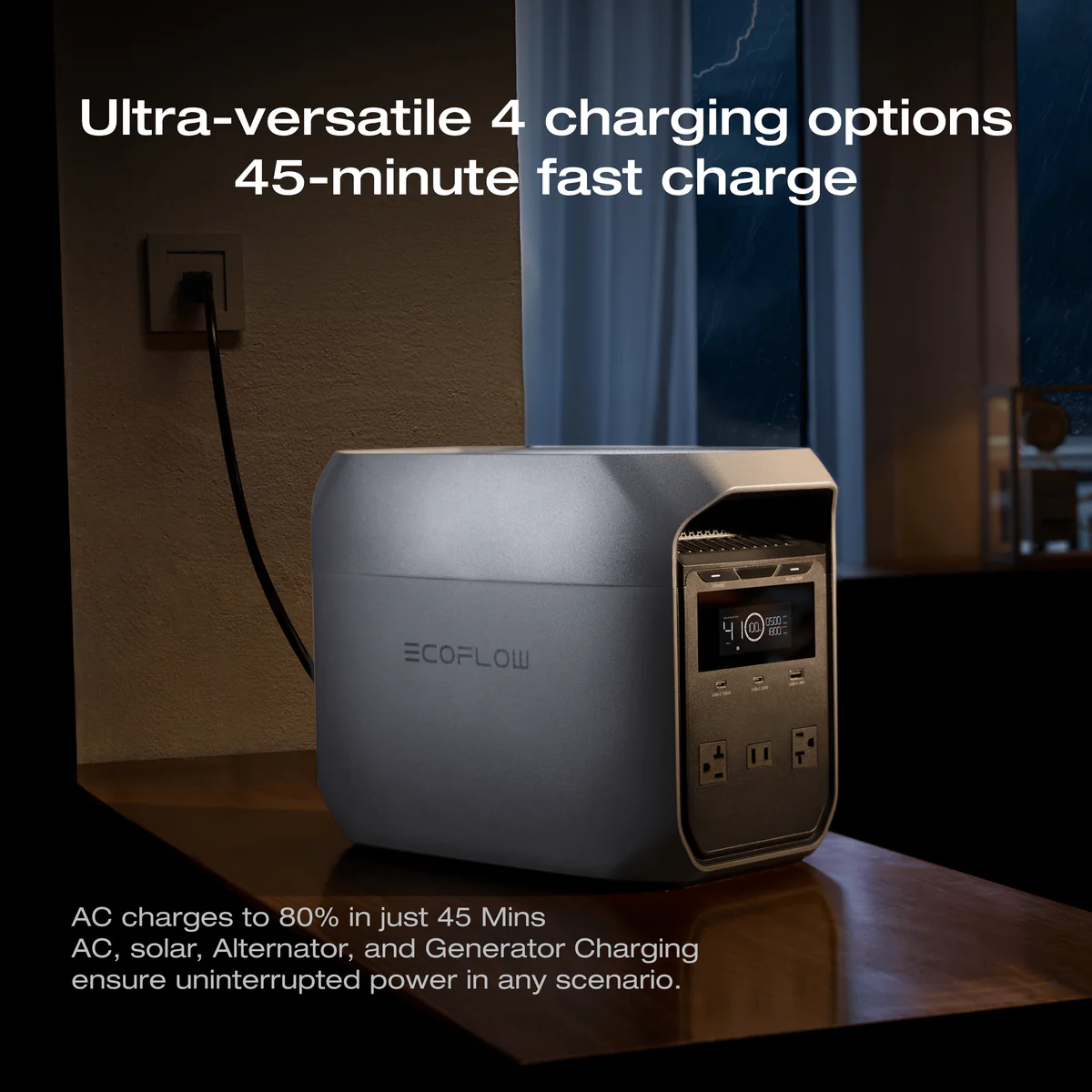
For example, the EcoFlow DELTA 3 Classic is safe to use inside and has enough power to keep your essentials running for days. With 1,024Wh of capacity, it can recharge phones, run the router, power lights, and run fans. So, the same unit you use for camping trips doubles as your home backup during outages.
If your needs go beyond just powering appliances, EcoFlow's whole home backup power solutions are worth exploring before the next outage hits to keep your entire home backed up.
Frequently Asked Questions
What Should I Do First During a Power Outage?
Start by determining whether the outage is affecting just your home or the entire neighborhood. Check your electrical panel for a tripped breaker and look outside to see if nearby homes have power. Once you've confirmed it's an outage, report it to your utility company, unplug sensitive electronics, keep your refrigerator and freezer closed, and switch to flashlights instead of candles.
What Should You Never Do During a Power Outage?
Never run a gas-powered generator indoors, including in garages, basements, or enclosed porches. That can cause dangerous carbon monoxide buildup in your home, which is deadly. You should also avoid opening your refrigerator or freezer unnecessarily, using candles, and plugging sensitive electronics back in immediately when power returns.
How Long Should You Be Prepared to Go Without Power?
Prepare for at least several days without electricity. While many outages last only a few hours, severe storms and major infrastructure damage can leave you without power for several days. Having enough food, water, lighting, and backup power for at least three days can make a huge difference if restoration takes longer than expected.
Stay Safe, Preserve Food, Maintain Comfort
Power outages are never convenient, but they don't have to become a crisis. By acting quickly, protecting your food and electronics, and having a plan for heating, cooling, and communication, you can safely ride out anything from a brief blackout to a multi-day outage.
For more peace of mind, see how the EcoFlow DELTA series can help keep your home and essential devices running when the grid goes down.
For press requests or interview opportunities, reach out to our media team
media.na@ecoflow.com