Solar Panel Maintenance Guide: How to Clean and Care for Your Panels in 2026
- Solar Panel Maintenance in 2026: What It Includes and Why It’s Worth Doing
- What Makes Solar Panels Lose Performance Over Time
- How to Clean Solar Panels Safely Without Damaging Glass or Coatings
- Inspection and Monitoring: The Fastest Way to Catch Problems Early
- When to Hire a Pro and How to Protect Your Warranty
- Frequently Asked Questions
- Keep Your Panels Producing More Power With Less Hassle
Solar panels and high-maintenance do not go hand-in-hand, but that doesn’t mean your investment can be neglected. Dust, dirt, pollen, and other debris accumulate on your panels and slowly reduce output. A simple cleaning and inspection can go a long way in maintaining your system’s efficiency. Find out how to clean and care for your solar panels in 2026.
Solar Panel Maintenance in 2026: What It Includes and Why It’s Worth Doing
Solar panels require very little maintenance, but a few tasks can keep them running at peak efficiency. While rain keeps them generally clean, dirt, pollen, leaves, and bird droppings can build up and block sunlight. The occasional cleaning will remove debris and restore output.
Monitor your panels’ performance to ensure daily output is consistent. If you notice a steady decline, they may require a cleaning, while a sudden drop could indicate a hardware issue. Scheduling a professional inspection will verify that wire connections and mounting hardware are secure.
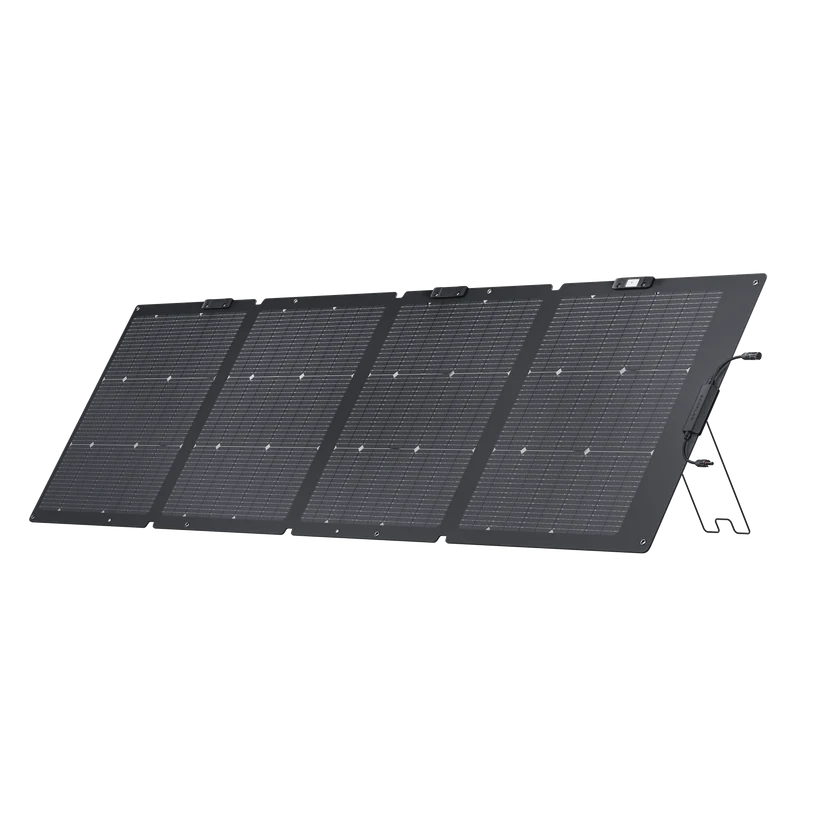
These few maintenance activities protect your system’s output and warranty coverage while catching developing problems before they become expensive repairs. Keeping up on your solar panels maintains your return on investment. The EcoFlow NextGen 220W Bifacial Portable Solar Panel captures up to 28% more solar energy with a 220W primary side, and a 175W side on the back for ambient light.
What Makes Solar Panels Lose Performance Over Time
Panel performance degrades over time due to a few key factors, but soiling and regular wear and tear are the main causes. Soiling occurs due to dust, pollen, bird droppings, tree sap, and organic debris. This debris covers the panels and reduces the amount of sunlight that hits them. New shading from growing trees also weakens performance.
Solar panels also lose effectiveness due to normal wear and tear. They face extreme weather and exposure to UV rays, causing materials to degrade slowly over time. Degradation of the inverter can also reduce your system’s efficiency even if the panels are fine.
How to Clean Solar Panels Safely Without Damaging Glass or Coatings
Solar panels require gentle cleaning methods to prevent damaging their special coatings and voiding the warranty. Avoid using pressure washers, harsh chemicals, or abrasive sponges. Clean only when the panels are cool—typically early morning or late evening—to prevent cold water shattering hot glass.
Turn off the system to prevent shock hazards while cleaning.
Spray the panels with a garden hose from the ground to wash away loose dirt and debris. Use a gentle spray nozzle setting.
If needed, apply gentle soap to the panels and scrub using a telescoping pole equipped with a soft-bristled brush. Avoid getting on the roof, as it can get slippery and dangerous.
Rinse all the soapy residue by spraying the panels with clean water. Tap water can leave mineral deposits on your panels, so remove excess moisture with a squeegee or use distilled water for the final rinse.
Inspection and Monitoring: The Fastest Way to Catch Problems Early
Visual inspection and monitoring work hand-in-hand to detect issues. Monitoring indicates something is wrong, while inspection tells you what it is.
Establish a baseline for your solar panel system’s daily output during clear weather, then monitor for any deviations. A gradual drop in performance can indicate soiling or shading, though a sudden drop in performance can suggest inverter or panel malfunctions. Many monitoring apps send alerts when performance is failing.
If your monitoring app suggests something is wrong, conduct a ground-level inspection. Look for cracked or discolored glass, damage to the mounting hardware, dirt and debris, and new shading. If you can’t pinpoint the issue, schedule a professional inspection.
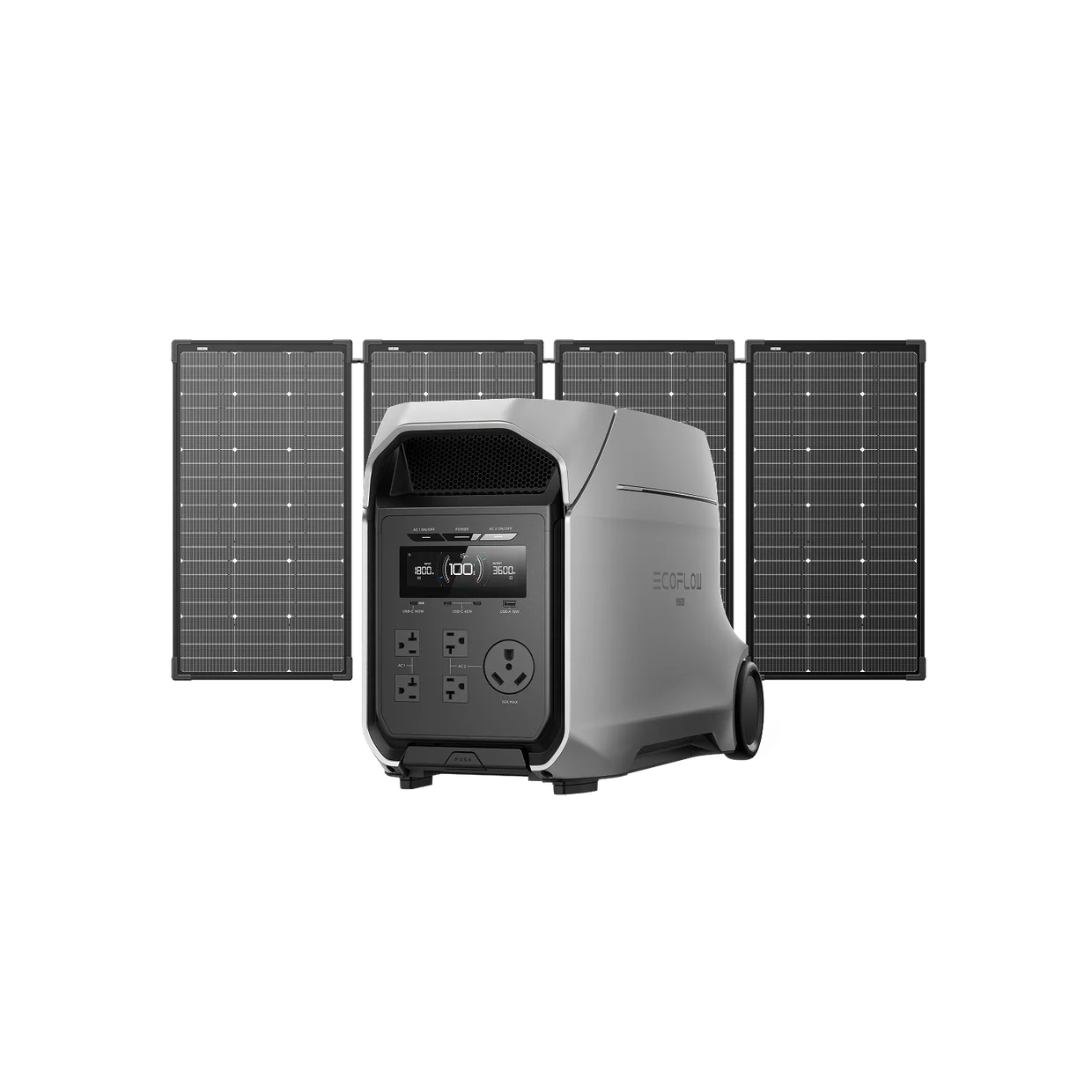
You can pair your solar panels with a portable power station, for continued renewable and sustainable energy. Solar generators like EcoFlow DELTA 3 Ultra Plus Solar Generator With 500W Solar Kit can power many home appliances, and can be scaled for larger needs.
When to Hire a Pro and How to Protect Your Warranty
Routine maintenance is largely DIY, but several scenarios justify the help of a professional. Contact a certified solar technician for any of the following:
Physical damage to any panel, such as cracking or discoloration.
Persistent output drops that cleaning and visual inspections can’t address.
Any work involving electrical work or inverter components.
Roof-level inspections or cleanings.
Thermographic imaging to detect hot spots from failing cells or connections.
Document your maintenance activity for warranty protection. Photograph the panels before and after cleaning, note the date and method of cleaning or inspection, and save any written communication with your installer. If a warranty claim arises, documented evidence of proper care indicates that damage was not caused by improper cleaning.
Frequently Asked Questions
How often should I clean my solar panels?
Solar panels typically need to be cleaned once or twice a year, though it varies by region. Rainy climates require less frequent cleaning due to rainfall washing away debris. Dry, dusty climates may need spraying every three to six months.
What is the safest way to clean solar panels?
The safest way to clean solar panels is from ground level using a garden hose and a telescoping pole with a soft brush attachment. Avoid climbing on the roof as it can get slippery when wet.
Can cleaning solar panels void a warranty?
Improper cleaning can void a warranty. Follow the manufacturer’s instructions to protect warranty coverage. Most warranties explicitly permit cleaning with soft materials and water, while prohibiting abrasive tools, high-pressure jets, and harsh chemicals.
How do I know if cleaning improved my solar output?
Monitor your system’s performance before and after cleaning. A meaningful improvement in output performed on similarly clear days supports that cleaning the panels improved solar output.
Keep Your Panels Producing More Power With Less Hassle
Simple solar panel maintenance makes a big difference. Cleaning your panels routinely using gentle water and soft materials, inspecting them for cracks and debris, and monitoring their performance keeps your panels’ output high and effort low.
The EcoFlow DELTA Pro 3 Solar Generator takes full advantage of your routine maintenance. Its whopping 4,096 Wh capacity keeps essential devices powered while storing excess power from improved output. The battery system can be expanded to up to 48kWh for whole-home backup power.
For press requests or interview opportunities, reach out to our media team
media.na@ecoflow.com