Solar Roof Tiles vs. Panels: Cost, Efficiency, Pros & Cons
The choice between installing solar roof tiles or traditional solar panels is typically based on cost, roof condition, energy output, and curb appeal. Traditional panels are more affordable and efficient for most U.S. homes. However, if you already need a new roof and want better curb appeal, solar roof tiles may be a better choice.
This guide compares both options by cost, efficiency, installation, durability, maintenance, payback period, and battery storage needs.
How Much Do Solar Roof Tiles Cost Compared to Solar Panels?
For anyone researching solar roofing tiles, cost is usually the first comparison point. Include not only the solar equipment, but also installation labor, roof condition, confirmed incentives, financing, and long-term payback.
Upfront Equipment and Installation Costs
A conventional rack-mounted solar panel system for a typical U.S. home needing an 8 to 10 kW system costs about $20,000 to $28,000. Understanding the factors that affect solar panel installation cost can help homeowners compare equipment, labor, and any additional roofing or electrical work. This estimate is before any tax credits. Costs will vary depending on roof complexity, equipment, and electrical upgrades. Solar roof tiles may cost more because they serve as both roofing material and a solar power system. A complete solar shingle installation, such as Tesla Solar Roof or CertainTeed Solstice, often ranges from $50,000 to $85,000. Again, this depends on roof size, design, and installer.
Roof Replacement and Preparation Costs
Traditional panels work best on a roof that has at least 15 to 20 years of remaining life. If your roof needs replacing, you should do this before installing rack mounted panels. This may add roughly $8,000 to $16,000 to your costs depending on the roof. Installing solar roof tiles includes replacing the roof, so they can make more financial sense if you need to replace your roof anyway. In that case, compare installing solar roof tiles against the combined cost of a new roof plus a separate rack mounted panel system.
Long-Term Savings and Payback Periods
Traditional roof mounted panels usually generate more electricity per dollar invested, so they will have a shorter pay back period. Payback is commonly around 7 to 9 years. Solar roof tiles often take 14 to 20 years to pay back because of higher upfront costs and more specialized installation. Both options will reduce utility bills over a 25-year lifespan, but traditional panels will have net savings sooner.
Available Incentives and Financing Options
For residential expenditures made in 2026, homeowners should not assume the former 30% federal Residential Clean Energy Credit is available. IRS guidance states that residential clean-energy expenditures made after December 31, 2025, do not qualify. State, local, utility, or manufacturer programs may still apply. Ask for itemized solar and roofing costs, verify each program for the address and installation date, and confirm tax treatment with a qualified professional.
Are Solar Roof Tiles as Efficient as Solar Panels?
When comparing solar panels vs solar roof tiles, traditional solar panels often provide more rated output per unit of usable roof area. Actual annual production depends on product specifications, ventilation, roof coverage, orientation, shade, temperature, inverter design, and the share of the roof fitted with active solar tiles.
Solar Conversion Efficiency
Standard residential solar panels typically reach 19% to 22.5% efficiency. They sit a few inches above the roof and the airflow underneath helps reduce heat buildup. This can support better performance on hot days. Solar roof tiles’ efficiency is usually around 14% to 18%. Since they sit flush with the roof deck, they have less ventilation, and run warmer. This impacts their output especially during high summer temperatures.
Energy Production per Square Foot
Traditional panels usually produce more electricity per square foot, so they need less roof area to generate the same amount of power. This matters if your roof has dormers, skylights, chimneys, or shaded sections because you can locate panels in more strategic locations. Solar tiles often need a larger usable roof area to match the output of a traditional panel system. If your sunny south- or west-facing roof space is limited, traditional panels are usually the better choice for capturing more solar energy.
What Are the Pros and Cons of Solar Roof Tiles vs. Panels?
Solar roof tiles and traditional panels both generate clean, renewable electricity. However, they differ in appearance, durability, maintenance, installation speed, and long-term value.
Appearance and Design Flexibility
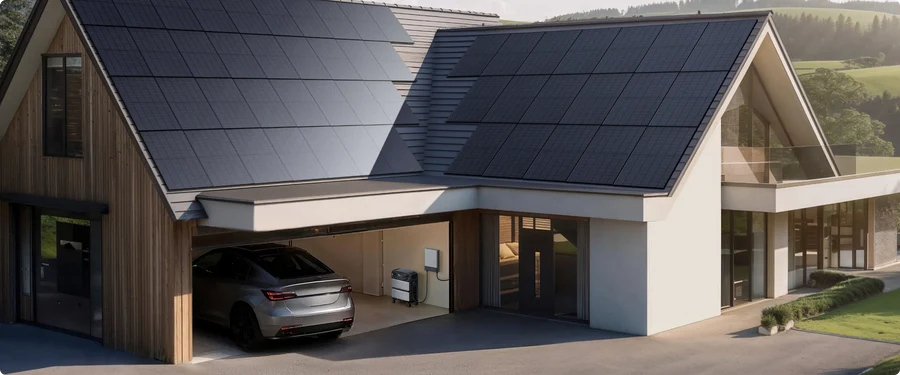
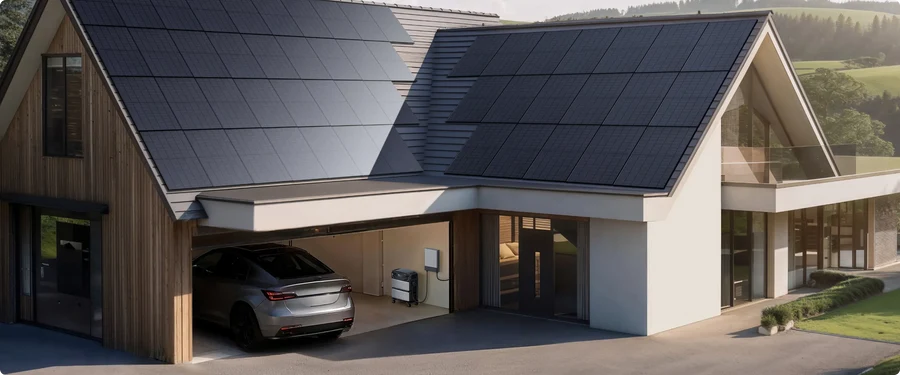
Solar tiles offer a cleaner, flush-mounted appearance and avoid visible racks. That may appeal to homeowners who prefer an integrated roofline, subject to applicable HOA rules and local approvals. Traditional panels are more visible, even in modern all-black designs, but they are generally easier to position, inspect, replace, and expand.
Durability and Weather Resistance
Most premium solar panels and solar roof tile products are tested for wind, snow, and hail resistance. Their exact ratings will vary by manufacturer, and depend on mounting method, and local building codes. Solar tiles are also very durable, but a cracked tile may affect both power generation and roof waterproofing. Traditional panels are usually easier to inspect and replace after storm damage.
Maintenance and Repair Requirements
Traditional panel systems are generally easier to service because panels, inverters, and wiring are more accessible. Solar tiles are more integrated into the roof, so troubleshooting a bad connection or replacing a damaged tile usually requires a technician with both solar and roofing expertise.
Installation Complexity and Contractor Availability
Traditional panels have a mature installer network. Solar tiles require crews experienced with both roofing and electrical work. Project timing varies with roof size, demolition, weather, permits, inspections, utility approval, equipment availability, and crew scheduling, so request a written project schedule rather than relying on a fixed installation range.
Solar Roof Tiles vs. Solar Panels: Quick Comparison
Feature / Metric | Solar Roof Tiles (Shingles) | Traditional Solar Panels |
Average Cost (8–10 kW System) | $50,000 – $85,000+ (Full Roof replacement Included) | $20,000 – $28,000 (Rooftop solar panels Only) |
Typical Payback Period | 14 – 20 Years | 7 – 9 Years |
Conversion Efficiency | ~14% – 18% | ~19% – 22.5% |
Visual Profile | Seamless, flush mounted, integrated into roofing. | Raised profile, mounted on racking |
Installation Timeline | 1 – 2 Weeks | 1 – 2 Days |
Best Suited For | Homes needing a brand-new roof + strict HOA rules | Maximizing power output and ROI on an existing roof |
System Maintenance | Complex; multi-joint wiring | Modular; easily accessible panels/inverters |
Note: The figures above are estimates for comparison purposes only. Actual costs, payback periods, conversion efficiency, installation timelines, and maintenance requirements vary by product, system size, location, roof conditions, labor costs, utility rates, and available incentives. Verify specifications with manufacturers and obtain local installation quotes before making a decision.
How Do You Choose the Right Solar Solution for Your Home?
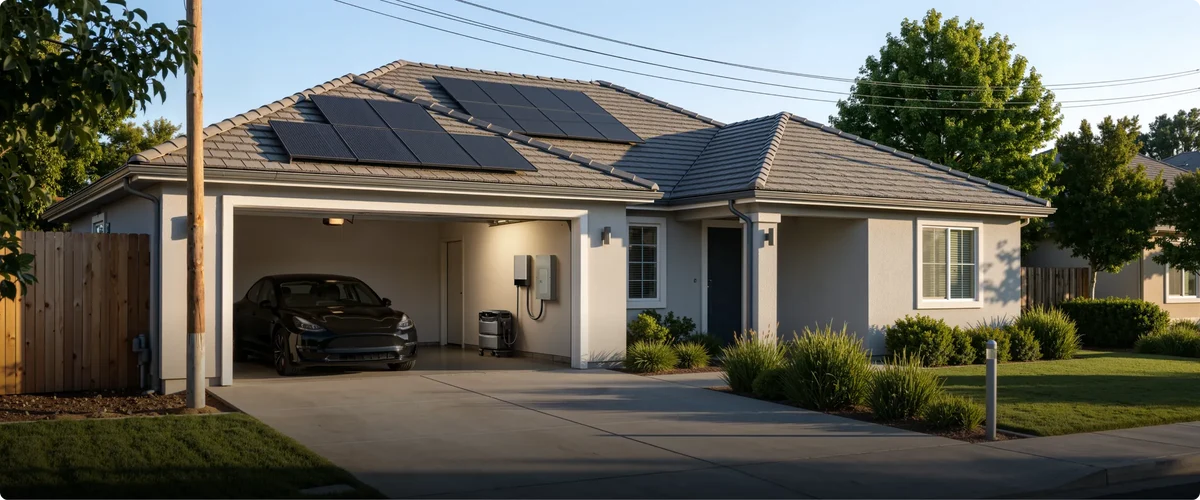
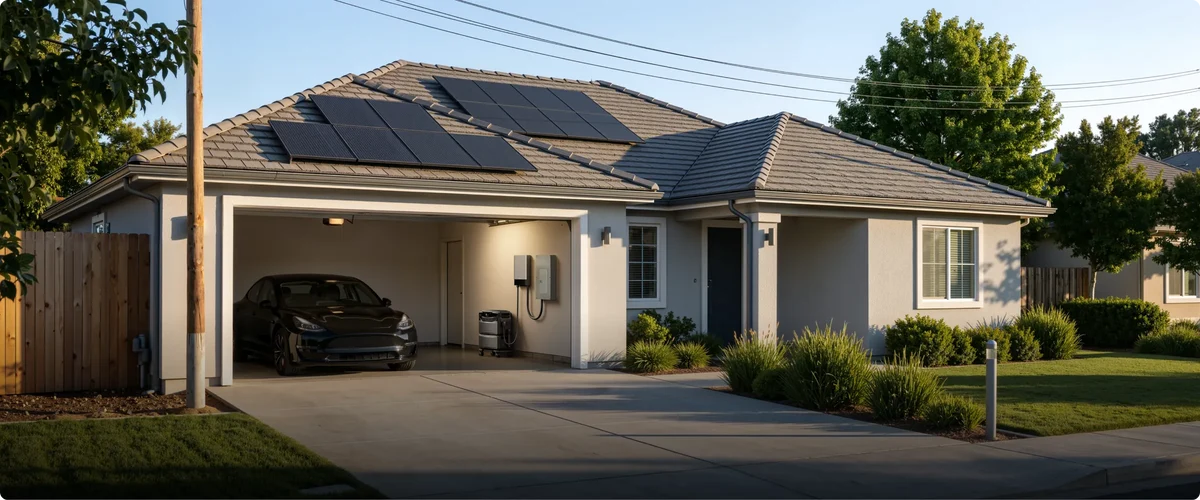
Choosing between solar shingles and traditional panels comes down to roof condition, expected production, payback expectations, and backup needs. A solar battery is a separate investment that should be evaluated using household load data, utility rates, outage goals, and compatible system design.
Assess Your Roof's Age, Condition, and Solar Potential
Start by evaluating your existing roof. Before installing solar panels on your roof, check whether the roofing materials are in good condition and have enough remaining service life to avoid an early replacement. If it is only a few years old and in good condition, replacing it with solar tiles usually does not make sense, financially. Traditional panels are the better fit in this case. If your roof is nearing the end of its lifespan or already needs major repairs, solar tiles may be worth considering. This is because they combine a new roof with solar generation.
Evaluate Your Household Electricity Needs
Look at your last 12 months of utility bills to see how much your seasonal electricity use was. Homes with central air conditioning, EV charging, electric pool heating, or high summer demand can benefit more from a larger solar system. If the usable roof space is limited for tiles or panels, traditional high-wattage roof panels are usually better for producing more electricity from the same area.
Compare Solar System Costs and Long-Term Savings
To understand how to get affordable solar roof tiles, compare itemized cash prices, financing costs, active and inactive roofing areas, local incentives, and utility export rules. Do not apply an expired federal residential credit to a 2026 project. Traditional panels often provide a stronger ROI, while solar tiles may be easier to justify when roof replacement is already required.
Determine Whether You Need Home Battery Storage
Solar production often peaks around midday, while household electricity usage usually peaks in the evening. Battery storage helps bridge that gap by storing surplus daytime solar energy for nighttime use, cloudy periods, or peak utility rate hours.
To size battery capacity, identify the household loads, operating hours, simultaneous demand, solar surplus, and desired outage reserve. The EcoFlow TITAN 5000 starts with 5kWh of capacity and can expand to 30kWh in 5kWh increments. Actual system value depends on the home’s load profile, utility tariff, solar production, compatible integration equipment, and installed cost.
Assess Backup Power Capacity and Circuit Requirements
Just having solar panels or solar roof tiles alone does not guarantee power during a utility outage. Backup power capability depends on whether you have battery storage, an inverter, transfer equipment, wiring, and how it’s set up.
The EcoFlow TITAN 5000 Plus can be paired with a compatible 120V/240V EcoFlow Smart Home Panel 10 to provide backup power to up to 10 selected household circuits. If the grid goes down, the system can switch those connected circuits to battery backup within 20ms. Homeowners should choose circuits according to the voltage, power requirements, and combined demand of the appliances they intend to use. The panel and household wiring connections must be installed by a qualified electrician in accordance with the equipment instructions and applicable local electrical codes.
Conclusion
Solar roof tiles and traditional solar panels can both reduce electricity bills, but there are different factors to consider when choosing. If your roof is still in good condition and your main goal is faster payback, traditional panels are usually the preferred choice. However, if you already need to replace your roof and prefer the look of a standard roof line, solar tiles may be worth the higher upfront cost.
Whichever option you choose, remember that solar generation alone does not guarantee backup power during an outage. You can store solar energy for use after sunset, or to keep critical circuits running when the grid goes down. You just need a compatible battery, inverter, and backup wiring setup. A modular backup battery system such as the EcoFlow TITAN 5000 is one recommended solution. It lets homeowners store daytime solar energy for use at night or backup selected essential loads during an outage.
FAQs
Will My Home Insurance Cover Solar Panels?
Coverage varies by insurer, system ownership, installation type, policy language, exclusions, and local risk. Notify the insurer before installation and confirm in writing whether the panels or tiles are covered under the dwelling policy, require an endorsement, or affect the replacement-cost limit and premium.
What Happens if a Solar Panel Gets Damaged?
If an individual solar panel cracks or suffers storm damage, your array’s power output may drop, but the rest of the undamaged panels will usually continue operating normally. A certified technician can quickly unclamp the damaged module and wire in a compatible replacement without tearing up your roof membrane.
Do Solar Panels Increase Home Value?
Owned solar may affect market value, but there is no guaranteed nationwide percentage. The result depends on local buyer demand, system ownership, age, condition, utility savings, transfer terms, and appraisal methods. Leased or financed systems can be treated differently.
How Long Do Solar Tiles Last?
Service life and warranties vary by manufacturer and component. Review the product’s power-output warranty, weatherization warranty, workmanship coverage, exclusions, and installer obligations separately rather than assuming every solar-tile system lasts the same number of years.
Can Extra Solar Panels Be Added to an Existing System?
Yes, you can add more solar panels to an existing system, provided your roof has available square footage and your electrical main breaker panel and inverter capacity can safely handle the extra amperage. If your existing inverter is already operating at capacity, your installer can add a second string inverter or utilize microinverters for the new panels.
For press requests or interview opportunities, reach out to our media team
media.na@ecoflow.com