SHTF Meaning and 72-Hour Emergency Prep Checklist
- What Does SHTF Mean?
- Why Is 72 Hours the Standard Prepping Window?
- What Should Be in Your 72-Hour Emergency Checklist?
- How Do You Build a Bug-Out Bag for SHTF Scenarios?
- How Does Backup Power Fit into Your SHTF Plan?
- How Do You Test and Maintain Your 72-Hour Kit?
- Frequently Asked Questions
- A Well-Stocked 72-Hour Kit Keeps Your Household Safe When SHTF
SHTF is an acronym commonly used among preppers, but understanding what it means is the first step to emergency prep. Building a reliable 72-hour emergency kit turns that awareness into action. This guide explains the acronym, the reason behind the 72-hour window, and exactly what to pack.
What Does SHTF Mean?
SHTF refers to “Sh*t Hits The Fan,” a phrase used to describe a major crisis or disaster event that disrupts normal life. It can refer to natural disasters, such as hurricanes, earthquakes, or wildfires, as well as man-made emergencies, such as power grid failures, civil unrest, or supply chain breakdowns.
Originating in survivalist and military circles, the acronym is now mainstream shorthand in prepping communities. Unlike a specific disaster type, SHTF is a general label for any scenario where normal services, such as electricity, clean water, or emergency response, become unavailable.
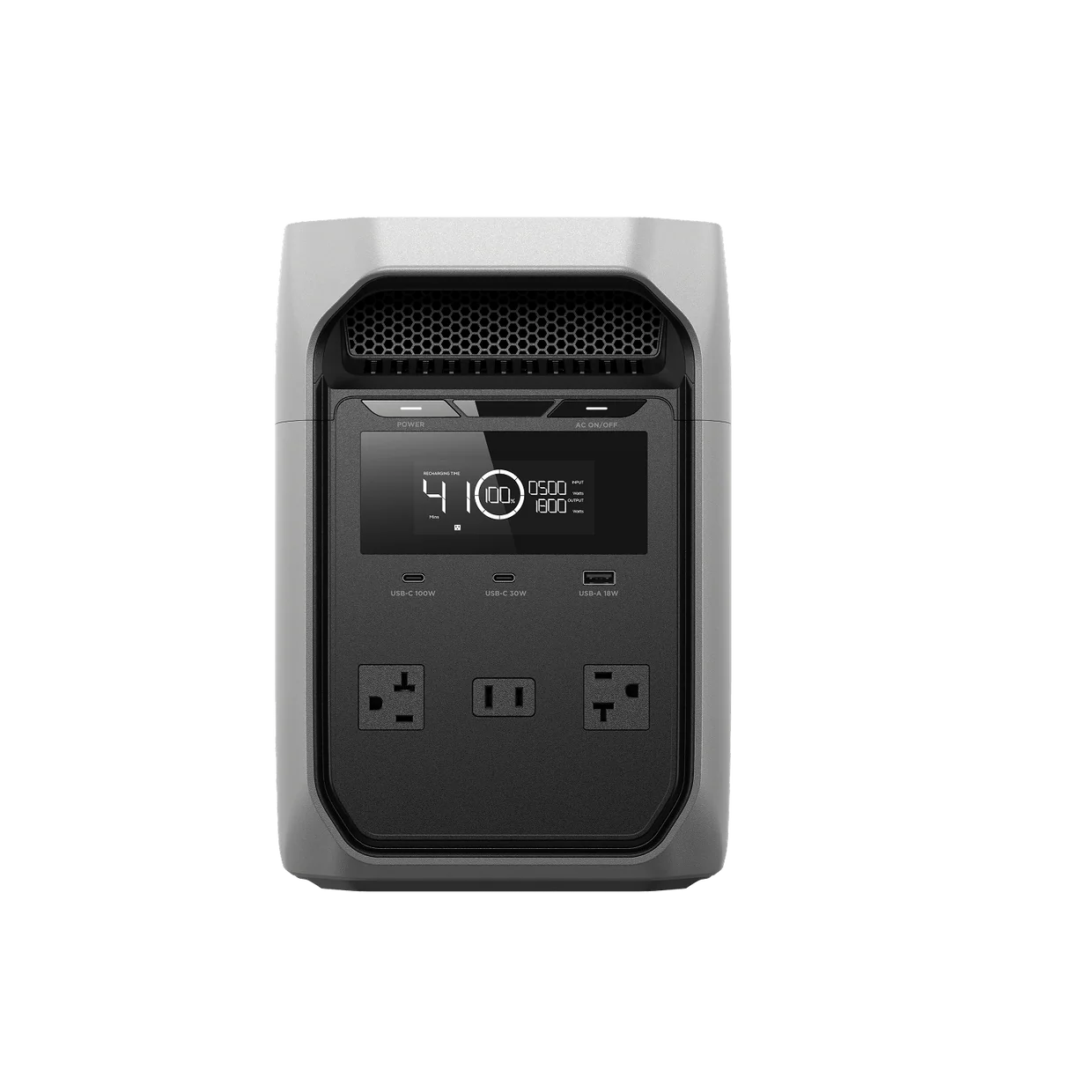
Preparing for an SHTF event means having the supplies and plans in place to remain self-sufficient until conditions stabilize or help arrives. Since power is often the first service to go, having a reliable backup source like the EcoFlow DELTA 3 Classic (1024Wh) on hand means you can keep lights, phones, and medical devices running even when the grid can't.
Why Is 72 Hours the Standard Prepping Window?
Emergency management agencies recommend that households be prepared to survive independently for at least 72 hours following a disaster. This window exists because it typically takes emergency services, utility crews, and relief organizations one to three days to reach affected areas, restore power, or set up distribution points after a large-scale event.
During the first 72 hours, roads may be blocked, store shelves emptied, and public services overwhelmed.
The standard doesn't represent a crisis's full length, but the critical initial period when self-sufficiency matters most. This window looks different if you're an apartment renter prepping for a hurricane versus a homeowner.
What Should Be in Your 72-Hour Emergency Checklist?
A complete kit covers five core categories, each addressing a need that becomes urgent fast once normal services go down — the same core categories that anchor any suburban hurricane checklist, though quantities and specifics will vary by household.
Water and Water Purification: The general guideline is one gallon of water per person per day, meaning a family of four needs at least 12 gallons for a 72-hour period. Alongside stored water, water purification, such as a portable water filter or purification tablets, is essential if your stored supply runs out.
Food and Cooking Supplies: Pack non-perishable foods that require little to no cooking, such as canned goods, protein bars, and nut butters. Include a manual can opener, a portable camp stove, and disposable utensils and plates.
Backup Power and Lighting: Flashlights, headlamps, and extra batteries are essential, along with a battery-powered or hand-crank emergency radio to receive updates when cell service and internet are down. A portable power station or power bank can keep phones, medical devices, and small electronics charged during an extended outage.
First Aid and Medications: A stocked first aid kit should include bandages, antiseptics, pain relievers, and any prescription medications your household relies on, packed with at least a 3-day supply. Don’t forget items specific to your family’s needs, such as inhalers, insulin, or infant supplies.
Documents, Cash, and Communication: Store copies of identification, insurance policies, and emergency contacts in a waterproof pouch, along with small denominations of cash, since ATMs and card readers may not function during an outage. A physical, written communication plan with family meeting points and out-of-area contacts is also critical, since cell networks usually fail when the power goes.
How Do You Build a Bug-Out Bag for SHTF Scenarios?
A bug-out bag is a portable version of your 72-hour kit, designed to be kept by the door so it's ready to grab if you need to evacuate rather than shelter in place.
Start with a durable backpack and prioritize lightweight, multi-use items: a compact water filter, freeze-dried food, a change of weather-appropriate clothing, a fire-starting kit, and a multi-tool.
Unlike a stationary home kit, a bug-out bag prioritizes mobility over comfort, focusing on what keeps you safe and moving for the first 72 hours away from home. Some items might already be in your car emergency kit.
How Does Backup Power Fit into Your SHTF Plan?
Power loss is one of the most common and disruptive elements of any SHTF scenario, affecting everything from refrigeration to medical equipment to communication devices. A layered approach works best: keep a portable power station or whole-home backup system for larger needs, solar chargers for slow but renewable top-ups, and a stock of standard batteries for flashlights and radios.
If you rely on a generator, store fuel safely and test the unit periodically, since fuel-powered generators that sit unused for long periods often fail to start when needed.
For medical devices or other critical needs, calculate your power draw ahead of time so you know how long your backup source will realistically last.
How Do You Test and Maintain Your 72-Hour Kit?
A prepping kit isn’t a one-time purchase; it requires regular upkeep. Check expiration dates on food, water, and medications every six months, and rotate out anything nearing its shelf life.
Test flashlights, radios, and power stations to confirm batteries hold a charge, and replace batteries that show signs of corrosion or reduced capacity.
Review your documents and cash stash annually to ensure information stays current.
Frequently Asked Questions
Is SHTF the Same as a Bug-Out Bag?
No, SHTF is used to describe the type of crisis itself, while a bug-out bag is one of the tools used to prepare for it, specifically a portable kit for evacuation scenarios. Most households benefit from having both: a stationary kit for sheltering in place and a bug-out bag ready for quick evacuations.
How Much Water Should You Store Per Person for 72 Hours?
The standard recommendation is one gallon per person per day, totaling three gallons per person for a full 72-hour period, plus extra for pets if applicable. Store more if you live in a hot climate, are pregnant, or have household members who are ill, since water needs increase in those situations.
Can a Portable Power Station Really Last 72 Hours?
It depends on capacity and usage. A mid-sized power station can typically run essential devices like phones, radios, and small lights for 72 hours, but running larger appliances will drain it much faster, so calculating your power needs in advance is essential to finding the properly sized power station for you.
A Well-Stocked 72-Hour Kit Keeps Your Household Safe When SHTF
Understanding what SHTF means is the starting point of emergency preparation, but true readiness comes from action: stocking water, food, power, first aid, and documents for at least 72 hours, and building a portable bug-out bag for evacuation scenarios.
Pack reliable backup power with EcoFlow. The EcoFlow DELTA 3 Classic (1024Wh) can be ready to use in 45 minutes with AC charging and is portable enough to take with you, powering essentials wherever you go.
For press requests or interview opportunities, reach out to our media team
media.na@ecoflow.com