A Guide to Developing a Severe Weather Emergency Plan for Families
- Answer First: What Should Families Do Now?
- Understand Your Regional Severe Weather Risks
- Build a Reliable Power Backup Strategy
- Establish Clear Family Communication Protocols
- Plan Safe Evacuation Routes and Shelter Locations
- Printable 72-Hour And 14-Day Emergency Supply Checklist
- Gather Essential Supplies Beyond the Basic Go-Bag
- Practice and Update Your Action Steps Annually
- Build a Family Emergency Plan Before Severe Weather Arrives
- FAQs
Answer First: What Should Families Do Now?
Check your local risks: Use FEMA flood maps, county evacuation tools, NOAA/NWS alerts, and local fire or emergency management resources.
Build a communication plan: Pick an out-of-town contact, write down phone numbers, and keep paper copies in wallets, cars, and go-bags.
Prepare supplies by priority: Start with water, food, medication, lighting, charging, medical needs, pet supplies, and important documents.
Plan backup power safely: Estimate essential loads first, then choose power equipment based on wattage, runtime, installation requirements, and safety rules.
Creating a comprehensive family emergency plan can help families respond more clearly during severe weather, but it should always be used alongside official guidance from FEMA, NOAA/NWS, and local emergency management agencies. From sudden winter storms to destructive hurricanes, every American household faces unique regional threats. A solid family emergency preparedness plan ensures everyone knows exactly where to shelter, how to communicate, and what to pack. By applying severe weather safety tips from official emergency resources, your household can be better prepared for power outages, evacuations, and regional hazards while still following local emergency instructions.
Understand Your Regional Severe Weather Risks
Before buying emergency supplies, you must identify the specific, localized threats your geographic area faces. An effective emergency plan for family preparedness starts with checking local emergency management resources, the FEMA Flood Map Service Center (last updated continuously by FEMA), NOAA/NWS weather alerts, and county evacuation guidance for your specific address. FEMA flood maps can be searched at FEMA.
Coastal and Southern Risks: Hurricanes and Extreme Heat
Families living in states like Florida, Louisiana, or Texas must prioritize hurricane evacuations and extreme heat protocols. Your family emergency plan needs to account for storm surges, wind damage, and prolonged cooling needs when the power grid fails during sweltering summer months. You should identify your hurricane evacuation zone using your county emergency management website and review FEMA flood risk information. For example, many coastal counties provide online evacuation zone lookup tools, while FEMA flood data can be reviewed through the FEMA Flood Map Service Center.
Midwest and Plains: Tornadoes and Hail
If you live in Tornado Alley or the Midwest, plan for fast sheltering because tornado warnings may leave limited response time; follow NOAA/NWS tornado safety guidance and your local warning system. Tornadoes and severe thunderstorms with heavy hail strike with little warning. Designate a shelter area, such as a basement or interior windowless room on the lowest level. If structural reinforcement is needed, consult a qualified contractor or local building professional rather than attempting engineering work yourself. Keep protective gear, such as heavy boots and bicycle helmets, permanently stored in this room to protect against blunt force trauma from flying debris.
Western and Northern Threats: Wildfires and Winter Storms
In wildfire-prone areas, local fire agencies may recommend defensible space around the home. The “30 feet” distance should be treated as a common planning example, not a universal rule; always follow your state, county, fire district, HOA, and local code requirements. Conversely, northern regions battle severe winter storms that can trap households indoors for days. A robust family emergency preparedness plan addresses these seasonal extremes by outlining safe escape routes for fires and indoor safe-heating solutions to prevent hypothermia during winter grid failures.
Build a Reliable Power Backup Strategy
Severe weather can disrupt electrical service for hours or days, depending on storm type, infrastructure damage, utility response, and access conditions. For quick planning, prioritize power in this order:
Medical equipment and refrigerated medication
Communication devices and weather alerts
Refrigerator or freezer
Basic lighting
Cooling, heating, or comfort devices
Prolonged blackouts during winter storms or heatwaves turn uncomfortable situations into life-threatening emergencies. An essential part of any family emergency plan is securing an independent, high-capacity power source to keep critical home infrastructure operational when local utility companies cannot restore power quickly. Relying on flashlights is not enough; you must plan for heating, cooling, and refrigeration.
Backup Power Safety Notes
Gas generators must be used outdoors only. FEMA guidance commonly advises keeping generators at least 20 feet away from windows, doors, and garages because of carbon monoxide risk.
Never connect a generator directly to a home outlet. Backfeeding may endanger utility workers and damage electrical systems.
Use transfer switches or inlet boxes only when installed by a licensed electrician. Do not modify breakers, panels, or wiring yourself.
Keep generators dry and use properly rated outdoor extension cords. Wet equipment can create a shock risk.
Backup Power Estimate Worksheet
Use this as a rough planning tool. Actual wattage varies by device model, start-up surge, temperature, battery reserve settings, and usage time.
Device | Typical Running Watts | Estimated Use Per Day | Estimated Wh/Day |
Refrigerator | 100–800W cycling | 8 hrs cycling | 800–2,000Wh |
Wi-Fi Router | 10–30W | 24 hrs | 240–720Wh |
Phone Charging | 5–20W | 2 hrs | 10–40Wh |
CPAP Machine | 30–100W | 8 hrs | 240–800Wh |
LED Lights | 5–50W | 5 hrs | 25–250Wh |
Simple formula: watts × hours = watt-hours. Add your essential devices together, then compare the total with usable battery capacity. Actual needs vary by appliance model, temperature, duty cycle, and battery reserve settings.
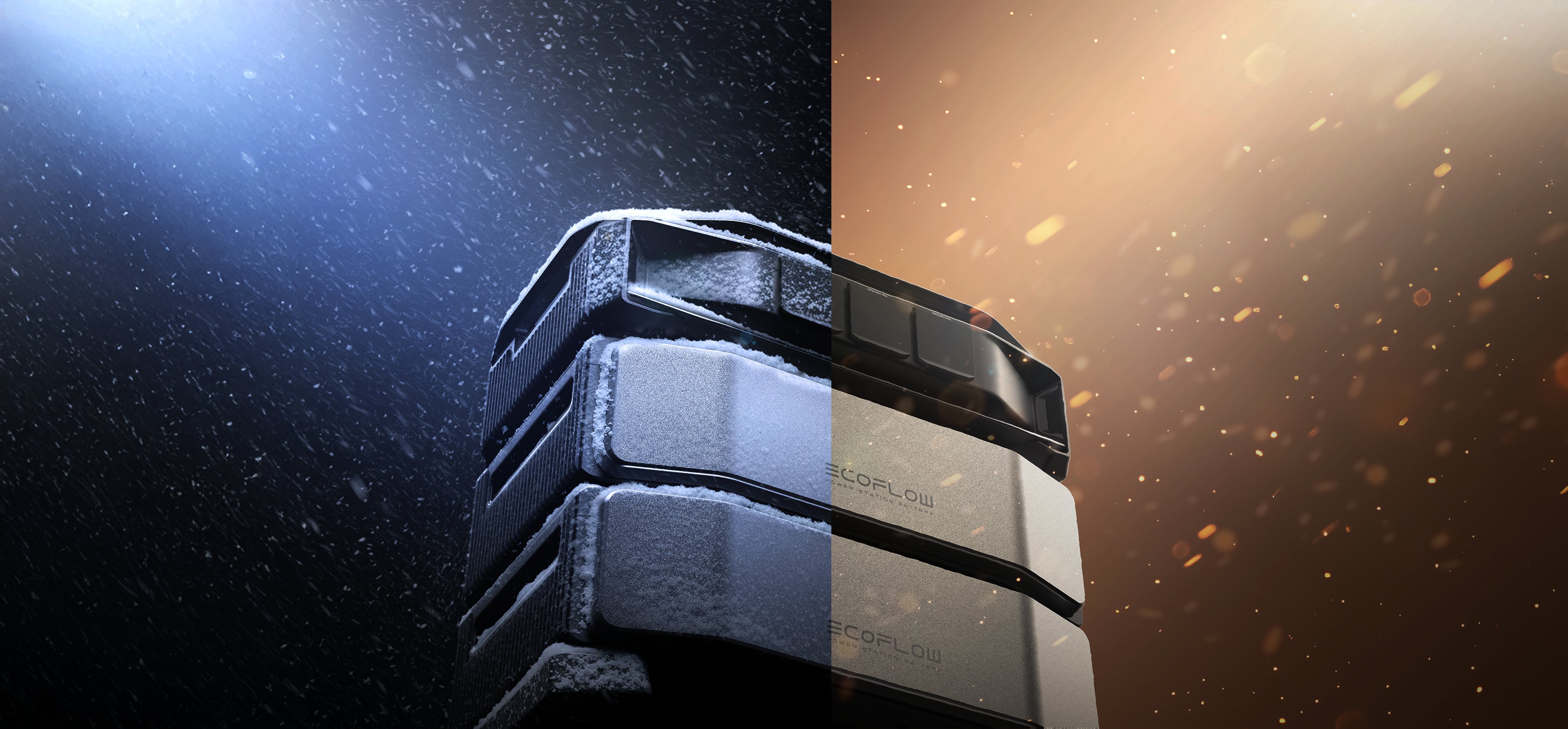
For households comparing backup power options, the EcoFlow DELTA Pro Ultra X Power Station can be considered one example of a high-capacity home backup system. According to manufacturer specifications, certain EcoFlow DELTA Pro Ultra X configurations support 12–36 kW output and 20ms auto-switchover. These figures describe configured system capability, not guaranteed runtime; actual performance depends on connected loads, battery capacity, installation method, and operating conditions. Users should estimate the runtime based on their own household energy requirements.
Establish Clear Family Communication Protocols
Disasters rarely happen when everyone is gathered comfortably at home. A comprehensive family emergency preparedness plan must include strict guidelines on how members will connect if cellular networks become heavily congested or completely compromised.
Designating an Out-of-Town Contact
During regional disasters, local phone lines easily overload because everyone in the county is trying to call out simultaneously. Instruct all household members to text a single out-of-town relative or friend. Text messages require significantly less network bandwidth than voice calls and will continuously ping the tower until they successfully go through. This out-of-town person acts as a central communication hub, relaying messages between separated family members.
Memorizing Important Phone Numbers and Creating Backup Lists
Do not rely solely on your smartphone's digital contact list. Batteries die, and phones easily get lost or water-damaged during evacuations. Write down vital phone numbers, medical facility addresses, and insurance hotlines on waterproof cards. Place these cards in every family member's wallet, vehicle glove box, and school backpack so they always have access to critical information.
Plan Safe Evacuation Routes and Shelter Locations
Knowing exactly where to go saves critical seconds during a chaotic crisis. Your emergency plan for family security must clearly define both indoor safe zones for sheltering in place and long-distance escape paths for mandatory evacuations.
For sudden events like tornadoes or severe windstorms, map out the safest interior spaces on your lowest floor. This area should have no outward-facing windows and share as many structural walls as possible. Keep these areas entirely free of everyday clutter. Practicing how to reach these rooms quickly in the dark is one of the most effective severe weather safety tips for households with young children or elderly members.
Flash floods, downed power lines, and wildfires can instantly block your primary neighborhood exit. Chart out at least three completely different evacuation routes leading out of your city. Use physical paper maps and keep them in your car, as GPS applications often fail during widespread cellular outages. Pre-program your local radio stations into your car to listen to physical traffic updates while driving.
Printable 72-Hour And 14-Day Emergency Supply Checklist
| Category | 72-Hour Essentials | 14-Day / Special Needs |
| Water | 1 gallon per person per day | Extra for pets, hygiene, formula, or heat |
| Food | Non-perishable meals and snacks | Special diets, infant formula, pet food |
| Medical | First-aid kit, 3-day medication supply | 14-day prescriptions, device chargers, refrigerated medication plan |
| Lighting | Flashlights, lanterns, spare batteries | Backup headlamps and rechargeable lights |
| Communication | Phone, charger, power bank, radio | Written contacts and out-of-town contact plan |
| Documents | ID, insurance, medical info | Waterproof copies and encrypted digital backup |
| Sanitation | Wipes, trash bags, hand sanitizer | Buckets, liners, hygiene supplies |
| Power | Power banks and charging cables | Portable power station or home backup system sized by load |
Gather Essential Supplies Beyond the Basic Go-Bag
While a standard 72-hour survival kit is important, a true disaster strategy requires stockpiling specialized items specific to your household's unique daily requirements. A generic store-bought kit will not sustain you during a complex emergency.
Customizing Medical, Dietary, and Hygiene Needs
Standard kits lack prescription medications and sanitation supplies. You must stockpile at least a 14-day supply of any required daily prescriptions, spare eyeglasses, hearing aid batteries, and specific infant formulas. Additionally, prepare heavy-duty trash bags and buckets for emergency sanitation if city water pumps fail. Tailoring these supplies ensures your survival strategy actually meets your biological needs during a prolonged lock-in.
Securing Important Documents and Cash
Credit card networks and ATMs may not work during a blackout. Keep at least $300 to $500 (based on your household size, evacuation distance, fuel needs, and local costs), as stores will not be able to make change for large bills. Additionally, store copies of health insurance cards, home deeds, and passports in a fireproof, waterproof safe. Keep a secondary digital copy of these documents on an encrypted USB drive inside your emergency bag.
Practice and Update Your Action Steps Annually
A written strategy is less useful if no one remembers how to follow it under pressure. Regular physical drills transform your emergency plan for family safety from a piece of paper into a lived, automatic reflex that prevents panic.
Twice a year, conduct a timed evacuation drill. Set a stopwatch and require your family to locate their designated go-bags and load them into the vehicle within ten minutes. Following practical severe weather safety tips through hands-on practice exposes flaws in your plan—such as a jammed window or a missing flashlight—allowing you to fix these issues before a real disaster strikes.
Review your emergency kits and household protocols every six months. Swap out heavy winter sleeping bags and hand warmers for lightweight cooling towels and extra water as summer approaches. Ensure your response strategies evolve continuously as children grow, medical diets change, or new pets are added to the household.
Build a Family Emergency Plan Before Severe Weather Arrives
Building an actionable family emergency plan starts with local risk checks, clear communication steps, customized supplies, and safe backup power planning. Compare battery capacity, installation requirements, load priorities, and operating costs before choosing any home backup system. EcoFlow DELTA Pro Ultra X may be one option to evaluate based on manufacturer-published specifications.

FAQs
Q1. What should a family emergency plan include?
A comprehensive plan should include designated indoor shelter areas, at least three mapped evacuation routes, an out-of-town communication contact, and customized emergency supply kits. It must also outline specific protocols for power outages and regional threats like floods, hurricanes, or tornadoes.
Q2. What are some safety tips for severe weather?
Always maintain multiple ways to receive warnings, such as a battery-powered NOAA weather radio and mobile push alerts. Identify a windowless interior room for sheltering, keep devices fully charged, and never attempt to drive through flooded roads or downed power lines.
Q3. What is the 30 30 rule for weather?
The 30/30 rule is a standard lightning safety guideline. If it takes less than 30 seconds to hear thunder after seeing lightning, the storm is close enough to strike you, and you should seek shelter immediately. Wait at least 30 minutes after hearing the last clap of thunder before going back outside.
Q4. What to stockpile for 72 hours?
For a basic 72-hour period, you need one gallon of water per person per day, non-perishable food, a manual can opener, a comprehensive first-aid kit, flashlights, extra batteries, physical cash in small bills, and a minimum three-day supply of any necessary prescription medications.
Q5. What are the 5 components of an emergency plan?
A standard emergency plan relies on five core components: prevention (mitigating risks beforehand like trimming trees), protection (safeguarding people and property), mitigation (reducing the disaster's impact), response (taking immediate action during the event), and recovery (restoring normal operations afterward).
Safety Disclaimer: This guide provides general household emergency preparedness information. It is not emergency medical advice, engineering advice, electrical installation guidance, or a substitute for instructions from local emergency management, FEMA, NOAA/NWS, fire departments, utility providers, licensed electricians, or healthcare professionals. During any immediate danger, follow official local instructions first.
For press requests or interview opportunities, reach out to our media team
media.na@ecoflow.com