How to Stay Safe During a Heat Wave Power Outage
- Heat Wave Power Outages: What They Are and Why They Happen
- The Biggest Dangers During a Hot-Weather Blackout
- What to Do in the First Hour After the Power Goes Out
- Stay Cool Without Power: Practical Home and Outdoor Cooling Tactics
- Food, Water, and Essential Power: What to Protect and What to Run
- Frequently Asked Questions
- Stay Cool, Protected, and Powered During the Next Heat Wave
Heat waves are uncomfortable, but when accompanied by a power outage, they can become dangerous. Conditions indoors can become life-threatening, especially for vulnerable people.
This guide takes you through the cause of these outages, the health risks to be aware of, and the steps you can take to keep cool and safe until power returns.
Heat Wave Power Outages: What They Are and Why They Happen
When the temperature soars and millions of homes and businesses turn their air conditioners up, demand spikes, and the surge can push the electrical grid past its limits.
If the stress becomes too great, power plants can’t cope, transmission lines overheat, and transformers in the local area fail, leading to a power outage. While a blackout is frustrating for everyone, it can also pose serious risks, so it’s important to stay safe.
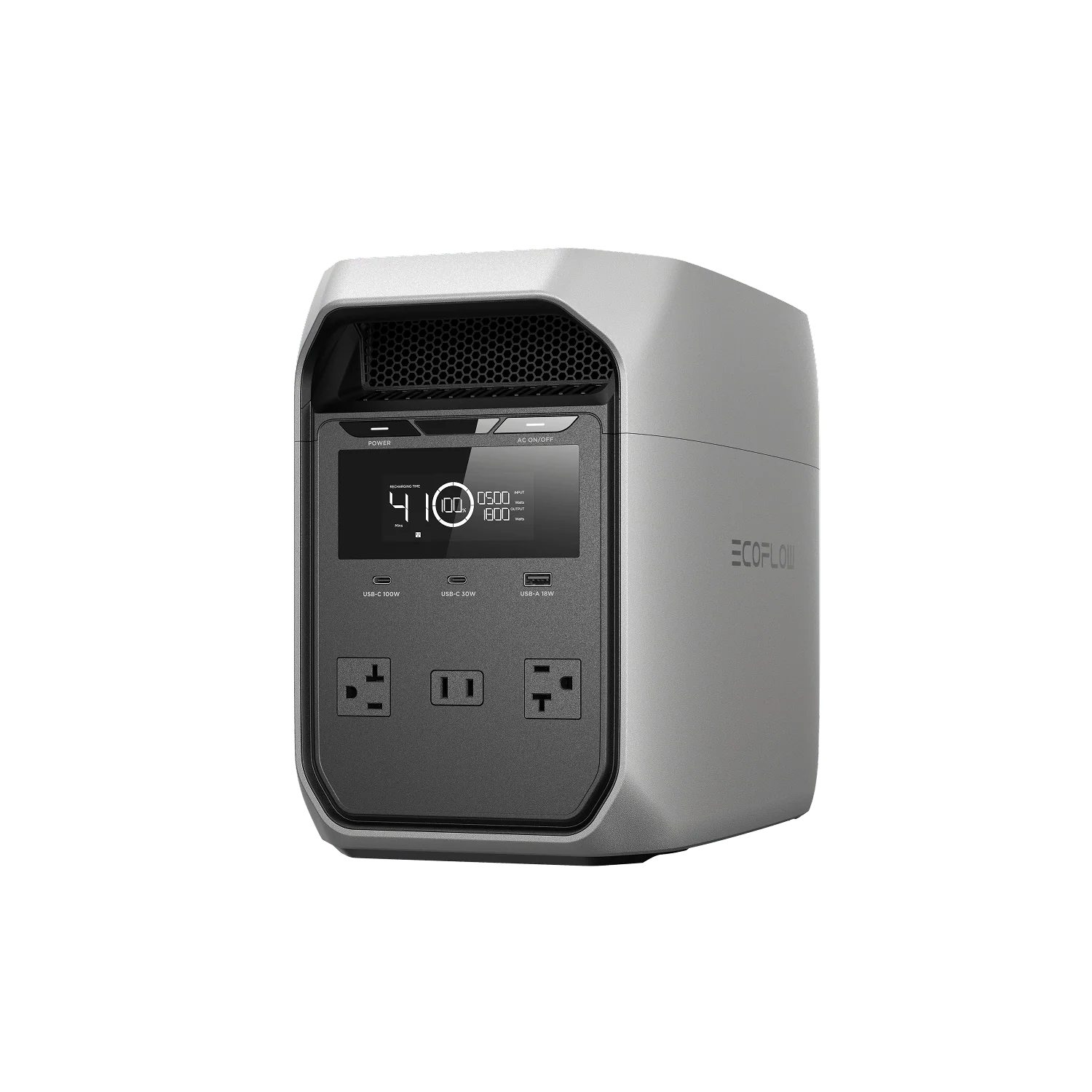
Backup power is essential for running devices like medical equipment and fans. The safest option indoors is a battery-powered station like the EcoFlow DELTA 3 Classic. This is useful for keeping lights, fans, and small medical devices running.
The Biggest Dangers During a Hot-Weather Blackout
Heat illness is the most immediate risk. If you can’t use air conditioning and can’t even turn the fans on, indoor temperatures can quickly soar above safe levels. This is especially true on the upper floors.
Heat exhaustion is an early warning stage, with symptoms including weakness, nausea, dizziness, and clammy skin. Get somewhere cool and slowly drink some water, and place a cool, wet cloth or towel against your skin.
Heat stroke is an emergency situation that can cause organ damage or even death. A body temperature of over 103°F is a key warning sign. Symptoms can include the skin becoming hot and dry, slurred speech, confusion, a quickening pulse, and even loss of consciousness. If you suspect heat stroke, call 911 right away.
Dehydration can also be serious. Sweat helps to regulate body temperature, but it can’t do this if you don’t have sufficient fluids in your body. Those particularly at risk include young children, older adults, and people with chronic illnesses.
What to Do in the First Hour After the Power Goes Out
The first hour is crucial when the power goes out. This is the coolest your home will be, and your aim should be to preserve the temperature as much as possible.
Start by closing the windows and blinds to block direct sunlight from entering your home. Then get everyone to the coolest part of the house, which is often a lower floor or the basement. Also, get what you need from the fridge and freezer, then leave them closed to preserve food.
It’s also a good idea to find out where the nearest cooling center is located. You can do this by calling 211.
Stay Cool Without Power: Practical Home and Outdoor Cooling Tactics
You can take several steps to keep your home cooler during a power outage:
Hold a damp towel against your skin.
Take a cool shower.
Avoid any activities that generate heat, like using the oven.
Stay on the first floor or go to the basement.
If the temperature is still too hot indoors, consider moving outdoors into a spot of shade.
Later in the evening, when outdoor temperatures fall, create airflow by opening windows on opposite sides of the building.
Food, Water, and Essential Power: What to Protect and What to Run
You’ll want to ensure you have enough water. According to Ready.gov, you should store one gallon of water per person for each day and aim to build up a supply lasting several days.
Try to drink regularly, even if you don’t feel thirsty. Once you feel thirsty, you’re likely already dehydrated.
According to the FDA, you can keep food safe for about four hours in a closed refrigerator. A full freezer will keep food safe for about 48 hours, while a freezer only half full will keep food safe for about 24 hours.
Perishable food like meat and dairy that is left at room temperature for over two hours should be discarded. However, if the temperature outside is over 90°F, discard food after one hour.
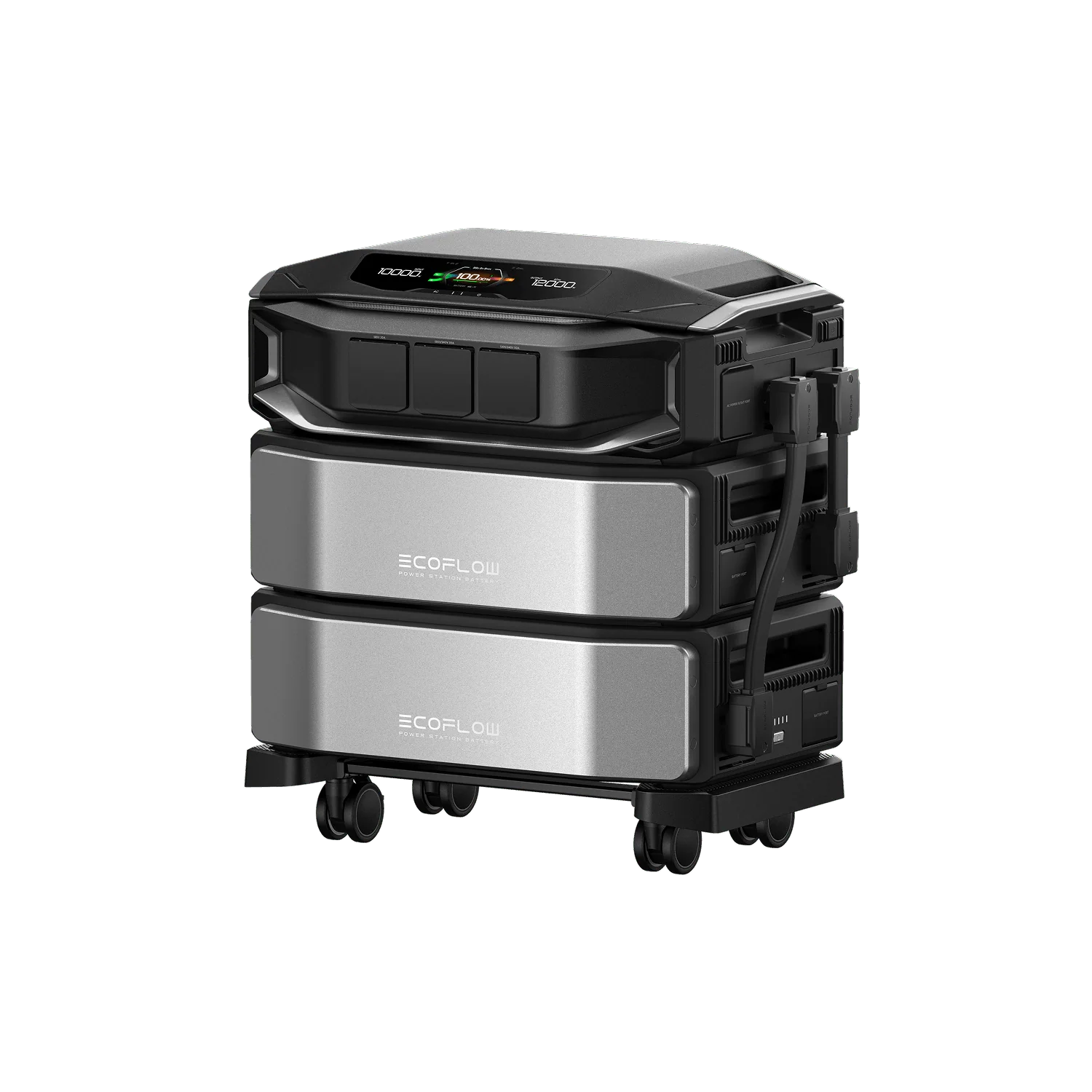
If you need a whole home generator, consider a device like the EcoFlow DELTA Pro Ultra X. This allows you to keep your home powered up for greater comfort, perhaps powering a portable AC unit to keep cool. It can even be paired with solar panels to keep it charged up.
Frequently Asked Questions
How much water should I store for a heat wave power outage?
Aim to store a gallon of water for each person in the household per day for basic hygiene as well as drinking. Keep a three-day supply as a minimum. Don’t forget that pets also need water. For dogs, keep about an ounce of water per pound of body weight for each day.
How long will food stay safe in the fridge and freezer during a blackout?
If you keep your refrigerator closed, the food inside should stay safe for about four hours. Food in a full freezer that you leave unopened will last about 48 hours, and food in a half-full freezer should last 24 hours.
When should I leave home for a cooling center during extreme heat?
If indoor temperatures stay above 90°F for a long time, consider heading to a cooling center. Also, if anyone shows signs of heat exhaustion or is struggling with the heat, you may want to leave your home before heat stroke symptoms start to show.
Can I safely run a fan or portable AC during an outage with a battery power station?
Yes, this is safe to do using devices like the EcoFlow DELTA 3 Classic, which can run fans and small portable ACs with no fumes or risk of producing carbon monoxide. You could also run a larger device that powers the whole home, like the EcoFlow DELTA Pro Ultra X.
Stay Cool, Protected, and Powered During the Next Heat Wave
When the power goes out during a heat wave, it’s important to act fast. Block direct sunlight, ensure everyone stays hydrated, have a plan for when to leave for a cooling center, and watch out for signs of heat illness.
A reliable backup power source can make the situation manageable. Explore EcoFlow's portable power stations to find a suitable backup solution for your needs before you actually need it.
For press requests or interview opportunities, reach out to our media team
media.na@ecoflow.com