Natural Disasters US Preparation: Identify Local Hazards and Build a Practical Family Plan
- Understand Natural Disaster Risks and Why Preparation Matters
- Create a Simple Family Emergency Plan
- Build a 72-Hour Emergency Kit
- Power Up with EcoFlow: Portable Power Stations for Outages
- Forecast and Respond: Weather Forecasting, Smart Automation, and Reliability
- Seasonal Readiness: Update Plans for Extreme Weather
- Frequently Asked Questions
- Prep for Emergencies With EcoFlow Portable Power Stations
Most of us think of natural disasters as tragedies that happen to “other people.” But they affect millions of Americans every year, and often strike without warning. When disaster happens, you rarely have time to think, and that’s why proactive preparation is your best defense.
From hurricanes and wildfires to heatwaves and winter storms, every region faces its own risks. Learn why early prep saves lives, plus simple tips to protect your family and respond confidently in any emergency.
Understand Natural Disaster Risks and Why Preparation Matters
There are so many natural disasters in the US, and depending on where you live, you’re at risk of:
Hurricanes
Floods
Wildfires
Tornadoes
Heat waves
Winter storms
Earthquakes
Risk varies widely by ZIP code. For example, if you live in Florida, your primary concern will be floods or hurricanes, while folks in California worry more about earthquakes and wildfires. You’ll need a different approach to evacuating in the country vs emergencies in the city, too. While you can’t predict everything Mother Nature will throw at you, understanding the inherent risks of your area will help you build a practical and potentially life-saving disaster kit.
Create a Simple Family Emergency Plan
For starters, you need to sit down with your family and create a simple emergency plan. A short, clear plan beats a complicated checklist any day. Start by writing down and sharing the essentials with every member of your household to make sure everyone knows what to do when disaster strikes.
To create your list:
Pick two meeting spots: Choose one near your home (for quick regrouping) and one outside the neighborhood (in case you need to evacuate).
Designate out-of-area contacts: This person serves as a communication hub if local phone and data networks are unavailable.
Map utility shut-offs: Shutting off electricity before a flash flood can save lives, not to mention your home’s infrastructure. Mark the locations of the gas, water, and electric shut-off valves. Keep the necessary tools nearby so you can turn them off quickly if needed.
Store it somewhere visible: Place your plan on the fridge or in a designated go-bag. A digital copy on everyone’s phones is also helpful.
Build a 72-Hour Emergency Kit
Most natural disasters resolve within a few days, so you just need enough supplies to get by. A well-built emergency kit gives your household a critical buffer during the first three days of a disaster, when power outages, blocked roads, and delayed services are most likely.
At a minimum, your kit should include:
One gallon of water per person, per day. Extra for pets and bathing is also a good idea
Shelf-stable meals that don’t require cooking
Flashlights and headlamps
Spare batteries
Battery-powered or hand-crank radio.
First-aid kit
Copies of IDs, insurance information, and emergency contacts stored in a waterproof pouch
Power Up with EcoFlow: Portable Power Stations for Outages
Power is essential to safety, especially if the grid goes down during a winter storm or summer heatwave. Phones, radios, medical devices, fans, and even small appliances can make the difference between a manageable outage and a stressful emergency.
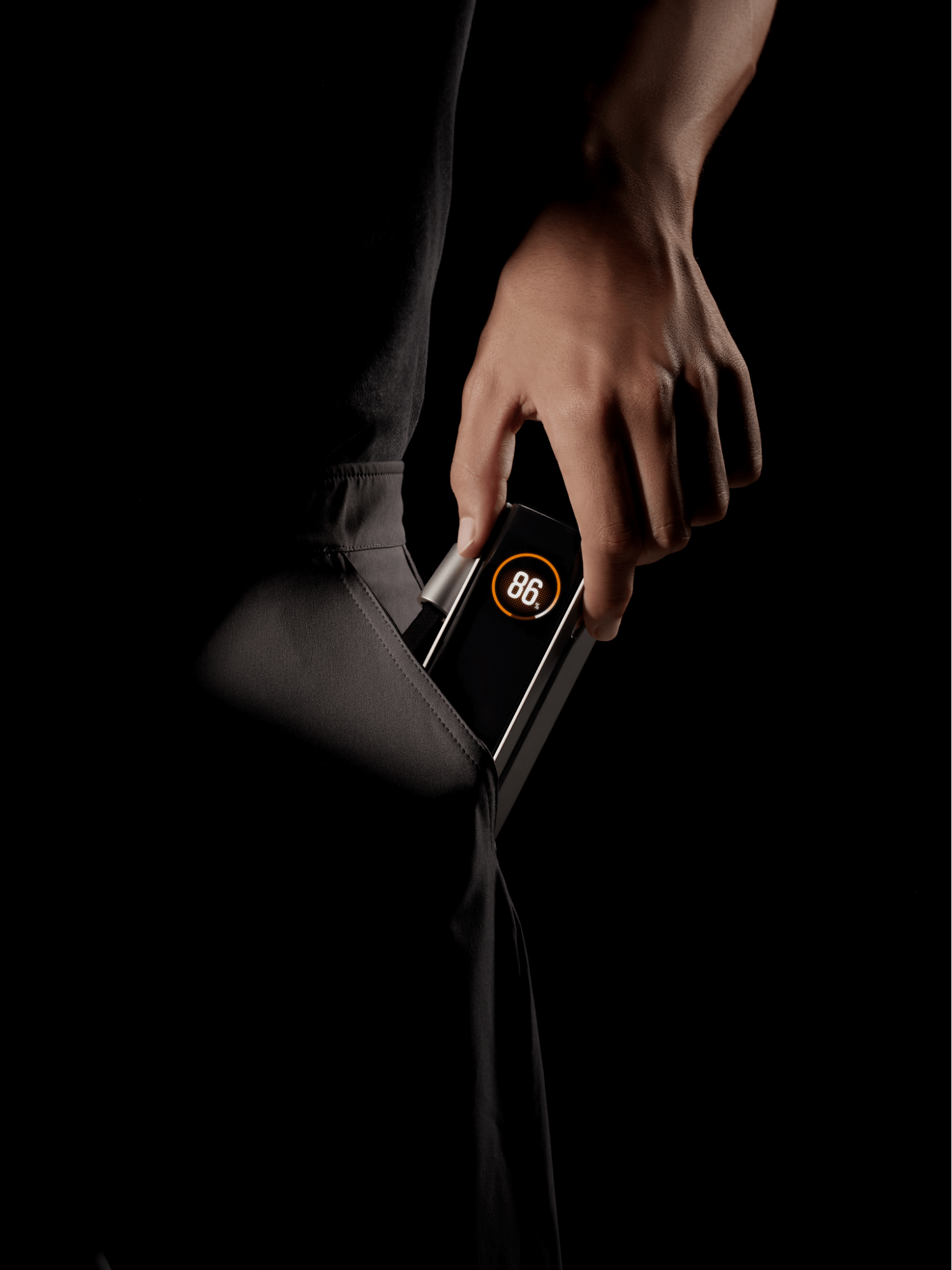
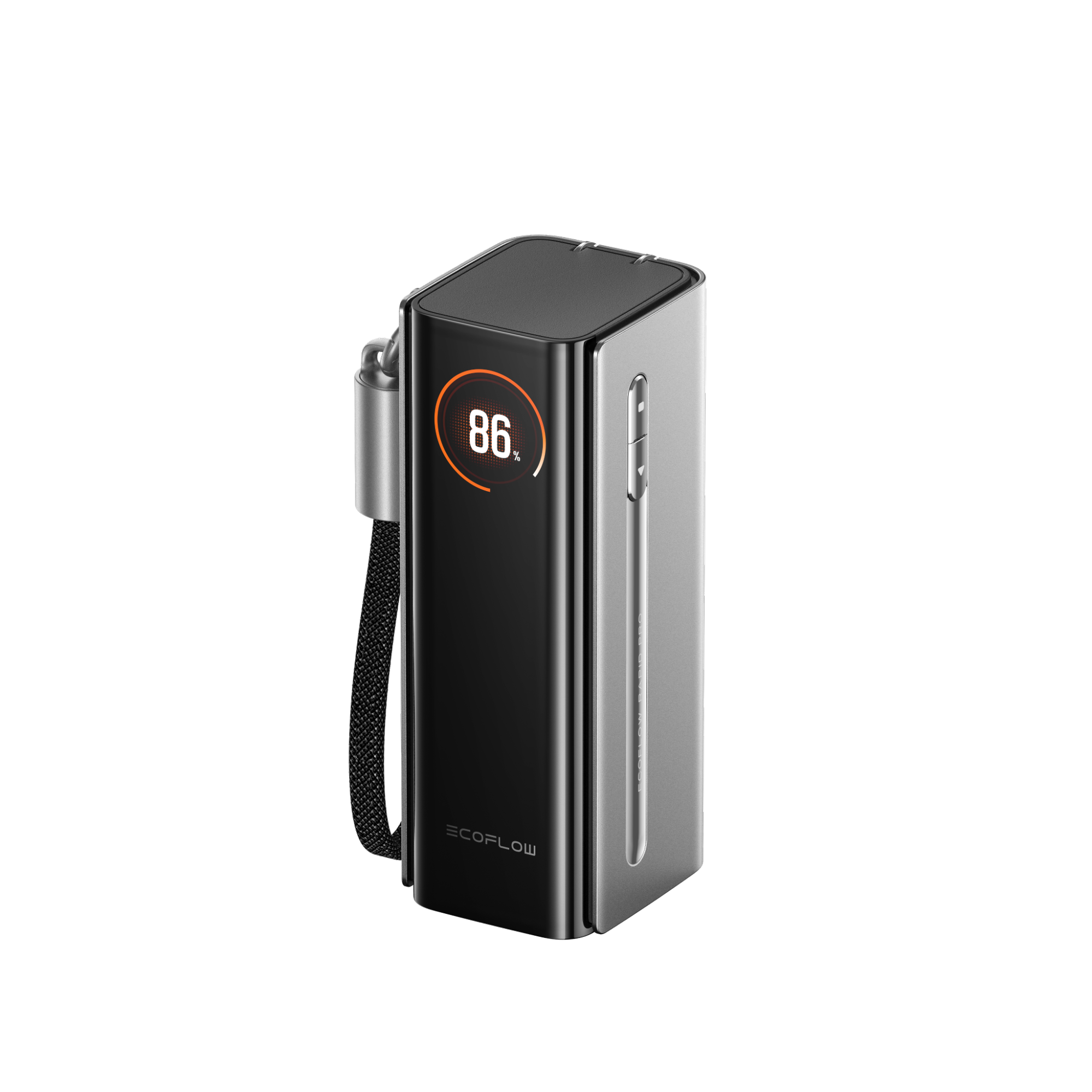
EcoFlow’s portable, high-capacity power options are a must-have in any natural disaster. For quick, grab-and-go power during shorter outages, the EcoFlow RAPID Pro X Power Bank is a compact essential. It has enough power to charge your phone, radio, and Wi-Fi router.
If you need more power for appliances or multi-day outages, go with the EcoFlow RIVER 3 Plus + 160W Solar Panel. This solar generator offers more flexibility and capacity thanks to its 160W solar panel. It can efficiently run mini-fridges, fans, and other devices that keep you safe and comfortable. It’s also portable, so you can take it with you if you need to evacuate.
If you’re more likely to shelter in place, a whole-home generator is your best bet. It’s ideal for areas with frequent outages or natural disasters, although it’s also great if you want to be independent from the grid.
Forecast and Respond: Weather Forecasting, Smart Automation, and Reliability
Staying ahead of natural disasters starts with understanding what’s coming. First of all, set up notifications on your phone for weather alerts. Set your phone to receive wireless emergency alerts and enable push notifications from trusted forecasting sources so disasters never catch you off guard.
With solutions like EcoFlow in your emergency kit, you can also set up automatic device charging. The EcoFlow app prioritizes charging before major storms, ensuring your battery banks are always ready.
Seasonal Readiness: Update Plans for Extreme Weather
Every season brings a different set of risks, and your emergency plan should flex with those changes. Winter storms, summer heatwaves, spring floods, and fall wildfire conditions all require slight adjustments to how you prepare, what you stock, and how you communicate.
Briefly review your emergency plan at the start of each season:
Winter: Focus on safe heating, insulated pipes, warm layers, and reliable backup power for extended outages.
Spring: Check flood risks, clear drainage paths, and update evacuation routes if heavy rain or snowmelt affects your area.
Summer: Prepare cooling options, hydration plans, and backup power for fans and medical devices during heat advisories.
Fall: Reduce wildfire fuel around the home, clean gutters, and keep N95 masks on hand for wildfires.
Frequently Asked Questions
How Does the US Respond to Natural Disasters?
All disaster response typically begins locally, often with the involvement of the police, EMS, and fire department. If the disaster exceeds local resources, the federal government will activate the National Guard and agencies such as FEMA. Individual households play a critical role, too. Having a plan, supplies, and backup power reduces strain on emergency services during the first 72 hours.
Has a Category 5 Ever Hit the US?
Yes. Unfortunately, several Category 5 hurricanes have made landfall in the United States, including the Labor Day Hurricane in 1935 and, more recently, Hurricane Michael in 2018.
What Is the Biggest Natural Disaster in the US?
In terms of death toll, the Galveston Hurricane of 1900 was the deadliest in US history. It killed 6,000 to 12,000 people. Hurricane Katrina (2005) was the most expensive in US history, costing an estimated $200 billion when adjusted for inflation.
Prep for Emergencies With EcoFlow Portable Power Stations
Natural disasters can strike with little warning, but preparation can turn chaos into a manageable situation. Proper planning and emergency kits make a huge difference, but backup power adds an important layer of reliability in any disaster.
EcoFlow’s portable power solutions make that reliability accessible to every home. Plan now, before disaster strikes: See how the EcoFlow RIVER 3 Plus + 160W Solar Panel keeps you going even when the grid goes dark.
For press requests or interview opportunities, reach out to our media team
media.na@ecoflow.com