What Is a Watt Hour? A Simple Guide to Understanding Batteries, Power Banks, and Home Energy Use
When you look at the back of a portable power bank, like a phone charger, or at your utility bill, you may wonder how to interpret those numbers. Most people don’t understand battery capacity and end up buying the wrong power bank, generator, or backup system. The key is to understand watt hours and be able to apply it to your situation.
In this guide, we break down the concept of watt hours in a simple, understandable way. You’ll learn how it differs from standard wattage and why it is a more reliable metric than milliamp-hours (mAh) for comparing devices. Then this guide will show you how to use it to estimate how long your electronics can run during a power outage or a camping trip.
What Is a Watt Hour? Simple Definition Explained
If you’ve bought a portable generator, solar setup, or phone power bank, you’ve likely seen values for watt hours (Wh). It’s a standard way to measure energy capacity. Here’s a simple explanation to help you understand it.
Breaking Down “Watt” and “Hour”
A watt hour is a combination of two terms. A watt (named after engineer James Watt) measures electrical power. This is how much energy a device uses at a specific moment. An hour is simply a unit of time. When combined, they show how much power is used over one hour, rather than at a single instant.
Watt Hour as a Unit of Energy, Not Power
A watt hour measures energy, while a watt measures power. Power is how fast energy is used, like the speed of power. Energy is the total amount used, like the distance. For example, 60 watts tells you how much power a device uses at any given time. On the other hand, 60 watt hours shows the total energy used over time. In simple terms, 1 watt hour means using 1 watt of power continuously for 1 hour.
Watt vs. Watt-hour vs. mAh: Key Differences Explained
When comparing batteries, chargers, or portable power stations, three terms are often used: watts (W), watt-hours (Wh), and milliamp-hours (mAh). They may look similar, but they describe completely different things. Understanding the difference helps you avoid overestimating battery life or choosing the wrong power device.
Watts = Power (Instant Energy Use)
Watts measure how fast energy is being used at a specific moment, remember speed. In other words, it tells you the power demand of a device while it is running. For example, a typical hair dryer might draw 1500 watts while operating. This number does not tell you the total power used when it runs. It only describes how much power it draws instantly.
Watt Hours = Total Energy Capacity
Watt-hours (Wh) measure the total amount of energy stored or consumed over time. This is the most important number when evaluating batteries or power stations. Think of Wh as an energy budget. It tells you how much total energy you have available to use, regardless of how fast you use it. For example, a 1000Wh battery can deliver:
1000W for 1 hour, or
100W for 10 hours
This makes Wh the most reliable way to compare battery capacity across devices.
mAh = Charge (But Depends on Voltage)
mAh (milliamp-hours) measures electrical charge, not total energy. It tells you how much current, i.e. amps, a battery can supply over time. However, there is another critical measure to consider.
mAh alone cannot compare batteries unless voltage is included. This is because voltage acts like “electrical pressure,” and it directly affects total energy output.
mAh = electric charge capacity
Voltage = electrical potential factor that determines actual energy
A quantity of mAh ≠ same quantity of real-world energy storage
For example, two batteries with the same mAh rating can store very different amounts of energy if their voltages are different.
That’s why mAh is mainly useful for phones or devices that all have the same voltage ratings. Do not use mAh to compare energy storage if battery voltages are different.
Quick Comparison Table
| Unit | Measures | Real-World Meaning | Can It Directly Compare Different Devices? |
|---|---|---|---|
| Watt (W) | Power | Instantaneous energy consumption rate | No (Only shows real-time demand, not runtime) |
| Watt-hour (Wh) | Energy | Total battery capacity or available energy budget | Yes (The most objective metric across different devices and voltage platforms) |
| Milliamp- hour (mAh) | Charge | Total electric charge stored in the battery | Only at the same voltage (Comparing mAh without knowing the voltage is meaningless) |
To summarize, watts tell you how fast energy is used, watt-hours tell you how much energy you have, and mAh only makes sense when voltage is included.


Real-World Examples of Watt Hours in Everyday Devices
When you compare watt hours across common electronics, it helps you estimate what your real energy needs will be. This is important for remote work, travel, and emergency backup planning.
Smartphones and Small Electronics (5–20 Wh)
Your everyday smartphone has a surprising amount of power for a smaller device. A standard iPhone or Android device typically has a battery rated between 10 to 15 watt hours. Smaller items like wireless earbuds or fitness trackers have much less at around 1 to 3 Wh range. Even with that low amount of storage, they’re efficient and can run all day.
Laptops and Tablets (40–100 Wh)
Larger devices like laptops naturally have a larger power demand and larger storage capacity. A standard tablet usually has around 30 to 40 Wh of power storage, while a solid work laptop, like a 16-inch MacBook Pro, can have close to the 100 Wh limit. This 100 Wh limit isn’t an accident. It’s the strict maximum capacity allowed in carry-on luggage by the FAA and TSA on commercial flights.
Power Banks (20–100+ Wh)
Portable power banks designed to carry in your backpack or laptop bag generally range from 20 Wh for basic, lipstick-sized emergency phone chargers. Larger power banks go up to 99 Wh for heavy-duty pro models. These are designed to recharge your laptop multiple times while on the road.
Portable Power Stations and Home Storage (200–5000+ Wh)
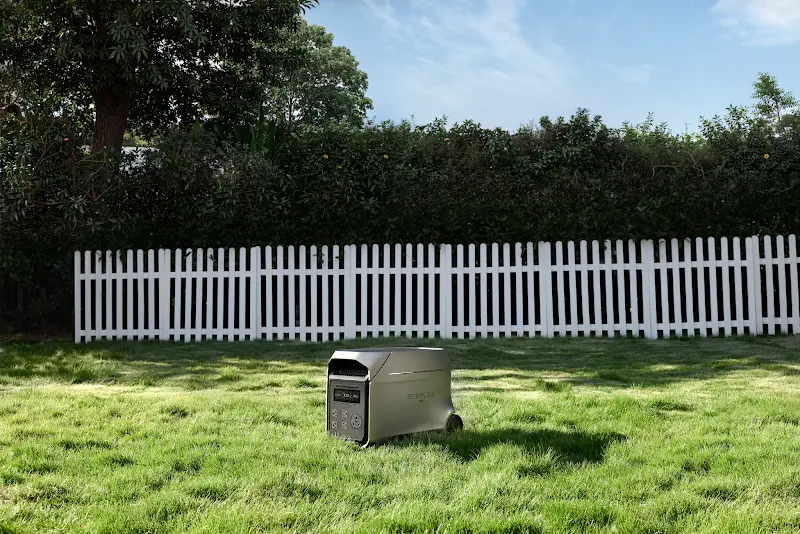
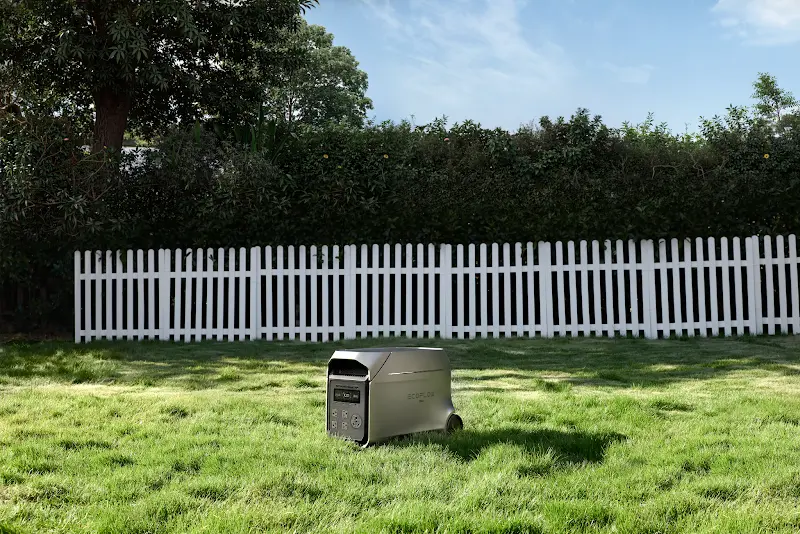
Perhaps the best way to understand what a quantity of watt hours represents is to compare it to how long it can power your appliances if there’s a power outage. For example, look at a mid-sized system like the EcoFlow DELTA 3 Classic Portable Power Station (1024Wh). It has 1024Wh capacity, which serves as a practical baseline for calculating real-world usage. When you account for standard power conversion efficiency, this capacity is capable of the following: running a 60W portable refrigerator for roughly 14–15 hours, keeping a standard 10W Wi-Fi router powered for up to 85–90 hours, or providing about a dozen full recharges for a typical laptop. When you consider real use cases, battery capacity stops being an abstract specification and lets you know available runtime.
How to Calculate Watt Hours and Use Them in Real Life
Now that you understand the basics, you can apply this in real situations. Calculating how many watt hours are needed helps you evaluate batteries more accurately for camping and backup power. When you use watt hours, it’s easier to compare different devices without guesswork.
Basic Formula: Wh = V × Ah
If your battery spec sheet lists its capacity in amp-hours (Ah) instead of milliamp-hours (mAh), the calculation is straightforward. If you use mAh, you need to divide by 1,000 to get watt hour. The formula is:
Wh = (mAh × V) / 1000
This gives you the watt-hour capacity directly from the battery’s voltage and amp-hour rating.
Simple Example Calculation
Let’s say you’re looking at a heavy-duty marine battery for your camper van. The label shows it is a 12-volt battery rated at 100 Ah. To calculate the total energy storage in watt hours, you simply multiply the two values:
12V × 100Ah = 1200Wh
This means the battery stores up to 1,200 watt hours of total electrical energy capacity.
Using Wh to Estimate Device Runtime
Suppose you want to figure out exactly how long a device will run on a specific battery pack. The math is very simple. You just divide the battery’s total watt-hour capacity by the device’s power consumption in watts, and the result is in hours.
Runtime (Hours) = Battery Capacity (Wh) ÷ Device Power (W)
For example, if you have a 1,000Wh portable power station and run a 50W mini-fridge, the calculation is:
1,000 ÷ 50 = 20 hours of runtime
In real-world use, you should also account for about 10–15% energy loss due to heat and power conversion. That means you’d get roughly 17–18 hours of actual runtime. Understanding this basic formula also makes it much easier to calculate power needs for a device or backup setup before an outage or camping trip.
Watt Hours in Home Energy, Solar Systems, and Backup Power
When you move from small devices to home energy systems, solar setups, or utility bills, watt-hour numbers become large and are often expressed in higher units for convenience.
What Is a Kilowatt Hour (kWh)?
Learning how to calculate kWh usage is an important step in managing your monthly electricity costs, since a kilowatt-hour (kWh) is the standard unit your utility company uses to measure energy consumption.
1,000 watt hours (Wh) = 1 kilowatt-hour (kWh)
For example, a 2,000W clothes dryer running for one hour consumes 2 kWh of energy.
This unit is used to measure and manage all your household energy use, from appliances to full home backup and solar systems.
How Home Energy Storage Uses Wh/kWh
When you’re working with energy capacity at the kilowatt-hour (kWh) level, you’re not dealing with small electronics, you’re dealing with household-level electricity use. This is the foundation of modern backup and residential solar ecosystems. Systems like the EcoFlow DELTA 3 Ultra Plus + 500W Solar Panel are engineered for this larger scale. This setup helps households maintain continuity during extended grid problems caused by severe weather or wildfires. At this capacity level, the stored energy is high enough to power high-draw appliances. It can manage the intermittent cycling of a standard 500W refrigerator for 8 to 10 hours, or provide backup power for a 1000W emergency sump pump. The solar energy captured during peak daylight hours helps replenish what your critical appliances consumed overnight. This effectively extends your backup runtime without relying on getting the power back on.
Why Watt Hours Matter During Power Outages
During a power outage, stored watt hours (Wh or kWh) function like emergency energy reserves. Knowing your battery’s kWh capacity helps you prioritize essential devices and manage usage more effectively. Many homeowners now rely on dedicated home backup power systems to reduce dependence on noisy gas generators during outages. By turning off non-essential appliances, you can extend backup runtime and keep critical systems like medical devices, home security, and internet access running until grid power returns.
Conclusion
Understanding what a watt hour is and how to measure power consumed can change the way you look at the technology around you. It transforms confusing battery labels and product spec’s into clear, actionable information. If you know your kWh appliance usages, you can plan which appliances to use during your next power outage. Plus, if you go on a road trip, you’ll know your home is safe and functioning using your backup power system. Once you have a solid grasp of how watts, watt hours, and kilowatt-hours interact, you will be prepared to choose the right technology for a truly resilient, energy-independent home.
FAQ
Is a Higher Watt-Hour Battery Always Better?
Yes, if your goal is longer runtime, a higher Wh battery is better because it stores more energy. However, higher capacity usually means more weight, larger size, and higher cost, so you still need to balance portability and budget.
How Many Watt Hours Is a Typical Phone Battery?
Most smartphones have around 10–15Wh of capacity. Smaller models may be closer to 8Wh, while larger flagship phones can reach 18–20Wh for all-day usage.
Can I Bring a 100Wh Power Bank on a Plane in the U.S.?
Yes. A 100Wh power bank is allowed in carry-on luggage on U.S. flights. However, it must stay in your carry-on, as lithium batteries are not permitted in checked baggage under FAA and TSA rules.
What Is the Difference Between Wh and kWh?
The difference is scale:
1 kWh = 1,000 Wh.
Wh is used for small devices like phones and power banks, while kWh is used for home energy use and electricity bills.
How Long Does a 500Wh Battery Last in Real Use?
It depends on the load. For example, it can run a 50W device for about 10 hours or a 100W device for about 5 hours. In practice, real runtime is usually slightly lower due to energy loss during conversion.
For press requests or interview opportunities, reach out to our media team
media.na@ecoflow.com