Saharan Dust in the US: Why It Travels From Africa and How to Prepare Your Home
- Does Saharan Dust Really Reach the United States?
- What Is a Sahara Dust Storm and Why Does It Form?
- What Does Saharan Dust Look Like in Florida?
- How Long Does Saharan Dust Last in Florida?
- How to Check the Saharan Dust Forecast
- What Does Saharan Dust Do to People?
- Can Saharan Dust Weaken the Atlantic Hurricane Season?
- Does Saharan Dust Affect Solar Panel Efficiency?
- How to Prepare Your Home for Saharan Dust and Summer Heat
- Get Ready Before the Next Dust Wave Hits
- FAQs
Every summer, skies across Florida, the Gulf Coast, and Texas turn a hazy shade of gray, and sunsets glow a deep orange. The cause is Saharan dust, a mass of dry, dusty air that lifts off North Africa and rides the trade winds across the Atlantic Ocean. It reaches the Caribbean and the southern United States within days, affecting air quality, sunlight, and even hurricane activity along the way.
Does Saharan Dust Really Reach the United States?
Yes, It Does
Saharan dust reaches the United States on a predictable schedule almost every year, not as a rare or random event. According to NOAA's National Environmental Satellite, Data, and Information Service, the dust crosses several thousand miles of open ocean before it reaches land in the Americas, and outbreaks repeat every three to five days during peak season.
Where Saharan Dust Travels
Most U.S.-bound dust plumes form over North Africa and move off the West African coast inside the Saharan Air Layer. Easterly winds carry this warm, dry layer across the tropical Atlantic, and the journey to North America typically takes about a week. The Caribbean is usually the first part of the Americas in its path. From there, the route depends on the steering winds: some plumes continue into Florida and the Gulf Coast, while individual outbreaks can travel as far west as Texas.
Activity begins to pick up in mid-June and peaks from late June through mid-August. During this period, new outbreaks leave the African coast every three to five days. That interval describes how often fresh plumes form, not how long a single dust event remains over a particular city.
Where Can Saharan Dust Reach in the US
During peak season, individual dust outbreaks can stretch as far west as:
Florida, especially the southern and central regions
The Gulf Coast, including Louisiana, Mississippi, and Alabama
Texas, particularly the coastal areas
Parts of the Caribbean, which often see the thickest dust concentrations before it spreads north
Some outbreaks cover an area as large as the lower 48 states combined, so the effects are rarely limited to one coastline.
What Is a Sahara Dust Storm and Why Does It Form?
What a Sahara Dust Storm Is
A Sahara dust storm starts as a local weather event over North Africa. Strong winds pick up fine mineral particles from the desert floor and lift them thousands of feet into the atmosphere, where they get trapped in a dry, warm air mass.
Why It Forms
These outbreaks form when tropical waves, which are ripples of low pressure, move along the southern edge of the Sahara Desert. As the waves pass, they stir up loose sand and dirt and push it upward into what scientists call the Saharan Air Layer. That layer typically sits about a mile above the surface and stretches roughly two to two and a half miles thick, and it stays notably drier and warmer than the air around it.
What Does Saharan Dust Look Like in Florida?
Florida usually sees haze rather than a ground-level dust storm. The sky may turn pale blue, whitish, or milky, and distant objects can lose some contrast. Near sunrise and sunset, dust in the atmosphere can deepen orange and red tones by scattering the low-angle sunlight.
South Florida and the Keys are often among the first mainland U.S. locations affected because they lie close to the usual route from the Caribbean. A strong Saharan Air Layer can also limit afternoon cloud growth and showers, sometimes contributing to hotter and sunnier conditions.
A hazy sky does not automatically mean the air at ground level is unhealthy. Most of the dust may remain elevated, so check the local particle-pollution AQI before changing outdoor plans, especially if anyone at home has asthma or another respiratory condition.
How Long Does Saharan Dust Last in Florida?
There is no standard duration for a Saharan dust event in Florida. A narrow, fast-moving plume may pass relatively quickly, while a broader or slower plume can keep skies hazy for several days. Rain, steering winds, and the amount of dust mixing toward the surface all affect how long the local impacts remain noticeable.
During the summer peak, new Saharan Air Layer outbreaks leave Africa every three to five days. One plume may therefore arrive soon after another, making the haze appear almost continuous. The three-to-five-day interval describes the frequency of new outbreaks, not the duration of a single event over Florida.
How to Check the Saharan Dust Forecast
A few reliable ways to track an incoming saharan dust forecast:
NOAA and NASA satellite imagery, which monitors dust concentration, air temperature, and moisture levels across the Atlantic in near real time
Local news stations in Florida, Texas, and along the Gulf Coast, which often report on dust levels during peak months
Daily air quality index reports, which flag rising particle levels before skies noticeably change
National Weather Service updates, which note dust arrival timing alongside regular forecasts
Checking these sources a few days ahead gives a fair window to plan outdoor activities or adjust routines for sensitive family members.

What Does Saharan Dust Do to People?
It Can Irritate Your Eyes and Throat
Fine dust particles in the air can cause dryness, itching, and mild irritation in the eyes, nose, and throat, especially for people who spend long hours outdoors.
It Can Worsen Asthma and Allergies
People with asthma, allergies, or other respiratory conditions often notice flare ups during heavy dust periods, because the particles are small enough to reach deep into the lungs.
It Can Affect Your Skin
Extended exposure to dusty air can leave skin feeling drier or more irritated than usual, particularly for people with sensitive skin or existing conditions like eczema.
You May Also Notice These Symptoms
Mild headaches
A scratchy or dry cough
General fatigue
A stuffy or runny nose, even without allergies
Most of these fade once air quality improves and rarely require medical attention.
Can Saharan Dust Weaken the Atlantic Hurricane Season?
Yes, It Can
Dust outbreaks from the Sahara can suppress hurricane formation and slow down storms that are already developing, particularly during the early and mid parts of hurricane season.
The Reason Behind It
The Saharan Air Layer carries dry air and strong wind shear, both of which work against the warm, moist conditions that tropical storms need to grow. Researchers at NOAA have tracked this effect for years using satellite data, and it remains one factor forecasters watch closely when predicting how active a given hurricane season will be.
Does Saharan Dust Affect Solar Panel Efficiency?
Yes, It Can Reduce Output
Homes with solar panels can see a measurable drop in energy production during heavy dust events, sometimes by 10 percent or more depending on how thick the haze gets.
The Reason
Airborne dust scatters and blocks sunlight before it reaches the panel surface, and any dust that settles directly on the panels adds another layer of shading that cuts into daily output.
What You Can Do About It
Regular panel cleaning during dust season helps, and pairing solar setups with reliable backup power keeps a home running even on the lowest-output days.
How to Prepare Your Home for Saharan Dust and Summer Heat
Dust season overlaps with the hottest stretch of summer, and the combination often means closed windows, higher air conditioning use, and a household that depends more heavily on steady electricity. A few practical steps can make that stretch easier to manage.
Run an air purifier. Keeping windows closed during dust events helps, and an air purifier running indoors clears out particles that slip in anyway.
Use fans instead of opening windows. Fans keep air moving and rooms cooler without letting outdoor dust in.
Keep your phone and router powered. Staying connected to weather updates and air quality alerts matters most during multi-day dust events.
Keep a small fridge stocked and running. Fewer grocery trips during hazy, high pollen days keep sensitive family members more comfortable at home.
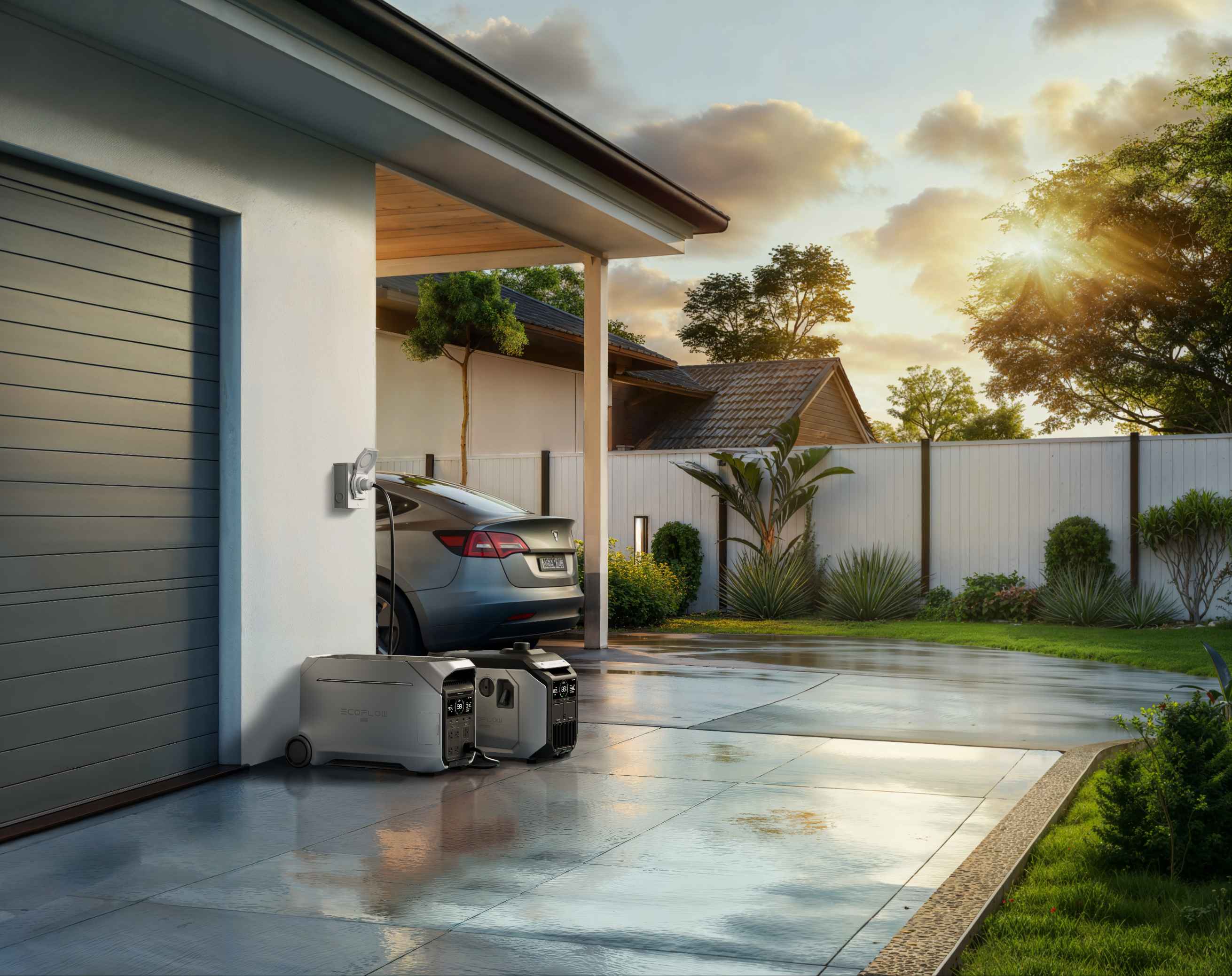
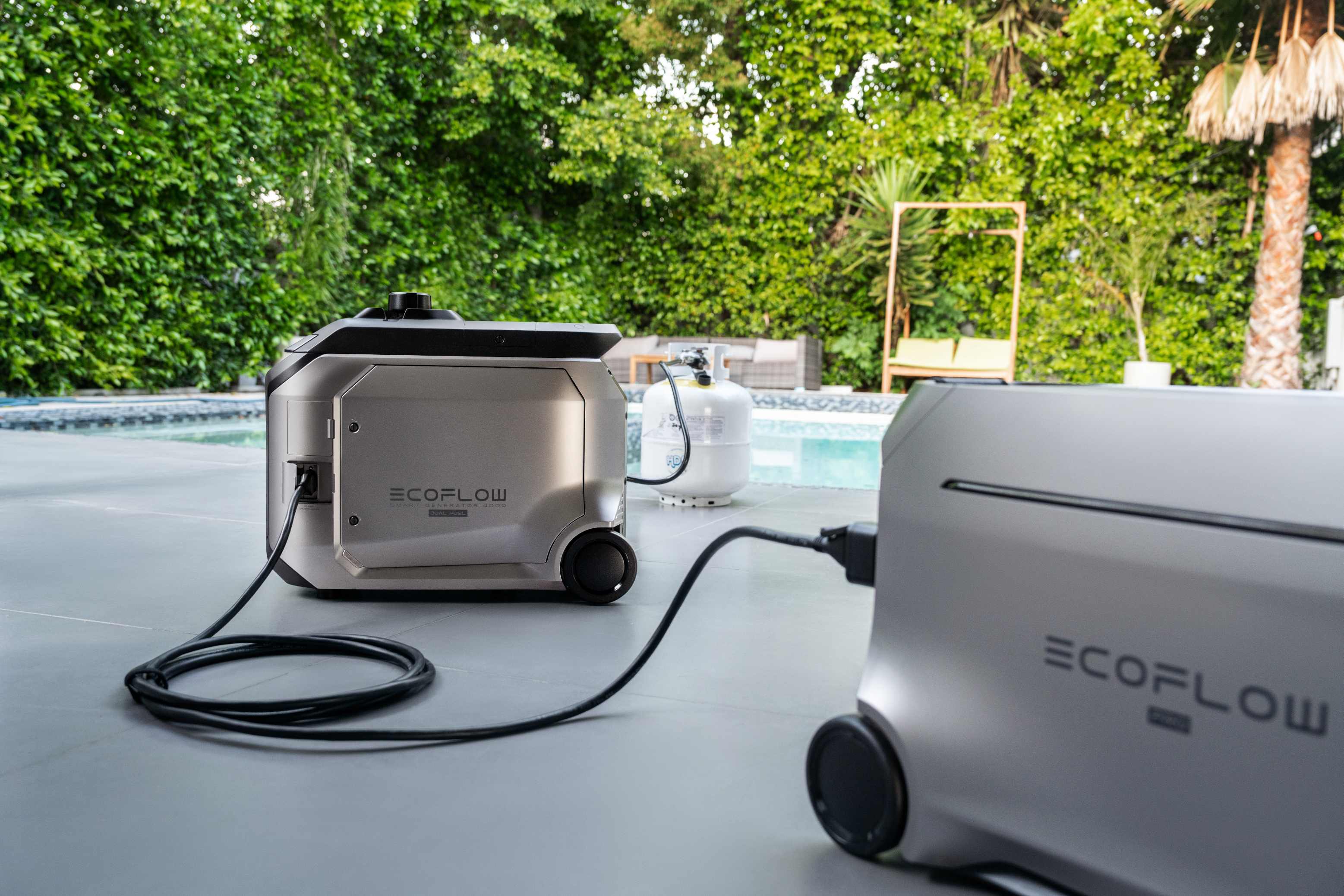
Have backup power ready. Summer storms and grid strain can knock out power at the worst possible time, right when air purifiers, fans, and fridges matter most. A portable power station like the EcoFlow DELTA Pro 3 gives a household enough capacity to keep those devices running through an outage, and it recharges through solar panels, so it pairs naturally with the solar setups that dust season already affects. The unit starts at 4 kWh and can expand with additional batteries and panels, so a household can size backup power to match how long a typical summer outage tends to last.
Get Ready Before the Next Dust Wave Hits
Saharan dust arrives every summer, and while the hazy skies and red sunsets are temporary, the effects on air quality, health, and home energy are worth planning for. Checking the forecast, keeping indoor air clean, and having reliable backup power on hand make dust season, and the heat that comes with it, far easier to manage. EcoFlow builds the kind of power solutions that keep a home ready for whatever the season brings.
FAQs
Q1: Does rain wash Saharan dust out of the air?
Rain can help clear dust from the lower atmosphere by pulling particles down to the ground, but it does not stop an outbreak already moving overhead. Heavier dust layers sit high enough that typical summer rain showers only clear part of the haze, and full relief usually depends on the outbreak moving past a region entirely.
Q2: Is Saharan dust getting worse over the years?
Dust activity varies year to year based on wind patterns and conditions over North Africa, rather than following a steady upward trend. Some years bring more frequent or thicker outbreaks, and others bring lighter seasons, so year to year comparisons carry more weight than any long term pattern.
Q3: Is Saharan dust the same as the Dust Bowl?
No, the two are unrelated. The Dust Bowl was a 1930s agricultural disaster caused by drought and poor farming practices across the American Plains, while Saharan dust is a natural, recurring weather pattern that originates in Africa and crosses the Atlantic Ocean each summer.
Q4: Can Saharan dust trigger allergy symptoms indoors?
Yes, fine dust particles can work their way indoors through open windows, doors, and air gaps, adding to existing allergy triggers already present in a home. Running an air purifier and keeping windows closed during active outbreaks reduces how much dust makes it inside.
Q5: Does Saharan dust leave a residue on outdoor surfaces?
Yes, settled dust can leave a fine, gritty film on cars, patio furniture, pool water, and other outdoor surfaces during heavy events. A quick rinse or wipe down usually clears it, and it does not cause any lasting damage to most surfaces.
For press requests or interview opportunities, reach out to our media team
media.na@ecoflow.com