Plug-In Solar vs Rooftop Solar: Which Is Right for Your Home in 2026?
- What Is Plug-In Solar?
- What Is Rooftop Solar?
- How Do Plug-In and Rooftop Solar Compare on Cost and Savings?
- Is Plug-In Solar Legal Where You Live in 2026?
- Who Should Choose Rooftop Solar?
- When Does Plug-In Solar Make the Most Sense?
- Can You Use Plug-In and Rooftop Solar Together?
- Frequently Asked Questions
- The Right Solar Setup Powers Your Home With Savings That Fit Your Situation
As energy prices skyrocket, temperatures rise, and power outages increase in frequency and duration, more people are considering home solar. Fortunately, new legislation has enabled homeowners and renters alike to install affordable plug-in systems, even without permits in some states.
But how do they compare to rooftop systems, and how do you know which is best?
Keep reading to find out which option is right for you.
What Is Plug-In Solar?
Plug-in solar panels, sometimes called balcony or apartment solar, are compact systems that generate clean electricity at home using a few panels and a microinverter. They're generally sized between 400W and 1,200W and plug into a standard 120V outdoor outlet, feeding solar energy back into your home's electricity and lowering your monthly bill.
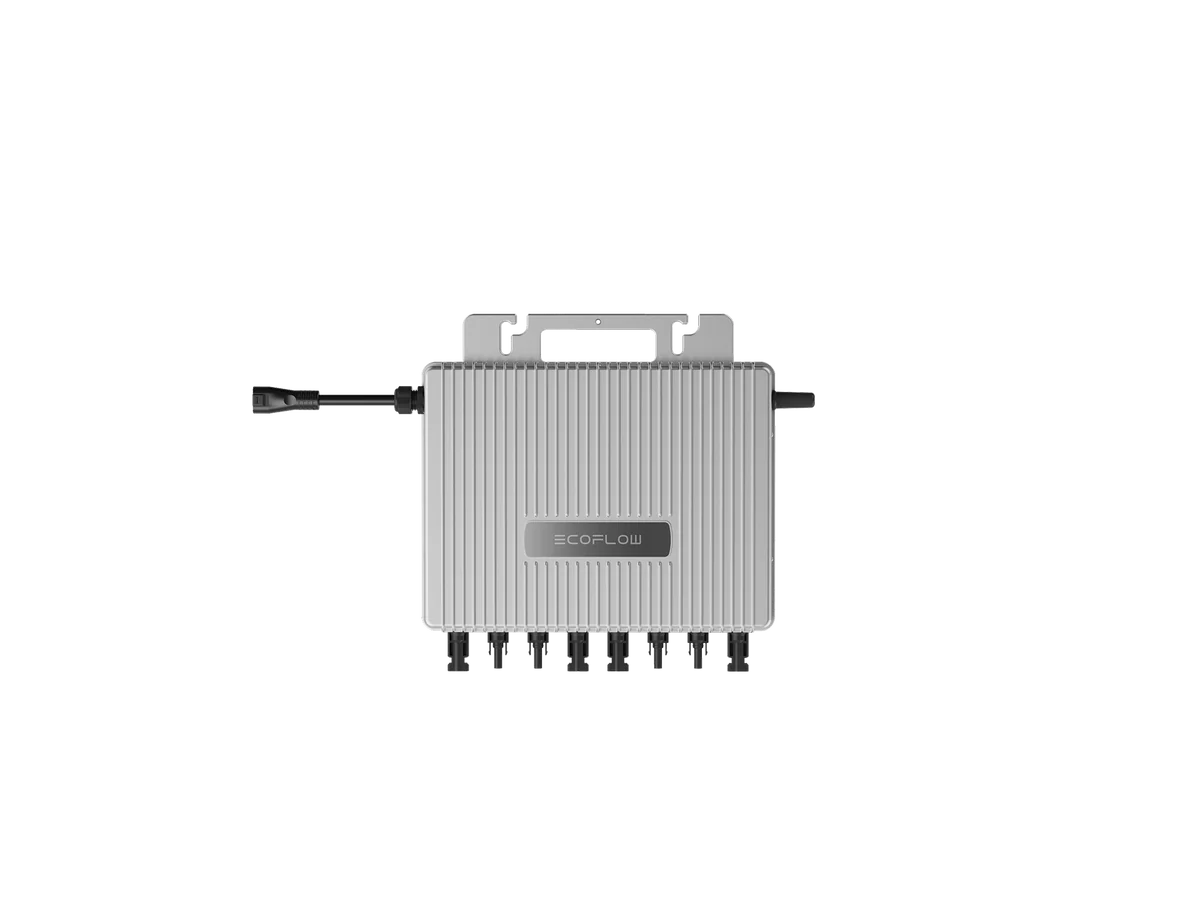
Many plug-in setups use a dedicated plug-in microinverter, like the EcoFlow STREAM Microinverter, which plugs directly into a standard outlet and syncs your panel output with your home's electricity in real time.
(At the time of writing, the EcoFlow STREAM Microinverter is only available in Utah and Maryland, but check the EcoFlow website as availability expands.)
What Is Rooftop Solar?
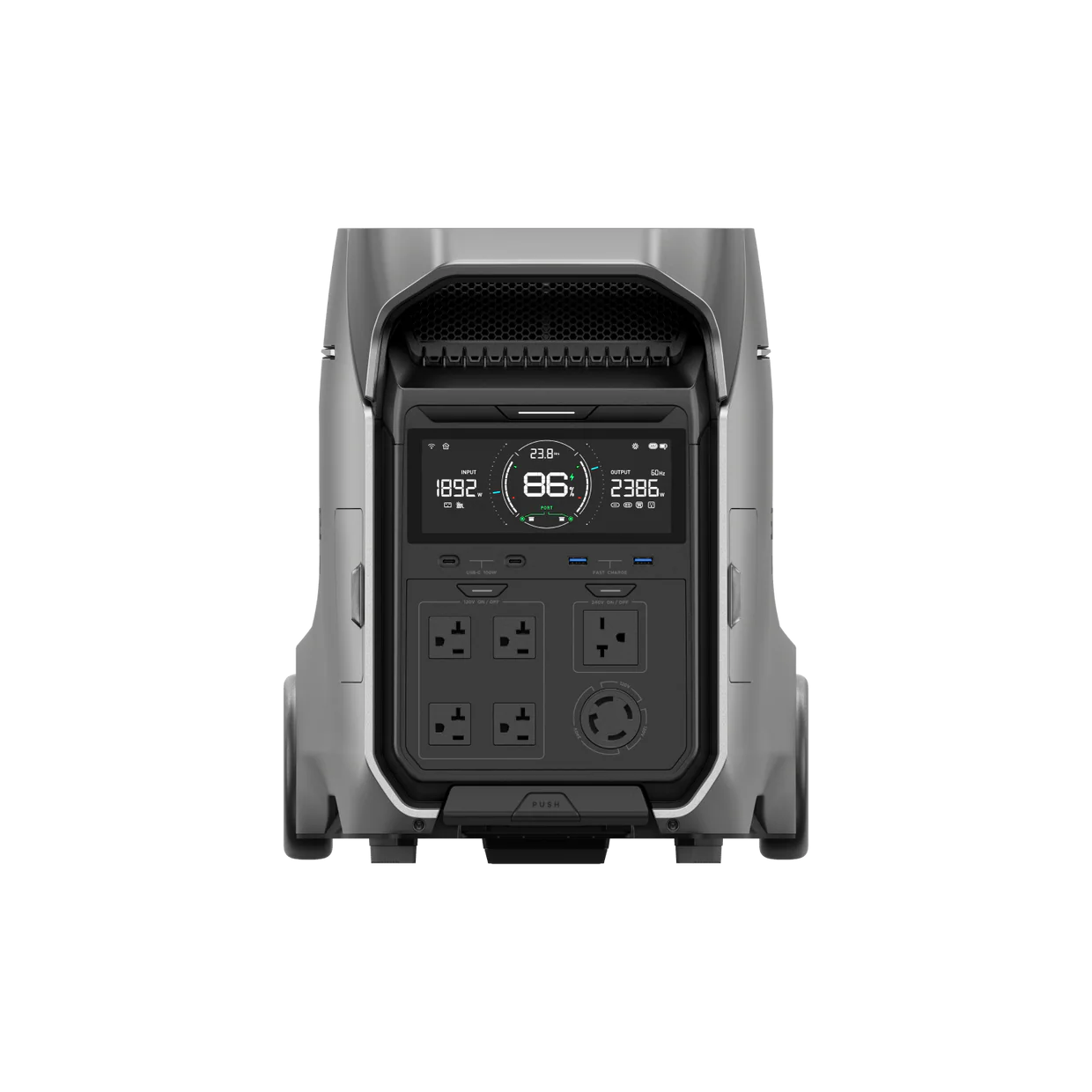
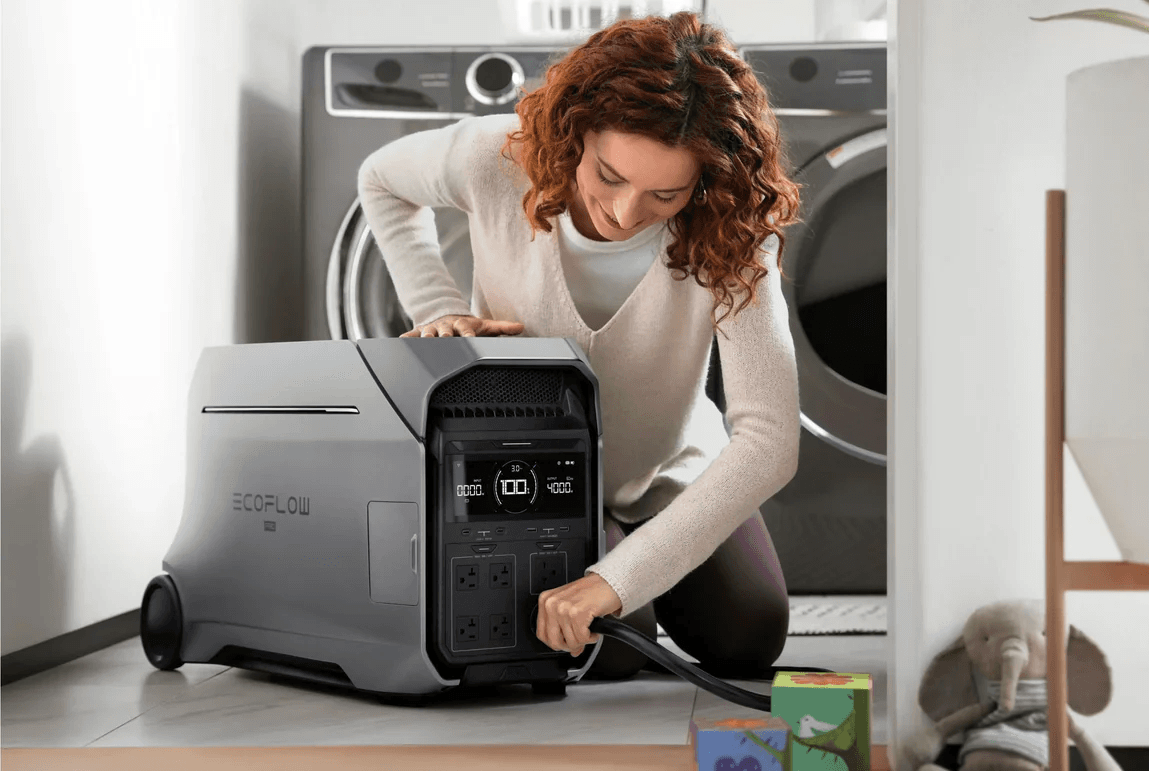
A rooftop solar setup uses several panels, often a dozen or more, to generate clean energy for use in the home. These systems are much more powerful and are often paired with a whole-home battery backup system that stores and converts the DC electricity your solar panels produce into AC power your home can use You can plug appliances into the storage battery, or you can tie the battery into your electrical panel. Alternatively, photovoltaic panels alone can also be tied into your electrical panel.
How Do Plug-In and Rooftop Solar Compare on Cost and Savings?
Plug-in solar is far more affordable than a full rooftop installation. A typical setup, like a pair of EcoFlow solar panels paired with the EcoFlow STREAM Microinverter, costs a fraction of what rooftop solar requires.
Rooftop systems involve multiple panels, professional installation, permits, and typically a whole-home battery system; you can explore what that looks like through EcoFlow's home solar system range.
One reason plug-in systems are cheaper is that they use far less equipment, generally only using a couple of photovoltaic panels, and often don’t come with battery backup. Rooftop photovoltaics also often require professional installation and permits, which cause delays and cost more money.
Plug-in systems may not require permits or professional installation, depending on your state, and you can start generating energy and saving money the day you bring it home.
Is Plug-In Solar Legal Where You Live in 2026?
Legislation for plug-and-play home power in the USA is very new and rapidly evolving. Previously, there were no laws separating these small consumer-installed systems from large rooftop systems, so they often still required permits and professional installation. In other states, they occupy a legal gray area, being neither legal nor illegal.
However, unstable grids and skyrocketing electricity prices are encouraging home solar more than ever. In response, states have begun considering new laws allowing plug-in photovoltaics.
Utah and Maryland were the first states to pass dedicated plug-in solar laws. Since then, Maine and Virginia have also passed legislation, both taking effect in mid-2026, with Colorado set to follow in January 2027. California and New York have legislation actively moving through their state legislatures.
So, be sure to check the current legislation in your state before you purchase.
Who Should Choose Rooftop Solar?
If you own your own home and you need more power, then rooftop systems are the best choice. It will generate the energy you need, and it adds good value to your property.
With a large enough system, you can even disconnect from the grid and gain true energy independence.
The other consideration is that rooftop solar allows you to easily integrate a whole-home backup power solution to keep your entire home running even through extended power outages.
When Does Plug-In Solar Make the Most Sense?
A plug-in home solar system is the best choice for renters who don’t want to or simply cannot install panels on a home they don’t own. This allows renters to take advantage of clean energy savings without having to buy a home and a rooftop system.
It’s also perfect for apartment living, where rooftop access is limited or nonexistent.
Finally, for homeowners on a limited budget, plug-and-play systems offer a way to get started. Be sure to choose modular systems so you can expand as your budget allows.
Can You Use Plug-In and Rooftop Solar Together?
Absolutely! Because plug-in systems act as an independent power source, it won’t interfere with your rooftop system. Many homeowners start with a plug-and-play system and upgrade later. Others use the rooftop system for their primary needs but set up plug-in systems for periods of high demand or to power a specific area of their home.
Frequently Asked Questions
Is Plug-In Solar Worth It in 2026?
If you want immediate low-cost savings on your monthly bill without the complexity of a rooftop system, then it's worth it. Even if you just cannot afford a rooftop system, plug-and-play systems are a good way to get started, and it won't interfere with your rooftop system when installed. It's a low-risk way to start saving right away.
Do You Need Permits for Plug-In Solar?
In states that have passed new legislation allowing plug-in solar systems (usually up to a maximum of 1,200W), then no, you don't need permits or professional installation. However, you must check your state laws, as legislation is actively evolving. Requirements vary widely by state, so confirm your local rules before buying a system.
How Much Can Rooftop Solar Save You Over Time?
Savings depend on your energy use, local electricity rates, and your area's sun exposure, so there's no single number that applies to everyone. That said, most homeowners see meaningful reductions in their monthly bills from year one, and those savings compound over the lifetime of the system. Adding a home battery can extend them further by reducing how much you draw from the grid overnight and during peak pricing periods.
Can Renters Use Plug-In Solar?
Yes! One reason plug-in solar is becoming so popular is that it provides options for renters and apartment dwellers to access clean energy because it requires no permanent home modifications or roof access. You simply plug the system into a standard outdoor outlet, so you can take it with you when you move.
The Right Solar Setup Powers Your Home With Savings That Fit Your Situation
The key to choosing the right setup for your home is your situation. Do you rent or own? If you rent, a plug-in home solar system is best because it requires no permanent modifications.
But if you own your home, need more energy, or want to go off-grid, rooftop solar offers more energy output and better savings in the long term.
Note: The plug-in solar legislative information in this article reflects the regulatory landscape at the time of writing. This is a fast-moving area of law, so rules in your state may have changed since publication. Always verify current regulations with your state's public utilities commission or official government website before purchasing or installing a system.
For press requests or interview opportunities, reach out to our media team
media.na@ecoflow.com