Plug-In Solar Panels for Home: An Easy Way to Start Using Solar Power
Until recently, solar panels were limited to homeowners who could afford expensive upfront costs. Now, a new style of solar technology is changing that.
Plug-in solar panels are making clean energy more accessible than ever for anyone who wants to lower their carbon footprint and utility bill.
Keep reading to learn what exactly plug-in solar panels are, how they work, and ways to integrate them into your lifestyle.
What Are Plug-In Solar Panels?
Plug-in panels are small-scale solar panels that generate electricity without needing complex installation.
Traditional rooftop setups often require rooftop mounting, professional electrical work, and permanent installation. Plug-in panels are typically set up in a sunny location with a flat surface.
They can attach to fences, balconies, and patios or sit on patios and yards.
Some systems are designed to connect to household circuits through approved inverters. In many cases, solar panels are instead paired with a portable power station to store and use electricity directly, rather than feeding it into home wiring.
Plug-in solar panels are a simple, low-cost way for anyone to start using renewable energy and reduce their environmental impact.
How Plug-In Solar Works at Home
The plug-in unit consists of a solar panel, a microinverter, and a plug.
During the day, the monocrystalline panel converts sunlight into direct current (DC) electricity through the photoelectric effect.
A microinverter converts this into usable alternating current (AC) electricity. Most appliances in a home run on AC electricity.
Depending on the system design and local regulations, this electricity may either offset household energy use or be stored in a battery for later use.
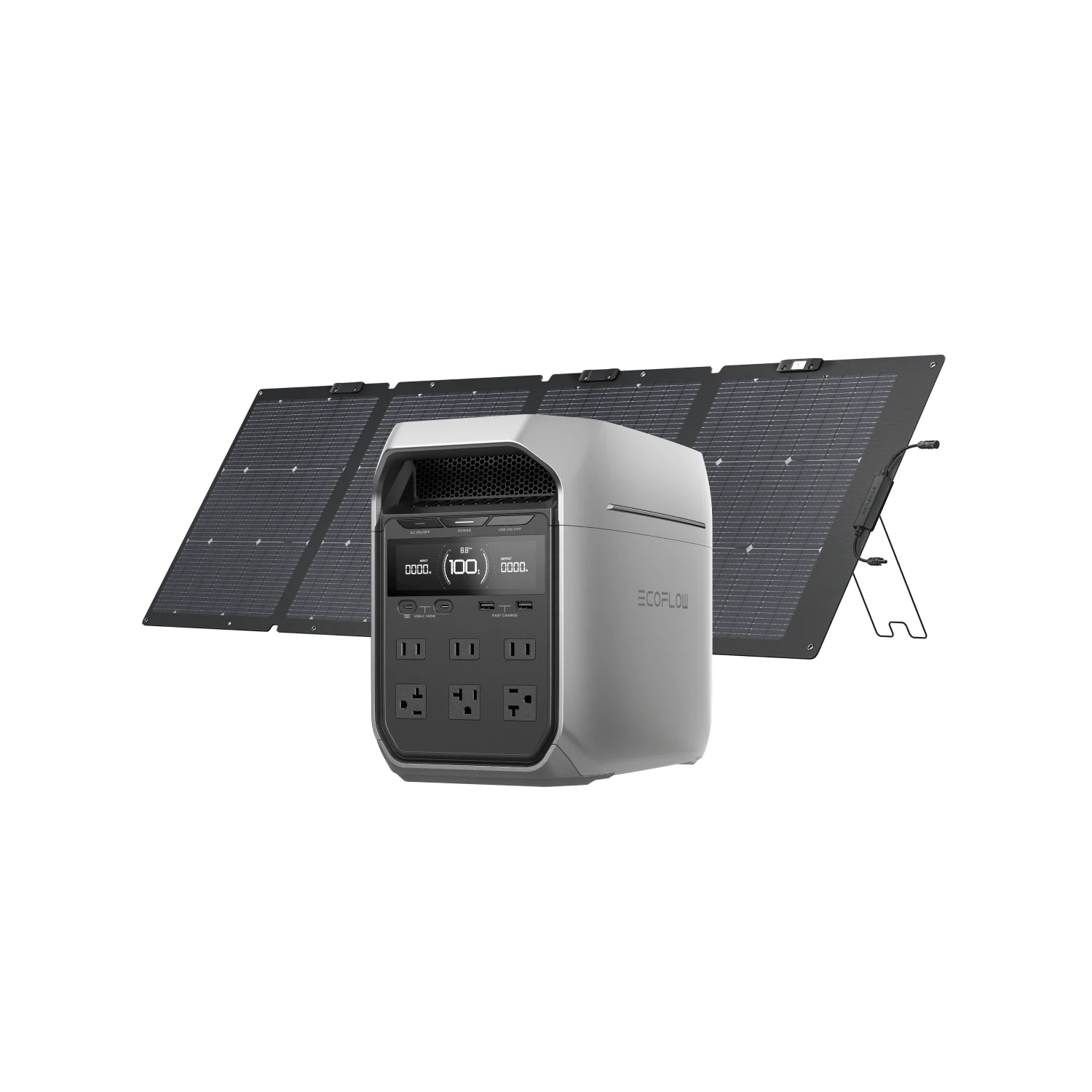
Compact solar generator setups like the EcoFlow DELTA 3 Plus + 220W Solar Panel can generate and store energy for small appliances, electronics, and everyday home use. Under good sunlight conditions, these systems can produce and store enough energy to offset basic household consumption.
The Benefits of Plug-In Solar Systems
Cuts Electricity Bills: With lower reliance on the electrical grid, utility bills are decreased.
Lower Carbon Footprint: Solar panels can be paired with energy storage systems to use solar power even when the sun isn’t shining.
Affordable: Since plug-in panels are smaller and don’t require permanent installation, the upfront cost is lower than rooftop panel options.
Renter-friendly: Many apartment dwellers can’t install panels on the roof due to landlord restrictions. Plug-in options allow renters to take advantage of sunlight without needing rooftop access. The panels can sit on any flat surface, like decks or yards.
Who Plug-In Solar Is Best For
Renters
Since traditional panels require drilling into a roof, plug-in panels are the renter-friendly option. Instead of alerting the property, they can be mounted on small patios or balcony railings.
Renters can pack them up and take them to the next place when the lease is up.
Budget Conscious
A full residential panel installation is an investment, costing several thousand dollars. Plug-in options have a significantly lower upfront cost.
Going for plug-in won’t completely offload a home’s electrical needs, but it will lower the baseload by offsetting power consumption from a refrigerator, television, or Wi-Fi router.
Homes With Odd Roofs
Sometimes a roof isn’t ideal for panel installation. The roof might be slanted at odd angles, shaded by trees, facing the wrong way, or made of slate or wood shake. Plug-in panels are an alternative that can go in the yard or deck, where the sun is bright and the surface is flat.
Home Office Workers
Plug-in panels can help offset daytime energy use in home offices where the 9–5 workday aligns with peak sunlight availability. Devices like laptops, monitors, routers, and lighting can benefit from supplemental solar energy when conditions are favorable.
Solar Panel Explorers
Non-permanent panel setups like plug-ins are best for beginners who want a simple, low-risk way to test out photovoltaic energy without a full commitment.
Since plug-in solar panels are low-cost and don’t require home renovations, they’re a great entry point for those curious about how renewable energy can fit into their everyday life.
Frequently Asked Questions
Do Plug-in Solar Panels Actually Work?
Yes, plug-in solar panels do actually lower utility bills. They convert sunlight into electricity and can help offset your home’s energy use, either through approved grid connections or by powering devices directly when paired with a battery system.
How Much Power Can Plug-In Solar Generate?
Plug-in solar systems produce between 200 and 1,600 watts. The max power production depends on the size and number of panels. Sunlight availability also matters. In good sunlight, they produce 1 to 4 kWh per day, which can cover small electrical needs but not a whole home.
Can Plug-In Solar Reduce Your Electric Bill?
Yes, plug-in solar panels can lower your electric bill. Because the panels supply some of your home’s electricity, less power is drawn from the grid. The savings are modest, but over time, you’ll notice the savings, especially if the panels are in a sunny location during the day for maximum electricity generation.
Plug-In Solar Makes Renewable Energy More Accessible
Plug-in solar panels are small-scale solar systems that don’t require expensive, permanent installation. Instead, they simply sit on a flat surface and plug into a home outlet.
Generated electricity can help offset electricity drawn from the grid when used in compliant systems or paired with energy storage. These systems have low entry costs, reduce electricity bills, lower carbon footprints, and are renter-friendly.
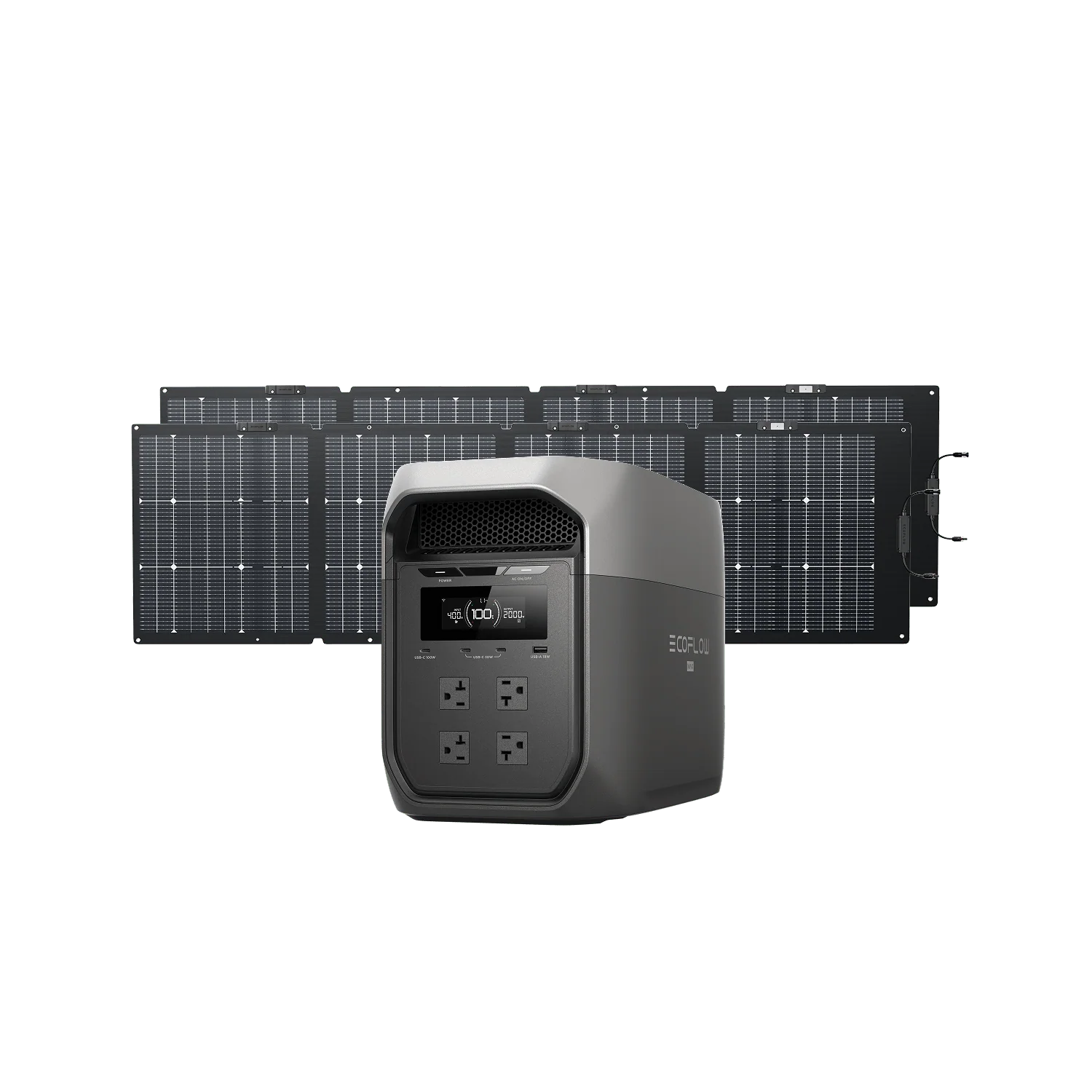
If you’re ready to explore solar energy, start with a compact system like the EcoFlow DELTA 3 Plus + 220W Solar Panel, or consider larger setups like the EcoFlow DELTA 3 Max Solar Generator + 220W Solar Panels for increased capacity and longer runtime.
For press requests or interview opportunities, reach out to our media team
media.na@ecoflow.com